


 Zobacz w skali 1:1
 Wyślij
 Udostępnij
 Szczegóły
 Przewodnik

 Pobierz plik obrazu
 Podobne obiekty
 RTG
RTG Pokaz slajdów
 Statystyki
Study For The Sea Maiden Composition

Experience Herbert James Draper’s evocative 'Study for The Sea Maiden Composition'. This monochromatic study captures a tranquil scene of figures in an impressionistic style – a timeless piece for art collectors.
Herbert James Draper – angielski malarz i grafik wiktoriański, twórca obrazów inspirowanych mitologią grecką oraz sensualnych portretów. Jego dzieła, takie jak Lament dla Ikarusa, zdobyły uznanie krytyków i znalazły się wśród najważniejszych osiągnięć sztuki brytyjskiej!
 Czytaj więcej
Giclée / Wydruk artystyczny
Wydruki giclée lub płótna o jakości muzealnej, szybka realizacja i szeroki wybór opcji wykończenia. ( Kup ręcznie malowany obraz Przełącz na wersję cyfrową)




P118B zł10

P118H zł10

P118W zł10

P438Z zł10

P508JH zł12

P508YH zł12

P805H zł10

P805Z zł10

P919BZ zł10

P919G zł10

P919XJ zł10

P959ZH zł10

P968JZ zł12

W106C zł8

W218G zł10

W218JH zł8

W218Y zł10

W307PJ zł10

W316G zł10

W316PJ zł8

W316Y zł10

W398PJ zł8

W4111J zł10

W500HY zł15

W500JH zł15

W692G zł12

W849H zł8

W940BG zł15

W953PJ zł8




Standardowy
na zamówienie
CM
INCH
Wybierz spośród naszych standardowych rozmiarów, które zachowują oryginalne proporcje dzieła sztuki.
Loading sizes...

szerokość
wysokość
Wpisz wymaganą szerokość i wysokość, aby dopasować grafikę do ramy lub ściany. Wydruk można jedynie przyciąć, nigdy nie powiększając go poza oryginalny obraz, dlatego format o innym proporcji spowoduje utratę części kompozycji. Przed rozpoczęciem druku prześlemy Ci cyfrowy podgląd do zatwierdzenia. Obraz wyświetlany na tej stronie nie pokazuje rzeczywistego przycięcia — jedynie podgląd oddaje ten efekt.
Dostawa na cały świat () w ciągu 2 tygodni zamiast standardowych 4/5 tygodni. (21 Październik)

Bezpłatna ekspresowa wysyłka na cały świat

Wysokiej jakości płótno lniane

Pełne ubezpieczenie transportowe

Gwarancja zwrotu należności celnych i podatków importowych

Gwarancja idealnego odwzorowania barw

100-dniowy okres na zwrot dzieła w przypadku wykrycia wad produkcyjnych

Gwarancja 100% zwrotu pieniędzy

Oferta przy zakupie wielu sztuk
 Opcja ze szkłem jest dostępna wyłącznie w rozmiarach poniżej 110 cm

Study For The Sea Maiden Composition
Giclée / Wydruk artystyczny
Rozmiar reprodukcji
-


Suma do zapłaty
zł 262
Biografia artysty
Herbert James Draper (1863-1920): A Life Immersed in Myth and Beauty
Herbert James Draper, a name resonating with the echoes of Victorian and Edwardian artistry, was born in London in 1863, a city brimming with both industrial progress and a fervent revival of classical ideals. The son of a fruit merchant, his path diverged from commerce towards the realm of aesthetic expression—a decision that would ultimately define his artistic career. His early education at Bruce Castle School instilled him with foundational knowledge, but it was within the hallowed halls of the Royal Academy Schools that Draper’s artistic destiny truly began to unfold. He demonstrated an immediate aptitude and ambition, qualities recognized in 1889 when he secured both the prestigious Royal Academy Gold Medal and a Travelling Studentship—a remarkable accomplishment for a young man at the time. This invaluable opportunity propelled him on formative journeys through Rome and Paris between 1888 and 1892, experiences that indelibly shaped his artistic sensibility. These European sojourns weren’t merely geographical shifts; they were immersions into the heart of classical tradition, fostering an appreciation for idealized form and graceful composition—principles he would tirelessly champion throughout his life.The Classical Influence: Shaping Draper's Artistic Vision
Draper’s formative years in Rome and Paris proved pivotal in establishing his artistic worldview. He spent considerable time studying sculptures by Michelangelo and Bernini, absorbing the grandeur of Roman architecture and immersing himself in the intellectual currents of the Aesthetic movement. This exposure profoundly impacted his stylistic choices, prioritizing beauty and sensual appeal alongside meticulous attention to detail—a hallmark that would characterize his oeuvre. The influence of classical sculpture is palpable in Draper’s compositions; he sought to emulate the serene dignity and harmonious balance found in masterpieces like Apollo Belvedere and Venus Pudica. Furthermore, he embraced the Aesthetic movement's emphasis on emotional expression and subjective experience, rejecting academic conventions in favor of a more personal artistic voice. This fusion resulted in an aesthetic that captivated audiences during his lifetime and continues to resonate with scholars today.The Mythological Narrative: Draper’s Artistic Obsession
Around 1894, Draper decisively turned his gaze towards mythological narratives drawn from the rich tapestry of ancient Greek stories—a fascination that would dominate his artistic output for decades to come. He wasn't merely illustrating myths; he was reimagining them through a distinctly personal lens, imbued with psychological depth and emotional intensity. His style is undeniably Neoclassical, yet it transcends mere imitation, skillfully integrating elements of the Aesthetic movement’s sensual exploration of form and color. Draper’s depictions of mythological figures—particularly women—were particularly noteworthy. He approached these subjects with reverence and sensitivity, capturing their ethereal beauty while simultaneously hinting at hidden passions and desires. The Lament for Icarus exemplifies this artistic ethos perfectly; it portrays a poignant scene of grief amidst breathtaking visual splendor, reflecting Draper's profound understanding of human emotion and his masterful command of artistic technique.Notable Achievements: Recognition and Artistic Legacy
Draper’s talent garnered considerable acclaim during his lifetime. He regularly exhibited at the Royal Academy from 1890 onwards—a testament to his unwavering dedication to his craft—and became a sought-after portrait painter among London's elite, securing commissions from prominent figures of the era. Despite this success, he never achieved membership or associateship within the Royal Academy—an intriguing omission considering his prolific output and artistic reputation. However, Draper’s legacy extends beyond individual artworks; it resides in his contribution to British art during a period of significant cultural transformation. His pioneering exploration of mythological themes paved the way for subsequent generations of artists, influencing stylistic trends and fostering an enduring appreciation for classical inspiration. The gold medal awarded at the Exposition Universelle in Paris in 1900 solidified his position as one of Britain’s foremost artistic voices—a recognition that underscored the transformative power of his vision.A Lasting Impression: Draper's Artistic Technique and Enduring Appeal
Draper’s technique was characterized by meticulous attention to detail, achieved through painstaking layering of glazes and pigments—a hallmark of Neoclassical painting. He sought to capture the luminosity of skin and drapery with remarkable accuracy, creating surfaces that seemed to shimmer with life—a feat accomplished through masterful manipulation of light and color. His ability to convey emotion through visual imagery remains profoundly compelling today, demonstrating the enduring power of art to transcend time and cultural boundaries. Draper’s paintings continue to inspire admiration for their beauty, psychological depth, and unwavering commitment to classical ideals—a testament to his artistic genius and a lasting contribution to British art history.
Herbert James Draper
1863 - 1920 , Wielka Brytania
Najważniejsze informacje
- Artistic Movement Or Style: Neoclassical
- Date Of Birth: November 26, 1863
- Date Of Death: September 22, 1920
- Full Name: Herbert James Draper
- Nationality: British
- Notable Artworks:
- The Lament for Icarus
- Ulysses and the Sirens
- The Kelpie
- Ariadne
- Place Of Birth: London, UK
Zobacz także powiązane artykuły

Liquid Light & Eternal Calm: Exploring the Ethereal Beauty of Water in Impressionist Masterpieces
Immerse yourself in the ethereal beauty of Impressionist waterscapes. Explore the luminous mastery of Monet through our exquisite, hand-painted oil reproductions and bespoke commissions. Discover museum-quality elegance for your sanctuary at TopImpressionists.com.

Eternal Bonds in Dappled Light: Capturing the Tender Warmth of Family Gatherings in Impressionist Masterpieces
Step into a world of dappled sunlight and tender connections. Explore how Impressionist masters like Renoir captured the warmth of family life. At TopImpressionists.com, we transform your cherished memories into exquisite, hand-painted oil masterpieces that celebrate eternal bonds.
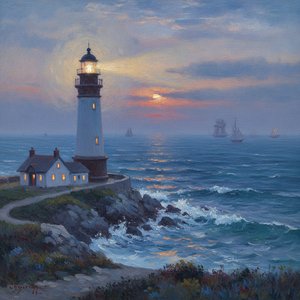
Luminous Beacons: Capturing the Ethereal Soul of Lighthouses in Impressionist Masterpieces
Step into a world of luminous sea spray and golden beams. Explore our exquisite collection of hand-painted Impressionist lighthouse reproductions. At TopImpressionists.com, we capture the ethereal soul of maritime masters through museum-quality oil paintings for the true art lover.

Capturing the Soul: The Most Emotionally Moving Impressionist and Post-Impressionist Masterpieces
Discover the profound emotional depth of Impressionist and Post-Impressionist masterpieces. Explore how legends like Monet, Van Gogh, and Gauguin captured light and soul through evocative landscapes and vibrant brushwork for a timeless connection to art history.
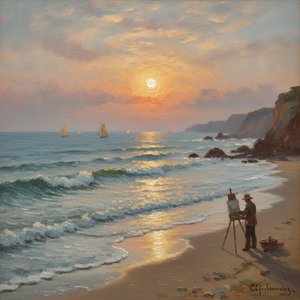
Whispers of the Waves: Discovering the Luminous Beauty and Timeless Light of Impressionist Coastal Art
Experience the breathtaking luminosity of Impressionist coastal art. From Monet’s shores to Sorolla’s sun-drenched waves, discover our exquisite hand-painted oil reproductions and bespoke commissions. Bring the timeless beauty of maritime masters into your home with TopImpressionists.com.