

 Podgląd w skali 1:1
 Wyślij jako kartkę
 Udostępnij
 Szczegóły dzieła
 Przewodnik

 Pobierz obraz
 Podobne obiekty
 RTG
RTG Pokaz slajdów
 Pytania i odpowiedzi
 Statystyki
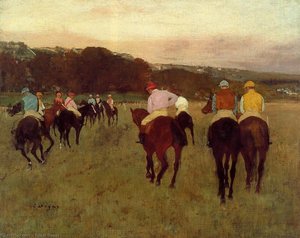
Racehorses


Experience Edgar Degas's masterful Racehorses – an iconic Impressionist painting capturing movement and elegance with vibrant colors and meticulous detail. Explore its history & significance at TopImpressionists.
 Rozwiń treść
Edgar Degas – rewolucyjny malarz francuski znany z fascynujących baletnic, paryskich scen i innowacyjnych technik – prawdziwy mistrz sztuki nowoczesnej.
Giclée / Wydruk artystyczny
Wydruki giclée lub płótna o jakości muzealnej, szybka realizacja i szeroki wybór opcji wykończenia. ( Zamów ręcznie malowaną reprodukcję Przejdź do wersji cyfrowej)




P118B zł10

P118H zł10

P118W zł10

P438Z zł10

P508JH zł12

P508YH zł12

P805H zł10

P805Z zł10

P919BZ zł10

P919G zł10

P919XJ zł10

P959ZH zł10

P968JZ zł12

W106C zł8

W218G zł10

W218JH zł8

W218Y zł10

W307PJ zł10

W316G zł10

W316PJ zł8

W316Y zł10

W398PJ zł8

W4111J zł10

W500HY zł15

W500JH zł15

W692G zł12

W849H zł8

W940BG zł15

W953PJ zł8




Standardowy format
personalizowane
CM
INCH
Wybierz spośród naszych standardowych rozmiarów, które zachowują oryginalne proporcje dzieła sztuki.
Loading sizes...

szerokość
wysokość
Wpisz wymaganą szerokość i wysokość, aby dopasować grafikę do ramy lub ściany. Wydruk można jedynie przyciąć, nigdy nie powiększając go poza oryginalny obraz, dlatego format o innych proporcjach spowoduje utratę części kompozycji. Przed rozpoczęciem druku prześlemy Ci cyfrowy podgląd do zatwierdzenia. Obraz wyświetlany na tej stronie nie pokazuje rzeczywistego przycięcia — jedynie podgląd oddaje ten efekt.
Dostawa na cały świat () w ciągu 2 tygodni zamiast standardowych 4/5 tygodni. (4 Listopad)

Bezpłatna ekspresowa wysyłka na cały świat

Wysokiej jakości płótno lniane

Pełne ubezpieczenie przesyłki

Gwarancja zwrotu należności celnych i podatków importowych

Gwarancja wiernego odwzorowania kolorów

100-dniowa polityka zwrotów (tylko w przypadku wad)

Gwarancja 100% zwrotu pieniędzy

Zniżka przy zakupie wielu sztuk
 Opcja ze szkłem jest dostępna wyłącznie w rozmiarach poniżej 110 cm

Racehorses
Giclée / Wydruk artystyczny
Wymiary reprodukcji
-


Cena całkowita
zł 272
The Pulse of the Turf: Degas’s Mastery of Motion
In the heart of 1884, Edgar Degas captured a moment that transcends the mere spectacle of sport, offering instead a profound meditation on vitality and the fleeting nature of time. “Racehorses” is not simply a depiction of a sporting event; it is a rhythmic symphony of muscle, speed, and light. As the jockeys surge across the verdant expanse of the countryside, the viewer is pulled into a world where the boundaries between man and beast blur under the shared intensity of the race. Degas, a master of observing the unscripted moments of modern life, utilizes the landscape not just as a backdrop, but as a stage for an epic display of kinetic energy. The presence of two birds soaring serenely above the fray provides a poignant contrast, a touch of celestial stillness that emphasizes the earthbound thunder of the galloping hooves.
To gaze upon this work is to experience the very essence of Impressionism through a lens of rigorous realism. While many of his contemporaries sought to dissolve form into light, Degas maintained a steadfast devotion to anatomical precision. In “Racehorses,” one can trace the deliberate tension in the horses' limbs and the focused posture of the riders, a testament to his deep study of movement. His technique involves a sophisticated use of broken brushstrokes, applying thin, luminous layers of oil paint that allow light to dance across the textured surfaces of the horses' coats and the lush, grassy terrain. This method creates a palpable sense of depth, guiding the eye from the immediate foreground through a middleground of action into a soft, atmospheric distance.
A Fusion of Traditions and Modernity
The brilliance of this piece lies in its unexpected synthesis of diverse artistic influences. Degas was deeply moved by the Ukiyo-e woodblock prints of Japan, which championed bold outlines and unconventional perspectives. In “Racehorses,” we see the echoes of this Eastern aesthetic in the way he manipulates space and composition, creating a sense of immediacy that feels almost photographic. Yet, beneath this modern arrangement lies a foundation of classical training. His ability to render the subtle shifts in shadow and the rich, earthy palette of the landscape speaks to a lifetime spent studying the masters of the Louvre. This duality—the tension between the structured and the spontaneous—is what gives the painting its enduring emotional resonance.
For the discerning collector or interior designer, “Racehorses” offers more than just aesthetic beauty; it brings an atmosphere of adventure and unbridled freedom into a space. The painting serves as a window into a bygone era of elegance and excitement, making it a commanding centerpiece for any curated collection. Whether placed in a sunlit gallery or a sophisticated study, the work’s vibrant energy and masterful execution invite continuous contemplation. It is an invitation to pause and witness the breathtaking beauty of life caught in mid-motion, a timeless tribute to the spirit of the race.
Pytania i odpowiedzi
Co to za dzieło: "Racehorses"?
W katalogu dzieło „Racehorses” – Hilaire-Germain-Edgar Degas zostało sklasyfikowane jako WallArt. Kategoria ta ułatwia odnajdywanie podobnych prac.
Jaki nastrój oddaje styl Impressionistic Movement w dziele „Racehorses”?
Calm emocja dzieła „Racehorses” współgra z jego stylem Impressionistic Movement.
W jaki sposób kolory dzieła „Racehorses” – Hilaire-Germain-Edgar Degas korespondują z jego ładunkiem emocjonalnym?
Paleta Dark dzieła „Racehorses” – Hilaire-Germain-Edgar Degas współgra z jego Calm wydźwiękiem emocjonalnym. Kolor jest jednym ze sposobów, w jakie praca przekazuje emocje.
Podobne dzieła




Biografia artysty
A Life Immersed in Movement
Edgar Degas, właśc. Hilaire-Germain-Edgar de Gas, urodził się w Paryżu w 1834 roku, a zmarł w 1917 roku również w Paryżu. Był artystą o fascynujących sprzecznościach – często grupowany z impresjonistami, takimi jak Monet, Renoir i inni, którzy zrewolucjonizowali malarstwo w drugiej połowie XIX wieku – aktywnie jednak odrzucał tę etykietę, identyfikując się raczej jako realistę. Ta zaangażowanie wynikało z jego dokładnego obserwowania otaczającego go świata oraz oddania w wiernym odwzorowywaniu go bez zbędnych upiększeń. Wczesne życie Degasa było komfortowe i mieszczańskie; jego ojciec był bankierem, a matka pochodziła z rodziny kreolskiej z Nowego Orleanu. Ten pochodzenie zapewniło mu dostęp do edukacji i szkolenia artystycznego, choć często naruszał akademicki schemat. Początkowo zapisał się na Lycée Louis-le-Grand, ale prawdziwa jego edukacja rozpoczęła się, gdy zaczął kopiować dzieła w Luwrze, doskonaląc swoje umiejętności i rozpalając pasję do sztuki klasycznej. Jednak ścieżka Degasa nie była liniowa – charakteryzowała się stałą kwestionowaniem i reevaluacją norm artystycznych. Posiadał niezależny duch, który zdefiniował całe jego życie twórcze.Beyond Impressionism: A Unique Artistic Vision
Mimo że współcześni mu artyści, tacy jak Monet, poszukiwali ulotnych efektów światła na zewnątrz, Degas w dużej mierze pracował w ograniczeniach swojego warsztatu, starannie konstruując sceny na podstawie obserwacji i pamięci. Jego tematyka była zdecydowanie nowoczesna – odchodząc od historycznych lub mitologicznych tematów, które preferowali wielu malarzy akademickich. Znajdował inspirację w codziennym życiu paryżan: pralki, piosenkarki kabaretowe, krawczyne i, najbardziej znany, tancerki baletniczki. To fascynacja baletem definiuje dużą część jego twórczości. Degas nie malował jedynie pięknych balerinian; uwieczniał okrutną rzeczywistość ich zawodu – nieustanne próby, fizyczne zmęczenie, ulotne chwile wdzięku w świecie ciężkiej pracy. Jego kompozycje są często nietypowe, ustawiając postacie w nieoczekiwanych sposób i wykorzystując asymetryczne ułożenie elementów. Był mistrzem uchwycenia ruchu, nie poprzez rozmyte linie czy mgliste efekty, ale dzięki dokładnej obserwacji i starannemu odwzorowaniu formy. *Dancer, A Group of Dancers* i *Women Combing Their Hair* są doskonałym przykładem jego oddania w wiernym przedstawianiu ludzkiego ciała w ruchu oraz ujawnianiu złożoności współczesnego życia. Nie interesował go powierzchowny piękno; dążył do ukazania prawdy pod powierzchnią.Influences and Artistic Development
Ścieżka artystyczna Degasa była ukształtowana przez różnorodne wpływy. Jego wczesne szkolenie koncentrowało się na zasadach klasycznych, szczególnie na twórczości Jeana-Auguste-Dominique Ingresa, którego nacisk na rysunek i precyzję formy pozostawił trwały ślad. Jednak Degas podziwiał również realistów, takich jak Gustave Courbet, którzy kwestionowali akademickie konwenanse i promując przedstawianie współczesnego życia. Kluczowym momentem w jego rozwoju było jego związek z Camille Pissarro, liderem impresjonistów, który wprowadził go do innych artystów i zachęcił do eksperymentowania z nowymi technikami. Był oczarowany japońskimi drukami – Ukiyo-e – które wpłynęły na jego użycie asymetrycznych kompozycji, spłaszczonych perspektyw i odważnych wzorów. Eksperymentował również z fotografią, rozpoznając jej potencjał jako narzędzia do badania ruchu i uchwytywania ulotnych chwil w czasie. Ta gotowość do łączenia różnorodnych wpływów w swojej twórczości sprawia, że Degas wyróżnia się spośród innych i przyczynia się do unikalnego charakteru jego dzieł. Nie bał się czerpać inspirację z różnych źródeł, syntetyzując je w coś zupełnie nowego.Legacy and Lasting Impact
Edgar Degas zmarł w Paryżu w 1917 roku, pozostawiając po sobie twórczość, która nadal fascynuje i inspiruje odbiorców na całym świecie. Jego innowacyjny sposób kompozycji, mistrzowski rysunek i bezkompromisowe przedstawianie współczesnego życia miały głęboki wpływ na bieg historii sztuki. Otworzył drogę dla przyszłych pokoleń artystów, którzy poszukiwali wolności od tradycyjnych konwenansów i chcieliśćw nowej sposób reprezentować otaczający ich świat. Jego wpływ można dostrzec w twórczości Pabla Picassa i Henriego Matisa, wśród innych. Muzea na całym świecie – w tym Musée d'Orsay i Musée de l’Orangerie w Paryżu – przechowują znaczące zbiory jego obrazów, pasteli, rzeźb i rysunków, zapewniając, że jego dziedzictwo przetrwa dla kolejnych pokoleń. Degas nie był jedynie malarzem balerinian lub koni; był uważnym obserwatorem natury ludzkiej, mistrzem formy i ruchu oraz prawdziwym innowatorem, który zrewolucjonizował możliwości sztuki.
Hilaire-Germain-Edgar Degas
1834 - 1917 , Francja
Krótka nota
- Artistic Movement Or Style: Impressionizm, Realizm
- Artists Or Movements Influenced By This Artist:
- Picasso
- Matisse
- Artists Who Influenced This Artist:
- Ingres
- Courbet
- Pissarro
- Date Of Birth: 1834
- Date Of Death: 1917
- Full Name: Hilaire-Germain-Edgar De Gas
- Nationality: Francuz
- Notable Artworks:
- Dancer and Tambourine
- The Ballet Class
- Degas w zielonym płaszczu
- Zgrupowanie balerinek
- Kobiety czeszące włosy
- Place Of Birth: Paryż, Francja
Powiązane artykuły

The Noble Steed on Canvas: A Historical & Artistic Exploration of Horse Painting Across Cultures
Explore the rich history of horse painting! Discover masterpieces from Stubbs to Munnings & learn about symbolism, techniques & artists. Find museum-quality reproductions at TopImpressionists.

Impressionizm w Obrazach: 10 Arcydzieł Pełnych Światła i Koloru | TopImpressionists
Odkryj 10 arcydzieł impresjonizmu! Poznaj historie Claude Moneta, Degasa i Van Gogha. Reprodukcje obrazów najwyższej jakości – pejzaże pełne światła i koloru do Twojego wnętrza. TopImpressionists.

Top 10 arcydzieł impresjonizmu, które zmieniły sztukę | TopImpressionists.com
Odkryj 10 arcydzieł impresjonizmu od Moneta, Renoir'a i Degasa! Poznaj historię tych ikonicznych obrazów, techniki malarskie i inspiracje. Reprodukcje najwyższej jakości na TopImpressionists.com – idealne do Twojego wnętrza. Eksploruj kolekcję online!

Edgar Degas: Capturing Modern Life – A Study of Movement, Observation, and the Parisian Belle Époque
Explore the captivating world of Edgar Degas! Discover his innovative techniques, iconic ballet paintings, and unique portrayal of Parisian life in this insightful art history study.

10 Arcydzieł Impresjonizmu, które Zrewolucjonizowały Świat Sztuki | TopImpressionists
Odkryj 10 arcydzieł impresjonizmu – Monet, Renoir, Degas i inni. Poznaj historie powstania kultowych obrazów, techniki malarskie i paletę barw tego fascynującego ruchu artystycznego. Reprodukcje najwyższej jakości na TopImpressionists.com!
Odkryj dzieła sztuki uporządkowane według tematów, stylów i cech charakterystycznych.


