


 Zobacz w skali 1:1
 Wyślij
 Udostępnij
 Szczegóły
 Przewodnik

 Pobierz plik obrazu
 Podobne obiekty
 RTG
RTG Pokaz slajdów
 Statystyki
Back Garden
 Impressionism
 40.0 x 50.0 cm
Discover "Back Garden" by hilda wardlow woledge – an evocative impressionist oil painting of a rural cottage & garden. Explore its muted tones, textured brushwork & serene beauty. Perfect for art lovers!
Explore the evocative landscapes & still lifes of Hilda Wardlow-Wodledge. Known for her Yorkshire scenes & detailed observations, capturing light & texture in a unique style.
 Czytaj więcej
Dzieło sztuki prezentowane na tej stronie podlega ochronie prawem autorskim, co oznacza, że nie mamy prawa do tworzenia ani sprzedaży jego identycznej reprodukcji. Ochrona ta jest egzekwowana na mocy umów międzynarodowych, takich jak Konwencja berneńska oraz przez przepisy prawa krajowego, w tym te określone w Prawo autorskie USA – Tytuł 17.
Jako pełną szacunku i legalną alternatywę oferujemy personalizowane, malowane ręcznie dzieła sztuki inspirowane oryginałem. Nasi wykwalifikowani i profesjonalni artyści starannie analizują styl, nastrój oraz artystyczną esencję pierwowzoru, aby stworzyć nowe, unikalne dzieło, które przywołuje te same emocje – pozostając jednocześnie w pełni oryginalną kreacją.
Metoda ta jest w pełni zgodna z przepisami prawa autorskiego, ponieważ nie polega na kopiowaniu ani powielaniu chronionego dzieła. Stanowi ona kreatywną reinterpretację – nowy obraz, który czerpie inspirację z oryginału, ale nie jest z nim tożsamy.
Ręcznie malowana reprodukcja olejowa
Ręcznie malowany obraz olejny na płótnie, wykonany na zamówienie przez naszych artystów w wybranym przez Ciebie wymiarze i oprawie. ( Przełącz na wersję drukowaną Przełącz na wersję cyfrową)




































Standardowy
na zamówienie
CM
INCH
Wybierz spośród naszych standardowych rozmiarów, które zachowują oryginalne proporcje dzieła sztuki.
Loading sizes...

szerokość
wysokość
Wpisz wymaganą szerokość i wysokość, aby obraz pasował do Twojej ramy lub ściany. Ponieważ jest to dzieło malowane ręcznie, w przypadku rozmiaru o innym proporcji artysta może domalować nieco więcej wokół obrazu lub przyciąć fragmenty — wybór należy do Ciebie. Przed rozpoczęciem pracy prześlemy Ci cyfrową wizualizację do zatwierdzenia. Obraz widoczny na tej stronie nie przedstawia rzeczywistego efektu — jedynie wizualizacja oddaje realny rezultat.
Przykłady możliwych zmian: Zamień twarz na zdjęcie klienta; Dodaj zwierzę domowe (np. zamień kota na psa); Ukryj wiadomość w tle; Zmień krajobraz lub elementy tła.
Po złożeniu zamówienia zespół TopImpressionists.com skontaktuje się z klientem drogą mailową w celu uzyskania instrukcji i prześle wizualizację projektu
Po złożeniu zamówienia zespół TopImpressionists.com skontaktuje się z klientem drogą mailową w celu uzyskania instrukcji i prześle wizualizację projektu
Dostawa na całym świecie () w ciągu 3–4 tygodni zamiast standardowych 5 tygodni. (22 Październik). Bez kompromisów w kwestii jakości.

Bezpłatna ekspresowa wysyłka na cały świat

Wysokiej jakości płótno lniane

Pełne ubezpieczenie transportowe

Gwarancja zwrotu należności celnych i podatków importowych

Gwarancja idealnego odwzorowania barw

100-dniowy okres na zwrot dzieła w przypadku wykrycia wad produkcyjnych

Gwarancja 100% zwrotu pieniędzy

Oferta przy zakupie wielu sztuk
 Opcja ze szkłem jest dostępna wyłącznie w rozmiarach poniżej 110 cm

Back Garden
Technika wykonania
Rozmiar reprodukcji
-


Suma do zapłaty
zł 1033
Podobne dzieła


Biografia artysty
Hilda Wardlow-Wodledge: A Yorkshire Visionary
Hilda Wardlow-Wodledge (1892–1985) remains a quietly significant figure in British art, particularly within the realm of landscape painting. Often overlooked amidst the more celebrated names of her era, her work possesses a unique charm and observational acuity that reveals a deep connection to the Yorkshire countryside – a region she consistently depicted with remarkable detail and a subtle, almost melancholic beauty. Born Hilda Wardlow in 1892 in Leeds, West Yorkshire, her artistic journey began modestly, influenced initially by the local art school and a growing appreciation for the Impressionist movement.
Early influences included the works of Constable and Turner, artists who demonstrated a masterful ability to capture light and atmosphere. However, Wardlow-Wodledge developed her own distinct style, characterized by meticulous observation and a restrained palette. She wasn’t interested in grand romantic vistas; instead, she focused on intimate scenes – quiet gardens, humble cottages nestled amongst rolling hills, and the subtle shifts of light across fields and streams. Her paintings are imbued with a sense of stillness and contemplation, inviting the viewer to share in her quiet appreciation for the natural world.
The Yorkshire Landscape: A Personal Revelation
Yorkshire became the central subject of Wardlow-Wodledge’s artistic life. She spent much of her adult life residing in and around the region, absorbing its rhythms and textures with an almost reverent eye. Her work is not simply a representation of the landscape; it's a deeply personal response to it – a series of intimate dialogues between herself and the land. She meticulously documented the changing seasons, capturing the golden hues of autumn, the misty greys of winter, and the vibrant greens of spring. The artist’s choice of subjects often reflected her own modest lifestyle, depicting scenes of rural life that resonated with her values.
A pivotal aspect of her work is her attention to detail. Wardlow-Wodledge wasn't content with broad strokes; she painstakingly rendered individual blades of grass, the weathered surfaces of stone walls, and the delicate patterns of wildflowers. This level of precision lends a remarkable sense of realism to her paintings, yet it never feels overly literal. Instead, it serves to heighten our awareness of the beauty and complexity of the natural world.
Technique and Style: A Quiet Intensity
Wardlow-Wodledge’s technique is characterized by a delicate balance between observation and interpretation. She employed a muted color palette – predominantly browns, greens, greys, and ochres – to create a sense of atmospheric depth and tranquility. Her brushwork is generally smooth and understated, avoiding dramatic gestures or bold contrasts. However, within this apparent restraint lies a remarkable intensity of feeling. She utilized layering techniques to build up texture and suggest form, creating surfaces that shimmer with reflected light.
Her later work began to incorporate elements of abstraction, particularly in her depictions of West Burton, Yorkshire. While retaining the fundamental characteristics of her landscape style – the meticulous observation, the muted palette, and the sense of quiet contemplation – these paintings moved towards a more expressive and dynamic approach. The layering of textures and the manipulation of color created a visual richness that was both captivating and unsettling.
Legacy and Recognition
Despite not achieving widespread fame during her lifetime, Hilda Wardlow-Wodledge’s work has gained increasing recognition in recent years. Her paintings are now held in several public collections, including the University of Hull Art Collection, and are exhibited regularly at galleries across the UK. Her unique vision – a quiet, intimate portrayal of the Yorkshire landscape – offers a valuable counterpoint to more overtly dramatic or romantic styles of painting.
Wardlow-Wodledge’s legacy lies not in grand pronouncements or revolutionary innovations, but in her unwavering dedication to observation and her ability to capture the subtle beauty of the everyday world. She reminds us that art can be found in the simplest of things – a patch of wildflowers, a weathered stone wall, or the quiet stillness of a Yorkshire afternoon.

Najważniejsze informacje
- Artistic Movement Or Style: Impressionism, Landscape
- Artists Or Movements Influenced By This Artist: ['Contemporary British']
- Artists Who Influenced This Artist:
- Turner
- Cottage Painters
- Date Of Death: 1985
- Full Name: Hilda Wardlow-Wodledge
- Nationality: British
- Notable Artworks:
- Back Garden
- West Burton, Yorkshire
- Fruit and Flowers
- Place Of Birth: Yorkshire, UK
Zobacz także powiązane artykuły

The Timeless Charm of Oil on Board: Reimagining Texture and Light through the Impressionist Lens
Discover the profound intimacy of oil on panel. Explore how Impressionist masters used rigid supports to capture light, texture, and impasto depth through exquisite, handmade oil reproductions for discerning collectors.
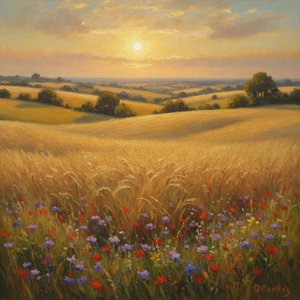
Golden Fields & Sun-Drenched Meadows: Capturing the Soul of Impressionist Landscapes
Immerse yourself in the luminous world of Impressionist landscapes. Discover how masters like Monet and Gauguin captured ephemeral light through plein air painting, and learn to bring the soul of sun-drenched meadows into your home with exquisite, hand-painted oil reproductions.

Beyond the Light: Capturing Raw Emotion and Subjective Vision in Post-Impressionist Landscapes
Explore the profound emotional depth of Post-Impressionist landscapes. Discover how masters like Van Gogh moved beyond light to capture raw human feeling through vibrant color and expressive texture in this expert art history retrospective.

The Beauty of Impermanence: Capturing Decay through Impressionist Eyes
Explore the profound beauty of impermanence through Impressionist and Post-Impressionist eyes. Discover how masters like Monet and Van Gogh captured fleeting light and the poetic essence of nature's transitions in our deep dive into art history and emotional landscapes.

Capturing the Soul: The Most Emotionally Moving Impressionist and Post-Impressionist Masterpieces
Discover the profound emotional depth of Impressionist and Post-Impressionist masterpieces. Explore how legends like Monet, Van Gogh, and Gauguin captured light and soul through evocative landscapes and vibrant brushwork for a timeless connection to art history.