


 Zobacz w skali 1:1
 Wyślij
 Udostępnij
 Szczegóły
 Przewodnik

 Pobierz plik obrazu
 Podobne obiekty
 RTG
RTG Pokaz slajdów
 Statystyki
Spring Breeze
 Oil On Canvas
- WallArt
- Post-Impressionist Painting
 1905
1905- 19th Century
 79.0 x 79.0 cm
Experience 'Spring Breeze' by Igor Grabar, a captivating Post-Impressionist painting of a serene bedroom scene with divisionist technique and a cozy piano. Discover this beautiful artwork and bring its timeless charm into your space.
 Czytaj więcej
Igor Grabar (1871-1960) był pionierem rosyjskiego impresjonizmu i historii sztuki, znanym z obrazów krajobrazowych oraz monumentalnych dzieł Tretyckiego Muzeum. Odkryj jego twórczość!
Dzieło sztuki prezentowane na tej stronie podlega ochronie prawem autorskim, co oznacza, że nie mamy prawa do tworzenia ani sprzedaży jego identycznej reprodukcji. Ochrona ta jest egzekwowana na mocy umów międzynarodowych, takich jak Konwencja berneńska oraz przez przepisy prawa krajowego, w tym te określone w Prawo autorskie USA – Tytuł 17.
Metoda ta jest w pełni zgodna z przepisami prawa autorskiego, ponieważ nie polega na kopiowaniu ani powielaniu chronionego dzieła. Stanowi ona kreatywną reinterpretację – nowy obraz, który czerpie inspirację z oryginału, ale nie jest z nim tożsamy.
Giclée / Wydruk artystyczny
Wydruki giclée lub płótna o jakości muzealnej, szybka realizacja i szeroki wybór opcji wykończenia. ( Kup ręcznie malowany obraz Przełącz na wersję cyfrową)




P118B zł10

P118H zł10

P118W zł10

P438Z zł10

P508JH zł12

P508YH zł12

P805H zł10

P805Z zł10

P919BZ zł10

P919G zł10

P919XJ zł10

P959ZH zł10

P968JZ zł12

W106C zł8

W218G zł10

W218JH zł8

W218Y zł10

W307PJ zł10

W316G zł10

W316PJ zł8

W316Y zł10

W398PJ zł8

W4111J zł10

W500HY zł15

W500JH zł15

W692G zł12

W849H zł8

W940BG zł15

W953PJ zł8




Standardowy
na zamówienie
CM
INCH
Wybierz spośród naszych standardowych rozmiarów, które zachowują oryginalne proporcje dzieła sztuki.
Loading sizes...

szerokość
wysokość
Wpisz wymaganą szerokość i wysokość, aby dopasować grafikę do ramy lub ściany. Wydruk można jedynie przyciąć, nigdy nie powiększając go poza oryginalny obraz, dlatego format o innym proporcji spowoduje utratę części kompozycji. Przed rozpoczęciem druku prześlemy Ci cyfrowy podgląd do zatwierdzenia. Obraz wyświetlany na tej stronie nie pokazuje rzeczywistego przycięcia — jedynie podgląd oddaje ten efekt.
Dostawa na cały świat () w ciągu 2 tygodni zamiast standardowych 4/5 tygodni. (21 Październik)

Bezpłatna ekspresowa wysyłka na cały świat

Wysokiej jakości płótno lniane

Pełne ubezpieczenie transportowe

Gwarancja zwrotu należności celnych i podatków importowych

Gwarancja idealnego odwzorowania barw

100-dniowy okres na zwrot dzieła w przypadku wykrycia wad produkcyjnych

Gwarancja 100% zwrotu pieniędzy

Oferta przy zakupie wielu sztuk
 Opcja ze szkłem jest dostępna wyłącznie w rozmiarach poniżej 110 cm

Spring Breeze
Giclée / Wydruk artystyczny
Rozmiar reprodukcji
-


Suma do zapłaty
zł 262
Igor Emmanuilovich Grabar’s ‘Spring Breeze’: A Window into Post-Impressionist Serenity
“Spring Breeze,” painted in 1905 by the Russian Post-Impressionist artist Igor Emmanuilovich Grabar, is more than just a depiction of a bedroom; it's an immersive experience of light, color, and quiet contemplation. Created during a pivotal period in Grabar’s career – his peak artistic output between 1903 and 1907 – the painting exemplifies his distinctive approach to divisionist technique, a method that sought to capture fleeting moments through meticulously placed dots of pure color, creating an almost shimmering effect. Measuring 79 x 79 cm on canvas, this intimate scene invites viewers into a world of warmth and tranquility, reflecting Grabar’s profound interest in capturing the subtle nuances of domestic life.
A Symphony of Color and Light – The Divisionist Technique
Grabar's mastery lies in his skillful deployment of the divisionist technique. Rather than blending colors on the canvas, he applied small, distinct brushstrokes—often described as bordering on pointillism—to build up the image. This approach isn’t simply a stylistic choice; it’s a deliberate attempt to mimic the way light itself is perceived – fragmented and shimmering. Observe how the sunlight streaming through the two windows is rendered not with smooth gradations, but with a mosaic of yellows, oranges, and whites, creating an ethereal glow that bathes the room in warmth. The careful arrangement of these color fragments generates a remarkable sense of depth and texture, drawing the eye across the canvas.
Historical Context: Post-Impressionism and the Russian Avant-Garde
‘Spring Breeze’ emerged from the broader context of Post-Impressionism, a movement that arose as a reaction against the Impressionists' focus on objective observation of light. While Impressionists sought to capture fleeting moments, Post-Impressionists aimed for something more – a deeper emotional and symbolic resonance within their work. Grabar, influenced by artists like Ilya Repin and Anton Azbe, pushed this movement further with his unique divisionist style. His work aligns with the broader Russian avant-garde of the early 20th century, exploring themes of domesticity and spirituality through a highly personal artistic lens.
Symbolism Within the Still Life – A Room of Quiet Reflection
Beyond its technical brilliance, ‘Spring Breeze’ is rich in subtle symbolism. The piano, positioned prominently in the corner, suggests both musical contemplation and perhaps a yearning for creative expression. The carefully arranged vases, each placed with intention, contribute to the overall sense of order and serenity. The potted plant adds a touch of nature, connecting the interior space with the outside world. The composition as a whole evokes a feeling of peaceful solitude – a sanctuary from the bustle of daily life. It’s a scene designed not just to be observed, but to be felt.
Technical Specifications
- Title: Spring Breeze
- Artist: Igor Emmanuilovich Grabar
- Date: 1905
- Medium: Oil on Canvas
- Size: 79 x 79 cm
This exceptional reproduction captures the essence of Grabar’s ‘Spring Breeze,’ offering a stunning addition to any art collection or interior design scheme. Its evocative beauty and masterful technique make it a timeless piece, reflecting the enduring appeal of Post-Impressionist artistry.
Pytania i odpowiedzi
Jaka jest kolorystyka dzieła „Spring Breeze” autorstwa Igor Emmanuilovich Grabar?
Kolorystyka dzieła „Spring Breeze” autorstwa Igor Emmanuilovich Grabar: paleta Earthy, w której dominuje Driftwood (#d2aa65).
Czy "Spring Breeze" to dobry pomysł na prezent?
„Spring Breeze” jest sugerowany jako prezent dla Anniversary.
Jak harmonijna jest kolorystyka dzieła „Spring Breeze” autorstwa Igor Emmanuilovich Grabar?
Kolory dzieła „Spring Breeze” autorstwa Igor Emmanuilovich Grabar wykazują Strong Color Unity harmonię. Harmonia opisuje wzajemne relacje między kolorami.
Podobne dzieła


Biografia artysty
Early Life and Education
Igor Emmanuilovich Grabar (1871 – 1960) was a Russian Post-Impressionist painter, publisher, restorer and historian of art. Grabar, descendant of a wealthy Rusyn family, was trained as a painter by Ilya Repin in Saint Petersburg and by Anton Àžbe in Munich. He reached his peak in painting between 1903–1907 and was notable for a peculiar divisionist painting technique bordering on pointillism and his rendition of snow. His parents, Emanuil Hrabar and Olga Dobryansky, were deeply rooted in the Slavic liberation movement and faced persecution from the Austro-Hungarian government. Emanuil Hrabar, an ethnic Rusyn lawyer and politician, maintained ties with the Russian embassy, fostering a strong connection to Russian culture from his childhood. Igor’s early education took place in Yegoryevsk, where he attended high school, sparking his fascination with drawing after encountering magazine publications following the assassination of Tsar Alexander II. He continued his studies at Mikhail Katkov's boarding school in Moscow, establishing connections with students from the Moscow School of Painting, Sculpture and Architecture.Artistic Career and Notable Works
Grabar’s artistic journey began under Ilya Repin’s tutelage in Saint Petersburg and Anton Àžbe’s guidance in Munich, shaping his distinctive style. He achieved considerable success between 1903 and 1907, characterized by divisionist technique—a method that closely resembled pointillism—and a masterful depiction of snowy landscapes. Among his most celebrated paintings are:- Landscape with a Haystack: This artwork exemplifies Grabar’s skill in capturing the beauty of nature through meticulous observation and vibrant color palettes.
- The Embroideress: A quintessential example of realist painting prevalent in Russia during the late nineteenth century, it portrays a woman engaged in embroidery with remarkable detail and sensitivity.
- Going to Work: This evocative scene captures the daily life of ordinary Russians, reflecting Grabar’s humanist perspective and his commitment to portraying authentic human experience.
Museum and Art Restoration
In 1913, Igor Grabar was appointed executive director of the Tretyakov Gallery in Moscow—a pivotal moment that propelled him into a leadership role within the burgeoning Soviet art establishment. Recognizing the importance of diversifying the gallery’s collection, he championed the inclusion of modern art movements, marking a significant step forward in Russian artistic discourse. His groundbreaking contribution to art history was solidified by the publication of its inaugural catalogue in 1917, establishing it as a cornerstone resource for scholars and enthusiasts alike. Furthermore, Grabar served as professor of Art Restoration at Moscow State University (1921), shaping the future generation of art conservators and furthering his dedication to preserving cultural heritage. Notable Museums Featuring Grabar’s Work:- Novokuznetsk Art Museum, Russia – Housing an impressive collection of Russian and European artworks
- Tretyakov Gallery, Moscow – A world-renowned museum with an extensive collection of Russian fine art
- Museo Kharkov Museum of Art (Ukraine) – Featuring a vast collection of opere d’arte from the 14th century.
Legacy and Later Life
Grabar remained at the helm of the Soviet art establishment until his passing in 1960, overseeing transformative initiatives aimed at reshaping Russia's artistic landscape. He spearheaded efforts to redistribute confiscated church art treasures—a testament to his unwavering conviction in safeguarding cultural heritage amidst ideological shifts. Notably, he advised Joseph Stalin on preserving architectural monuments during World War II, demonstrating his influence on shaping Soviet policy and culture. His enduring legacy continues to inspire artists and scholars worldwide.
Igor Emmanuilovich Grabar
1871 - 1960 , Węgry
Najważniejsze informacje
- Artistic Movement Or Style: Post-Impressionism
- Artists Who Influenced This Artist:
- Ilya Repin
- Anton Àžbe
- Date Of Birth: March 25, 1871
- Date Of Death: May 16, 1960
- Full Name: Igor Emmanuilovich Grabar
- Nationality: Russian
- Notable Artworks:
- Landscape with a haystack
- The Embroideress
- Going to work
- Place Of Birth: Budapest, Hungary
Zobacz także powiązane artykuły

The Soul of Impressionism: Why Oil on Canvas Captures Eternal Light and Timeless Emotion
Discover the enchanting alchemy of Impressionism. Explore how the mastery of oil on canvas, through glazing and impasto, captures eternal light and emotion. Perfect for lovers of Monet and Van Gogh seeking the profound depth of hand-painted fine art.

The Timeless Beauty of Oil on Panel: Capturing Light and Texture through the Impressionist Lens
Discover the exquisite depth of oil on panel. Explore how Impressionist masters captured light and texture through tactile brushwork, and learn how to bring these museum-quality, hand-painted masterpieces into your home with expert curation.

The Magic of Lithography: Capturing Light and Texture in Every Impressionist Print
Discover the enchanting world of lithography through an Impressionist lens. Explore how this timeless technique captures the luminous light and delicate textures of masters like Monet and Renoir, offering a profound way to bring art history into your home with elegance and soul.
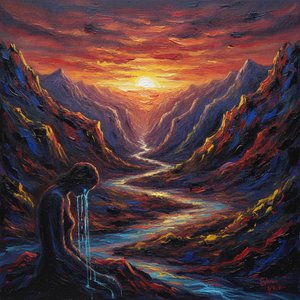
Capturing Emotion: A Journey Through the Soul of Expressionist Landscapes
Explore the profound emotional depth of Expressionist landscapes. Discover how Post-Impressionist masters moved beyond light to capture the soul through vibrant color and form. A curated journey for true art lovers seeking the beauty of expressive mastery.

Beyond the Light: Discovering the Soul and Emotional Depth of Post-Impressionism
Embark on a cultural journey through Post-Impressionism. Discover the profound emotional depth of masters like Van Gogh and Cézanne, exploring how they moved beyond light to capture the very soul of human experience through vibrant color and symbolic form.