Podgląd w skali 1:1
 Wyślij jako kartkę
 Udostępnij
 Szczegóły dzieła
 Przewodnik

 Pobierz obraz
 Podobne obiekty
 RTG
RTG Pokaz slajdów
 Pytania i odpowiedzi
 Statystyki
Probatica Piscina

- 533.0 x 529.0 cm


Meta Description: Monumental obraz Tintoretta przedstawiający scenę z Biblii – zmartwychwstanie Łazarza. Dramatyczne światło i złożona kompozycja włoskiego mistrza Baroku zachwycą każdego miłośnika sztuki!
 Rozwiń treść
Jacopo Tintoretto – włoski mistrz renesansu i baroku z Wenecji, słynący z dramatycznych kompozycji, ekspresywnej techniki oraz pionierskiego wykorzystania światła. Odkryj jego ikoniczne dzieła!
Giclée / Wydruk artystyczny
Wydruki giclée lub płótna o jakości muzealnej, szybka realizacja i szeroki wybór opcji wykończenia. ( Zamów ręcznie malowaną reprodukcję Przejdź do wersji cyfrowej)




P118B zł10

P118H zł10

P118W zł10

P438Z zł10

P508JH zł12

P508YH zł12

P805H zł10

P805Z zł10

P919BZ zł10

P919G zł10

P919XJ zł10

P959ZH zł10

P968JZ zł12

W106C zł8

W218G zł10

W218JH zł8

W218Y zł10

W307PJ zł10

W316G zł10

W316PJ zł8

W316Y zł10

W398PJ zł8

W4111J zł10

W500HY zł15

W500JH zł15

W692G zł12

W849H zł8

W940BG zł15

W953PJ zł8




Standardowy format
personalizowane
CM
INCH
Wybierz spośród naszych standardowych rozmiarów, które zachowują oryginalne proporcje dzieła sztuki.
Loading sizes...

szerokość
wysokość
Wpisz wymaganą szerokość i wysokość, aby dopasować grafikę do ramy lub ściany. Wydruk można jedynie przyciąć, nigdy nie powiększając go poza oryginalny obraz, dlatego format o innych proporcjach spowoduje utratę części kompozycji. Przed rozpoczęciem druku prześlemy Ci cyfrowy podgląd do zatwierdzenia. Obraz wyświetlany na tej stronie nie pokazuje rzeczywistego przycięcia — jedynie podgląd oddaje ten efekt.
Dostawa na cały świat () w ciągu 2 tygodni zamiast standardowych 4/5 tygodni. (9 Listopad)

Bezpłatna ekspresowa wysyłka na cały świat

Wysokiej jakości płótno lniane

Pełne ubezpieczenie przesyłki

Gwarancja zwrotu należności celnych i podatków importowych

Gwarancja wiernego odwzorowania kolorów

100-dniowa polityka zwrotów (tylko w przypadku wad)

Gwarancja 100% zwrotu pieniędzy

Zniżka przy zakupie wielu sztuk
 Opcja ze szkłem jest dostępna wyłącznie w rozmiarach poniżej 110 cm

Probatica Piscina
Giclée / Wydruk artystyczny
Wymiary reprodukcji
-


Cena całkowita
zł 274
Tematyka i Kompozycja
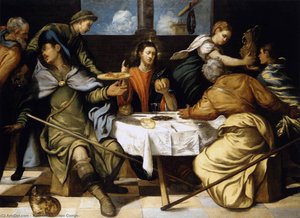
Zanurz się w urzekającej biblijnej lub mitologicznej scenie, oddanej z niezwykłą szczegółowością i emocjonalną intensywnością. Kompozycja jest gęsto wypełniona postaciami, które zostały rozmieszczone w sposób wielowarstwowy i teatralny, co tworzy wrażenie ruchu oraz narracyjnej głębi. Klasyczne elementy architektoniczne oraz bujna roślinność obramowują tę scenę, wciągając widza w moment boskiej interwencji, ludzkiego cierpienia lub duchowego objawienia. Ekspresyjne gesty postaci oraz świetliste nimbary przywołują głębokie poczucie duchowości i dramatyzmu, zapraszając odbiorcę do zgłębienia historii kryjącej się za tym obrazem.Styl Artystyczny i Technika
To arcydzieło stanowi doskonały przykład dynamicznych i dramatycznych cech epoki baroku. Artysta wykorzystuje mistrzowskie chiaroscuro – odważne kontrasty światła i cienia – aby wzmocnić trójwymiarowość postaci oraz podnieść siłę emocjonalnego przekazu. Skrupulatne oddanie tekstur, od miękkich tonów skóry po płynące linie tkanin i surowość kamiennej architektury, świadczy o wyjątkowych umiejętnościach technicznych. Dzieło, prawdopodobnie namalowane farbami olejnymi na dużym płótnie, charakteryzuje się szerokimi pociągnięciami pędzla oraz drobnymi detalami, które przekazują zarówno dynamikę ruchu, jak i intymność, co jest znakiem rozpoznawczym pełnego energii stylu Tintoretta.Kontekst Historyczny i Znaczenie Artystyczne
Namalowane w 1559 roku, u szczytu renesansu weneckiego, dzieło to odzwierciedla fascynację tamtego okresu dramatyczną narracją oraz tematami duchowymi. Tintoretto, znany jako „Il Furioso”, słynął z szybkiego prowadzenia pędzla i śmiałych kompozycji, które przełamywały tradycyjną renesansową harmonię na rzecz emocjonalnej bezpośredniości i teatralności. Jego innowacyjne podejście do perspektywy i oświetlenia pozwalało tworzyć immersyjne sceny, które zdają się niemal wybijać z płótna, co wywarło wpływ na kolejne pokolenia artystów i wyniosło malarstwo narracji religijnej na nowe poziomy ekspresji.Symbolika i Oddziaływanie Emocjonalne
Każdy element tego obrazu jest przesycony symbolicznym znaczeniem. Świetliste nimbary podkreślają postacie boskie, akcentując ich duchową autorytet. Wielowarstwowość postaci oraz intensywne gesty wywołują głęboką, instynktowną reakcję emocjonalną, chwytając w kadr ludzkie cierpienie, boską potęgę i duchowe przebudzenie. Bogata, ciepła paleta barw – głębokie czerwienie, brązy i odcienie cieliste – dodatkowo wzmacnia ciepło i bezpośredniość malarstwa, czyniąc z niego potężny punkt centralny, który skłania do refleksji i budzi zachwyt.Idealne do Kolekcji i Projektowania Wnętrz
To monumentalne dzieło stanowi oszałamiający dodatek do każdej kolekcji sztuki, oferując wgląd w przepych weneckiego renesansu oraz emocjonalną głębię barokowej opowieści. Jego imponujący rozmiar i dramatyczna kompozycja sprawiają, że jest to idealny punkt centralny dla wyrafinowanych wnętrz, galerii czy przestrzeni publicznych. Wysokiej jakości reprodukcja pozwala miłośnikom sztuki, kolekcjonerom oraz projektantom wnętrz wprowadzić ponadczasowe piękno i duchowy rezonans do swoich otoczeń, budząc podziw i uznanie przez nadchodzące pokolenia.Pytania i odpowiedzi
Do czego zaleca się wykorzystanie wydruku "Probatica Piscina"?
Sugerowanym zastosowaniem dla „Probatica Piscina” – Jacopo Tintoretto jest Punkt centralny, choć może on służyć również do innych celów.
Jakie wnętrze najlepiej współgra z kolorystyką „Probatica Piscina” – Jacopo Tintoretto?
Biorąc pod uwagę jego Barwy ziemi kolorystykę, dzieło "Probatica Piscina" idealnie pasuje do Lobby hotelowe.
Kiedy i z jakich materiałów wykonano "Probatica Piscina"?
"Probatica Piscina" powstało w 1559 roku przy użyciu Obraz olejny na płótnie.
Biografia artysty
A Venetian Master of Drama and Light
Jacopo Tintoretto, born Jacopo Robusti in Venice around 1518, remains one of the most compelling and enigmatic figures of the High Renaissance and early Baroque periods. His very nickname, “Tintoretto” – little dyer – speaks to his family’s trade, yet it belies the immense artistry that would distinguish him from all others. Unlike many artists who benefited from structured apprenticeships, Tintoretto's path was largely self-directed, fueled by an insatiable curiosity and a relentless drive for innovation. While accounts suggest a brief and unsuccessful stint under Titian, the acknowledged master of Venetian colorism, it seems the experience proved more contentious than formative. Titian’s alleged dismissal of the young Jacopo – whether due to jealousy or artistic disagreement – spurred Tintoretto toward an independent course, one characterized by audacious experimentation and a uniquely dynamic style. He immersed himself in anatomical study, reportedly through dissection, and honed his skills by meticulously copying classical sculpture and the works of other masters. This dedication laid the foundation for a career that would redefine Venetian painting.Forging a Distinctive Style: *Il Furioso*
Tintoretto’s artistic development was marked by an almost feverish energy, earning him another evocative nickname: *Il Furioso* – “the Furious One.” This moniker wasn't merely descriptive of his working pace but also captured the intensity and emotional charge that permeated his canvases. His early works already hinted at a departure from traditional Venetian conventions. While acknowledging Titian’s influence in color, Tintoretto gravitated towards Michelangelo’s powerful figures and dramatic compositions. He synthesized these influences into something entirely new: a style characterized by elongated forms, swirling draperies, and an innovative use of perspective that often created a sense of dizzying depth and movement. He abandoned the meticulous finish favored by his contemporaries, opting instead for a rapid, almost sketch-like brushstroke that conveyed immediacy and raw emotion. This technique, combined with his masterful manipulation of light and shadow – *chiaroscuro* – allowed him to create scenes of unparalleled drama and psychological intensity. He wasn’t simply depicting events; he was conveying their emotional core. His compositions were often asymmetrical, creating a sense of dynamism and instability that reflected the turbulent spirit of the age.Monumental Achievements: San Rocco and Beyond
Tintoretto's prodigious output spanned decades, encompassing religious narratives, historical allegories, and portraits. However, his most significant achievement lies in the cycle of paintings he created for the Scuola Grande di San Rocco, a Venetian confraternity dedicated to Saint Roch. Over a period of more than fifty years, Tintoretto adorned the Scuola’s halls with over sixty canvases, transforming it into a breathtaking visual testament to faith and human experience. Works like “The Last Supper,” completed late in his life, demonstrate his continued experimentation with perspective and composition. Departing from traditional depictions, Tintoretto placed the scene in a dramatically lit, architecturally unstable space, emphasizing the emotional turmoil of Christ’s final meal with his disciples. Other notable works include “The Miracle of St Mark Freeing the Slave,” a powerful display of dynamic composition and foreshortening, and numerous paintings for Venetian churches and palaces that showcase his mastery of scale and narrative storytelling. These monumental projects cemented Tintoretto's reputation as one of Venice’s most important artists. He was known to work incredibly quickly, often finishing a painting in just a few days – a remarkable feat considering the complexity and detail of his works.Influences and Artistic Connections
Tintoretto’s artistic journey was shaped by a diverse range of influences. While Titian undoubtedly provided an initial foundation in color and Venetian tradition, he also drew inspiration from Michelangelo's powerful figures and dramatic compositions, as well as the classical sculptures that adorned Venice’s palaces. His early work shows traces of Andrea Schiavone, another influential Venetian painter who had spent much of his career in Italy. However, Tintoretto quickly developed a unique style that transcended these influences, forging a path all his own. He was also known to study anatomy through dissection, a practice considered controversial at the time but which undoubtedly informed his understanding of human form and movement. Interestingly, he maintained a somewhat reclusive existence, rarely sharing his techniques or methods with other artists, contributing to the mystery surrounding his creative process.Legacy and Historical Significance
Jacopo Tintoretto died in Venice in 1594, leaving behind a vast and influential body of work. He bridged the gap between the High Renaissance and the Baroque period, anticipating many of the stylistic innovations that would define the latter. His dramatic compositions, expressive brushwork, and innovative use of light and shadow profoundly influenced artists such as Caravaggio, Rembrandt, and Delacroix. He wasn’t merely a painter; he was a visual storyteller who understood how to harness the power of art to evoke emotion and inspire awe. As one of the three great Venetian painters of the 16th century – alongside Titian and Paolo Veronese – Tintoretto played a crucial role in shaping the artistic landscape of Venice during its golden age. His work reflects not only the religious fervor and political tensions of his time but also a uniquely personal vision that continues to resonate with audiences today, solidifying his place as one of history’s most important and captivating artists. His legacy is a testament to the enduring power of artistic innovation and the transformative potential of human creativity.
Jacopo Tintoretto
1518 - 1594 , Włochy
Krótka nota
- Artistic Movement Or Style: Renesans, Mannerismus
- Artists Or Movements Influenced By This Artist:
- Caravaggio
- Barok
- Artists Who Influenced This Artist:
- Tycjan
- Michał Anioł
- Date Of Birth: 1518
- Date Of Death: 1594
- Full Name: Jacopo Robusti
- Nationality: Włoski
- Notable Artworks:
- Mirakiel św. Marka
- Ostatnia Wieczerza
- Place Of Birth: Wenecja, Italia
Powiązane artykuły

Dramatyczny Rozkwit Baroku: Dziedzictwo Sztuki Kontrreformacji i Mistrzowie Chiaroscuro
Odkryj dramatyczny świat baroku! Poznaj historię sztuki kontrreformacji, mistrzów chiaroscuro i weneckich arcydzieł. Reprodukcje najwyższej jakości na TopImpressionists.com.

Jacopo Tintoretto: 25 Arcydzieł Pełnych Dramatyzmu i Światła | TopImpressionists.com
Odkryj 25 arcydzieł Jacopo Tintoretto – weneckiego mistrza dramatyzmu i światła! Poznaj historie, techniki i inspiracje za jego najsłynniejszymi obrazami. Reprodukcje najwyższej jakości na TopImpressionists.com. Eksploruj kolekcję online!

Barokowy Dramat we Wnętrzach: Sztuka Przepychu i Elegancji w Twoim Domu
Odkryj świat barokowego przepychu! Porady ekspertów jak wprowadzić elegancję i dramat do Twojego wnętrza. Inspiracje, charakterystyka stylu i praktyczne wskazówki.

The Visceral Stage: Exploring Dramatic Narratives & Emotional Intensity in Baroque Art
Explore the dramatic world of Baroque art! Discover iconic masters like Caravaggio & Rembrandt, their techniques, and the movement's lasting impact. Expert insights for collectors & enthusiasts at TopImpressionists.
Barokowe arcydzieła: 10 obrazów, które zdefiniowały epokę | TopImpressionists.com
Odkryj 10 arcydzieł baroku! Caravaggio, Rembrandt, Rubens i inni artyści, którzy zdefiniowali epokę. Poznaj historie, techniki i inspiracje tych niezwykłych obrazów. Reprodukcje najwyższej jakości na TopImpressionists.com – idealne do Twojego wnętrza!
Odkryj dzieła sztuki uporządkowane według tematów, stylów i cech charakterystycznych.