

 Podgląd w skali 1:1
 Wyślij jako kartkę
 Udostępnij
 Szczegóły dzieła
 Przewodnik

 Pobierz obraz
 Podobne obiekty
 RTG
RTG Pokaz slajdów
 Pytania i odpowiedzi
 Statystyki
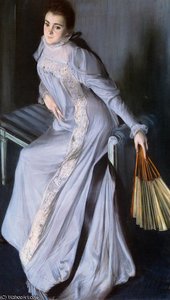
L Hôte

- 220.0 x 290.0 cm


Delve into Jacques-Émile Blanche's masterful portrait of Parisian society – L’Hôte (1892). Explore his Impressionist style, capturing elegance and personality with loose brushwork and influenced by Manet & Whistler.
 Rozwiń treść
"Meta Description": "Jacques-Émile Blanche (1861-1942) był francuskim malarzem impresjonistycznym, znanym z eleganckich portretów paryskich i londyńskich, charakteryzujących się swobodną fakturą i pod wpływem Maneta i Whistler'a. Odkryj jego dzieła!"
Giclée / Wydruk artystyczny
Wydruki giclée lub płótna o jakości muzealnej, szybka realizacja i szeroki wybór opcji wykończenia. ( Zamów ręcznie malowaną reprodukcję Przejdź do wersji cyfrowej)




P118B zł10

P118H zł10

P118W zł10

P438Z zł10

P508JH zł12

P508YH zł12

P805H zł10

P805Z zł10

P919BZ zł10

P919G zł10

P919XJ zł10

P959ZH zł10

P968JZ zł12

W106C zł8

W218G zł10

W218JH zł8

W218Y zł10

W307PJ zł10

W316G zł10

W316PJ zł8

W316Y zł10

W398PJ zł8

W4111J zł10

W500HY zł15

W500JH zł15

W692G zł12

W849H zł8

W940BG zł15

W953PJ zł8




Standardowy format
personalizowane
CM
INCH
Wybierz spośród naszych standardowych rozmiarów, które zachowują oryginalne proporcje dzieła sztuki.
Loading sizes...

szerokość
wysokość
Wpisz wymaganą szerokość i wysokość, aby dopasować grafikę do ramy lub ściany. Wydruk można jedynie przyciąć, nigdy nie powiększając go poza oryginalny obraz, dlatego format o innych proporcjach spowoduje utratę części kompozycji. Przed rozpoczęciem druku prześlemy Ci cyfrowy podgląd do zatwierdzenia. Obraz wyświetlany na tej stronie nie pokazuje rzeczywistego przycięcia — jedynie podgląd oddaje ten efekt.
Dostawa na cały świat () w ciągu 2 tygodni zamiast standardowych 4/5 tygodni. (7 Listopad)

Bezpłatna ekspresowa wysyłka na cały świat

Wysokiej jakości płótno lniane

Pełne ubezpieczenie przesyłki

Gwarancja zwrotu należności celnych i podatków importowych

Gwarancja wiernego odwzorowania kolorów

100-dniowa polityka zwrotów (tylko w przypadku wad)

Gwarancja 100% zwrotu pieniędzy

Zniżka przy zakupie wielu sztuk
 Opcja ze szkłem jest dostępna wyłącznie w rozmiarach poniżej 110 cm

L Hôte
Giclée / Wydruk artystyczny
Wymiary reprodukcji
-


Cena całkowita
zł 274
L'Hôte by Jacques Emile Blanche – A Portrait of Parisian Elegance
Jacques-Émile Blanche’s “L’Hôte” (The Host) stands as a quintessential emblem of Belle Époque Paris, capturing not merely a likeness but an atmosphere—a palpable sense of refined social interaction and intellectual curiosity. Painted in 1892, this monumental oil on canvas measuring 220 x 290 cm resides at the Musée Des Beaux Arts in Rouen, France, offering viewers a glimpse into a bygone era defined by artistic innovation and aristocratic refinement. Blanche’s distinctive style—characterized by loose brushwork and a muted palette—immediately distinguishes itself from the more polished conventions of his contemporaries. He eschewed meticulous detail in favor of conveying emotion and capturing the subtle nuances of human expression, techniques honed during his formative years alongside luminaries like Édouard Manet and Whistler.A Masterful Blend of Realism and Symbolism
Blanche’s artistic approach transcends mere representation; it delves into symbolism to illuminate deeper themes concerning identity and social dynamics. The composition itself is carefully orchestrated—the central figures seated around a dining table dominate the canvas, their gaze directed outwards, suggesting contemplation and engagement with the world beyond the immediate setting. Notably absent are chairs positioned strategically behind the guests, an element that has been interpreted as representing those excluded from this privileged circle – perhaps individuals deemed unworthy of inclusion or simply those whose presence wasn’t considered essential to the narrative. This deliberate omission underscores Blanche's astute observation of societal hierarchies and his ability to communicate complex ideas through visual cues.Technique and Color Palette: Echoes of Impressionism
The painting’s execution showcases Blanche’s mastery of Impressionist techniques. Thick, visible brushstrokes imbue the canvas with texture and movement, mirroring the fleeting impressions of light and atmosphere that were central to the artistic movement. Blanche employed a restrained color scheme—primarily dominated by warm browns and ochres—creating a cozy and inviting ambiance reminiscent of candlelight illumination. These muted hues contribute to the painting’s emotional resonance, fostering a sense of intimacy and conveying the quiet dignity of the subjects depicted. The artist skillfully blended pigments to achieve subtle gradations of tone, enhancing the illusion of depth and capturing the nuances of light reflecting off surfaces.Historical Context: Parisian Society at Its Zenith
“L’Hôte” was created during Paris's golden age—the Belle Époque (roughly 1871-1914)—a period marked by unprecedented artistic creativity, economic prosperity, and cultural dynamism. Blanche himself was deeply embedded in the intellectual milieu of his time, surrounded by writers, artists, and thinkers who championed progressive ideas and challenged traditional conventions. The painting reflects this spirit of experimentation and celebrates the pursuit of beauty and knowledge—values that were paramount to Parisian society during Belle Époque. It serves as a testament to Blanche’s ability to capture not only the visual appearance of his subjects but also the intellectual and social currents shaping their lives.Emotional Impact: Capturing Inner Life
Ultimately, “L’Hôte” succeeds in conveying profound emotional depth. Blanche's portraits are renowned for capturing the inner life of his subjects—their personalities, aspirations, and vulnerabilities—with remarkable sensitivity. The gaze of the figures is imbued with quiet contemplation, hinting at unspoken thoughts and emotions. This masterful portrayal speaks to the enduring power of art to illuminate human experience and transcends time, inviting viewers to contemplate themes of identity, social status, and the complexities of human relationships. Blanche’s legacy continues to inspire artists today who strive to achieve similar levels of psychological insight and artistic virtuosity.Pytania i odpowiedzi
Do jakiego nurtu artystycznego należy „L Hôte” – Jacques-Émile Blanche?
Nurt związany z „L Hôte” – Jacques-Émile Blanche to Cubism. Ta klasyfikacja sytuuje dzieło wśród pokrewnych artystów i dzieł sztuki.
Jak mogę pobrać obraz „L Hôte” – Jacques-Émile Blanche?
Obraz „L Hôte” – Jacques-Émile Blanche można pobrać na stronie Pobierz plik cyfrowy dzieła: wysokiej rozdzielczości cyfrowe zdjęcie do pobrania.
Kto stworzył "L Hôte" i kiedy?
Jacques-Émile Blanche, "L Hôte", 1892 rok
Podobne dzieła



Biografia artysty
Wczesne życie i edukacja
Jacques-Émile Blanche, urodzony w Paryżu 1 stycznia 1861 roku, pochodził z rodziny lekarzy, co odcisnęło silny wpływ na jego późniejsze życie. Jego ojciec, Émile Blanche, był wybitnym patologiem, a jego matka, Félicie, była osobą o silnych przekonaniach i dbała o zdrowie syna. Blanche dorastał w bogatej dzielnicy Passy, otoczony luksusowymi domami i znanymi artystami – to właśnie tam, wśród tych wpływowych środowisk, młody Jacques-Émile zaczął kształtować swoje wrażenia i zainteresowania. Jego ojciec, wspierając jego ambicje artystyczne, zapewnił mu dostęp do towarzystw literackich i artystycznych, gdzie mógł spotykać takich postaci jak Jules Michelet czy Charles Renouvier. Wśród tych rozmów i inspiracji, Blanche poznał również wielu malarzy, w tym Edmunda Maneta, który miał później ogromny wpływ na jego styl i wizję artystyczną. Wychowanie w domu, gdzie panował dbałość o zdrowie i regularne spotkania z wybitnymi osobami, dało mu unikalne doświadczenie, które kształtowało jego charakter i podejście do sztuki.Rozwój artystyczny i styl
Blanche nie ukończył żadnej oficjalnej szkoły artystycznej, co w tamtych czasach było dość nietypowe. Zamiast tego, uczył się głównie samodzielnie, pod okiem takich malarzy jak Henri Gervex i Pierre-Auguste Renoir. Jego styl, choć inspirowany przez wielu prekursorów, szybko zyskał unikalny charakter. Blanche czerpał inspirację z 18-wiecznych angielskich malarzy, takich jak Thomas Gainsborough, a także od Edmunda Maneta i Jamesa McNeilla Whistlera – artystów, którzy podziwiał za ich umiejętność oddawania prawdy w portretach i krajobrazach. Jego obrazy charakteryzowały się luźną fakturą pędzla, ograniczoną paletą barw i wrażliwością na emocje – to właśnie te cechy sprawiły, że jego portrety, takie jak "Portret Marcela Prousta", zyskały uznanie za swoją subtelność i głębię. Blanche eksperymentował z różnymi technikami, łącząc tradycję z nowoczesnością, tworząc obrazy, które odzwierciedlały ducha epoki Belle Époque.Praca w Paryżu i Londynie
Blanche spędził znaczną część swojej kariery artystycznej w Paryżu, gdzie wystawiał swoje prace na Salonie i w innych renomowanych towarzystwach sztuki. Jednakże, w 1870 roku, z powodu wojny francusko-pruskiej, przeniósł się do Londynu, gdzie spędził wiele lat. W Anglii, Blanche nawiązał kontakty z innymi artystami i intelektualistami, a także stworzył serię obrazów przedstawiających londyńskie widoki – "Londyńskie Widoki". Jego praca w Londynie była silnie inspirowana angielskim krajobrazem i atmosferą miasta. Blanche był obserwatorem życia towarzyskiego Paryża i Londynu, co znalazło odzwierciedlenie w jego portretach arystokracji i celebrytów. Jego umiejętność uchwycenia charakteru i osobowości swoich modeli była niezwykle ceniona przez jego klientów i krytyków.Znaczenie i dziedzictwo
Jacques-Émile Blanche zmarł 30 września 1942 roku w Offranville, pozostawiając po sobie bogate dziedzictwo artystyczne. Jego obrazy, znajdujące się w kolekcjach muzeów na całym świecie – od Musée d’Orsay w Paryżu po Metropolitan Museum of Art w Nowym Jorku – świadczą o jego talentu i wpływie na sztukę epoki. Blanche był malarzem, pisarzem i krytykiem, który łączył w sobie różne dziedziny sztuki i kultury. Jego twórczość odzwierciedlała ducha swojej epoki, łącząc tradycję z nowoczesnością i wyrażając głębokie emocje i wrażenia. Blanche pozostaje ważnym przedstawicielem impresjonizmu francuskiego, a jego obrazy inspirują kolejne pokolenia artystów i miłośników sztuki. Jego portrety, charakteryzujące się subtelnością i wrażliwością, są świadectwem jego umiejętności i talentu.
Jacques-Émile Blanche
1861 - 1942 , Francja
Krótka nota
- Artistic Movement Or Style: Impresjonizm
- Artists Or Movements Influenced By This Artist: ['Thomas Gainsborough']
- Artists Who Influenced This Artist:
- Edouard Manet
- James Whistler
- Date Of Birth: 1 stycznia 1861
- Date Of Death: 30 września 1942
- Full Name: Jacques Émile Blanche
- Nationality: Francuz
- Notable Artworks:
- Kreutzer Sonata
- Portret Marcela Prousta
- Place Of Birth: Paryż, Francja
Powiązane artykuły

The Elegance of Art Nouveau: Embracing Nature's Fluid Beauty and the Belle Époque Spirit
Discover the enchanting world of Art Nouveau. Explore the organic beauty, flowing lines, and Belle Époque elegance that defined an era of unparalleled craftsmanship and natural inspiration.
Odkryj dzieła sztuki uporządkowane według tematów, stylów i cech charakterystycznych.


