

 Podgląd w skali 1:1
 Wyślij jako kartkę
 Udostępnij
 Szczegóły dzieła
 Przewodnik

 Pobierz obraz
 Podobne obiekty
 RTG
RTG Pokaz slajdów
 Q&A
Q&A Statystyki
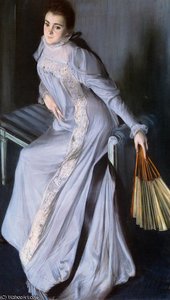
Miss Winny MacEwan


Admire 'Miss Winny MacEwan' by Jacques-Émile Blanche – a captivating 19th-century portrait of Parisian society. Explore its Impressionistic style & elegant realism.
 Rozwiń treść
"Meta Description": "Jacques-Émile Blanche (1861-1942) był francuskim malarzem impresjonistycznym, znanym z eleganckich portretów paryskich i londyńskich, charakteryzujących się swobodną fakturą i pod wpływem Maneta i Whistler'a. Odkryj jego dzieła!"
Giclée / Wydruk artystyczny
Wydruki giclée lub płótna o jakości muzealnej, szybka realizacja i szeroki wybór opcji wykończenia. ( Zamów ręcznie malowaną reprodukcję Przejdź do wersji cyfrowej)




P118B zł10

P118H zł10

P118W zł10

P438Z zł10

P508JH zł12

P508YH zł12

P805H zł10

P805Z zł10

P919BZ zł10

P919G zł10

P919XJ zł10

P959ZH zł10

P968JZ zł12

W106C zł8

W218G zł10

W218JH zł8

W218Y zł10

W307PJ zł10

W316G zł10

W316PJ zł8

W316Y zł10

W398PJ zł8

W4111J zł10

W500HY zł15

W500JH zł15

W692G zł12

W849H zł8

W940BG zł15

W953PJ zł8




Standardowy format
personalizowane
CM
INCH
Wybierz spośród naszych standardowych rozmiarów, które zachowują oryginalne proporcje dzieła sztuki.
Loading sizes...

szerokość
wysokość
Wpisz wymaganą szerokość i wysokość, aby dopasować grafikę do ramy lub ściany. Wydruk można jedynie przyciąć, nigdy nie powiększając go poza oryginalny obraz, dlatego format o innych proporcjach spowoduje utratę części kompozycji. Przed rozpoczęciem druku prześlemy Ci cyfrowy podgląd do zatwierdzenia. Obraz wyświetlany na tej stronie nie pokazuje rzeczywistego przycięcia — jedynie podgląd oddaje ten efekt.
Dostawa na cały świat () w ciągu 2 tygodni zamiast standardowych 4/5 tygodni. (1 Listopad)

Bezpłatna ekspresowa wysyłka na cały świat

Wysokiej jakości płótno lniane

Pełne ubezpieczenie przesyłki

Gwarancja zwrotu należności celnych i podatków importowych

Gwarancja wiernego odwzorowania kolorów

100-dniowa polityka zwrotów (tylko w przypadku wad)

Gwarancja 100% zwrotu pieniędzy

Zniżka przy zakupie wielu sztuk
 Opcja ze szkłem jest dostępna wyłącznie w rozmiarach poniżej 110 cm

Miss Winny MacEwan
Giclée / Wydruk artystyczny
Wymiary reprodukcji
-


Cena całkowita
zł 268
A Glimpse into Belle Époque Elegance
In the quiet, luminous depths of Jacques-Émile Blanche’s 1887 masterpiece, Miss Winny MacEwan, we find more than a mere portrait; we encounter a window into the soul of late 19th-century Parisian high society. The painting captures a moment of profound stillness, presenting a woman seated with an air of contemplative grace that transcends the canvas. As one gazes upon her, there is an immediate sense of intimacy, as if the viewer has stumbled upon a private moment of reflection in a sun-drenched salon. Blanche, a master of capturing the spirit of the Belle Époque, does not simply record a likeness; he orchestrates an atmosphere of refined dignity and subtle melancholy that lingers long after the first encounter.
The subject herself serves as the emotional anchor of the work. Positioned prominently within the frame, her face becomes the focal point where light and shadow perform a delicate dance. Her gaze, directed outward toward the spectator, is hauntingly introspective, hinting at unspoken emotions and a rich inner life. This psychological depth is what elevates the piece from a standard social portrait to a profound study of character, making it an irresistible centerpiece for those who appreciate art that speaks to the human condition.
The Mastery of Impressionistic Light and Texture
Technically, Miss Winny MacEwan is a triumph of Impressionistic sensibility blended with a refined realism. Blanche employs a restrained and sophisticated palette, dominated by muted tones of cream, deep brown, and velvety black. This deliberate choice of color creates a luminous surface that mimics the soft, diffused light filtering through Parisian windows, casting gentle shadows that lend a sculptural three-dimensionality to the subject's features. The artist’s brushwork is characteristically loose yet purposeful, allowing for a textured surface that breathes with life.
For the discerning collector or interior designer, the tactile quality of this painting offers immense visual richness. Blanche demonstrates an acute sensitivity to materiality, meticulously rendering the intricate textures of the era's fashion. One can almost feel the delicate weight of the lace collars and the smooth, luxurious sheen of silk gowns. These fine details are not merely decorative; they contribute to the overall sense of luxury and historical authenticity. The interplay between the organic lines of the subject’s silhouette and the soft, blended backgrounds creates a sense of depth that makes the artwork feel as though it occupies its own physical space within a room.
A Timeless Legacy for the Modern Collector
To possess a reproduction of this caliber is to invite a piece of art history into one's personal sanctuary. Influenced by the legendary techniques of Manet and Whistler, Blanche’s work bridges the gap between the rigid academic traditions of the past and the emotive freedom of modernism. The painting embodies a sense of "quiet luxury"—a concept that remains as relevant in contemporary interior design as it was in 1887.
Whether placed in a formal study, a sophisticated living area, or a curated gallery wall, Miss Winny MacEwan provides a focal point of unparalleled elegance. It offers an aesthetic anchor that complements both classical and modern decor, bringing with it a sense of historical weight and emotional resonance. For those seeking to surround themselves with art that inspires contemplation and celebrates the enduring beauty of the human spirit, this portrait stands as an exquisite choice.
Pytania i odpowiedzi
Czy dzieło "Miss Winny MacEwan" posiada podgląd w rozszerzonej rzeczywistości?
„Miss Winny MacEwan” posiada podgląd w rozszerzonej rzeczywistości: strona Podgląd w AR pozwala zobaczyć dzieło w Twojej własnej przestrzeni na kompatybilnym urządzeniu.
Gdzie można zobaczyć oryginał „Miss Winny MacEwan” – Jacques-Émile Blanche?
Oryginał dzieła „Miss Winny MacEwan” – Jacques-Émile Blanche znajduje się w Manchester Art Gallery, Manchester, Wielka Brytania. Reprodukcja pozwala na eksponowanie pracy w domu.
Co przedstawia „Miss Winny MacEwan” – Jacques-Émile Blanche?
Tematyka dzieła "Miss Winny MacEwan" to portrait, parisian society, elegance, reflection, soft light, lace detail, 19th century, quiet contemplation.
Podobne dzieła



Biografia artysty
Wczesne życie i edukacja
Jacques-Émile Blanche, urodzony w Paryżu 1 stycznia 1861 roku, pochodził z rodziny lekarzy, co odcisnęło silny wpływ na jego późniejsze życie. Jego ojciec, Émile Blanche, był wybitnym patologiem, a jego matka, Félicie, była osobą o silnych przekonaniach i dbała o zdrowie syna. Blanche dorastał w bogatej dzielnicy Passy, otoczony luksusowymi domami i znanymi artystami – to właśnie tam, wśród tych wpływowych środowisk, młody Jacques-Émile zaczął kształtować swoje wrażenia i zainteresowania. Jego ojciec, wspierając jego ambicje artystyczne, zapewnił mu dostęp do towarzystw literackich i artystycznych, gdzie mógł spotykać takich postaci jak Jules Michelet czy Charles Renouvier. Wśród tych rozmów i inspiracji, Blanche poznał również wielu malarzy, w tym Edmunda Maneta, który miał później ogromny wpływ na jego styl i wizję artystyczną. Wychowanie w domu, gdzie panował dbałość o zdrowie i regularne spotkania z wybitnymi osobami, dało mu unikalne doświadczenie, które kształtowało jego charakter i podejście do sztuki.Rozwój artystyczny i styl
Blanche nie ukończył żadnej oficjalnej szkoły artystycznej, co w tamtych czasach było dość nietypowe. Zamiast tego, uczył się głównie samodzielnie, pod okiem takich malarzy jak Henri Gervex i Pierre-Auguste Renoir. Jego styl, choć inspirowany przez wielu prekursorów, szybko zyskał unikalny charakter. Blanche czerpał inspirację z 18-wiecznych angielskich malarzy, takich jak Thomas Gainsborough, a także od Edmunda Maneta i Jamesa McNeilla Whistlera – artystów, którzy podziwiał za ich umiejętność oddawania prawdy w portretach i krajobrazach. Jego obrazy charakteryzowały się luźną fakturą pędzla, ograniczoną paletą barw i wrażliwością na emocje – to właśnie te cechy sprawiły, że jego portrety, takie jak "Portret Marcela Prousta", zyskały uznanie za swoją subtelność i głębię. Blanche eksperymentował z różnymi technikami, łącząc tradycję z nowoczesnością, tworząc obrazy, które odzwierciedlały ducha epoki Belle Époque.Praca w Paryżu i Londynie
Blanche spędził znaczną część swojej kariery artystycznej w Paryżu, gdzie wystawiał swoje prace na Salonie i w innych renomowanych towarzystwach sztuki. Jednakże, w 1870 roku, z powodu wojny francusko-pruskiej, przeniósł się do Londynu, gdzie spędził wiele lat. W Anglii, Blanche nawiązał kontakty z innymi artystami i intelektualistami, a także stworzył serię obrazów przedstawiających londyńskie widoki – "Londyńskie Widoki". Jego praca w Londynie była silnie inspirowana angielskim krajobrazem i atmosferą miasta. Blanche był obserwatorem życia towarzyskiego Paryża i Londynu, co znalazło odzwierciedlenie w jego portretach arystokracji i celebrytów. Jego umiejętność uchwycenia charakteru i osobowości swoich modeli była niezwykle ceniona przez jego klientów i krytyków.Znaczenie i dziedzictwo
Jacques-Émile Blanche zmarł 30 września 1942 roku w Offranville, pozostawiając po sobie bogate dziedzictwo artystyczne. Jego obrazy, znajdujące się w kolekcjach muzeów na całym świecie – od Musée d’Orsay w Paryżu po Metropolitan Museum of Art w Nowym Jorku – świadczą o jego talentu i wpływie na sztukę epoki. Blanche był malarzem, pisarzem i krytykiem, który łączył w sobie różne dziedziny sztuki i kultury. Jego twórczość odzwierciedlała ducha swojej epoki, łącząc tradycję z nowoczesnością i wyrażając głębokie emocje i wrażenia. Blanche pozostaje ważnym przedstawicielem impresjonizmu francuskiego, a jego obrazy inspirują kolejne pokolenia artystów i miłośników sztuki. Jego portrety, charakteryzujące się subtelnością i wrażliwością, są świadectwem jego umiejętności i talentu.
Jacques-Émile Blanche
1861 - 1942 , Francja
Krótka nota
- Artistic Movement Or Style: Impresjonizm
- Artists Or Movements Influenced By This Artist: ['Thomas Gainsborough']
- Artists Who Influenced This Artist:
- Edouard Manet
- James Whistler
- Date Of Birth: 1 stycznia 1861
- Date Of Death: 30 września 1942
- Full Name: Jacques Émile Blanche
- Nationality: Francuz
- Notable Artworks:
- Kreutzer Sonata
- Portret Marcela Prousta
- Place Of Birth: Paryż, Francja
Powiązane artykuły

Arcydzieła XIX Wieku: 10 Obrazów Opowiadających Epokę | TopImpressionists
Odkryj 10 arcydzieł XIX wieku! Poznaj historię Monet, Van Gogha i Courbeta. Imesjonizm, realizm, romantyzm – obrazy pełne emocji i piękna czekają na TopImpressionists.com. Znajdź idealny obraz do swojego wnętrza!

Jacques-Émile Blanche: Capturing Belle Époque Society & the Cult of Personality
Explore the captivating portraits of Jacques-Émile Blanche, a master Impressionist who captured the essence of Belle Époque society in Paris and London. Discover his unique style & lasting legacy.

The Enduring Legacy of French Art: Movements, Masters & Cultural Impact
Explore the rich history of French art, from the Salon to Impressionism & beyond. Discover iconic masters, key movements, and expert guidance for collecting timeless masterpieces. TopImpressionists.

Émile Munier: Capturing 19th-Century French Life with Tender Realism
Discover Émile Munier's tender depictions of 19th-century French life. Explore his Realist style, charming paintings of children & pets, and lasting artistic legacy. Expert insights at TopImpressionists.

Émile Jean Horace Vernet: Romantic Realism & Depicting 19th-Century Life
Explore the life & art of Émile Jean Horace Vernet, a master of Romantic Realism. Discover his captivating battle scenes, portraits, and Orientalist works – a window into 19th-century France. Learn about his techniques & enduring legacy.
Odkryj dzieła sztuki uporządkowane według tematów, stylów i cech charakterystycznych.


