


 Zobacz w skali 1:1
 Wyślij
 Udostępnij
 Szczegóły
 Przewodnik

 Pobierz plik obrazu
 Podobne obiekty
 RTG
RTG Pokaz slajdów
 Statystyki
October
 Oil On Canvas
- WallArt
- Impressionism
 1878
1878- 19th Century
 53.0 x 116.0 cm
Capture the Impressionist mood of Tissot's October (1878) with its elegant woman in black against warm yellow leaves; discover this Parisian masterpiece reproduction today.
 Czytaj więcej
Jacques Tissot – francuski malarz znany z portretów i scen społecznych epoki wiktoriańskiej oraz obrazów biblijnych. Jego realistyczny styl i inspiracje japońskimi technikami fascynują do dziś.
Giclée / Wydruk artystyczny
Wydruki giclée lub płótna o jakości muzealnej, szybka realizacja i szeroki wybór opcji wykończenia. ( Kup ręcznie malowany obraz Przełącz na wersję cyfrową)




P118B zł10

P118H zł10

P118W zł10

P438Z zł10

P508JH zł12

P508YH zł12

P805H zł10

P805Z zł10

P919BZ zł10

P919G zł10

P919XJ zł10

P959ZH zł10

P968JZ zł12

W106C zł8

W218G zł10

W218JH zł8

W218Y zł10

W307PJ zł10

W316G zł10

W316PJ zł8

W316Y zł10

W398PJ zł8

W4111J zł10

W500HY zł15

W500JH zł15

W692G zł12

W849H zł8

W940BG zł15

W953PJ zł8




Standardowy
na zamówienie
CM
INCH
Wybierz spośród naszych standardowych rozmiarów, które zachowują oryginalne proporcje dzieła sztuki.
Loading sizes...

szerokość
wysokość
Wpisz wymaganą szerokość i wysokość, aby dopasować grafikę do ramy lub ściany. Wydruk można jedynie przyciąć, nigdy nie powiększając go poza oryginalny obraz, dlatego format o innym proporcji spowoduje utratę części kompozycji. Przed rozpoczęciem druku prześlemy Ci cyfrowy podgląd do zatwierdzenia. Obraz wyświetlany na tej stronie nie pokazuje rzeczywistego przycięcia — jedynie podgląd oddaje ten efekt.
Dostawa na cały świat () w ciągu 2 tygodni zamiast standardowych 4/5 tygodni. (23 Październik)

Bezpłatna ekspresowa wysyłka na cały świat

Wysokiej jakości płótno lniane

Pełne ubezpieczenie transportowe

Gwarancja zwrotu należności celnych i podatków importowych

Gwarancja idealnego odwzorowania barw

100-dniowy okres na zwrot dzieła w przypadku wykrycia wad produkcyjnych

Gwarancja 100% zwrotu pieniędzy

Oferta przy zakupie wielu sztuk
 Opcja ze szkłem jest dostępna wyłącznie w rozmiarach poniżej 110 cm

October
Giclée / Wydruk artystyczny
Rozmiar reprodukcji
-


Suma do zapłaty
zł 265
The Allure of Autumnal Grace in Tissot's "October"
To gaze upon James Jacques Joseph Tissot’s October is to step directly into a sun-dappled moment of late Parisian life, a scene imbued with the gentle melancholy that only the turning season can evoke. This oil on canvas, painted in 1878, transcends a mere depiction of autumn; it captures an atmosphere—a palpable sense of transition. At its heart stands a captivating figure: a woman clad in the somber elegance of black, her silhouette framed against the warm tapestry of falling foliage. Her downward gaze is not one of shyness, but rather a profound moment of introspection, drawing the viewer into the quiet narrative unfolding around her.
Mastery of Impressionistic Light and Color
Tissot’s technique here is a beautiful marriage between academic precision and the burgeoning spirit of Impressionism. While his training suggests classical structure, the handling of light in October speaks to the movement's core tenets—the celebration of fleeting color and atmospheric effect. The background explodes with yellows and ochres from the scattered leaves, creating a luminous warmth that contrasts exquisitely with the deep blacks of the central figure’s attire. This interplay between shadow and brilliant autumnal glow is what gives the painting its immediate visual poetry. One can almost feel the crisp air and smell the decay mingling with the lingering scent of late summer blooms.
A Glimpse into Parisian Society
Contextually, October serves as a quintessential example of Tissot’s lifelong fascination: the fashionable woman within the tapestry of everyday life. As an artist deeply attuned to the social currents of his time, Tissot chronicled the elegance and subtle dramas of Parisian society. The presence of other, less defined figures in the periphery suggests a bustling world continuing around this moment of quiet contemplation. It speaks to a specific era—the late 19th century—when fashion was an art form and public life unfolded with meticulous grace.
Symbolism and Emotional Resonance for the Modern Collector
The symbolism within the piece is rich, revolving around themes of change, beauty's passage, and introspection. The very title, October, anchors the work to the cyclical nature of existence—a beautiful decline that promises renewal. For the contemporary collector or interior designer, this painting offers more than mere decoration; it provides a focal point of sophisticated mood. Reproducing Tissot’s vision allows one to infuse a space with historical depth and emotional resonance, transforming a room into a gallery moment steeped in autumnal romance.
Acquiring a Piece of Enduring Artistry
To own a reproduction of October is to invite this masterful dialogue between light, fashion, and the seasons into your personal sanctuary. Whether displayed prominently or used as an intimate accent piece, the rich textures and vibrant narrative captured by Tissot ensure that the artwork remains captivating. It is an investment not just in paint and canvas, but in a tangible connection to the artistic heart of Belle Époque Paris.
Pytania i odpowiedzi
Z jakiego okresu pochodzi „October” autorstwa James Tissot?
Okres historyczny dzieła „October” autorstwa James Tissot to 19th Century. Ta klasyfikacja pozwala umiejscowić pracę w historii sztuki.
Czy mogę zobaczyć obraz „October” autorstwa James Tissot w widoku rentgenowskim?
Dzieło "October" można badać warstwa po warstwie na stronie Prześwietlenie, która stanowi interaktywny podgląd inspirowany stołem świetlnym konserwatora, oferujący jedenaście optycznych odczytów obrazu.
Jaką nasycenie i intensywność prezentuje „October” autorstwa James Tissot?
Kolor dzieła "October" charakteryzuje się nasyceniem na poziomie Balanced Soft oraz intensywnością wynoszącą Vivid.
Podobne dzieła


Biografia artysty
Early Life and Artistic Beginnings
Jacques Joseph Tissot, urodzony 15 października 1836 roku w Nantes, Francja, był od najmłodszych lat skazany na życie zanurzone w pasji artystycznej. Jego ojciec, kupiec tkanin, zaszczepił w nim cenne umiejętności rzemieślnicze i dbałość o szczegóły – cechy, które głęboko ukształtowały jego wizję artystyczną. Jednocześnie jego matka, kapelmistrzyni, rozbudziła w nim wrażliwość na piękno i modę, wprowadzając go do tętniącego życiem świata paryskiego towarzystwa. Pomimo obowiązków rodzinnych, Tissot nieustannie dążył do realizacji swoich ambicji artystycznych, zapisując się w École des Beaux-Arts w Paryżu, gdzie pod okiem wybitnych nauczycieli – Ingresa, Flandrina i Lamothe – doskonalił swoje umiejętności. Ten formatywny okres umocnił jego zaangażowanie w malarstwo jako powołanie i solidnie ugruntował jego pozycję w wpływowej paryskiej scenie artystycznej.The Salon Years and Recognition
Debiuta Tissota na Salonie w Paryżu w 1861 roku stanowił przełomowy moment – ujawnienie “Spotkania Fausta i Markuty,” dramatycznej sceny, która oczarowała publiczność i wzbudziła uznanie krytyków. Dzieło to zostało zakupione przez państwo i wystawione w Galerii Luksemburskiej, sygnalizując rosnącą reputację Tissota jako malarza zdolnego do uchwycenia złożonych narracji i przekazywania głębokich emocji. Kolejne wystawy na Salonie umocniły jego pozycję w środowisku artystycznym, prezentując ewoluujący styl i przyciągając zamówienia od wpływowych mecenasów. Wczesne sukcesy wzmocniły jego pewność siebie i napędziły go do eksplorowania nowych tematów i technik – ścieżka, która ostatecznie zdefiniowała jego błyskotliwą karierę.Genre Painting and Parisian Society
Artystyczny przełom Tissota nastąpił wraz z serią “La Femme à Paris,” precyzyjnym odwzorowaniem demi-mondain świata paryskiego końca XIX wieku. Obrazy te, charakteryzujące się lśniącymi paletami kolorów i mistrzowskim oddaniem faktur – szczególnie tkanin – stały się synonimem uchwycenia uroku i dynamiki paryskiego życia towarzyskiego. Tissot’s meticulous attention to detail extended beyond mere visual representation; he sought to convey not only appearances but also psychological nuances, reflecting the anxieties and aspirations of his subjects. His work stands as a testament to Impressionistic influences blended with realism, offering an unparalleled glimpse into the social customs and artistic sensibilities of the Belle Époque.Biblical Themes and Japonisme
Przez całą swoją produktywną twórczość Tissot przyjmował różnorodne inspiracje artystyczne – od średniowiecznych narracji po tematy biblijne – demonstrując imponującą wszechstronność. Jego przedstawienia religijne, nacechowane duchową głębią i emocjonalnym oddźwiękiem, pokazywały jego zdolność do podnoszenia opowiadania wizualnego na poziom głębokiej kontemplacji. Jednocześnie był on zafascynowany Japonizmem – fascynacją sztuką i estetyką japońską, która przetoczyła się przez Europę w okresie Wiktorii – widocznym w kompozycjach nasyconych asymetrycznymi układami i subtelnymi harmoniami kolorystycznymi inspirowanymi japońskimi drukami. Ta stylistyczna fuzja podkreślała intelektualną ciekawość Tissota i jego gotowość do eksperymentowania z innowacyjnymi podejściami artystycznymi.Later Years and Legacy
Życie Tissota przyjęło dramatyczny obrót, gdy wcielił się w służbę w Franco-Prussian War, służąc po stronie francuskiej – doświadczenie, które bez wątpienia ukształtowało jego światopogląd. Po zakończeniu wojny i jej konsekwencjach, przeniósł się do Londynu, gdzie podjął się pracy jako grafik, współpracując z Sir Seymourem Hadem i doskonalił swoje umiejętności artystyczne poprzez portrety i karykatury dla Vanity Fair. Jego relacja z Kathleen Newton rozwinęła się w pasjonujące towarzystwo, zapewniając mu trwałe źródło inspiracji dla wielu obrazów. Tragiczna śmierć Kathleen w 1882 roku – głęboka strata, która dotknęła twórczości Tissota – stanowiła punkt zwrotny w jego życiu. Pomimo tej smutnej strony, kontynuował on produkcję wyjątkowych dzieł sztuki aż do swojej śmierci w 1902 roku. Dziedzictwo Jacquesa Josepha Tissota znajduje się dzisiaj w muzeach na całym świecie – przede wszystkim w Musée National Jean-Jacques Henner w Paryżu – gdzie jego słynne obrazy nadal inspirują podziw dla ich artystycznej doskonałości i sugestywnego przedstawienia życia wiktoriańskiego i wiary. Jego trwała wpływ na malarstwo gatunkowe i impresjonizm zapewnia mu miejsce wśród najbardziej wybitnych francuskich artystów XIX wieku.
James Tissot
1836 - 1902 , Francja
Najważniejsze informacje
- Artistic Movement Or Style: Pittura di genere
- Artists Or Movements Influenced By This Artist: ['Impressionismo']
- Artists Who Influenced This Artist:
- Ingres
- Courbet
- Date Of Birth: 15 października 1836
- Date Of Death: 8 sierpnia 1902
- Full Name: Jacques Joseph Tissot
- Nationality: Francuz
- Notable Artworks:
- Spotkanie Faustusa i
- Margarety
- Place Of Birth: Nantes, Francja
Zobacz także powiązane artykuły

The Golden Hue: Exploring Symbolism & Emotion in Yellow Art
Explore the rich symbolism & emotional power of yellow in art history! From Van Gogh to Kandinsky, discover how artists used this vibrant hue. Expert analysis & high-quality reproductions at TopImpressionists.

Jacques Joseph Tissot: A Chronicle of Parisian Life & Narrative Evolution
Explore the captivating world of Jacques Joseph Tissot, a master painter of Belle Époque society. Discover his realism, Impressionistic style, and lasting influence on art history. Learn more at TopImpressionists.
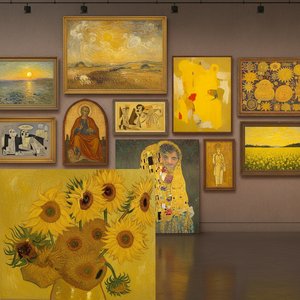
Top 10 Arcydzieł w Odcieniach Chromowej Żółci – Inspiracje do Wnętrz od TopImpressionists
Odkryj 10 arcydzieł sztuki, w których króluje chromowa żółć! Van Gogh, Monet, Renoir i inni mistrzowie. Inspiracje wnętrzarskie i reprodukcje obrazów najwyższej jakości na TopImpressionists.com. Eksploruj pełną kolekcję online!

Czarne arcydzieła: Top 10 słynnych obrazów pełnych mroku i ekspresji | TopImpressionists.com
Odkryj 10 słynnych obrazów, w których czerń króluje! Poznaj historie artystów, ekspresjonizm i mroczną paletę barw. Reprodukcje dzieł sztuki najwyższej jakości na TopImpressionists.com – inspiracje do wnętrz i kolekcjonerstwo.

Impressionizm w Obrazach: 10 Arcydzieł Pełnych Światła i Koloru | TopImpressionists
Odkryj 10 arcydzieł impresjonizmu! Poznaj historie Claude Moneta, Degasa i Van Gogha. Reprodukcje obrazów najwyższej jakości – pejzaże pełne światła i koloru do Twojego wnętrza. TopImpressionists.