Pracownia — Darmowa wysyłka na cały świat — Czas dostawy: 2–6 tygodni
Obraz ze zdjęcia Lista życzeń Koszyk
Podgląd w skaliPodgląd w skali Podgląd ARPodgląd AR Przełącz na obraz ręcznie malowany Przełącz na obraz ręcznie malowanyPrzełącz na obraz Przełącz na obraz Wyślij jako kartkęWyślij jako kartkę
Szczegóły dziełaSzczegóły dzieła Dodaj do ulubionych Dodaj do ulubionych PobierzPobierz Podobne obiektyPodobne obiekty RTGRTG Pokaz slajdówPokaz slajdów

Etienne Maurice Gerard

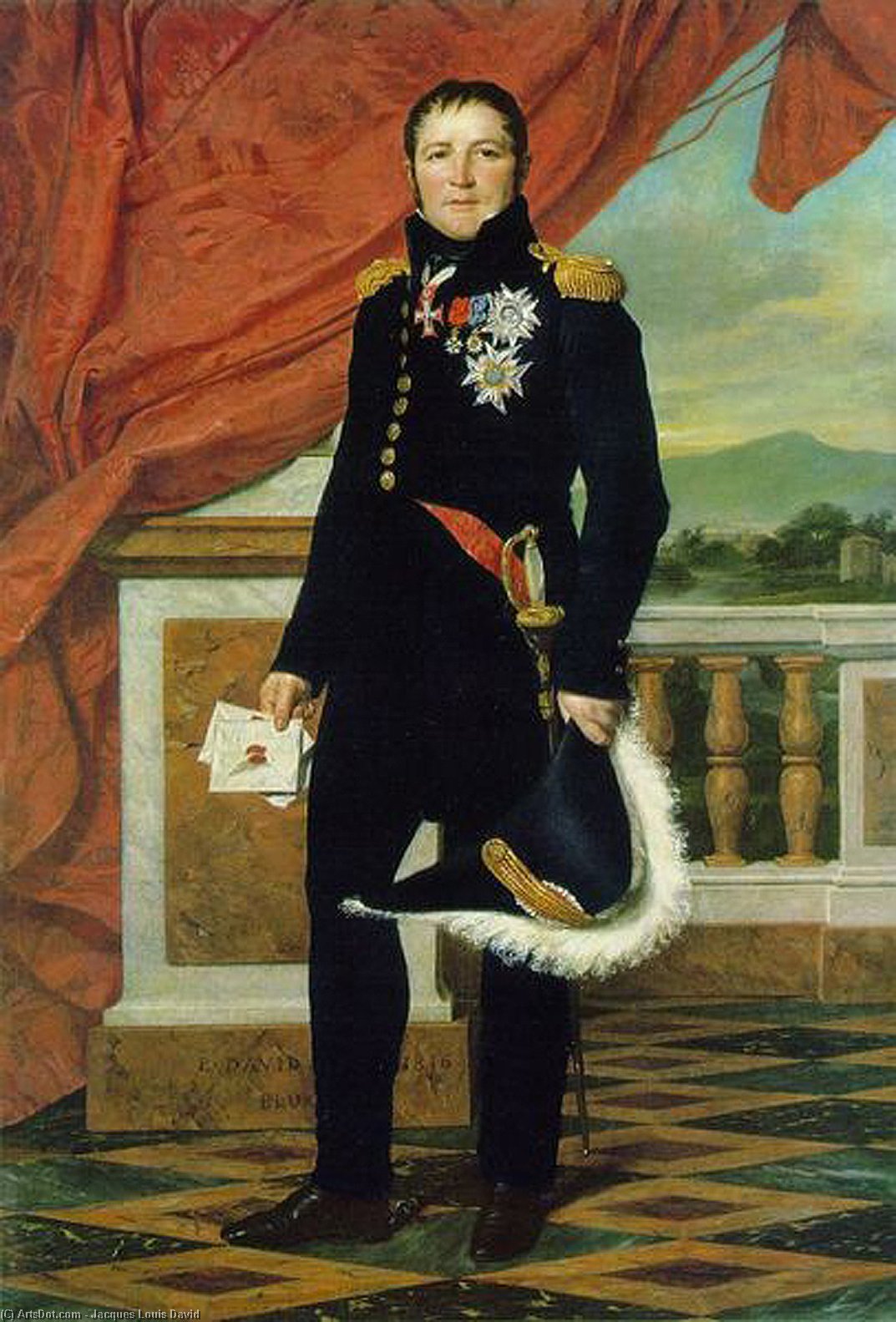
Admire Jacques-Louis David's 'Etienne Maurice Gerard,' a powerful portrait of a Napoleonic general. Witness his exceptional skill & the era’s spirit through bold brushstrokes and regal detail.

Jacques-Louis David – pionier neoklasycyzmu i twórca obrazów rewolucyjnych oraz glorifikujących Napoleona Bonapartego. Jego dzieła, takie jak „Oaths of the Horatii”, symbolizują bohaterstwo i piękno klasycznej sztuki.

Giclée / Wydruk artystyczny

Druk giclée lub płótno o jakości muzealnej, szybka realizacja i szeroki wybór opcji wykończenia. (Przełącz na obraz ręcznie malowany Przełącz na obraz ręcznie malowanyPrzełącz na obraz Przełącz na obraz)

P118B $10
P118H $10
P118W $10
P438Z $10
P508JH $12
P508YH $12
P805H $10
P805Z $10
P919BZ $10
P919G $10
P919XJ $10
P959ZH $10
P968JZ $12
W106C $8
W218G $10
W218JH $8
W218Y $10
W307PJ $10
W316G $10
W316PJ $8
W316Y $10
W398PJ $8
W4111J $10
W500HY $15
W500JH $15
W692G $12
W849H $8
W940BG $15
W953PJ $8

Standard
custom
CM
INCH

Wybierz spośród naszych standardowych rozmiarów, które zachowują oryginalne proporcje dzieła sztuki.

szerokość
wysokość

Możesz wprowadzić własne wymiary, aby dopasować dzieło do konkretnej ramy lub przestrzeni. Jeśli wybrany rozmiar nie będzie odpowiadał proporcjom oryginalnego obrazu, przytniecie dzieło lub rozszerzymy obraz za pomocą odbicia lustrzanego lub jednolitego wypełnienia krawędzi. Przed rozpoczęciem produkcji prześlemy cyfrową wizualizację do Twojej akceptacji.
Prosimy pamiętać, że podgląd na ekranie nie odzwierciedla faktycznego przycinania ani rozszerzania. Tylko wizualizacja dokładnie pokaże końcową kompozycję.
Mimo dostępności niestandardowych rozmiarów, zalecamy wybór wymiaru z listy zdefiniowanej, aby zachować oryginalne proporcje.

Dostawa na cały świat () w ciągu 2 tygodni zamiast standardowych 4/5 tygodni. (11 Sierpień)

why_choose_icon
Bezpłatna ekspresowa wysyłka na cały świat
why_choose_icon
Wysokiej jakości płótno lniane
why_choose_icon
Pełne ubezpieczenie przesyłki
why_choose_icon
Gwarancja zwrotu należności celnych i podatków importowych
why_choose_icon
Gwarancja wiernego odwzorowania kolorów
why_choose_icon
Polityka 60-dniowego zwrotu (tylko w przypadku wad)
why_choose_icon
Gwarancja 100% zwrotu kosztów
why_choose_icon
Zniżka przy zamówieniu wielu produktów

Suma całkowita

$ 69

reproduction

Etienne Maurice Gerard

Giclée / Wydruk artystyczny

Wymiary reprodukcji

-

Cena całkowita

$ 69

Szybki podgląd

  • Artist: Jacques-Louis David
  • Location: Metropolitan Museum
  • Title: Etienne Maurice Gerard
  • Influences: Classical Art
  • Dimensions: 197.2 x 136.2 cm
  • Movement: Neoclassicism
  • Artistic style: Portraiture, Historical

Quiz o sztuce

Do każdego pytania dotyczy tylko jedna poprawna odpowiedź.

Pytanie 1:
What artistic movement is Jacques-Louis David most closely associated with?
Pytanie 2:
The painting 'Etienne Maurice Gerard' primarily depicts:
Pytanie 3:
What is a key characteristic of David's style as seen in 'Etienne Maurice Gerard'?
Pytanie 4:
The composition of 'Etienne Maurice Gerard' features a balcony. What does this likely symbolize?
Pytanie 5:
Which historical period does 'Etienne Maurice Gerard' primarily represent?

Opis kolekcjonerski

The Visionary’s Brush: Jacques-Louis David and Etienne Maurice Gerard

Jacques-Louis David's Etienne Maurice Gerard is more than just a portrait; it’s a meticulously crafted distillation of the Napoleonic era, a visual testament to military prowess, and a poignant reflection on the shifting tides of French history. Painted in 1816, shortly after Napoleon’s defeat and the subsequent exile of many prominent figures, this work captures General Gerard not merely as an individual, but as a symbol – a representation of France's past glory and its uncertain future. David, already a pivotal figure in the transition from Rococo to Neoclassical art, here masterfully employs the principles of his new style to elevate Gerard to heroic stature, imbuing the scene with a dramatic intensity that resonates far beyond a simple likeness.

The painting immediately draws the eye to Gerard’s commanding presence. He stands confidently on a balcony overlooking a distant landscape, his foot raised in a gesture of authority and control – a subtle yet powerful symbol of leadership. The composition is carefully balanced, utilizing strong diagonals created by the balcony railing and Gerard's stance to draw the viewer into the scene. David’s signature use of warm colors—rich reds, deep blues, and earthy browns—creates an atmosphere of power and gravitas, while his bold brushstrokes inject a sense of dynamism and movement into the otherwise formal arrangement.

Neoclassical Precision: A Study in Detail

David’s mastery of Neoclassical technique is evident in every meticulously rendered detail. The portrait showcases an extraordinary level of precision, particularly in the depiction of Gerard's uniform and medals. Each button, each fold of fabric, each glimmering emblem is painstakingly depicted, reflecting David’s dedication to accuracy and his deep understanding of military attire. This attention to detail isn’t merely decorative; it serves to underscore Gerard’s status as a decorated officer and a national hero – a man who had earned the respect and admiration of his peers.

The background landscape, rendered in muted tones, provides a dramatic backdrop for Gerard's figure. The distant mountains, visible through the hazy atmosphere, evoke a sense of vastness and timelessness, anchoring the portrait within the broader context of French history. Note also the subtle inclusion of architectural elements – the balustrade, the chairs—that subtly reinforce the Neoclassical aesthetic, grounding the scene in classical ideals of order and harmony.

Symbolism and Historical Context

Etienne Maurice Gerard is deeply embedded within the complex political and social landscape of post-revolutionary France. Gerard himself was a significant figure during the Napoleonic Wars, known for his bravery and strategic acumen. However, David’s portrayal transcends mere biographical representation; it speaks to the broader themes of power, ambition, and national identity that defined the era. The confident expression on Gerard's face—a subtle hint of determination mingled with quiet authority—suggests a man who has weathered storms and emerged victorious.

The painting’s creation coincided with a period of political instability in France, following Napoleon’s defeat and the restoration of the Bourbon monarchy. David, himself exiled from Paris, used this portrait as an opportunity to revisit his Neoclassical style and to celebrate the ideals of the past—a deliberate act of defiance against the prevailing conservative forces. The work can be interpreted as a nostalgic yearning for a bygone era of grandeur and military glory, while simultaneously serving as a reminder of France’s enduring legacy in the world of art and culture.

At TopImpressionists.com, we are proud to offer meticulously hand-painted reproductions of Etienne Maurice Gerard, capturing David's exceptional skill and the painting's dramatic intensity with unparalleled fidelity. Whether you choose a canvas print or an oil-painted replica, our artisans will ensure that every detail is rendered with precision and care, allowing you to bring this iconic masterpiece into your home or office.

To learn more about Jacques-Louis David and his remarkable career, please visit Jacques Louis David’s page on TopImpressionists. For further insights into the painting's historical context and artistic influences, we recommend exploring Jacques Louis David on Wikipedia and Neo-Classicism Art Movement on TopImpressionists.


O artyście

A Brushstroke Across Revolution: The Life and Art of Jacques-Louis David

Jacques-Louis David, born in Paris in 1748, was more than just a painter; he was a visual chronicler of an era defined by upheaval, idealism, and the relentless pursuit of new orders. His life mirrored the dramatic shifts unfolding across France – from the waning opulence of the Rococo to the austere clarity of Neoclassicism, and ultimately, through the tumultuous years of revolution and Napoleonic glory. A childhood marked by the early loss of his father and a facial impediment that initially hindered his speech seemed only to sharpen his observational skills and fuel an unwavering dedication to artistic mastery. Though initially apprenticed to François Boucher, David quickly found himself drawn to the more morally resonant work of Joseph-Marie Vien, whose emphasis on history painting and classical subjects resonated with a burgeoning sense of purpose within the young artist. His early attempts to win the prestigious Prix de Rome were fraught with frustration, yet these repeated setbacks only intensified his resolve, forging a relentless perfectionism that would characterize his entire career.

The Birth of Neoclassical Drama

David’s artistic evolution wasn't merely a stylistic shift; it was a philosophical statement. He rejected the frivolous ornamentation and playful themes of the Rococo, embracing instead the clarity, order, and moral seriousness inherent in classical antiquity. This commitment was profoundly influenced by archaeological discoveries at Pompeii and Herculaneum, which unveiled a world of Roman art and architecture previously lost to time. These unearthed ruins provided him with an idealized vision of republican virtue and civic duty – principles he would translate into his paintings. His breakthrough came with “Oath of the Horatii” (1784), a painting that transcended mere artistic skill to become an emblem of civic virtue and patriotic sacrifice. The stark composition, dramatic lighting, and precise draftsmanship were revolutionary, signaling a decisive break from the past. It wasn’t simply *what* he painted but *how* – a deliberate construction designed to evoke powerful emotional responses and inspire contemplation on themes of duty, honor, and self-sacrifice. The figures are rendered with an almost sculptural quality, their bodies conveying both strength and vulnerability, while the pyramidal composition creates a sense of stability and order. This work didn't just announce a new style; it foreshadowed the ideological currents that would soon sweep across France.

Revolution and Remembrance: Art as Political Weapon

As the French Revolution erupted in 1789, David was not merely an observer but an active participant. A fervent supporter of the revolutionary cause and a close associate of Maximilien Robespierre, he saw art as a powerful tool for shaping public opinion and immortalizing the ideals of the new republic. His paintings during this period became potent symbols of revolutionary martyrdom and republican fervor. Perhaps his most iconic work from this era is “The Death of Marat” (1793), a hauntingly realistic depiction of the assassinated journalist, transformed into a secular saint. The painting’s stark simplicity – the pale body, the makeshift desk, the poignant letter clutched in Marat's hand – elevates the scene to a level of profound emotional resonance. David deliberately chose to depict Marat in a state of vulnerability and suffering, emphasizing his sacrifice for the cause of liberty. This image was widely circulated throughout revolutionary Paris, serving as a powerful reminder of the price of freedom. He also created “The Death of Socrates” (1787) and "The Lictors Bringing Brutus the Bodies of His Sons" (1789), both exploring themes of sacrifice and civic duty in the face of tyranny. During this time, David served on the Committee of Public Safety, a testament to his commitment to the revolution.

From Revolution to Empire: Serving Napoleon

The fall of Robespierre marked another turning point in David’s career. With remarkable adaptability, he navigated the shifting political landscape and aligned himself with Napoleon Bonaparte, becoming the First Consul’s official court painter. This new patronage ushered in a period of grand-scale commissions designed to glorify Napoleon’s victories and achievements. “Napoleon Crossing the Alps” (1801-1805) is perhaps the most famous example – a masterful piece of propaganda that presents Napoleon as a heroic, almost mythical figure conquering both nature and adversity. The painting utilizes dramatic lighting, dynamic composition, and carefully chosen details to create an image of unparalleled grandeur and power. “The Coronation of Napoleon” (1807), an immense canvas capturing the opulence and grandeur of the imperial ceremony, further cemented David’s position as the preeminent artist of the Napoleonic era. During this time, his palette subtly shifted, incorporating warmer Venetian colours while maintaining the precision and clarity that defined his style. He also produced portraits of Napoleon and other prominent figures, solidifying his role as the Emperor's official visual propagandist.

Legacy and Influence

The Bourbon Restoration in 1814 brought renewed peril for David, whose association with the fallen Napoleon made him a target of persecution. He chose exile in Brussels in 1816, where he continued to paint and teach until his death on December 29, 1825. Despite facing political challenges, David’s influence remained profound. He trained numerous pupils, including Jean-Auguste-Dominique Ingres, who would become one of the most important neoclassical painters of the 19th century. David's emphasis on draftsmanship, composition, and historical accuracy left an indelible mark on French art. *His legacy extends beyond mere imitation*; his expressive distortions of form and space even foreshadowed the innovations of later artists like Henri Matisse and Pablo Picasso. Jacques-Louis David was not simply a painter of his time; he *defined* it, capturing its spirit of revolution, ambition, and enduring ideals on canvas for generations to come.
Jacques-Louis David

Jacques-Louis David

1748 - 1800 , Francja

Krótka nota

  • Artistic Movement Or Style: Neoklasycyzm
  • Artists Or Movements Influenced By This Artist:
    • Ingres
    • Matisse
  • Artists Who Influenced This Artist:
    • Vien
    • Poussin
  • Date Of Birth: 30 VIII 1748
  • Date Of Death: 29 DC 1825
  • Full Name: Jacques-Louis David
  • Nationality: Francuz
  • Notable Artworks:
    • Oaths Horatii
    • Śmierć Marata
    • Napoleon na Alpach
  • Place Of Birth: Paryż, Francja
Odkryj dzieła sztuki uporządkowane według tematów, stylów i cech charakterystycznych.
© TopImpressionists.com — Wszelkie prawa zastrzeżone  ·  100% Ręcznie malowane · Gwarancja satysfakcji · Darmowa wysyłka na cały świat
VISA MASTERCARD





































