

Przedstawiony: · Wraz z ramą:
 Podgląd w skali 1:1
 Wyślij jako kartkę
 Udostępnij
 Szczegóły dzieła
 Przewodnik

 Pobierz obraz
 Podobne obiekty
 RTG
RTG Pokaz slajdów
 Pytania i odpowiedzi
 Statystyki
zł 1052
Ręcznie malowana reprodukcja olejowa
Ręcznie malowany obraz olejny na płótnie, wykonany na zamówienie przez naszych artystów w wybranym przez Ciebie wymiarze i oprawie. ( Przełącz na wydania drukowane Przejdź do wersji cyfrowej)
Wymiar
·Standardowy format
personalizowane
CM
INCH
Wybierz spośród naszych standardowych rozmiarów, które zachowują oryginalne proporcje dzieła sztuki.
Ładowanie rozmiarów...

szerokość
wysokość
Wpisz wymaganą szerokość i wysokość, aby obraz pasował do Twojej ramy lub ściany. Ponieważ jest to dzieło malowane ręcznie, w przypadku rozmiaru o innych proporcjach artysta może domalować nieco więcej wokół obrazu lub przyciąć jego fragmenty — wybór należy do Ciebie. Przed rozpoczęciem pracy prześlemy Ci cyfrową wizualizację do zatwierdzenia. Obraz widoczny na tej stronie nie przedstawia rzeczywistego efektu — jedynie wizualizacja oddaje realny rezultat.
 Dowiedz się więcej
Wykończenie
·
Białe krawędzie zł1

rozmyte krawędzie zł1

Przedłużony zł1

P118B zł10

P118H zł10

P118W zł10

P438Z zł10

P508JH zł12

P508YH zł12

P805H zł10

P805Z zł10

P919BZ zł10

P919G zł10

P919XJ zł10

P959ZH zł10

P968JZ zł12

W106C zł8

W218G zł10

W218JH zł8

W218Y zł10

W307PJ zł10

W316G zł10

W316PJ zł8

W316Y zł10

W398PJ zł8

W4111J zł10

W500HY zł15

W500JH zł15

W692G zł12

W849H zł8

W940BG zł15

W953PJ zł8

H24-GOLD zł30

H24-SILVER zł30

H36-GOLD zł45

H36-SILVER zł45
Dostarczane w ochronnej tubie, gotowe do oprawienia przez Twojego ramiarza.
Dodatki
opcjonalneCo obejmują dodatki?
Przykłady możliwych zmian: Zastąpienie twarzy zdjęciem klienta; Dodanie zwierzęcia (np. zamiana kota na psa); Ukrycie wiadomości w tle; Zmiana krajobrazu lub elementów tła.
Po złożeniu zamówienia zespół TopImpressionists.com skontaktuje się z klientem drogą mailową w celu uzyskania instrukcji i prześle podgląd projektu
Po złożeniu zamówienia zespół TopImpressionists.com skontaktuje się z klientem drogą mailową w celu uzyskania instrukcji i prześle podgląd projektu
Dostawa na całym świecie () w ciągu 3–4 tygodni zamiast standardowych 5 tygodni. (8 Listopad). Bez kompromisów w kwestii jakości.
Lakier ochronny
Etykieta obiektu
Szczegóły grawerowanej brązowej tabliczki
This elegant plaque features the artist's name and the title of the artwork, finely engraved for a timeless presentation.
It is made from bronze with a refined, elegant finish. The text is precisely laser-engraved for a sharp and permanent result. Measuring 9x2 cm, the plaque is compact yet easy to read. It's built to be durable and scratch-resistant, offering a professional, museum-quality look. Mounting is simple thanks to the included adhesive backing.
Szczegóły przezroczystej tabliczki akrylowej
The plaque includes essential engraved details such as the artist's name, the title of the artwork, the date it was created, the type of media used-like oil on canvas or watercolor-a brief description of the piece, and a QR code that links to the complete artwork information.
It is crafted from clear acrylic, offering a sleek, modern appearance. The text is UV-engraved in black to ensure strong visual contrast. With a size of 10x15 cm, it ensures optimal readability. It comes equipped with two metal hooks for secure wall mounting. The plaque is designed to be weather-resistant, making it suitable for various environments, and it includes interactive features that work seamlessly with smartphone scanning.
Szczegóły czarnej tabliczki akrylowej
This elegant plaque includes engraved information such as the artist's name, the title of the artwork, the date it was created, the type of media used (like oil on canvas or watercolor), a short description of the artwork, and a QR code for quick access to more information.
The plaque itself is made from refined black acrylic with a premium finish. The text is laser-engraved in white for high contrast and readability. Its size is 10x15 cm, designed to be easy to read. It comes with two metal hooks for professional mounting. The design is sleek and fits any interior style. It is also weather-resistant and durable, with built-in digital integration for mobile compatibility.
Opcja ze szkłem jest dostępna wyłącznie w rozmiarach poniżej 110 cm
 Opcja ze szkłem jest dostępna wyłącznie w rozmiarach poniżej 110 cm
- Bezpłatna ekspresowa wysyłka na cały świat
- Wysokiej jakości płótno lniane
- Pełne ubezpieczenie przesyłki
- Gwarancja zwrotu należności celnych i podatków importowych
- Gwarancja wiernego odwzorowania kolorów
- 100-dniowa polityka zwrotów (tylko w przypadku wad)
- Gwarancja 100% zwrotu pieniędzy
- Zniżka przy zakupie wielu sztuk


Opis obiektu
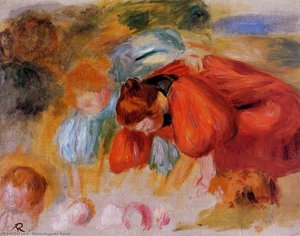
This painting showcases Ensor's ability to convey movement and energy through his compositions. It’s a prime example of Expressionism, utilizing distorted forms and exaggerated features to express intense emotions.
Biografia artysty
James Ensor (1860-1949) – belgijski malarz, pionier ekspresjonizmu i surrealizmu. Jego dzieła pełne są masek, karnawału i groteskowych scen. Odkryj świat jego niepokojących obrazów!
O obrazie
A World Distorted – James Ensor’s *Les Ballerines*
James Ensor's *Les Ballerines*, painted in the late 19th century, isn’t merely a depiction of dancers; it’s an immersion into a fever dream, a carefully constructed tableau of unsettling energy and psychological depth. This work, a cornerstone of Expressionism, pulsates with a raw emotionality rarely found in academic art of its time. Ensor, born in Ostend, Belgium – a city steeped in maritime history and cultural exchange between England and France – was profoundly shaped by his upbringing amidst the vibrant chaos of a seaside resort town. His parents’ souvenir shop, overflowing with exotic masks, shells, and curiosities, provided an unparalleled visual feast, fueling a lifelong fascination with disguise, performance, and the hidden anxieties beneath the surface of everyday life. *Les Ballerines* is a direct manifestation of this preoccupation, a deliberate fracturing of reality to expose the unsettling truths it conceals.
The Dance of Distortion: Style and Technique
Ensor’s approach to composition is deliberately disorienting. The scene unfolds with a frenetic energy, populated by figures caught in various states of movement – dancers frozen mid-step, horses straining at their harnesses, and women observing the spectacle from different vantage points. Bold brushstrokes dominate the canvas, creating a sense of immediacy and urgency. Colors are applied with an almost violent intensity; reds, yellows, and greens clash and vibrate, contributing to the painting’s overall feeling of unease. Notice how Ensor employs a flattened perspective, pushing figures forward and blurring spatial relationships – a technique that further intensifies the sense of claustrophobia and disorientation. The use of impasto, applying paint thickly to the surface, adds texture and physicality, as if the scene itself is struggling to contain its own turbulent energy. It’s a masterful demonstration of how color, brushwork, and composition can be used to evoke powerful emotional responses.
Symbolism Within the Spectacle
*Les Ballerines* is rich in symbolic layers, inviting multiple interpretations. The dancers themselves represent not just performers but also figures trapped within societal expectations – their movements constrained by the demands of the stage and the watchful eyes of the audience. The horses, often associated with power and movement, here seem restless and agitated, mirroring the underlying tension of the scene. The presence of a chair, positioned as a point of relative stability amidst the chaos, suggests a fleeting moment of respite or perhaps an acknowledgement of the fragility of order. Even the setting – a dimly lit interior – contributes to the painting’s atmosphere of mystery and foreboding. The inclusion of masks, so central to Ensor's artistic vocabulary, hints at the idea that appearances are deceptive and that individuals often conceal their true selves behind carefully constructed facades.
A Bridge Between Eras: Expressionism and Beyond
*Les Ballerines* stands as a pivotal work in the development of Expressionism, anticipating the movements of artists like Edvard Munch and Wassily Kandinsky. Ensor’s deliberate distortion of form and his focus on conveying intense emotions – fear, anxiety, and alienation – paved the way for later avant-garde styles. His exploration of psychological themes and his willingness to challenge conventional artistic norms were revolutionary for his time. The painting's influence can be seen in the works of Surrealists like Salvador Dalí and even in the vibrant color palettes of Fauvist painters. Studying *Les Ballerines* offers a valuable window into the origins of these influential movements, demonstrating how Ensor’s unique vision laid the groundwork for future generations of artists to explore the darker corners of the human psyche.
Bringing *Les Ballerines* Home: A Reproduction for Your Space
TopImpressionists.com offers meticulously crafted hand-painted reproductions of James Ensor's *Les Ballerines*, allowing you to experience the power and intensity of this iconic artwork in your own home or office. Our skilled artisans replicate Ensor’s distinctive style with exceptional accuracy, capturing the painting’s dynamic composition, vibrant colors, and unsettling atmosphere. Whether you are an art enthusiast, a collector seeking a unique addition to your collection, or simply someone drawn to the beauty of Expressionist art, our reproductions provide a stunning and authentic representation of this remarkable masterpiece. Explore the full range of sizes and canvas options available on TopImpressionists.com – and bring the captivating world of *Les Ballerines* into your space.
Pytania i odpowiedzi
Do czego zaleca się wykorzystanie wydruku "Les Ballerines"?
Reprodukcja dzieła „Les Ballerines” – James Ensor jest polecana do Statement. Sugestia ta wynika z tematyki, nastroju oraz kolorystyki pracy.
Do jakiego pomieszczenia, biorąc pod uwagę kolorystykę, polecane jest dzieło „Les Ballerines” – James Ensor?
Dzięki swojej palecie barw Dark, dzieło „Les Ballerines” – James Ensor idealnie sprawdzi się w Living Room. Kolorystyka jest jedną z przyczyn tej rekomendacji.
Do jakiego nurtu należy "Les Ballerines"?
„Les Ballerines” – James Ensor należy do nurtu Expressionist Style. Nurt ten stanowi stylistyczny kontekst dzieła.
Najważniejsze informacje i quiz o sztuce
O James Ensor

James Ensor
1860 - 1949, Belgia
Biografia artysty
A Life Immersed in Masks and Shadows: The World of James Ensor
James Sidney Edouard Ensor, urodzony w Ostendzie w 1860 roku, wyłonił się z fascynującego połączenia kultur – jego ojciec był Anglem, a matka Belgiszką. Ta dwójność prawdopodobnie zapowiedziała jego życiu pasję do masek i przebierania, motywów, które miały dominować w jego niepokojącym, lecz hipnotyzującym dorobku artystycznym. Dorastając w tętniącej życiem atmosferze nadmorskiego kurortu, młody James głęboko ukształtował się przez klimat karnawałów i niezwykłości. Jego rodzice prowadzili sklep pamiątkarski, w którym sprzedawano muszle, maski karnevalowe i dziwaczne przedmioty – niemalże gabinet cudów, który rozbudził jego wyobraźnię i dostarczył bogate wizualne źródło dla przyszłej sztuki. Początkowo niechętnie przyjmując tradycyjne studia akademickie, Ensor ostatecznie zapisał się do Akademii Sztuk Pięknych w Brukseli, ale uważał jej sztywne struktury za stłumiające jego rozwijające się wizje artystyczne. Szybko zdał sobie sprawę, że musi wytyczyć własną drogę, jedną, która poprowadzi go daleko poza konwencjonalne granice.From Somber Realism to Grotesque Visions
Wczesne obrazy Ensora odzwierciedlały bardziej tradycyjny styl, przedstawiając sceny z życia codziennego w ponurych barwach. Dzieła takie jak *Muzyka Rosyjska* (1881) i *Pijacy* (1883) ujawniają talent dopiero rozwijający się, walczący z realizmem, ale nawet w tych wczesnych dziełach obecne są wskazówki dotyczące niepokojących obrazów, które miały pojawić się później. Przewrót nastąpił, gdy paleta Ensora rozjaśniła się, a jego motywy stały się coraz bardziej dziwaczne. Zaczął wypełniać swoje płótna karnawałami, szkieletami, kukłami i alegorycznymi postaciami – światem zanurzanym w fantazji i często graniczącym z groteską. Nie była to jedynie zmiana stylistyczna; była to celowe badanie ciemniejszych aspektów ludzkiego istnienia, odrzucenie norm społecznych i przyjęcie irracjonalności. Jego styl natychmiast stał się rozpoznawalny dzięki zdecydowanym pociągnięciom pędzlem, jaskrawym kolorom i teatralnej jakości – unikalnemu językowi wizualnemu. Wpływ otaczającego go dzieciństwa był niepodważalny: maski karnevalowe nie były jedynie elementami dekoracyjnymi; były symbolami ukrytych tożsamości, krytyki społecznej i kruchości pozorów.Masterpieces of Disquiet: Key Works and Recurring Themes
Przez całą karierę Ensor tworzył serię dzieł, które nadal szokują i fascynują odbiorców. *Maski Zdezorientowane* (1883) stanowi wczesne świadectwo jego fascynacji mocą przebierania i zdolnością do ujawniania ukrytych emocji. Być może najbardziej kontrowersyjnym dziełem jest *Wejście Chrystusa do Brukseli* (1888-1889), które pozostaje potężną satyrą religijnej hipokryzji i obojętności społecznej – obraz, który początkowo spotkał się z surowymi krytykami, ale dziś jest uznawany za arcydzieło. Niepokojący obraz Chrystusa wchodzącego do miasta pełnego groteskowych, zamaskowanych postaci stanowi potężną refleksję nad rozłamem między idealami duchowymi a ludzkim zachowaniem. *Szkielety Walczące o Zawieszonego Człowieka* (1891) oferuje ponure medytacje na temat śmierci, rozkładu i absurdu życia, podczas gdy *Uciszenie Świętego Antoniego* (1887) zagłębia się w złożone tematy alegoryczne dotyczące pokusy, grzechu i walki duchowej. Powtarzają się one we wszystkich jego dziełach: eksploracje śmierci, krytyki społecznej, satyry religijnej i nieograniczonej mocy wyobraźni – motywy, które rezonują z ponadczasową istotnością.A Pioneer of Modernism: Influences and Legacy
Chociaż Ensor opierał się na łatwym przypisaniu go do konkretnych nurtów, jego dziedzina artystyczna jest złożona i fascynująca. Przyznawał wpływy od mistrzów takich jak Pieter Bruegel the Elder, których zatłoczone sceny i moralizujące narracje rezonowały z jego własną wizją, a także Francisco Goi, którego mroczna poczucia humoru i bezkompromisowe przedstawienia ludzkiego cierpienia pozostawiły trwałe wrażenie. Wpływ Jamesa Abbott McNeilla Whistlera, który kładł nacisk na estetyzm, również wpłynął na jego wyobraźnię artystyczną. Jednak Ensor nie był jedynie imitatorem; syntetyzował te wpływy w coś zupełnie nowego i oryginalnego. Jest powszechnie uznawany za kluczową postać w przejściu z XIX-wiecznego Symbolizmu do wczesnego ekspresjonizmu i surrealizmu – prawdziwego pioniera sztuki nowoczesnej. Jego odważne badanie podświadomości, przyjęcie groteskowych obrazów i odrzucenie konwencji akademickich wytyczyli drogę dla przyszłych pokoleń artystów, którzy ośmieli się kwestionować normy artystyczne. Pomimo początkowego oporu, Ensor ostatecznie zyskał uznanie w swoim późniejszym życiu, otrzymując tytuł barona przez króla Alberta I w 1929 roku i Legję Honoru w 1933 roku. Zmarł w Ostendzie w 1949 roku, pozostawiając po sobie dorobek artystyczny, który nadal fascynuje, szokuje i inspiruje. *Jego dziedzictwo trwa jako świadectwo siły sztuki do konfrontacji z niepokojącymi prawdami i badania głębin ludzkiego istnienia.*Krótkie informacje o James Ensor
- Artistic Movement Or Style: Ekspresjonizm, Surrealizm
- Artists Or Movements Influenced By This Artist:
- Ekspresjonizm
- Surrealizm
- Artists Who Influenced This Artist:
- Bruegel
- Goya
- Whistler
- Date Of Birth: 13 kwietnia 1860
- Date Of Death: 19 listopada 1949
- Full Name: James Sidney Edouard Ensor
- Nationality: Belgijski
- Notable Artworks:
- Wjazd Chrystusa
- Intryga
- Maski i śmierć
- Place Of Birth: Ostend, Belgia
Podobne dzieła



Odkryj dzieła sztuki uporządkowane według tematów, stylów i cech charakterystycznych.


James Ensor
Les Ballerines
() ·
Wraz z ramą: · Ręcznie malowane farbami olejnymi na płótnie lnianym
Suma