


 Zobacz w skali 1:1
 Wyślij
 Udostępnij
 Szczegóły
 Przewodnik

 Pobierz plik obrazu
 Podobne obiekty
 RTG
RTG Pokaz slajdów
 Statystyki
Judith


A dramatic Renaissance painting of Judith slaying Holofernes, showcasing Jan Sanders van Hemessen's masterful realism and moral storytelling. A captivating piece of art history.
 Czytaj więcej
Jan Sanders van Hemessen (ok. 1500-1566) był kluczowym flamandzkim malarzem renesansu szkoły romanistycznej, znanym z pionierskich scen rodzajowych i moralizatorskich obrazów z niezwykłym, współczesnym detalem.
Giclée / Wydruk artystyczny
Wydruki giclée lub płótna o jakości muzealnej, szybka realizacja i szeroki wybór opcji wykończenia. ( Kup ręcznie malowany obraz Przełącz na wersję cyfrową)




P118B zł10

P118H zł10

P118W zł10

P438Z zł10

P508JH zł12

P508YH zł12

P805H zł10

P805Z zł10

P919BZ zł10

P919G zł10

P919XJ zł10

P959ZH zł10

P968JZ zł12

W106C zł8

W218G zł10

W218JH zł8

W218Y zł10

W307PJ zł10

W316G zł10

W316PJ zł8

W316Y zł10

W398PJ zł8

W4111J zł10

W500HY zł15

W500JH zł15

W692G zł12

W849H zł8

W940BG zł15

W953PJ zł8




Standardowy
na zamówienie
CM
INCH
Wybierz spośród naszych standardowych rozmiarów, które zachowują oryginalne proporcje dzieła sztuki.
Loading sizes...

szerokość
wysokość
Wpisz wymaganą szerokość i wysokość, aby dopasować grafikę do ramy lub ściany. Wydruk można jedynie przyciąć, nigdy nie powiększając go poza oryginalny obraz, dlatego format o innym proporcji spowoduje utratę części kompozycji. Przed rozpoczęciem druku prześlemy Ci cyfrowy podgląd do zatwierdzenia. Obraz wyświetlany na tej stronie nie pokazuje rzeczywistego przycięcia — jedynie podgląd oddaje ten efekt.
Dostawa na cały świat () w ciągu 2 tygodni zamiast standardowych 4/5 tygodni. (25 Październik)

Bezpłatna ekspresowa wysyłka na cały świat

Wysokiej jakości płótno lniane

Pełne ubezpieczenie transportowe

Gwarancja zwrotu należności celnych i podatków importowych

Gwarancja idealnego odwzorowania barw

100-dniowy okres na zwrot dzieła w przypadku wykrycia wad produkcyjnych

Gwarancja 100% zwrotu pieniędzy

Oferta przy zakupie wielu sztuk
 Opcja ze szkłem jest dostępna wyłącznie w rozmiarach poniżej 110 cm

Judith
Giclée / Wydruk artystyczny
Rozmiar reprodukcji
-


Suma do zapłaty
zł 265
Jan Sanders van Hemessen’s “Judith” – A Masterpiece of Moral Drama
Jan Sanders van Hemessen's "Judith," painted around 1540, isn’t merely a depiction of a biblical tale; it’s a meticulously crafted moral drama rendered with the vibrant realism and psychological depth characteristic of the Northern Renaissance. This arresting image captures the pivotal moment when Judith, the courageous Jewish widow, delivers the fatal blow to Holofernes, the Assyrian general, thereby saving her besieged city. Van Hemessen, a key figure in the burgeoning Flemish genre painting movement, elevates this ancient story into a compelling meditation on female strength, strategic cunning, and divine justice – all presented with an astonishing level of detail and emotional resonance.
The composition immediately commands attention. Judith is not portrayed as a delicate heroine; instead, she’s depicted as a powerfully muscled figure, her body taut with effort and determination. Her profile, turned towards the viewer, conveys both resolve and a hint of grim satisfaction. The severed head of Holofernes, held aloft in her other hand, isn't presented in a gruesome manner but rather as a stark symbol of vanquished tyranny. Van Hemessen masterfully utilizes chiaroscuro – the dramatic interplay of light and shadow – to sculpt Judith’s form and emphasize the weight of her action. The dark background serves not as mere backdrop but as a stage upon which this decisive moment unfolds, drawing all focus onto the central figures.
A Renaissance Vision: Style and Technique
Van Hemessen's style is deeply rooted in the artistic traditions of Italy, particularly the work of Michelangelo and Raphael. He absorbed their emphasis on idealized human forms, dynamic poses, and a profound understanding of anatomy. However, he skillfully adapted these influences to create a distinctly Northern Renaissance aesthetic. The painting’s realism is remarkable; from the intricate folds of Judith's dress to the texture of Holofernes’s beard and the glistening blood staining his face, every detail is rendered with painstaking precision. Van Hemessen was renowned for his ability to capture the nuances of human expression, evident in Judith’s focused gaze and the subtle hint of triumph in her posture.
The painting's technique showcases van Hemessen’s mastery of oil paint. He employed a layering approach, building up color gradually to achieve rich, luminous effects. The use of impasto – applying thick layers of paint directly onto the canvas – adds texture and depth to the figures and background. This meticulous attention to detail is further enhanced by his skillful handling of light and shadow, creating a sense of three-dimensionality that brings the scene vividly to life.
Symbolism and Narrative Depth
Beyond its visual beauty, “Judith” is laden with symbolic meaning. The story itself carries significant weight within Jewish tradition, representing themes of courage, faith, and resistance against oppression. Judith’s actions are not simply a violent act but an embodiment of strategic intelligence and righteous defiance. The depiction of Judith as a physically strong woman challenging a powerful male figure speaks to the Renaissance fascination with female agency – a theme that was increasingly explored in art during this period.
Furthermore, the painting can be interpreted as a broader allegory for the triumph of good over evil. Holofernes represents the forces of tyranny and corruption, while Judith embodies virtue and justice. The act of decapitation symbolizes the ultimate defeat of these forces, suggesting that moral strength and strategic action can overcome even the most formidable adversaries. The inclusion of the severed head is not intended to glorify violence but rather to underscore the consequences of injustice and the necessity of resistance.
A Legacy of Moralizing Art
“Judith” stands as a prime example of the moralizing art that flourished in the Netherlands during the 16th century. Artists like van Hemessen sought to create works that not only depicted biblical stories but also conveyed important ethical and religious lessons. This painting, with its compelling narrative, masterful technique, and profound symbolism, continues to resonate with viewers today – a testament to the enduring power of art to illuminate human experience and inspire reflection.
Pytania i odpowiedzi
Czy mogę użyć rozszerzonej rzeczywistości, aby zobaczyć „Judith” autorstwa Jan Sanders Van Hemessen w swoim pokoju?
Strona Podgląd AR dzieła „Judith” autorstwa Jan Sanders Van Hemessen wykorzystuje rozszerzoną rzeczywistość, aby pokazać obraz w Twojej własnej przestrzeni za pomocą kompatybilnego urządzenia.
Jaka jest data powstania dzieła „Judith” autorstwa Jan Sanders Van Hemessen?
Dzieło „Judith” autorstwa Jan Sanders Van Hemessen powstało w 1540.
Jakie emocje przekazuje dzieło "Judith" należące do nurtu Northern Renaissance?
"Judith" niesie ze sobą Melancholic wydźwięk emocjonalny w obrębie nurtu Northern Renaissance.
Biografia artysty
Jan Sanders van Hemessen: Pionier flamandzkiego malarstwa rodzajowego
Jan Sanders van Hemessen (ok. 1500 – ok. 1566) jawi się jako postać kluczowa w historii flamandzkiego renesansu, szczególnie ceniona za swoje przełomowe dokonania w dziedzinie malarstwa rodzajowego oraz mistrzowskie przedstawianie scen o charakterze moralizatorskim, przesyconych niezwykłą dbałością o współczesne detale. Urodzony około 1500 roku w Hemiksem w Belgii – będącej wówczas częścią Księstwa Brabancji – van Hemessen rozpoczął swoją artystyczną wędrówkę pod okiem Hendricka van Cleve I w Antwerpii, co pozwoliło mu trwale wpisać się w tętniące życiem środowisko artystyczne rozkwitających Niderlandów renesansowych. Jego lata formacyjne zostały naznaczone głębokim zaangażowaniem w ideały klasyczne i humanistyczną naukę, zasilane kontaktem z antycznymi wzorcami, takimi jak Laokoön czy rzeźby Michała Anioła – wpływy te przeniknęły przez całe jego późniejsze dzieło.- Wczesna edukacja i podróże: Uczniostwo u van Hemessena zaszczepiło w nim fundamentalne umiejętności warsztatowe i poszerzyło jego horyzonty dzięki wyprawom do Włoch na początku lat 20. XVI wieku. Ta przełomowa wizyta pozwoliła mu zanurzyć się w artystycznym żarze Florencji i Rzymu, chłonąc innowacje stylistyczne promowane przez Leonarda da Vinci i Michała Anioła – artystów, których monumentalne osiągnięcia głęboko wpłynęły na język wizualny ich epoki. Co istotne, w połowie 1536 roku udał się również do Fontainebleau pod Paryżem, gdzie na własne oczy ujrzał rodzącą się „Pierwszą Szkołę Fontainebleau” – grupę włoskich artystów powołanych do zdobienia pałacu Franciszka I. Doświadczenie to utwierdziło jego zrozumienie estetyki manieryzmu i zapowiedziało zmiany stylistyczne, które miały zdefiniować tę erę.
- Wpływ romanizmu i styl artystyczny: Wrażliwość artystyczna van Hemessena idealnie współgrała z ruchem romanistów, frakcji w malarstwie flamandzkim głęboko wdzięcznej ideałom włoskiego renesansu. Romanisci dążyli do naśladowania przepychu i wyrafinowania sztuki florenckiej, stawiając na idealizowane formy i harmonijne kompozycje – podejście to odróżniało ich od dominujących w Europie Północnej tradycji gotyckich. Jego obrazy często zawierały elementy mitologii klasycznej i alegorii, co odzwierciedlało humanistyczną fascynację filozofią moralną oraz dyskursem intelektualnym.
Malarstwo rodzajowe i wizje moralizatorskie
Artystyczne dziedzictwo van Hemessena opiera się przede wszystkim na jego pionierskiej roli w ustanowieniu malarstwa rodzajowego jako odrębnej kategorii w sztuce flamandzkiej. W przeciwieństwie do ikonografii religijnej, która dominowała w większości malarstwa północnego renesansu, sceny rodzajowe chwytały codzienność, ukazując ludzi zaangażowanych w prozaiczne czynności i interakcje z bezkompromisowym realizmem. Jednak te przedstawienia nie były jedynie obserwacją; służyły jako narzędzia dydaktyki moralnej, przekazując zasady etyczne poprzez starannie skonstruowane narracje i symboliczną obrazowość. Jego słynne arcydzieło, „Syn marnotrawny”, genialnie egzemplifikuje tę podwójną funkcję. Osadzona na bogato szczegółowym tle karczmy – będącym świadectwem jego skrupulatnej uwagi do ówczesnych stylów architektonicznych i ubioru – scena rozwija się z dramatycznym napięciem, ilustrując centralne tematy przypowieści: pokutę i przebaczenie. Dzieło to zapowiadało tradycję „Wesołych kompanii”, która rozkwitła w kolejnych dekadach, dowodząc zdolności van Hemessena do nasycania tematów świeckich głębokim rezonansem duchowym.- Wybitne dzieła: Wśród jego licznych płócien znajdują się m.in. „Powołanie św. Mateusza”, przedstawiające biblijną scenę o niezwykłej głębi psychologicznej, oddającą namacalną atmosferę tętniącego życiem targowiska; „Alegoria Natury jako Matki Sztuki”, prezentująca złożoną kompozycję celebrującą twórczość artystyczną – dowód mistrzowskiego panowania van Hemessena nad formą i kolorem; oraz portrety znamienitych postaci, w tym samej Cathariny van Hemessen, co ukazuje jego wyjątkowy talent w chwytaniu podobieństwa i oddawaniu charakteru modela.
Dziedzictwo i znaczenie historyczne
Pomimo zniszczeń spowodowanych przez „Beeldenstorm” (ikonoklazm) w 1566 roku – który zdziesiątkował skarby artystyczne Antwerpii w okresie niepokojów religijnych – wpływ Jana Sandersa van Hemessena przetrwał, kształtując trajektorię sztuki flamandzkiej i czyniąc go jednym z czołowych artystów swoich czasów. Jego innowacyjne podejście do malarstwa rodzajowego rzuciło wyzwanie konwencjonalnym normom, wynosząc życie codzienne do sfery estetycznej kontemplacji i nadając mu znaczenie moralne. Co więcej, jego zaangażowanie w estetykę manieryzmu – charakteryzującą się stylizowanymi formami i dramatycznymi kontrastami – antycypowało rozwój stylistyczny, który wprowadził sztukę flamandzką w nową erę ekspresyjnego dynamizmu. Nieprzemijająca sława van Hemessena jako wizjonera jest świadectwem jego niezłomnego dążenia do doskonałości oraz niezatartego wkładu w dziedzictwo kulturowe Europy Północnej.
Jan Sanders Van Hemessen
1500 - 1566 , Belgia
Najważniejsze informacje
- Artistic Movement Or Style: Szkoła romanistyczna
- Artists Or Movements Influenced By This Artist: ['Pieter Aertsen']
- Artists Who Influenced This Artist: ['Hendrick van Cleve I']
- Date Of Birth: ok. 1500
- Date Of Death: ok. 1566
- Full Name: Jan Sanders van Hemessen
- Nationality: Flamandzki
- Notable Artworks:
- Syn marnotrawny
- Powołanie św. Mateusza
- Alegoria Natury jako Matki Sztuki
- Place Of Birth: Hemiksem, Belgia
Zobacz także powiązane artykuły

Rembrandt van Rijn: 25 Najwybitniejszych Dzieł Sztuki – Reprodukcje i Inspiracje do Wnętrz
Poznaj 25 arcydzieł Rembrandta van Rijn! Odkryj fascynujące historie, techniki i wpływ holenderskiego mistrza baroku na świat sztuki. Reprodukcje obrazów najwyższej jakości – inspiracje do wnętrz na TopImpressionists.com

Jan van Eyck: Innovation, Symbolism & the Dawn of Early Netherlandish Painting
Explore the revolutionary art of Jan van Eyck! Discover his groundbreaking oil painting techniques, hidden symbolism, and lasting impact on the Early Netherlandish Renaissance. A deep dive for art enthusiasts.

10 Arcydzieł Wczesnego Renesansu Niderlandzkiego: Sztuka i Dekoracja Domu
Odkryj 10 arcydzieł wczesnego renesansu niderlandzkiego! Poznaj historie van Eycka, Rogiera van der Weydena i innych mistrzów. Reprodukcje obrazów najwyższej jakości dla Twojego wnętrza – TopImpressionists.com

10 Arcydzieł Wczesnoniderlandzkiego Malarstwa, które Zdefiniowały Epokę | Reprodukcje Obrazów
Odkryj 10 arcydzieł wczesnoniderlandzkiego malarstwa! Poznaj historie van Eycka, Weydena i Memlinga. Reprodukcje obrazów najwyższej jakości dla Twojego wnętrza. Inspiracje i dekoracje ścienne na TopImpressionists.com
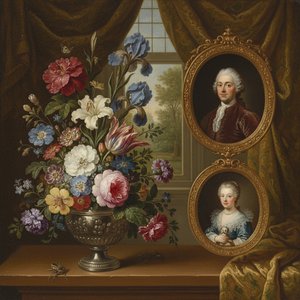
Jan van Kessel the Elder: A Baroque Master of Floral Still Life & Miniature Portraiture
Discover the exquisite detail of Jan van Kessel the Elder's Baroque floral still lifes & captivating miniatures. Explore his artistic legacy, scientific precision, and lasting influence on 17th-century Flemish painting.