


 Zobacz w skali 1:1
 Wyślij
 Udostępnij
 Szczegóły
 Przewodnik

 Pobierz plik obrazu
 Podobne obiekty
 RTG
RTG Pokaz slajdów
 Statystyki
The Animals
 Oil On Copper
- Baroque
 1660
1660 175.0 x 123.0 cm
 Muzeum Prado
Explore Jan van Kessel's 'The Animals,' a stunning 1660 painting depicting diverse wildlife & landscapes, showcasing the artist’s meticulous detail and scientific observation.
 Czytaj więcej
Jan van Kessel – mistrz subtelnych detali i obserwacji przyrody w XVII wieku. Jego realistyczne kwiaty, owady i krajobrazy fascynują do dziś! Pochodził z rodziny Brueghelów.
Giclée / Wydruk artystyczny
Wydruki giclée lub płótna o jakości muzealnej, szybka realizacja i szeroki wybór opcji wykończenia. ( Kup ręcznie malowany obraz Przełącz na wersję cyfrową)




P118B zł10

P118H zł10

P118W zł10

P438Z zł10

P508JH zł12

P508YH zł12

P805H zł10

P805Z zł10

P919BZ zł10

P919G zł10

P919XJ zł10

P959ZH zł10

P968JZ zł12

W106C zł8

W218G zł10

W218JH zł8

W218Y zł10

W307PJ zł10

W316G zł10

W316PJ zł8

W316Y zł10

W398PJ zł8

W4111J zł10

W500HY zł15

W500JH zł15

W692G zł12

W849H zł8

W940BG zł15

W953PJ zł8




Standardowy
na zamówienie
CM
INCH
Wybierz spośród naszych standardowych rozmiarów, które zachowują oryginalne proporcje dzieła sztuki.
Loading sizes...

szerokość
wysokość
Wpisz wymaganą szerokość i wysokość, aby dopasować grafikę do ramy lub ściany. Wydruk można jedynie przyciąć, nigdy nie powiększając go poza oryginalny obraz, dlatego format o innym proporcji spowoduje utratę części kompozycji. Przed rozpoczęciem druku prześlemy Ci cyfrowy podgląd do zatwierdzenia. Obraz wyświetlany na tej stronie nie pokazuje rzeczywistego przycięcia — jedynie podgląd oddaje ten efekt.
Dostawa na cały świat () w ciągu 2 tygodni zamiast standardowych 4/5 tygodni. (21 Październik)

Bezpłatna ekspresowa wysyłka na cały świat

Wysokiej jakości płótno lniane

Pełne ubezpieczenie transportowe

Gwarancja zwrotu należności celnych i podatków importowych

Gwarancja idealnego odwzorowania barw

100-dniowy okres na zwrot dzieła w przypadku wykrycia wad produkcyjnych

Gwarancja 100% zwrotu pieniędzy

Oferta przy zakupie wielu sztuk
 Opcja ze szkłem jest dostępna wyłącznie w rozmiarach poniżej 110 cm

The Animals
Giclée / Wydruk artystyczny
Rozmiar reprodukcji
-


Suma do zapłaty
zł 262
The Animals: A Window into Seventeenth-Century Wonder
Jan van Kessel’s “The Animals” isn't merely a depiction of creatures; it’s a carefully constructed tableau brimming with the intellectual curiosity and burgeoning scientific observation that defined the Dutch Golden Age. Painted around 1660, this remarkable copper panel offers a glimpse into a world where art intertwined seamlessly with natural history, reflecting both the grandeur of the animal kingdom and the humanist fascination with its classification and understanding.
The painting’s immediate impact is one of vibrant abundance. Van Kessel masterfully renders a diverse collection – a veritable menagerie – of animals from across the globe. We see exotic birds like parrots and pheasants, alongside more familiar subjects such as horses, deer, and even an African ostrich, all arranged within a carefully considered composition. The detail is astonishing; each feather meticulously rendered, each muscle subtly defined, conveying a remarkable understanding of animal anatomy. This wasn’t simply about capturing appearances; Van Kessel was deeply interested in the *essence* of these creatures, evident in his painstaking attention to texture and form.
A Master of Subtle Detail
Van Kessel's skill lies not just in his technical prowess but also in his ability to imbue each animal with a sense of life. He wasn’t simply painting animals; he was capturing their character, their movement, their very spirit. The galloping horse, for instance, is imbued with dynamic energy, while the watchful gaze of the deer suggests both alertness and vulnerability. This level of detail speaks to Van Kessel's training under Simon de Vos, a leading history painter who instilled in him a rigorous approach to observation and representation.
Crucially, “The Animals” reflects the broader intellectual climate of the time. The 17th century witnessed an unprecedented interest in natural history – fueled by exploration, trade, and the rise of scientific societies. Collectors amassed vast specimen collections, and artists like Van Kessel were commissioned to document these wonders for wealthy patrons and institutions. This painting can be viewed as a miniature museum piece, showcasing the diversity of the world’s fauna within a single frame.
Symbolism and Context
Beyond its aesthetic appeal, “The Animals” carries symbolic weight. The inclusion of exotic creatures – many sourced from distant lands through trade routes – speaks to the expanding horizons of European knowledge and the burgeoning global economy. The arrangement itself suggests a deliberate hierarchy, with the central horse representing power and nobility, while the more vulnerable animals are positioned towards the edges. It’s a visual meditation on humanity's relationship with the natural world: dominion tempered by appreciation.
Interestingly, Van Kessel’s work aligns closely with his family lineage – he was a nephew of Jan Brueghel the Younger, a master of genre scenes and landscapes. This connection is evident in the painting’s overall composition and its emphasis on depicting animals within their natural settings. The panel's origins trace back to a series created by Jan Brueghel the Elder, highlighting a shared artistic vision and technique.
A Legacy of Precision
“The Animals” stands as a testament to Jan van Kessel’s extraordinary talent and his deep understanding of both art and science. It's more than just a beautiful painting; it’s a window into a pivotal moment in European history – a time when the pursuit of knowledge, fueled by artistic skill and scientific inquiry, transformed our perception of the world around us. Today, reproductions of this captivating work continue to inspire awe and wonder, offering a tangible connection to a rich and complex past.
Pytania i odpowiedzi
Jakie emocje wywołuje „The Animals” autorstwa Jan Van Kessel?
„The Animals” autorstwa Jan Van Kessel przekazuje Calm wydźwięk emocjonalny.
Do jakiego nurtu artystycznego należy „The Animals” autorstwa Jan Van Kessel?
„The Animals” to dzieło należące do nurtu Baroque. Nurt ten określa tradycję artystyczną, w której osadzone jest dzieło.
Jaki nastrój towarzyszy stylowi Baroque w dziele „The Animals”?
Calm emocja dzieła „The Animals” współgra z jego stylem Baroque.
Biografia artysty
Jan van Kessel: A Master of Subtle Detail in the Age of Scientific Observation
Urodzony w Antwerpii w 1626 roku, Jan van Kessel the Elder – często po prostu znany jako Jan van Kessel – wyłonił się z rodziny zanurzonej w tradycji artystycznej. Jego linia rodowa prowadziła do znanego rodu Brueghelów, konkretnie przez swojego dziadka, Hieronymusa van Kessela Starszego, i ojca, Hieronyma van Kessela Młodszego. Ten związek z tak wpływającymi postaciami niewątpliwie ukształtował jego wczesny rozwój artystyczny, jednak Jan van Kessel wypracował odrębny ścieżkę, stając się niezwykle wszechstronnym malarzem, który doskonalił się w szerokiej gamie gatunków – od precyzyjnie oddanych studiów entomologicznych i bogatych kwiatowych still life’ów, przez dynamiczne sceny morskie, sugestywne krajobrazy rzecznych, aż po alegoryczne kompozycje.
Jego lata młode spędził pod skrzępych wybitnych artystów Antwerpii. Już w wieku dziewięciu lat wstąpił do warsztatu Simona de Vosa, lidera malarstwa historycznego, zdobywając cenne doświadczenie w zakresie kompozycji i techniki. Kontynuował szkolenie z ojcem i bratem, Janem Brueghem Młodszym, absorbując ich charakterystyczne style, jednocześnie rozwijając własne, unikalne podejście. Ta dwufazowa inspiracja jest widoczna we wszystkich jego dziełach – harmonijna mieszanka precyzji charakterystycznej dla Brueghela i narastającej ciekawości naukowej, która cechowała jego późniejszą twórczość.
W 1644 roku Jan van Kessel formalnie przyłączył się do Gildii Świętego Łuku w Antwerpii, rejestrując się jako “blomschilder” – malarz kwiatowy. Ta nazwa podkreśla istotny aspekt jego praktyki artystycznej: intensywna fascynacja światem naturalnym. W przeciwieństwie do wielu jego współczesnych, którzy koncentrowali się na rozmachach historycznych lub mitylogicznych scen, Van Kessel poświęcił dużą uwagę uchwyceniu delikatności i skomplikowanych detali roślin i zwierząt. Jego dzieła nie są jedynie dekoracyjne; stanowią formę obserwacji naukowej, starannie dokumentującą tekstury, kolory i wzory owadów, kwiatów i zwierząt z niezwykłą dokładnością.
The Brueghel Connection and Artistic Influences
Linia rodowa artystyczna Jana van Kessela jest nierozerwalnie związana z rodziną Brueghelów, a w szczególności jego dziadkiem, Janem Brueghem Starszym. Wpływ starszego Brueghela jest widoczny we wszystkich jego dziełach – wspólne zainteresowanie przedstawianiem scen z życia codziennego i piękna natury, choć z naciskiem na szczegóły i obserwację naukową. Ponadto czerpał inspiracje od wcześniejszych malarzy flamandzkich, takich jak Daniel Seghers, znany ze swoich precyzyjnych ilustracji botanicznych, oraz Joris Hoefnagel, którego skrupulatne przedstawienia owadów i instrumentów naukowych zapowiadały podejście Jana van Kessela. W przeciwieństwie do szerokiego zakresu komentarza społecznego często spotykanego w Janie Brueghel Starszym, Van Kessel skupiał się głównie na uchwyceniu piękna i skomplikowanych szczegółów poszczególnych obiektów. Jego obrazy nie są narracjami, lecz raczej starannie ukomponowanymi studiami – świadectwem jego zaangażowania w obserwację i reprezentację.
Technique and Style: A Delicate Balance
Wyjątkowy styl Jana van Kessela charakteryzuje się niezwykłym poziomem szczegółowości i realizmu. Wykorzystywał precyzyjną technikę, budując złożone powierzchnie za pomocą cienkich warstw farby i tworząc iluzję tekstury i objętości. Jego paleta barw była równie imponująca – sprawnie łączył odcienie, aby uzyskać subtelne gradiacje i stworzyć poczucie głębi i atmosfery. Wpływ Mannerizmu jest widoczny w jego wydłużonych postaciach, dramatycznym oświetleniu i starannie ukomponowanych kompozycjach. Jego dzieła często charakteryzują się zaawansowaną znajomością perspektywy i anatomii, odzwierciedlając szkolenie pod okiem Simona de Vosa. Jednak wizja artystyczna Van Kessela wykraczała poza prostą biegłość techniczną; posiadał wrodzoną zdolność uchwycenia esencji swoich tematów – ich piękna, kruchości i wewnętrznej żywotności.
Major Achievements and Historical Significance
Wkład Jana van Kessela w sztukę flamandzką leży w jego pionierskiej eksploracji obserwacji naukowej w kontekście malarskim. Jego precyzyjne przedstawienia owadów, kwiatów i zwierząt stanowią unikalną syntezę umiejętności artystycznych i ciekawości intelektualnej. Jego dzieła nie są jedynie pięknymi obrazami; są oknem na świat skomplikowanych detali i piękna natury. Jego prace są cenione przez kolekcjonerów i historyków sztuki, a jego dziedzictwo inspiruje artystów, którzy pragną uchwycić piękno i złożoność świata naturalnego z precyzją i artyzmem.
Obrazy Jana van Kessela znajdują się dziś w prestiżowych muzeach na całym świecie, w tym w Narodowym Galerii Sztuki w Waszyngtonie D.C., gdzie “Insects and a Sprig of Rosemary” jest cenionym nabytkiem.

Jan Van Kessel
1641 - 1680 , Belgia
Najważniejsze informacje
- Artistic Movement Or Style: Barok, Manneryzm
- Artists Or Movements Influenced By This Artist:
- Jan Brueghel Starszy
- Brueghel Dynasty
- Artists Who Influenced This Artist:
- Jan Brueghel Starszy
- Daniel Seghers
- Date Of Birth: April 5, 1626, Antwerp
- Date Of Death: April 17, 1679, Antwerp
- Full Name: Jan van Kessel the Elder”
- Nationality: Niderlandzki
- Notable Artworks:
- Kontynent Azji
- Rośliny i zioła
- Place Of Birth: Antwerp, Belgia
Zobacz także powiązane artykuły
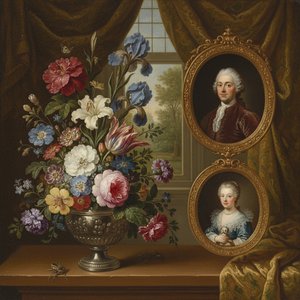
Jan van Kessel the Elder: A Baroque Master of Floral Still Life & Miniature Portraiture
Discover the exquisite detail of Jan van Kessel the Elder's Baroque floral still lifes & captivating miniatures. Explore his artistic legacy, scientific precision, and lasting influence on 17th-century Flemish painting.

Rembrandt van Rijn: 25 Najwybitniejszych Dzieł Sztuki – Reprodukcje i Inspiracje do Wnętrz
Poznaj 25 arcydzieł Rembrandta van Rijn! Odkryj fascynujące historie, techniki i wpływ holenderskiego mistrza baroku na świat sztuki. Reprodukcje obrazów najwyższej jakości – inspiracje do wnętrz na TopImpressionists.com

Zwierzęta w Sztuce: Wprowadzanie Życia do Twojej Przestrzeni
Odkryj fascynujący świat zwierząt w sztuce! Poznaj symbolikę, historię i współczesne interpretacje. Znajdź idealny obraz ze zwierzęciem do swojego wnętrza z .

Cornelis van Poelenburch: Bridging Mannerism & the Dutch Baroque Landscape
Discover Cornelis van Poelenburch, a pivotal Dutch Baroque landscape painter bridging Mannerism & Italianate styles. Explore his life, key works, and lasting influence on 17th-century art with TopImpressionists.

Jan van Goyen: Master of Dutch Landscape & Atmospheric Perspective
Discover Jan van Goyen, the master of Dutch landscape painting. Explore his subtle technique, atmospheric realism & lasting influence on art history. Learn about this 17th-century pioneer at TopImpressionists.