

 Podgląd w skali 1:1
 Wyślij jako kartkę
 Udostępnij
 Szczegóły dzieła
 Przewodnik

 Pobierz obraz
 Podobne obiekty
 RTG
RTG Pokaz slajdów
 Pytania i odpowiedzi
 Statystyki
Żerome Martin Langlois - Ludwik David


Magnificent reprodukcję obrazu Ludwika Davida autorstwa Żeromego Martina Langloisa! Klasyczny portret przedstawiający słynnego malarza, inspirowanego ideami Neoklasycyzmu i romantyzmu. Doskonała dekoracja wnętrza!
 Rozwiń treść
Jérôme-Martin Langlois (1779-1838): French Neoclassical painter, protégé of Jacques-Louis David. Explore his historical paintings & portraits!
Giclée / Wydruk artystyczny
Wydruki giclée lub płótna o jakości muzealnej, szybka realizacja i szeroki wybór opcji wykończenia. ( Zamów ręcznie malowaną reprodukcję Przejdź do wersji cyfrowej)




P118B zł10

P118H zł10

P118W zł10

P438Z zł10

P508JH zł12

P508YH zł12

P805H zł10

P805Z zł10

P919BZ zł10

P919G zł10

P919XJ zł10

P959ZH zł10

P968JZ zł12

W106C zł8

W218G zł10

W218JH zł8

W218Y zł10

W307PJ zł10

W316G zł10

W316PJ zł8

W316Y zł10

W398PJ zł8

W4111J zł10

W500HY zł15

W500JH zł15

W692G zł12

W849H zł8

W940BG zł15

W953PJ zł8




Standardowy format
personalizowane
CM
INCH
Wybierz spośród naszych standardowych rozmiarów, które zachowują oryginalne proporcje dzieła sztuki.
Loading sizes...

szerokość
wysokość
Wpisz wymaganą szerokość i wysokość, aby dopasować grafikę do ramy lub ściany. Wydruk można jedynie przyciąć, nigdy nie powiększając go poza oryginalny obraz, dlatego format o innych proporcjach spowoduje utratę części kompozycji. Przed rozpoczęciem druku prześlemy Ci cyfrowy podgląd do zatwierdzenia. Obraz wyświetlany na tej stronie nie pokazuje rzeczywistego przycięcia — jedynie podgląd oddaje ten efekt.
Dostawa na cały świat () w ciągu 2 tygodni zamiast standardowych 4/5 tygodni. (7 Listopad)

Bezpłatna ekspresowa wysyłka na cały świat

Wysokiej jakości płótno lniane

Pełne ubezpieczenie przesyłki

Gwarancja zwrotu należności celnych i podatków importowych

Gwarancja wiernego odwzorowania kolorów

100-dniowa polityka zwrotów (tylko w przypadku wad)

Gwarancja 100% zwrotu pieniędzy

Zniżka przy zakupie wielu sztuk
 Opcja ze szkłem jest dostępna wyłącznie w rozmiarach poniżej 110 cm

Żerome Martin Langlois - Ludwik David
Giclée / Wydruk artystyczny
Wymiary reprodukcji
-


Cena całkowita
zł 274
Portret Starszego Pana – Klasyka Francuska z Oddechem Romantyzmu
Francuski malarz Jérôme Martin Langlois stworzył niezwykle sugestywne dzieło sztuki, które uchwycił ducha epoki Neoklasycyzmu i delikatnie przenika się romantycznym przesłaniem. Jego obraz przedstawia portret mężczyzny – prawdopodobnie Louisa Davida (1748-1825), który został wykonany z maestrii i głębokiego zrozumienia dla idei klasycznej piękności. Szczegółowe obserwacje oraz umiejętne wykorzystanie technik malarskich czynią tę reprodukcję atrakcyjną zarówno dla kolekcjonerów sztuki, jak i osób zainteresowanych aranżacją wnętrz.Kompozycja i Styl – Klasyczny Porządek z Elementami Dramatycznego Światła
Kompozycja obrazu jest charakterystyczna dla Neoklasycyzmu: centralnie ustawiony mężczyzna zajmuje znaczną przestrzeń płótna, skupiając uwagę na jego twarzy i górnej części ciała. Poseł jest skierowany przed siebie z lekkim obrotem głowy – delikatny ruch dodaje dynamiki klasycznej kompozycji. Szczególną uwagę przyciąga otwarty podręcznik w prawej ręce mężczyzny, prezentujący szkicujące prace oraz rysunki. Lewa ręka opiera się na podręczniku, trzymając kredkę. Styl obrazu łączy elementy Neoklasycyzmu – uporządkowaną kompozycję i dokładną reprodukcję faktur – z wpływami Romantyzmu, które wyraźnie widoczne są w zastosowaniu dramatycznego światła oraz podkreśleniu emocji. Światło pochodzące z lewej strony płótna skupia się na twarzy i ubraniu mężczyzny, tworząc mocne refleksy i dodając obrazowi głębi.Technika Malarska – Precyzja i Wrażliwość Artysty
Langlois wykonał obraz techniką olejną na płótnie, wykorzystując umiejętne warstwowanie farb oraz subtelne gradacje kolorystyczne. Szczególną uwagę należy zwrócić na szczegółową reprodukcję faktur – delikatną skórę twarzy kontrastuje z szorstką powierzchnią czupryny, a podręcznik posiada teksturę papieru widoczną przez szkicujące prace. Artysta zadbał o uzyskanie realistycznego efektu poprzez zastosowanie różnych technik malarskich, co przekłada się na wysoką jakość reprodukcji i pozwala wiernie oddać atmosferę oryginału. Szczegółowe obserwacje oraz umiejętne wykorzystanie technik malarskich czynią tę reprodukcję atrakcyjną zarówno dla kolekcjonerów sztuki, jak i osób zainteresowanych aranżacją wnętrz.Symbolizm i Emocje – Inspiracja Klasycznym Ideą Dobra i Rozumu
Obraz nie tylko prezentuje piękno klasycznej kompozycji, ale także zawiera głębokie symbole intelektualnego wysiłku oraz talentu artystycznego. Podręcznik świadczy o zamiłowaniu mężczyzny do nauki i sztuki oraz jego umiejętności obserwacji świata zewnętrznego. Jego poważny wyraz twarzy i postawa wyrażają mądrość doświadczenia oraz szacunek dla kultury klasycznej. Reprodukcja tego obrazu może zainspirować osoby zainteresowane aranżacją wnętrz, wprowadzając elementy elegancji i spokoju – cechy charakterystyczne dla stylu Neoklasycyzmu.Pytania i odpowiedzi
Gdzie mogę obejrzeć „Żerome Martin Langlois - Ludwik David” – Jérôme Martin Langlois w formie pokazu slajdów?
Prezentację slajdów utworu "Żerome Martin Langlois - Ludwik David" można obejrzeć na stronie Prezentacja slajdów tego dzieła.
Czy „Żerome Martin Langlois - Ludwik David” – Jérôme Martin Langlois znajduje się w domenie publicznej?
Status praw autorskich dla „Żerome Martin Langlois - Ludwik David” – Jérôme Martin Langlois: dzieło znajduje się w należy do domeny publicznej – autorskie prawa majątkowe wygasły. Określa to, czy reprodukcje obrazu mogą być sporządzane swobodnie.
Gdzie mogę znaleźć przewodnik do "Żerome Martin Langlois - Ludwik David"?
Dla dzieła „Żerome Martin Langlois - Ludwik David” – Jérôme Martin Langlois dostępna jest strona Karta informacyjna dla uczniów: nadająca się do druku karta informacyjna o utworze, przygotowana z myślą o uczniach i wykorzystaniu w klasie.
Biografia artysty
A Parisian Beginnings and the Embrace of Neoclassicism
Jérôme-Martin Langlois, born in Paris in 1779, emerged as a significant voice within the refined world of French Neoclassical painting. His artistic journey began under the tutelage of Jacques-Louis David, the preeminent figurehead of the movement and a master whose influence would indelibly shape Langlois’s aesthetic sensibilities. David quickly recognized a spark of talent in the young artist, welcoming him as one of his favored pupils. This mentorship proved invaluable, providing Langlois with a rigorous foundation in draftsmanship, composition, and the ideals of classical beauty that defined the era. The studio of Jacques-Louis David was not merely a place of technical instruction; it was an immersion into a philosophy of art rooted in order, reason, and the emulation of ancient Greek and Roman models. Langlois absorbed these principles wholeheartedly, setting the stage for his own distinguished career.Collaboration with a Master: Early Commissions and Artistic Growth
The early years of Langlois’s career were marked by close collaboration with David on several ambitious projects. He wasn't simply an assistant; he was a contributing artist whose skills were actively sought after. A notable example is his contribution to the monumental painting, Napoleon Crossing the Alps, now housed in Vienna’s Kunsthistorisches Museum. Langlois skillfully rendered the magnificent horse upon which Napoleon is depicted, demonstrating a remarkable ability to capture both anatomical accuracy and dynamic movement. He further honed his skills assisting David on Leonidas at Thermopylae, a powerful depiction of Spartan valor currently displayed in the Musée du Louvre. These experiences were formative, allowing Langlois to learn from a master while simultaneously establishing his own reputation within artistic circles. His dedication and talent did not go unnoticed; he competed for – and achieved recognition through – prestigious awards, including securing the second prize at the Prix de Rome in 1805, followed by the coveted first prize in 1809. This latter achievement granted him a period of study in Rome during the 1810s, an opportunity to immerse himself directly in the classical art and architecture that inspired his artistic vision. A preparatory drawing for his winning Prix de Rome piece, Priam aux pieds d'Achilles, remains preserved at the Musée Magnin in Dijon, offering a glimpse into his creative process. From 1806 onwards, Langlois consistently exhibited his work at the Salon in Paris until 1837, earning further accolades including second prize in 1817 and first prize in 1819.A Flourishing Career: Commissions, Honors, and Artistic Style
Langlois’s career blossomed with a steady stream of commissions that showcased his growing reputation and artistic maturity. In 1822, he was honored with knighthood in the Legion of Honour, a testament to his contributions to French art and culture. His talent extended beyond historical and mythological subjects; he also excelled in portraiture, capturing the likenesses of prominent figures with dignity and grace. A particularly noteworthy commission came while he was in Brussels in 1824: a portrait of Jacques-Louis David himself, which was exhibited in 1831. This work is not merely a depiction of a man; it’s a poignant tribute from one artist to another, revealing the deep respect and admiration Langlois held for his mentor. He became a nominated member of the Académie des Beaux-Arts, solidifying his position within the artistic establishment. Notable works include L'Enlèvement de Déjanire (Museum of Fine Arts, Angers), Le Peintre David (Musée du Louvre), and portraits of influential figures like Urbain de Maillé, Marquis de Brézé, and François Annibal, Duc d’Estrées (Palace of Versailles). Langlois's artistic style remained firmly rooted in Neoclassicism. His paintings are characterized by their emphasis on order, clarity, and idealized forms. He possessed a meticulous attention to detail and a refined sense of composition, creating works that were both visually striking and intellectually engaging.Legacy and Historical Significance
Jérôme-Martin Langlois passed away in Paris in 1838, leaving behind a body of work that continues to resonate with admirers of Neoclassical art. While perhaps not as widely celebrated as his mentor Jacques-Louis David, Langlois played a crucial role in perpetuating the artistic traditions of the era. His paintings offer valuable insights into the cultural values and aesthetic tastes of early 19th-century France. He wasn’t simply imitating David; he was building upon that foundation, adding his own unique voice to the Neoclassical chorus. His dedication to classical principles, combined with his technical skill and artistic sensitivity, ensured that the ideals of order, reason, and beauty continued to flourish in French painting. The enduring appeal of his works lies not only in their aesthetic qualities but also in their ability to transport viewers back to a time when art was seen as a vehicle for moral instruction and civic virtue. His legacy is one of quiet dedication, skillful execution, and a steadfast commitment to the principles that defined a pivotal moment in art history.
Jérôme Martin Langlois
1779 - 1838 , France
Krótka nota
- Artistic Movement Or Style: Neoclassicism
- Artists Who Influenced This Artist: ['Jacques-Louis David']
- Date Of Birth: 1779
- Date Of Death: 1838
- Full Name: Jérôme-Martin Langlois
- Nationality: French
- Notable Artworks:
- Napoleon Crossing the Alps
- L'Enlèvement de Déjanire
- Le Peintre David
- Diana and Endymion
- Place Of Birth: Paris, France
Powiązane artykuły
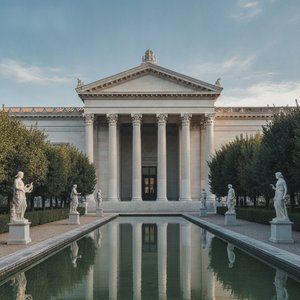
Neoclassicism Unveiled: Discovering the Timeless Elegance and Rational Order of Classical Art
Unveil the timeless elegance of Neoclassicism. Journey through an era defined by reason, order, and the revival of Greco-Roman ideals. Our expert exploration offers a sophisticated look at the transition from Rococo excess to classical precision for the true art enthusiast.
Odkryj dzieła sztuki uporządkowane według tematów, stylów i cech charakterystycznych.
