


 Zobacz w skali 1:1
 Wyślij
 Udostępnij
 Szczegóły
 Przewodnik

 Pobierz plik obrazu
 Podobne obiekty
 RTG
RTG Pokaz slajdów
 Statystyki
Charon
 Oil
Oil- WallArt
- Flemish Renaissance
 Renaissance
 64.0 x 103.0 cm
 Muzeum Prado
A hauntingly atmospheric descent into the underworld by Flemish Renaissance master Joachim Patenier captures Charon ferrying souls across the Styx with dramatic chiaroscuro, inviting you to explore this sublime masterpiece.
 Czytaj więcej
Joachim Patenier (1480-1524) – pionier krajobrazu w malarstwie flamandzkim. Jego dzieła pełne są mistyki, atmosfery i głębokich symboli religijnych. Odkryj jego unikalny styl!
Ręcznie malowana reprodukcja olejowa
Ręcznie malowany obraz olejny na płótnie, wykonany na zamówienie przez naszych artystów w wybranym przez Ciebie wymiarze i oprawie. ( Przełącz na wersję drukowaną Przełącz na wersję cyfrową)




P118B zł10

P118H zł10

P118W zł10

P438Z zł10

P508JH zł12

P508YH zł12

P805H zł10

P805Z zł10

P919BZ zł10

P919G zł10

P919XJ zł10

P959ZH zł10

P968JZ zł12

W106C zł8

W218G zł10

W218JH zł8

W218Y zł10

W307PJ zł10

W316G zł10

W316PJ zł8

W316Y zł10

W398PJ zł8

W4111J zł10

W500HY zł15

W500JH zł15

W692G zł12

W849H zł8

W940BG zł15

W953PJ zł8




Standardowy
na zamówienie
CM
INCH
Wybierz spośród naszych standardowych rozmiarów, które zachowują oryginalne proporcje dzieła sztuki.
Loading sizes...

szerokość
wysokość
Wpisz wymaganą szerokość i wysokość, aby obraz pasował do Twojej ramy lub ściany. Ponieważ jest to dzieło malowane ręcznie, w przypadku rozmiaru o innym proporcji artysta może domalować nieco więcej wokół obrazu lub przyciąć fragmenty — wybór należy do Ciebie. Przed rozpoczęciem pracy prześlemy Ci cyfrową wizualizację do zatwierdzenia. Obraz widoczny na tej stronie nie przedstawia rzeczywistego efektu — jedynie wizualizacja oddaje realny rezultat.
Przykłady możliwych zmian: Zamień twarz na zdjęcie klienta; Dodaj zwierzę domowe (np. zamień kota na psa); Ukryj wiadomość w tle; Zmień krajobraz lub elementy tła.
Po złożeniu zamówienia zespół TopImpressionists.com skontaktuje się z klientem drogą mailową w celu uzyskania instrukcji i prześle wizualizację projektu
Po złożeniu zamówienia zespół TopImpressionists.com skontaktuje się z klientem drogą mailową w celu uzyskania instrukcji i prześle wizualizację projektu
Dostawa na całym świecie () w ciągu 3–4 tygodni zamiast standardowych 5 tygodni. (22 Październik). Bez kompromisów w kwestii jakości.

Bezpłatna ekspresowa wysyłka na cały świat

Wysokiej jakości płótno lniane

Pełne ubezpieczenie transportowe

Gwarancja zwrotu należności celnych i podatków importowych

Gwarancja idealnego odwzorowania barw

100-dniowy okres na zwrot dzieła w przypadku wykrycia wad produkcyjnych

Gwarancja 100% zwrotu pieniędzy

Oferta przy zakupie wielu sztuk
 Opcja ze szkłem jest dostępna wyłącznie w rozmiarach poniżej 110 cm

Charon
Technika wykonania
Rozmiar reprodukcji
-


Suma do zapłaty
zł 1033
A Vision of the Eternal Descent
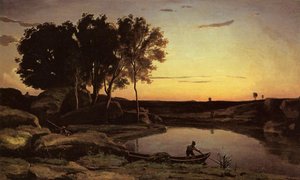
Joachim Patenier stands as a singular figure in the burgeoning landscape of Flemish Renaissance painting, a master who dared to prioritize atmosphere and emotion alongside meticulous detail. While many of his contemporaries focused on the rigid precision of portraiture or genre scenes, Patiner revolutionized the medium by treating the landscape not merely as a backdrop, but as a profound psychological conduit. As Albrecht Dürer famously observed, Patenier was “the good painter of landscapes,” possessing an uncanny ability to channel the very essence of nature into his canvases. In his haunting masterpiece, Charon, we are invited to witness a vision of descent, where the boundaries between the physical world and the spiritual realm blur into a singular, breathtaking experience of the sublime.The landscape serves as a soulful reflection of the human condition, utilizing the brooding expanse of water and rocky shores to convey deep-seated psychological states. The painting is a masterful exploration of chiaroscuro, employing dramatic contrasts between light and dark to sculpt the scene and create an illusionistic depth that draws the viewer inward, mirroring the very descent into Hades itself. This technique serves a profound symbolic purpose, representing the eternal struggle between darkness and illumination—the earthly realm versus the afterlife—a central theme within Christian iconography of the era.
The Journey Through Myth and Spirit
At the heart of this evocative composition lies the mythological ferryman, Charon, navigating his vessel across the dark, swirling waters of the River Styx. This is not merely a depiction of classical myth; it is a profound meditation on mortality and the transition of souls toward their eternal destiny. The scene is populated by a delicate balance of figures—spirits and angels drifting through the gloom, alongside birds that punctuate the heavy atmosphere with life. Through this interplay of characters, Patenier explores the tension between the earthly and the divine, using the rugged terrain to ground the supernatural elements in a tangible, visceral reality.The painting draws heavily upon classical antiquity, referencing the ferryman who transports souls into the abyss of Tartarus. Yet, there is an understated power in the depiction of Charon rowing his boat, a quiet strength that anchors the more ethereal elements of the piece. For collectors and interior designers, this work offers a captivating narrative depth; it is a piece that demands contemplation, inviting anyone who views it to reflect on the mysteries of existence and the beauty found within the unknown.
A Masterpiece for the Discerning Collector
Visually, Charon is a triumph of color and texture. The rich and vibrant tones used by Patenier make this an eye-catching piece that commands attention in any setting. The intricate details—from the spray of the water to the weathered textures of the rocky shore—showcase a level of skill that remains breathtaking centuries later. For those seeking to incorporate art into a sophisticated interior, this reproduction offers more than just aesthetic beauty; it provides an emotional anchor and a window into the profound spiritual landscapes of the Renaissance.Whether placed in a gallery-style study or as a focal point in a grand living space, the painting’s ability to evoke wonder and solemnity makes it a timeless addition. It is an invitation to experience the sublime, capturing a moment of transition that is as hauntingly beautiful as it is historically significant.
Pytania i odpowiedzi
Czy kolory w „Charon” autorstwa Joachim Patinier są nasycone czy stonowane?
Kolory dzieła „Charon” autorstwa Joachim Patinier charakteryzują się Muted nasyceniem. Nasycenie określa, jak żywe lub stonowane są barwy.
Gdzie zaleca się eksponować format Panoramic dzieła „Charon”?
Format (Panoramic) oraz rekomendowana przestrzeń (Living Room) to dwa parametry dotyczące rozmieszczenia dzieła „Charon” autorstwa Joachim Patinier.
W jaki sposób nurt i epoka przenikają się w „Charon” autorstwa Joachim Patinier?
W „Charon” autorstwa Joachim Patinier nurt Flemish Renaissance łączy się z epoką Renesans.
Podobne dzieła



Biografia artysty
A Pioneer of the Inner Landscape: Joachim Patenier and the Dawn of Atmospheric Painting
Joachim Patenier, a name often whispered alongside those of Jan van Eyck and Rogier van der Weyden, occupies a unique position in the history of Flemish painting. Born around 1480 in Dinant or Bouvignes – the precise location remains shrouded in some mystery – his artistic vision marked a pivotal shift away from the meticulous detail of earlier Netherlandish masters towards an exploration of landscape as not merely a backdrop, but as a powerful emotional and narrative force. While biographical details remain scarce, piecing together fragments from contemporary accounts, particularly those of Albrecht Dürer, reveals a man deeply engaged with the artistic currents of his time, yet forging a path distinctly his own. Dürer’s description of Patenier as “the good painter of landscapes” is remarkably prescient; it acknowledges not just technical skill but an innovative sensibility that would redefine how artists approached the representation of the natural world. He wasn't simply *depicting* landscapes, he was imbuing them with a sense of atmosphere and psychological depth previously unseen.The Flemish Primitives and the Italian Echo
Patenier’s artistic foundations were firmly rooted in the traditions of the Early Netherlandish masters. The influence of Jan van Eyck's painstaking realism and Rogier van der Weyden’s expressive figures is evident in his early works, particularly in the meticulous rendering of textures and details. He absorbed the lessons of Northern precision – the ability to capture light and shadow with astonishing accuracy, the detailed portrayal of fabrics and objects – but yearned for something more expansive. The burgeoning Italian Renaissance, with its emphasis on classical forms and perspective, also exerted a subtle influence, though filtered through a distinctly Flemish lens. This wasn’t a wholesale adoption of Italian ideals; rather, Patenier selectively incorporated elements – a sense of spatial depth, a broader compositional scope – while retaining the Northern penchant for intricate detail and symbolic resonance. His landscapes weren't simply imitations of nature but carefully constructed allegories, often imbued with religious meaning. The vastness of his skies, the jagged peaks of distant mountains, and the winding paths through dense forests all served to amplify the spiritual drama unfolding within his paintings. He was a master of *chiaroscuro*, using dramatic contrasts of light and dark to create a sense of depth and atmosphere.Landscapes as Spiritual Realms: Major Works and Artistic Development
Patenier’s most celebrated works are those that showcase his innovative approach to landscape. Paintings like *Landscape with St Jerome*, of which several versions exist, exemplify his mastery. Here, the figure of Saint Jerome is dwarfed by the immensity of the surrounding wilderness, a stark contrast to earlier depictions where figures dominated the composition. The landscape isn’t merely a setting; it's an active participant in the narrative, reflecting Jerome’s solitude, contemplation, and spiritual struggle. Similarly, *Rest during the Flight into Egypt* presents a sweeping panorama that emphasizes the Holy Family’s vulnerability and their journey through a world both beautiful and perilous. The dramatic skies, often filled with swirling clouds and ominous shadows, foreshadow the trials to come.- **Landscape with St Jerome:** This iconic work demonstrates Patenier's ability to imbue a landscape with profound psychological depth, using atmospheric perspective and symbolic elements to convey the saint’s spiritual journey.
- **Rest during the Flight into Egypt:** A monumental composition that showcases Patenier’s mastery of panoramic landscapes and his skill in depicting human figures within a vast natural setting.
- **The Temptation of St Anthony:** A particularly unsettling work, this painting explores the inner turmoil of a saint struggling against temptation, using a dramatic landscape to heighten the sense of drama and psychological tension.
A Lasting Legacy: Patenier’s Influence on Art History
Joachim Patenier died relatively young in 1524, but his impact on art history is undeniable. He was a true innovator, pioneering landscape as an independent genre and paving the way for later artists to explore the expressive potential of nature. His work bridged the gap between the late medieval traditions of the Flemish Primitives and the emerging Renaissance styles of the 16th century. He influenced generations of painters, inspiring them to see landscapes not just as backdrops but as powerful vehicles for conveying emotion, symbolism, and spiritual meaning. His legacy extends beyond technical innovation; he fundamentally altered how artists perceived their relationship with the natural world. Today, Patenier’s paintings can be found in prominent museums worldwide, including the Musées royaux des Beaux-Arts de Belgique in Brussels and the Prado Museum in Madrid, serving as a testament to his enduring artistic vision. His work continues to captivate viewers with its breathtaking beauty, profound symbolism, and the haunting sense of mystery that permeates his atmospheric landscapes – a true master who dared to look beyond the surface and explore the inner landscape of the soul. He remains a pivotal figure in the development of Western art, a testament to the power of innovation and the enduring allure of the natural world.
Joachim Patinier
1481 - 1524 , Belgia
Najważniejsze informacje
- Artistic Movement Or Style: Renesans, Krajobraz
- Artists Or Movements Influenced By This Artist: ['Późniejsi malarze krajobrazowi']
- Artists Who Influenced This Artist:
- Jan van Eyck
- Rogier van der Weyden
- Date Of Birth: c. 1480
- Date Of Death: 1524
- Full Name: Joachim Patinier
- Nationality: Flamandzki
- Notable Artworks:
- Depozycja
- Rodzina Świętej Rodziny
- Jeremia w krajobrazie
- Ucieczka do Egiptu
- Pokusa św. Antoniego
- Place Of Birth: Dinan, Belgia
Zobacz także powiązane artykuły

Drama in Nature: The Captivating Grandeur of Baroque Landscapes and the Art of Emotional Spectacle
Explore the breathtaking drama of Baroque landscapes. From Rubens's grand vistas to the mastery of chiaroscuro, discover how 17th-century artists transformed nature into a theatrical stage of emotion and light. A deep dive for true art enthusiasts.
Odkryj dzieła sztuki uporządkowane według tematów, stylów i cech charakterystycznych.

