


 Zobacz w skali 1:1
 Wyślij
 Udostępnij
 Szczegóły
 Przewodnik

 Pobierz plik obrazu
 Podobne obiekty
 RTG
RTG Pokaz slajdów
 Statystyki
Looking For the Silver Bullet
 Painting
- Contemporary Art
 1995
1995- Contemporary
 156.0 x 126.0 cm
 Alberta Foundation for the Arts
A vibrant scene of a woman with antlers amidst deer captures the powerful spirit of Joane Cardinal-Schubert's 1995 masterpiece, inviting you to explore this profound expression of Indigenous identity and resilience.
 Czytaj więcej
Joane Cardinal-Schubert (1942-2009) was a Kainai Nation artist known for her impactful paintings, installations & activism addressing Indigenous sovereignty, colonialism, and cultural identity in Canada. A member of the Royal Canadian Academy of Arts
Dzieło sztuki prezentowane na tej stronie podlega ochronie prawem autorskim, co oznacza, że nie mamy prawa do tworzenia ani sprzedaży jego identycznej reprodukcji. Ochrona ta jest egzekwowana na mocy umów międzynarodowych, takich jak Konwencja berneńska oraz przez przepisy prawa krajowego, w tym te określone w Prawo autorskie USA – Tytuł 17.
Metoda ta jest w pełni zgodna z przepisami prawa autorskiego, ponieważ nie polega na kopiowaniu ani powielaniu chronionego dzieła. Stanowi ona kreatywną reinterpretację – nowy obraz, który czerpie inspirację z oryginału, ale nie jest z nim tożsamy.
Giclée / Wydruk artystyczny
Wydruki giclée lub płótna o jakości muzealnej, szybka realizacja i szeroki wybór opcji wykończenia. ( Kup ręcznie malowany obraz Przełącz na wersję cyfrową)




P118B zł10

P118H zł10

P118W zł10

P438Z zł10

P508JH zł12

P508YH zł12

P805H zł10

P805Z zł10

P919BZ zł10

P919G zł10

P919XJ zł10

P959ZH zł10

P968JZ zł12

W106C zł8

W218G zł10

W218JH zł8

W218Y zł10

W307PJ zł10

W316G zł10

W316PJ zł8

W316Y zł10

W398PJ zł8

W4111J zł10

W500HY zł15

W500JH zł15

W692G zł12

W849H zł8

W940BG zł15

W953PJ zł8




Standardowy
na zamówienie
CM
INCH
Wybierz spośród naszych standardowych rozmiarów, które zachowują oryginalne proporcje dzieła sztuki.
Loading sizes...

szerokość
wysokość
Wpisz wymaganą szerokość i wysokość, aby dopasować grafikę do ramy lub ściany. Wydruk można jedynie przyciąć, nigdy nie powiększając go poza oryginalny obraz, dlatego format o innym proporcji spowoduje utratę części kompozycji. Przed rozpoczęciem druku prześlemy Ci cyfrowy podgląd do zatwierdzenia. Obraz wyświetlany na tej stronie nie pokazuje rzeczywistego przycięcia — jedynie podgląd oddaje ten efekt.
Dostawa na cały świat () w ciągu 2 tygodni zamiast standardowych 4/5 tygodni. (24 Październik)

Bezpłatna ekspresowa wysyłka na cały świat

Wysokiej jakości płótno lniane

Pełne ubezpieczenie transportowe

Gwarancja zwrotu należności celnych i podatków importowych

Gwarancja idealnego odwzorowania barw

100-dniowy okres na zwrot dzieła w przypadku wykrycia wad produkcyjnych

Gwarancja 100% zwrotu pieniędzy

Oferta przy zakupie wielu sztuk
 Opcja ze szkłem jest dostępna wyłącznie w rozmiarach poniżej 110 cm

Looking For the Silver Bullet
Giclée / Wydruk artystyczny
Rozmiar reprodukcji
-


Suma do zapłaty
zł 266
A Vision of Resilience: The Spirit of Joane Cardinal-Schubert
In the profound and evocative masterpiece Looking For the Silver Bullet, created in 1995, the viewer is transported into a realm where the boundaries between humanity and the natural world dissolve. This vibrant work by the esteemed Kainai Nation artist Joane Cardinal-Shrubert serves as more than just a painting; it is a powerful testament to Indigenous identity and cultural endurance. The composition centers on a striking female figure, adorned with antlers that crown her head like a sacred diadem, suggesting a deep, ancestral connection to the fauna of the Canadian plains. Surrounded by a graceful assembly of deer and watchful birds, the scene pulses with a life force that is both mystical and grounded in the earth.
The artist’s technique breathes vitality into every brushstroke, utilizing a rich and colorful palette that commands attention within any interior space. Cardinal-Schubert masterfully balances the whimsical elements of the scene—such as the delicate presence of a bird in the upper reaches of the canvas—with more somber, grounded details like the necklace of bones worn by the central figure. This juxtaposition of beauty and mortality creates a visual rhythm that keeps the eye moving across the 156 x 126 cm expanse, making it an ideal focal point for collectors who appreciate art that invites deep contemplation and conversation.
Symbolism and the Narrative of Sovereignty
To understand this work is to engage with the historical struggle for Indigenous sovereignty in Canada. Cardinal-Schubert, a prominent voice for the Kainai people, used her canvas to confront the legacies of colonialism and the erasure of Native history. In Looking For the Silver Bullet, the symbolism is layered and intentional. The antlers and the presence of the deer represent a reclamation of the natural heritage that was often targeted by colonial expansion. The "silver bullet" suggested in the title may serve as a metaphor for the piercing truths of history or the search for a way to navigate the complexities of modern identity while remaining rooted in tradition.
For the discerning interior designer or art enthusiast, this piece offers an unparalleled emotional depth. It does not merely decorate a wall; it anchors a room with its narrative weight and spiritual intensity. The artwork functions as a bridge between the past and the present, offering a sense of peace through its natural imagery while simultaneously challenging the viewer to acknowledge the resilience of the human spirit. Owning a high-quality reproduction of this work allows one to bring a piece of this profound cultural dialogue into their personal sanctuary, fostering an environment of reflection, strength, and enduring beauty.
Pytania i odpowiedzi
Jaka paleta barw została wykorzystana w „Looking For the Silver Bullet” autorstwa Joane Cardinal-Schubert?
„Looking For the Silver Bullet” autorstwa Joane Cardinal-Schubert wykorzystuje Earthy paletę barw. Paleta ta podsumowuje ogólny charakter kolorystyczny dzieła.
Czy w „Looking For the Silver Bullet” autorstwa Joane Cardinal-Schubert wykorzystano silne kontrasty czy raczej łagodne harmonie?
Kompozycja kolorystyczna „Looking For the Silver Bullet” autorstwa Joane Cardinal-Schubert łączy w sobie Gentle kontrast z Softly Mixed Palette harmonią.
Do którego okresu twórczości Joane Cardinal-Schubert należy dzieło „Looking For the Silver Bullet”?
W dorobku artystycznym Joane Cardinal-Schubert, dzieło „Looking For the Silver Bullet” przypada na Mature Period. Ten etap pozwala na zestawienie go z innymi pracami twórcy.
Biografia artysty
A Legacy of Resilience: The Art of Joane Cardinal-Schubert
Joane Cardinal-Schubert (1942–2009) was far more than a painter; she was a profound visual storyteller and a fierce advocate for the Kainai Nation. Born in Canoe Lake, Alberta, her life’s work emerged as a powerful response to the systemic erasures of Indigenous history within the Canadian landscape. Growing up amidst the quiet strength of her heritage, she recognized early on how colonial education systems sought to omit the vibrant traditions, languages, and histories of her people. This void became the catalyst for her artistic mission. Rather than accepting the silence imposed by mainstream narratives, Cardinal-Schubert utilized her canvas as a site of reclamation, transforming personal and collective memory into a monumental act of cultural preservation. Her formal training at the Alberta College of Art + Design provided her with a sophisticated technical foundation in painting, printmaking, and multimedia, yet her true education was rooted in the oral histories and spiritual landscapes of the Kainaiwa people. As her career progressed, her work evolved from traditional representations into complex, multi-layered installations that challenged the viewer to confront the uncomfortable realities of colonialism. She mastered the ability to weave together disparate elements—textiles, sculptural components, and photographic prints—to create immersive environments that breathed life into ancestral spirits and historical truths.Symbolism, Narrative, and the Spirit of the Land
The aesthetic language of Cardinal-Schultbert is deeply evocative, characterized by a rich tapestry of symbolism that bridges the gap between the physical and spiritual realms. Her compositions often feature figures that serve as vessels for resilience, embodying the enduring spirit of her ancestors. These figures do not exist in isolation; they are inextricably linked to landscapes that are imbued with profound spiritual significance. In her work, the land is never merely a backdrop but a living participant in the narrative, reflecting the deep-seated connection between Indigenous identity and the natural world. Through her use of mixed media, she achieved a tactile depth that invited viewers into a sensory experience of history. Her paintings often possess a rhythmic quality, where color and form dance to the cadence of mythic storytelling. By integrating sculptural elements and textiles, she broke the boundaries of the two-dimensional plane, mirroring the way Indigenous culture is lived through movement, craft, and ceremony. This approach allowed her to address themes of sovereignty and identity with a complexity that transcended simple protest, offering instead a nuanced celebration of survival and continuity.Historical Significance and Artistic Achievement
The impact of Joane Cardinal-Schubert extends well beyond the borders of the gallery space. As an artist-activist, she utilized her platform to spark essential dialogues regarding Indigenous sovereignty and the lasting scars of colonial policy. Her work served as a vital bridge, bringing the struggles and triumphs of the Kainai Nation to a global audience and demanding recognition for the truths often suppressed by history books. Her contributions were formally recognized through her induction into the Royal Canadian Academy of Arts, a testament to her standing within the highest echelons of the Canadian art community. Her enduring legacy can be summarized through several key pillars of her contribution to contemporary art:- Cultural Reclamation: She successfully re-centered Kainaiwa history and mythology within the contemporary art discourse, countering colonial erasure.
- Interdisciplinary Innovation: Her mastery of mixed media and installation art expanded the boundaries of Indigenous expression in Canada.
- Artistic Activism: She pioneered a way for fine art to function as a tool for political and social change, addressing themes of sovereignty and justice.
- Spiritual Connection: Her ability to translate the sacred relationship between people and the environment into visual form remains a cornerstone of her oeuvre.

Joane Cardinal-Schubert
1942 - 2009 , Canada
Najważniejsze informacje
- Full Name: Joane Cardinal-Schubert
- Nationality: Canadian
- Date Of Birth: 1942
- Date Of Death: 2009
- Place Of Birth: Canoe Lake, Canada
- Notable Artworks:
- Moonlight Sonata: In the Beginning
- I Dream of Horse / Counterpane
- Looking for the Silver Bullet
- Artistic Movement Or Style: Contemporary Indigenous Art
Zobacz także powiązane artykuły

Vibrant Legacies: The Art of Preserving Indigenous Heritage Through Fine Art Mastery
Explore the profound beauty of indigenous heritage through fine art. From Karl Bodmer’s ethnographic precision to vibrant Gond traditions, discover how collectors preserve cultural legacies through museum-quality masterpieces and soulful portraiture.

John James Audubon: A Life Immersed in Ornithological Art & the American Wilderness
Explore the life & art of John James Audubon, pioneer of ornithological illustration! Discover his stunning 'Birds of America' watercolors and complex legacy. Hand-painted reproductions available at TopImpressionists.

Charles Bird King: Capturing Native American Dignity Through Portraiture & Cultural Exchange
Explore the captivating portraits of Charles Bird King, renowned for his depictions of Native American leaders. Discover the historical context, artistic techniques, and collecting value of these significant 19th-century artworks.
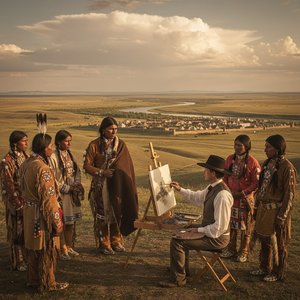
George Catlin: Witnessing & Representing Indigenous Life on the American Frontier
Explore the captivating art of George Catlin, renowned for his vivid portraits & landscapes documenting Native American life on the frontier. Discover a vanishing world through stunning paintings and historical context.

Feathered Visions: A Historical & Artistic Exploration of Birds in Painting
Explore the rich history of birds in painting! Discover symbolism, artistic movements & master artists like Audubon. High-quality reproductions available at TopImpressionists.