


 Zobacz w skali 1:1
 Wyślij
 Udostępnij
 Szczegóły
 Przewodnik

 Pobierz plik obrazu
 Podobne obiekty
 RTG
RTG Pokaz slajdów
 Statystyki
PATINEURS


An impressionistic winter scene of skaters and a windmill by Johan Barthold Jongkind captures the chilly atmosphere of the Dutch landscape, inviting you to bring this timeless moment of frozen beauty into your home.
 Czytaj więcej
Jochan Jongkind – prekursor impresjonizmu, znany z plenerowych krajobrazów i atmosferycznych pejzaży paryskich. Silny wpływ na Moneta dzięki wrażliwości na światło i odbicia.
Ręcznie malowana reprodukcja olejowa
Ręcznie malowany obraz olejny na płótnie, wykonany na zamówienie przez naszych artystów w wybranym przez Ciebie wymiarze i oprawie. ( Przełącz na wersję drukowaną Przełącz na wersję cyfrową)




P118B zł10

P118H zł10

P118W zł10

P438Z zł10

P508JH zł12

P508YH zł12

P805H zł10

P805Z zł10

P919BZ zł10

P919G zł10

P919XJ zł10

P959ZH zł10

P968JZ zł12

W106C zł8

W218G zł10

W218JH zł8

W218Y zł10

W307PJ zł10

W316G zł10

W316PJ zł8

W316Y zł10

W398PJ zł8

W4111J zł10

W500HY zł15

W500JH zł15

W692G zł12

W849H zł8

W940BG zł15

W953PJ zł8




Standardowy
na zamówienie
CM
INCH
Wybierz spośród naszych standardowych rozmiarów, które zachowują oryginalne proporcje dzieła sztuki.
Loading sizes...

szerokość
wysokość
Wpisz wymaganą szerokość i wysokość, aby obraz pasował do Twojej ramy lub ściany. Ponieważ jest to dzieło malowane ręcznie, w przypadku rozmiaru o innym proporcji artysta może domalować nieco więcej wokół obrazu lub przyciąć fragmenty — wybór należy do Ciebie. Przed rozpoczęciem pracy prześlemy Ci cyfrową wizualizację do zatwierdzenia. Obraz widoczny na tej stronie nie przedstawia rzeczywistego efektu — jedynie wizualizacja oddaje realny rezultat.
Przykłady możliwych zmian: Zamień twarz na zdjęcie klienta; Dodaj zwierzę domowe (np. zamień kota na psa); Ukryj wiadomość w tle; Zmień krajobraz lub elementy tła.
Po złożeniu zamówienia zespół TopImpressionists.com skontaktuje się z klientem drogą mailową w celu uzyskania instrukcji i prześle wizualizację projektu
Po złożeniu zamówienia zespół TopImpressionists.com skontaktuje się z klientem drogą mailową w celu uzyskania instrukcji i prześle wizualizację projektu
Dostawa na całym świecie () w ciągu 3–4 tygodni zamiast standardowych 5 tygodni. (24 Październik). Bez kompromisów w kwestii jakości.

Bezpłatna ekspresowa wysyłka na cały świat

Wysokiej jakości płótno lniane

Pełne ubezpieczenie transportowe

Gwarancja zwrotu należności celnych i podatków importowych

Gwarancja idealnego odwzorowania barw

100-dniowy okres na zwrot dzieła w przypadku wykrycia wad produkcyjnych

Gwarancja 100% zwrotu pieniędzy

Oferta przy zakupie wielu sztuk
 Opcja ze szkłem jest dostępna wyłącznie w rozmiarach poniżej 110 cm

PATINEURS
Technika wykonania
Rozmiar reprodukcji
-


Suma do zapłaty
zł 1032
A Frozen Moment in Time
In the quiet, frost-bitten expanse of PATINEURS, the viewer is transported into a quintessential Dutch winter, where the world seems held in a delicate, icy breath. The scene unfolds across a vast, frozen landscape, populated by figures gliding gracefully across an uneven sheet of ice. A majestic windmill stands as a sentinel in the heart of the composition, its vertical presence anchoring the horizontal sprawl of the wintry plain. In the distance, the ghostly silhouette of a sailboat rests upon the periphery, suggesting a world that continues to move even when the waters are stilled by the cold. This is not merely a depiction of a landscape; it is an invitation to experience the biting chill and the serene stillness of a season in repose.
The emotional resonance of the piece lies in its subtle interplay between movement and stasis. While the skaters provide a rhythmic pulse of human activity, the overarching atmosphere is one of profound tranquility and perhaps a touch of winter melancholy. The muted color palette—a sophisticated arrangement of greys, whites, and deep blues—evokes the overcast, heavy skies typical of a northern winter. There is a certain poetic resilience suggested by the windmill, standing firm against the elements, serving as a symbol of endurance amidst the fleeting, ephemeral nature of the skating season.
The Impressionistic Vision of Johan Barthold Jongkind
As a vital precursor to the Impressionist movement, Johan Barthold Jongkind utilizes a technique that prioritizes atmosphere over rigid anatomical or architectural precision. The painting is characterized by loose, suggestive brushwork that captures the fleeting essence of light and weather. Rather than defining every crack in the ice or every blade of frozen grass, Jongkind employs an alla prima approach, applying paint directly to the canvas to create a tactile, textured surface. This method allows the viewer's eye to complete the scene, finding movement in the sketchy lines and depth in the soft, diffused light.
For the discerning collector or interior designer, this artwork offers a masterclass in atmospheric perspective. The way distant elements fade into a pale, indistinct haze creates an immense sense of scale, making the frozen landscape feel infinite. The lighting is intentionally flat and even, mimicking the soft glow of a cloudy day, which prevents harsh shadows from disrupting the cohesive, wintry mood. This piece serves as a magnificent focal point for any space, offering a sophisticated blend of historical Dutch tradition and the modern, emotive freedom of early Impressionism. It is an evocative acquisition for those who seek to bring the quiet, contemplative beauty of the natural world into their curated environments.
Pytania i odpowiedzi
Co łączy "PATINEURS" z resztą twórczości Józef Jongkind?
"PATINEURS" należy do nurtu Impressionism w twórczości Józef Jongkind, której rozpoznawalne motywy obejmują dutch landscape tradition, impressionist light studies, atmospheric nature observation, precursor to impressionism, focus on water and light.
Kto sprzedaje ręcznie malowane reprodukcje dzieła „PATINEURS” autorstwa Józef Jongkind?
"PATINEURS" jest dostępny jako ręcznie malowana reprodukcja olejowa na płótnie lnianym. Zamówienie można złożyć na stronie Ręcznie malowana reprodukcja, wybierając preferowany rozmiar.
Czy prawa autorskie do „PATINEURS” autorstwa Józef Jongkind pozwalają na tworzenie reprodukcji?
Dzieło „PATINEURS” autorstwa Józef Jongkind, znajdujące się w zbiorach Luwr, znajduje się w stanowi domenę publiczną – autorskie prawa majątkowe wygasły. Status ten określa, czy możliwe jest tworzenie reprodukcji obrazu.
Biografia artysty
A Forerunner of Light: The Life and Art of Johan Barthold Jongkind
Johan Barthold Jongkind, a name perhaps less immediately recognizable than those of Monet or Renoir, occupies a pivotal position in the story of Impressionism. Born on June 3, 1819, in Lattrop, a small town in the Netherlands, Jongkind’s artistic journey was one marked by both profound talent and personal struggle. His early life unfolded amidst the tranquil landscapes of Overijssel province, a region that would deeply inform his lifelong fascination with water, light, and atmosphere. Though initially employed as a clerk, his inherent artistic inclinations led him to The Hague in 1837, where he began formal training under Andreas Schelfhout, a respected landscape painter steeped in the Dutch tradition. This foundation proved crucial, instilling in Jongkind a meticulous observation of nature and a mastery of technique that would later be infused with a distinctly modern sensibility. It was a period of learning the fundamentals, but also one of burgeoning ambition, prompting him to seek further artistic development in the vibrant heart of Paris.Parisian Encounters and Artistic Development
The move to Paris in 1846 proved transformative. Jongkind entered the studios of Eugène Isabey and François-Édouard Picot, immersing himself in the French art scene. He quickly gained recognition, exhibiting at the Salon as early as 1848, earning praise from influential critics like Charles Baudelaire and Émile Zola. These were years of promise, yet shadowed by a growing internal turmoil. Jongkind battled with bouts of depression and alcoholism, challenges that would intermittently disrupt his career and personal life. Despite these struggles, he continued to paint prolifically, focusing on scenes of the Seine River, the bustling Parisian streets, and the atmospheric nuances of the surrounding countryside. His work during this period reveals a unique blend of Dutch realism and emerging French Romanticism, characterized by vigorous brushwork and a keen sensitivity to light effects. He wasn’t merely depicting landscapes; he was capturing their fleeting moods, their ephemeral beauty. This ability to convey atmosphere would become his signature style and a key influence on the artists who followed. His early works often featured dramatic skies and reflections in water, hinting at the emotional depth that would later define his oeuvre.A Mentor to Monet: The Seeds of Impressionism
Jongkind's return to the Netherlands in 1855 was temporary. He eventually settled back in Paris in 1861, where his artistic path intersected with that of a young Claude Monet. This encounter proved profoundly significant for both artists. Jongkind became a mentor to Monet, sharing his knowledge of *plein air* painting – working outdoors directly from nature – and encouraging him to embrace a more spontaneous and expressive approach. Monet himself credited Jongkind with providing the “definitive education” of his eye, recognizing in the older artist’s work a freedom and sensitivity that resonated deeply with his own artistic aspirations. Jongkind's influence can be seen in Monet’s early landscapes, particularly those depicting scenes along the Seine, where the emphasis on light, atmosphere, and fleeting impressions is strikingly similar. He wasn’t simply teaching technique; he was imparting a philosophy of seeing, a way of capturing the essence of a moment in time. Jongkind's paintings often featured loose brushstrokes and a focus on capturing the transient effects of light, anticipating the core tenets of Impressionism.The Dutch Roots and Maritime Themes
Despite his Parisian sojourn, Jongkind’s artistic roots remained firmly planted in the Netherlands. His early works frequently depicted scenes from his homeland – canals, windmills, and coastal landscapes – imbued with a distinctly Dutch sensibility. The influence of the Dutch Masters, particularly Jacob van Ruisdael, is evident in his atmospheric perspective and masterful use of light. However, Jongkind wasn’t simply replicating traditional Dutch landscape painting; he was evolving it, injecting a new sense of dynamism and emotional intensity. He developed a particular fascination with maritime subjects – harbors, ships at sea, and coastal scenes – capturing the power and beauty of the ocean with remarkable skill. These works often conveyed a feeling of solitude and contemplation, reflecting Jongkind’s own introspective nature. His paintings of the Seine River, particularly during twilight hours, are among his most celebrated achievements, showcasing his ability to evoke mood and atmosphere through subtle color variations and delicate brushwork.Legacy and Lasting Influence
Though Jongkind never fully achieved the widespread fame enjoyed by some of his contemporaries, his contribution to the development of Impressionism is undeniable. His paintings, often characterized by their loose brushwork, dramatic skies, and evocative use of color, paved the way for a new approach to landscape painting. He demonstrated that capturing the subjective experience of light and atmosphere was as important as accurately representing physical reality. His work can be found in prominent museums such as the Van Gogh Museum in Amsterdam and the Musée d'Orsay in Paris, testaments to his enduring artistic merit.- Notable Works: *Moonlight on the Canal*, numerous paintings of the Seine near Notre-Dame Cathedral.
- Influence: A key influence on Claude Monet and a forerunner of Impressionism.
- Final Years: Jongkind passed away on February 9, 1891, in Saint-Égrève, France, leaving behind a legacy that continues to inspire artists and art enthusiasts today.

Józef Jongkind
1819 - 1891 , Holandia
Najważniejsze informacje
- Artistic Movement Or Style: Prekursor impresjonizmu
- Artists Or Movements Influenced By This Artist:
- Monet
- Impresjonizm
- Artists Who Influenced This Artist:
- Schelfhout
- Isabey
- Date Of Birth: 3 czerwca 1819
- Date Of Death: 9 lutego 1891
- Full Name: Johan Barthold Jongkind
- Nationality: Holender
- Notable Artworks:
- Krajobraz nad Sekwaną
- Kanał w Paryżu
- Place Of Birth: Lattrop, Holandia
Zobacz także powiązane artykuły
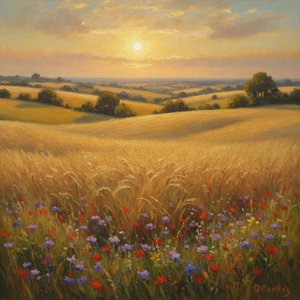
Golden Fields & Sun-Drenched Meadows: Capturing the Soul of Impressionist Landscapes
Immerse yourself in the luminous world of Impressionist landscapes. Discover how masters like Monet and Gauguin captured ephemeral light through plein air painting, and learn to bring the soul of sun-drenched meadows into your home with exquisite, hand-painted oil reproductions.

Capturing the Soul: The Most Emotionally Moving Impressionist and Post-Impressionist Masterpieces
Discover the profound emotional depth of Impressionist and Post-Impressionist masterpieces. Explore how legends like Monet, Van Gogh, and Gauguin captured light and soul through evocative landscapes and vibrant brushwork for a timeless connection to art history.

Beyond the Light: Capturing Raw Emotion and Subjective Vision in Post-Impressionist Landscapes
Explore the profound emotional depth of Post-Impressionist landscapes. Discover how masters like Van Gogh moved beyond light to capture raw human feeling through vibrant color and expressive texture in this expert art history retrospective.

Capturing the Light of Amsterdam: A Journey Through Impressionist Masterpieces of the Dutch Canals
Embark on a visual journey through the luminous Amsterdam canals. Discover how Impressionist masters captured the fleeting light of the Dutch landscape through evocative brushwork and color. Explore the timeless beauty of these masterpieces for your private art collection.

Golden Light & Dutch Skies: The Timeless Magic of Dutch Golden Age Landscapes
Discover the breathtaking beauty of Dutch Golden Age landscapes. Explore the mastery of light, chiaroscuro, and 17th-century realism through an expert art history lens, celebrating the enduring legacy of the Dutch Masters for discerning collectors and art lovers.