

 Podgląd w skali 1:1
 Wyślij jako kartkę
 Udostępnij
 Szczegóły dzieła
 Przewodnik

 Pobierz obraz
 Podobne obiekty
 RTG
RTG Pokaz slajdów
 Q&A
Q&A Statystyki
Cos Cob

- 53.0 x 66.0 cm


Experience Impressionism's serene harbor life with John Henry Twachtman's Cos Cob; capture the soft light of this 1899 masterpiece for your collection.
 Rozwiń treść
John Henry Twachtman (1853-1902): Pionier amerykańskiego impresjonizmu i tonalizmu. Jego pejzaże oddają atmosferę, światło i emocje. Odkryj jego dzieła, w tym 'Arques-la-Bataille'.
Giclée / Wydruk artystyczny
Wydruki giclée lub płótna o jakości muzealnej, szybka realizacja i szeroki wybór opcji wykończenia. ( Zamów ręcznie malowaną reprodukcję Przejdź do wersji cyfrowej)




P118B zł10

P118H zł10

P118W zł10

P438Z zł10

P508JH zł12

P508YH zł12

P805H zł10

P805Z zł10

P919BZ zł10

P919G zł10

P919XJ zł10

P959ZH zł10

P968JZ zł12

W106C zł8

W218G zł10

W218JH zł8

W218Y zł10

W307PJ zł10

W316G zł10

W316PJ zł8

W316Y zł10

W398PJ zł8

W4111J zł10

W500HY zł15

W500JH zł15

W692G zł12

W849H zł8

W940BG zł15

W953PJ zł8




Standardowy format
personalizowane
CM
INCH
Wybierz spośród naszych standardowych rozmiarów, które zachowują oryginalne proporcje dzieła sztuki.
Loading sizes...

szerokość
wysokość
Wpisz wymaganą szerokość i wysokość, aby dopasować grafikę do ramy lub ściany. Wydruk można jedynie przyciąć, nigdy nie powiększając go poza oryginalny obraz, dlatego format o innych proporcjach spowoduje utratę części kompozycji. Przed rozpoczęciem druku prześlemy Ci cyfrowy podgląd do zatwierdzenia. Obraz wyświetlany na tej stronie nie pokazuje rzeczywistego przycięcia — jedynie podgląd oddaje ten efekt.
Dostawa na cały świat () w ciągu 2 tygodni zamiast standardowych 4/5 tygodni. (31 Październik)

Bezpłatna ekspresowa wysyłka na cały świat

Wysokiej jakości płótno lniane

Pełne ubezpieczenie przesyłki

Gwarancja zwrotu należności celnych i podatków importowych

Gwarancja wiernego odwzorowania kolorów

100-dniowa polityka zwrotów (tylko w przypadku wad)

Gwarancja 100% zwrotu pieniędzy

Zniżka przy zakupie wielu sztuk
 Opcja ze szkłem jest dostępna wyłącznie w rozmiarach poniżej 110 cm

Cos Cob
Giclée / Wydruk artystyczny
Wymiary reprodukcji
-


Cena całkowita
zł 268
A Serene Glimpse into American Impressionism
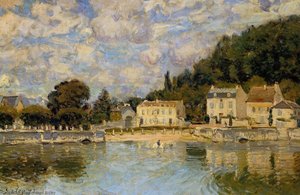
To gaze upon John Henry Twachtman's "Cos Cob" is to be instantly transported to a moment suspended in time—a breath of cool, aqueous air over a bustling yet profoundly peaceful harbor. This painting, executed in 1899, is more than just a depiction of waterfront life; it is a masterful meditation on light, atmosphere, and the quiet rhythms of coastal existence. Twachtman captures the quintessential American scene, transforming the mundane elements of docks, brick buildings, and moored vessels into something luminous and deeply evocative. The very air seems palpable through his brushwork, inviting the viewer to step right off the canvas and join the gentle activity unfolding on the water.
Mastery in Light and Brushstroke
Twachtman’s technique here is a shining example of American Impressionism at its peak. He eschews the sharp outlines of earlier academic styles, instead favoring soft, visible brushstrokes that allow the light itself to become the primary subject. Observe how the sunlight catches the white sail of the central boat; it does not merely reflect light, it seems to emanate it. The interplay between the deep tones of the brick structures and the shimmering blues and greens of the water is handled with an almost scientific delicacy, yet the overall effect remains purely emotional. This sophisticated handling of color and texture ensures that even in a seemingly simple harbor scene, there lies profound technical brilliance.
The Narrative Heart of Cos Cob
The composition guides the eye through several distinct focal points. The small white sailboat acts as an anchor for the viewer's gaze, drawing us into the middle ground where human life intersects with natural beauty. Flanking this central activity are the sturdy, time-worn brick buildings—structures that speak of history and permanence against the ever-changing tide. Furthermore, the subtle inclusion of a solitary figure near the water’s edge adds a poignant narrative layer. This person seems absorbed in the view or engaged in the quiet business of the harbor, suggesting themes of contemplation, daily routine, and man's enduring relationship with his environment.
A Timeless Appeal for Modern Spaces
For the collector or designer seeking art that whispers rather than shouts, "Cos Cob" offers unparalleled depth. Its palette—a harmonious blend of earthy reds from the brickwork, cool blues from the water, and bright whites from the sails—is inherently soothing. Reproducing this work allows one to bring a piece of late 19th-century American artistic genius into a contemporary setting. Whether placed in a sunlit drawing room or an area overlooking water, its serene energy acts as a visual balm, grounding any space with a sense of cultivated tranquility and historical resonance.
Pytania i odpowiedzi
Czy kolory w "Cos Cob" są intensywne czy stonowane?
Intensywność barw w dziele „Cos Cob” wynosi Vivid. Intensywność określa, jak nasycone wydają się kolory.
Jaka technika i styl charakteryzują „Cos Cob” – Jan Henryk Twachtman?
„Cos Cob” – Jan Henryk Twachtman łączy technikę Oil On Canvas z nurtem Impressionism. Technika i styl określają sposób wykonania oraz estetykę dzieła.
Do czego zaleca się wykorzystanie wydruku "Cos Cob"?
Sugerowanym zastosowaniem dla „Cos Cob” – Jan Henryk Twachtman jest Focal, choć może on służyć również do innych celów.
Podobne dzieła




Biografia artysty
A Pioneer of American Impressionism: The Life and Art of John Henry Twachtman
John Henry Twachtman, urodzony w Cincinnati, Ohio, 4 sierpnia 1853 roku, stanowi kluczową postać w rozwoju amerykańskiego impresjonizmu. Jego podróż od szkolenia akademickiego do unikalnego stylu artystycznego odzwierciedla nie tylko jego ewolucję twórczą, ale także szersze zmiany zachodzące w świecie sztuki amerykańskiej pod koniec XIX i na początku XX wieku. Historia Twachtmana to ciągłe poszukiwanie, nieustanny dążenie do uchwycenia atmosfery i emocji poprzez kolor i światło, co ostatecznie pozostawiło trwały ślad w tradycji krajobrazowej. Początkowe podstawy jego artystycznej edukacji znalazł pod opieką Franka Duvenecka w rodzinnych stronach, doświadczenie to wykształciło w nim oddanie obserwacji i odrzucenie przesadnie idealizowanych przedstawień. Ta wczesna nauka położyła fundament dla późniejszego przyjęcia bardziej progresywnych technik.Europejskie Wpływy i Embracing of Tonalism
Pobudzony ambicją doskonalenia umiejętności i poszerzania horyzontów artystycznych, Twachtman podjął studia w Europie, które okazały się transformujące. Między 1875 a 1877 rokiem studiował na Akademii Sztuk Pięknych w Monachium, gdzie przyswoił zasady luźnej, cienkiej techniki charakterystycznej dla tamtego okresu. Następna wizyta we Wenecji z Williamem Merritt Chase’em dodatkowo rozbudził jego pasję do uchwytywania niuansów światła i atmosfery. Te europejskie doświadczenia były kluczowe w kształtowaniu jego wizji artystycznej, jednak Twachtman nigdy nie po prostu kopiował tego, co spotkał za granicą; zamiast tego syntetyzował te wpływy w coś zdecydowanie własnego. Okres między 1883 a 1885 rokiem spędził na Académie Julian w Paryżu, punkt zwrotny, w którym jego styl zaczął zacieśniać się ku bardziej miękkiej, atmosferycznej oprawie – ruch ten zdefiniował jego charakterystyczną estetykę. To właśnie podczas tej paryskiej interwencji w pełni przyjął Tonalizm, cechujący się stonowanymi kolorami, subtelnymi gradacjami tonu i naciskiem na tworzenie nastroju i atmosfery. Dzieła takie jak *Arques-la-Bataille*, obecnie znajdujące się w Metropolitan Museum of Art, ilustrują ten okres, ukazując jego biegłość w harmonii tonalnych i sugestywnych krajobrazów.The Cos Cob Colony and a Personal Impressionist Style
Po powrocie do Ameryki Twachtman osiadł w Connecticut, kupując farmę w Greenwich, która stała się zarówno domem, jak i miejscem twórczej inspiracji. Jego obecność w rozwijającej się kolonii artystycznej Cos Cob przyczyniła się do stworzenia tętniącej życiem społeczności kreatywnej, gdzie idee były wymieniane swobodnie, a eksperymentowanie było zachęcane. Nie był to tylko artysta-rezydent; stał się katalizatorem, inspirując przyjaciół i uczniów swoimi innowacyjnymi technikami i filozoficznym podejściem do malowania. Ten okres przyniósł Twachtmanowi przejście poza ścisły Tonalizm w kierunku bardzo osobistego stylu impresjonizmu. Choć zachował nacisk na atmosferę i światło, jego późniejsze prace demonstrują bardziej zdecydowane użycie koloru i dynamiczne pociągnięcia pędzlem. Często malował pokryte śniegiem krajobrazy swojej farmy i ogrodu, przekształcając znane sceny w poetyckie medytacje na temat piękna natury. Jego seria obrazów z Gloucester, Massachusetts, zapowiadał bardziej modernistyczną wrażliwość artystyczną, anticipując abstrakcyjne eksploracje, które miały nastąpić później.Legacy and Lasting Impact
Niespodziewana śmierć Twachtmana w 1902 roku w wieku czterdziestu dziewięciu lat przerwała obiecującą karierę, ale jego wpływ kontynuował się poprzez kolejne pokolenia amerykańskich artystów. Zostawił po sobie twórczość, która jest celebrowana ze względu na jej poetycką wrażliwość, biegłość techniczną i innowacyjny sposób malowania krajobrazu. Jego obrazy nie są jedynie reprezentacjami miejsc; są wywołaniami nastroju, atmosfery i emocjonalnego połączenia między człowiekiem a naturą. Twachtman przyczynił się do ustanowienia amerykańskiego impresjonizmu jako odrębnego ruchu artystycznego. Był członkiem „Dziesięciu”, grupy artystów, którzy podjęli próbę oderwania się od ograniczeń tradycyjnych instytucji artystycznych i stworzenia własnej drogi. *Landscape 3*, z jego spokojnym przedstawieniem natury, stanowi doskonały przykład jego tonalistycznego podejścia, podczas gdy obrazy takie jak *Reflections* demonstrują jego umiejętność uchwytywania ulotnych momentów światła i atmosfery. Jego dziedzictwo jest dodatkowo umocnione przez dzieła takie jak *Brook among the Trees*, fascynujący pastel, który prezentuje piękno i spokój natury. Twachtman’s innovative spirit continues to inspire artists today, solidifying his place as a true pioneer of American Impressionism and a master of tonal landscape painting.Notable Works
- Landscape 3 (c. 1894-1902): A quintessential example of Twachtman’s Tonalist period, showcasing his mastery of atmospheric perspective and subtle color harmonies.
- Arques-la-Bataille (1885): Painted during his time in Paris, this work exemplifies the influence of French Impressionism on his style.
- Reflections (c. 1902): A serene depiction of a dock scene, capturing the play of light and shadow on water.
- Brook among the Trees (1891): A captivating pastel that showcases Twachtman’s ability to convey tranquility and natural beauty.
- The Holland Dyke (c. 1886-1890): Demonstrates his skill in capturing atmospheric effects and subtle tonal variations.

Jan Henryk Twachtman
1853 - 1902 , Stany Zjednoczone
Krótka nota
- Artistic Movement Or Style: Impresjonizm, Tonalizm
- Artists Or Movements Influenced By This Artist: ['Amerykański impresjonizm']
- Artists Who Influenced This Artist:
- Frank Duveneck
- William Chase
- Date Of Birth: 4 sierpnia 1853
- Date Of Death: 8 sierpnia 1902
- Full Name: John Henry Twachtman
- Nationality: Amerykański
- Notable Artworks:
- Landscape 3
- Arques-la-Bataille
- Reflections
- Place Of Birth: Cincinnati, USA
Powiązane artykuły

Capturing the Light: A Journey Through the Soul of American Impressionism and the Hudson River School
Explore the luminous beauty of American Impressionism and the Hudson River School. Discover a curated journey through light, landscape, and history, celebrating the enduring legacy of masters through exquisite, hand-painted oil reproductions for the discerning art lover.
Odkryj dzieła sztuki uporządkowane według tematów, stylów i cech charakterystycznych.


