

 Podgląd w skali 1:1

 Wyślij jako kartkę
 Udostępnij
 Szczegóły dzieła
 Karta informacyjna


 Pobierz obraz
 Podobne obiekty
 RTG
 Pokaz slajdów
 Pytania i odpowiedzi

 Statystyki
Bird Song


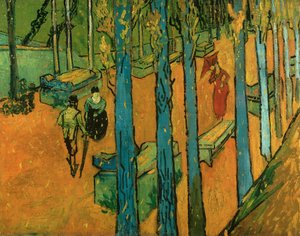
Look closely at the white and black bark patterns of the birch trees framing the woman in the red dress.
 Rozwiń treść
Károly Ferenczy (1862-1917) – wybitny malarz węgierski, „ojciec węgierskiego impresjonizmu”. Znany z pejzaży, portretów i roli w założeniu kolonii artystycznej Nagybánya. Jego twórczość łączy naturalizm z wpływami symbolizmem, kształtując nowoczesną sztukę Węgier.
Otrzymaj plik gotowy do druku, którego jakość znacznie przewyższa podgląd internetowy. Każdy sprzedawany przez nas obraz cyfrowy pochodzi z wysokorozdzielczego pliku wzorcowego w naszej bazie — zazwyczaj o szerokości od 5 000 do 15 000 pikseli — dzięki czemu możesz drukować w dużym formacie, mocno kadrować lub z pełnym przekonaniem odwzorowywać najdrobniejsze detale.
Żaden plik nie opuszcza naszego studia bez odpowiedniej obróbki. Ekspert ds. cyfrowej edycji sprawdza zgodność kolorów z oryginałem i w razie potrzeby je koryguje, a następnie za pomocą profesjonalnych narzędzi do retuszu poprawia ostrość oraz szczegółowość — zawsze zachowując wierność pociągnięciom pędzla i stylowi artysty. Rezultatem jest obraz, który wygląda jak prawdziwe dzieło, a nie jak przefiltrowany skan.
Zatwierdzasz przed finalizacją zamówienia: nasz ekspert prześle obraz drogą mailową w ciągu 72 godzin do Twojego wglądu. Nie jesteś zadowolony? Poproś o poprawki lub korektę, bądź o zwrot kosztów, jeśli jakość nie spełnia oczekiwań.
To jakość, na której polegają wydawcy, studia projektowe, galerie oraz drukarnie.
Obraz cyfrowy
Pobierz plik o wysokiej rozdzielczości do osobistego użytku, druku oraz projektów kreatywnych. ( Wydruk impresjonistyczny Obraz olejny impresjonistyczny
)
W każdym zamówieniu na obraz cyfrowy znajduje się
Profesjonalna dostawa cyfrowa z gwarancją
Wybierając TopImpressionists.com, nie otrzymujesz jedynie obrazu – otrzymujesz profesjonalnie udoskonalone cyfrowe dzieło sztuki, stworzone z najwyższą precyzją i objęte gwarancją satysfakcji. Oto wszystko, co automatycznie dołączane jest do Twojego zamówienia:

Błyskawiczna wysyłka e-mailowa
Plik z obrazem cyfrowym w wysokiej rozdzielczości zostanie przesłany na Twój adres e-mail w ciągu 72 godzin od złożenia zamówienia – gotowy do natychmiastowego użycia.

Plik cyfrowy wzbogacony przez AI
Twoja grafika została profesjonalnie zoptymalizowana przy użyciu zaawansowanych narzędzi AI oraz ręcznej edycji, co zapewnia maksymalną szczegółowość, klarowność i wierność kolorów.

Darmowe ponowne przesyłki dożywotnio
Przypadkowo usunąłeś lub zgubiłeś swój plik? Bez obaw – prześlemy go Tobie ponownie w dowolnym momencie, bez żadnych opłat.

Bez opłat importowych – zawsze
Ciesz się swoją sztuką natychmiast, bez żadnych opłat celnych, należności ani kosztów dostawy – pliki cyfrowe są zawsze wolne od podatku.

Gwarancja wierności kolorów
Dzięki zastosowaniu profesjonalnych narzędzi i procesów zarządzania barwą zapewniamy, że Twoje cyfrowe zdjęcie odzwierciedla oryginalne kolory tak wiernie, jak to tylko możliwe.

Gwarancja satysfakcji przez 100 dni
Jeśli nie będziesz zadowolony ze swojego cyfrowego obrazu, dokonamy jego poprawki lub zwrócimy 100% kosztów w ciągu 100 dni – bez zbędnych pytań.

100% Gwarancja zwrotu pieniędzy
Nie jesteś zadowolony? Otrzymaj pełny zwrot kosztów w ciągu 100 dni od otrzymania pliku cyfrowego – bez zbędnych pytań.

Rabaty przy zamówieniach hurtowych
Kup 3 obrazy, oszczędź 10% - Kup 5, oszczędź 15% - Kup 10+, oszczędź 20%. Idealne do projektów kreatywnych, galerii i agencji.
The Depiction of Bird Song by Károly Ferenczy
In Bird Song by Károly Ferenczy, a young woman occupies the center of a quiet grove. She wears a long-sleeved red dress with a high neckline, a garment of modest and traditional fashion. Her auburn hair is gathered in an elegant updo. She leans slightly forward, her head tilted toward the canopy. She is listening.
The setting is a lush expanse of green. Trees with the distinctive white and black bark of birch surround her, their textures visible through the paint. The leaves are thick and full, suggesting the height of spring or summer. This greenery forms a natural frame around the central figure, rooting her within the landscape.
The woman’s pose is one of serene contemplation. She remains still amidst the foliage, her gaze directed upward as if catching a melody from the branches. The light and shadow create a sense of depth within the woods. A single note hangs in the air.
Visual Composition and Artistic Style
The canvas breathes through an impressionistic or post-impressionistic lens. Visible brushstrokes dance across the surface, creating a textured and dynamic quality that mimics the movement of air. This tactile application of paint gives the scene a sense of immediate presence. The color palette leans heavily into warm tones, grounding the work in a soft, glowing light.
A sharp tension exists within the color study. The deep red of the woman's dress cuts through the landscape, providing a stark contrast against the cooler greens and browns of the surrounding foliage. This central figure is placed firmly in the middle of the composition, drawing the eye directly to her silhouette. The trees act as a natural frame, their dark trunks and lush leaves encircling her form to focus the viewer's gaze.
Light and shadow work together to carve out a sense of depth within the woods. The interplay of brightness and shade suggests a thick, living environment where the air is heavy with the scent of summer. The birch trees, with their distinctive white and black bark, add a rhythmic pattern to the background. Everything settles into a quiet, singular moment of listening.
Pytania i odpowiedzi
Z jakiego okresu pochodzi „Bird Song” – Károly Ferenczy?
"Bird Song" pochodzi z epoki 19th Century.
Czy istnieją dzieła podobne do „Bird Song”?
Strona Podobne dzieła dzieła „Bird Song” – Károly Ferenczy prezentuje powiązane utwory.
Co wyjaśnia sytuację prawną dotyczącą praw autorskich do „Bird Song” – Károly Ferenczy?
Dzieło "Bird Song" autorstwa Károly Ferenczy znajduje się w należy do domeny publicznej – autorskie prawa majątkowe wygasły. Okres ochrony praw autorskich liczony jest od daty śmierci artysty, a Károly Ferenczy zmarł(a) w 1917.
Podobne dzieła
Podobne płótna, które oddają światło, paletę barw i nastrój tego obrazu.




O artyście
Early Life and Artistic Beginnings
Károly Ferenczy, a pivotal figure in the development of Hungarian modernism, was born on February 8, 1862, in Vienna, Austria, to Ida Graenzenstein and Karel Freund, a Hungarian railway construction official. His mother’s untimely death shortly after his birth profoundly shaped his formative years, instilling within him a sensitivity to loss and an enduring fascination with capturing human emotion on canvas. From a young age, Ferenczy demonstrated exceptional artistic talent, pursuing formal training at the University of Vienna where he studied law alongside art. This dual pursuit reflected the intellectual curiosity that would characterize his entire life—a blend of rigorous scholarship and passionate engagement with creative expression. His early artistic influences included Jules Bastien-Lepage, whose naturalistic style championed a direct observation of nature and imbued Ferenczy with a foundational appreciation for plein air painting techniques. The influence of Bastien-Lepage’s emphasis on capturing natural light and portraying rural life resonated deeply with Ferenczy's developing aesthetic sensibilities, shaping his early approach to landscape painting.Munich and Impressionistic Transformation
A pivotal moment in Ferenczy’s artistic trajectory arrived in 1889 when he relocated to Munich, Germany—a city renowned as the epicenter of European art innovation during that era. Recognizing the transformative potential of German artistic culture, Ferenczy enrolled at the Akademie der Bildenden Künste München (Munich Academy of Fine Arts), immersing himself in a vibrant environment brimming with experimental ideas and challenging conventions. Here, he encountered Simon Hollósy, a Hungarian painter who championed Impressionism and encouraged students to embrace French painting techniques—particularly *plein air* painting—as a means of conveying the immediacy of experience. Ferenczy’s exposure to Hollosy's circle profoundly broadened his artistic horizons, propelling him toward a more liberated and expressive style that would define his subsequent oeuvre. The Akademie der Bildenden Künste München fostered an environment conducive to experimentation and innovation, attracting artists eager to push boundaries and redefine artistic expression. Simon Hollósy’s advocacy for Impressionism instilled in Ferenczy a commitment to capturing fleeting moments of beauty and conveying emotion through color and light—a hallmark of his distinctive artistic vision.The Nagybánya Artists’ Colony and Hungarian Modernism
In 1896, Ferenczy joined forces with István Réti and János Thorma to establish the Nagybánya artists’ colony—a landmark initiative that would solidify Hungary's position at the forefront of European artistic developments. Situated in Transylvania (now Romania), Nagybánya became a crucible for Hungarian Modernism, attracting a cohort of talented painters who sought to forge a unique national identity rooted in both tradition and innovation. Ferenczy spearheaded this endeavor, fostering a collaborative spirit among artists and championing a bold embrace of Impressionistic principles—coupled with a deep reverence for Hungarian landscapes and rural life. The colony’s output—characterized by luminous color palettes and evocative depictions of the Hungarian countryside—became emblematic of Ferenczy's artistic legacy. The founding of Nagybánya stemmed from Ferenczy’s vision to revitalize Hungarian art and instill in younger artists a commitment to capturing the essence of national identity through artistic expression. The colony’s artists adopted Impressionistic techniques—primarily *plein air* painting—to convey the immediacy of experience and capture the transformative effects of light on the landscape.Mature Style and Symbolist Explorations
Throughout his prolific career, Ferenczy honed his artistic skills in diverse mediums—oil paintings, watercolors, prints, and etchings—demonstrating versatility and unwavering dedication to mastering various artistic approaches. His style evolved from naturalistic depictions of Hungarian landscapes to more introspective explorations of human emotion and psychological depth. Influenced by Symbolist aesthetics—particularly the works of Gustave Moreau and Edvard Munch—Ferenczy incorporated mythological themes and allegorical imagery into his paintings, reflecting a fascination with timeless narratives and conveying profound spiritual resonances. Works such as “Leda” (1902) and “Apollo and Marsyas” (1904) exemplify Ferenczy’s artistic ambition to transcend mere representation and engage viewers in contemplation—a testament to his enduring contribution to Hungarian art history. The influence of Moreau and Munch's exploration of myth, emotion, and psychological symbolism profoundly impacted Ferenczy's artistic sensibilities, shaping his stylistic choices and thematic preoccupations.Legacy and Recognition
Károly Ferenczy’s enduring influence on Hungarian art is undeniable—his pioneering embrace of Impressionism and Symbolism establishing him as a cornerstone of Modern Hungarian painting. He mentored numerous aspiring artists, fostering a vibrant artistic community that continues to celebrate his legacy today. His paintings—characterized by luminous color palettes, evocative landscapes, and profound psychological insight—remain treasured masterpieces within the Hungarian National Gallery and other prominent institutions worldwide. Ferenczy’s contribution to Hungarian cultural heritage is commemorated annually through the Ferenczy Károly Museum in Szentendre—a testament to his enduring artistic vision and its lasting impact on Hungarian art history.
Károly Ferenczy
1862 - 1917 , Austria
Szybki podgląd
- Artistic Movement Or Style: Impressionizm Węgierski
- Artists Or Movements Influenced By This Artist: ['Bastien-Lepage']
- Artists Who Influenced This Artist:
- Simon Hollósy
- Jules Bastien-Lepage
- Date Of Birth: 8 lutego 1862
- Date Of Death: 18 marca 1917
- Full Name: Károly Ferenczy
- Nationality: Węgierski
- Notable Artworks:
- Życie w wiosce
- Portret Béni Ferenczy
- Place Of Birth: Wiedeń, Austria