

Przedstawiony: · Wraz z ramą:
 Podgląd w skali 1:1
 Wyślij jako kartkę
 Udostępnij
 Szczegóły dzieła
 Przewodnik

 Pobierz obraz
 Podobne obiekty
 RTG
RTG Pokaz slajdów
 Pytania i odpowiedzi
 Statystyki
- 47.0 x 142.0 cm


zł 1045
Ręcznie malowana reprodukcja olejowa
Ręcznie malowany obraz olejny na płótnie, wykonany na zamówienie przez naszych artystów w wybranym przez Ciebie wymiarze i oprawie. ( Przełącz na wydania drukowane Przejdź do wersji cyfrowej)
Wymiar
·Standardowy format
personalizowane
CM
INCH
Wybierz spośród naszych standardowych rozmiarów, które zachowują oryginalne proporcje dzieła sztuki.
Ładowanie rozmiarów...

szerokość
wysokość
Wpisz wymaganą szerokość i wysokość, aby obraz pasował do Twojej ramy lub ściany. Ponieważ jest to dzieło malowane ręcznie, w przypadku rozmiaru o innych proporcjach artysta może domalować nieco więcej wokół obrazu lub przyciąć jego fragmenty — wybór należy do Ciebie. Przed rozpoczęciem pracy prześlemy Ci cyfrową wizualizację do zatwierdzenia. Obraz widoczny na tej stronie nie przedstawia rzeczywistego efektu — jedynie wizualizacja oddaje realny rezultat.
 Dowiedz się więcej
Wykończenie
·
Białe krawędzie zł1

rozmyte krawędzie zł1

Przedłużony zł1

P118B zł10

P118H zł10

P118W zł10

P438Z zł10

P508JH zł12

P508YH zł12

P805H zł10

P805Z zł10

P919BZ zł10

P919G zł10

P919XJ zł10

P959ZH zł10

P968JZ zł12

W106C zł8

W218G zł10

W218JH zł8

W218Y zł10

W307PJ zł10

W316G zł10

W316PJ zł8

W316Y zł10

W398PJ zł8

W4111J zł10

W500HY zł15

W500JH zł15

W692G zł12

W849H zł8

W940BG zł15

W953PJ zł8

H24-GOLD zł30

H24-SILVER zł30

H36-GOLD zł45

H36-SILVER zł45
Dostarczane w ochronnej tubie, gotowe do oprawienia przez Twojego ramiarza.
Dodatki
opcjonalneCo obejmują dodatki?
Przykłady możliwych zmian: Zastąpienie twarzy zdjęciem klienta; Dodanie zwierzęcia (np. zamiana kota na psa); Ukrycie wiadomości w tle; Zmiana krajobrazu lub elementów tła.
Po złożeniu zamówienia zespół TopImpressionists.com skontaktuje się z klientem drogą mailową w celu uzyskania instrukcji i prześle podgląd projektu
Po złożeniu zamówienia zespół TopImpressionists.com skontaktuje się z klientem drogą mailową w celu uzyskania instrukcji i prześle podgląd projektu
Dostawa na całym świecie () w ciągu 3–4 tygodni zamiast standardowych 5 tygodni. (4 Listopad). Bez kompromisów w kwestii jakości.
Lakier ochronny
Etykieta obiektu
Szczegóły grawerowanej brązowej tabliczki
This elegant plaque features the artist's name and the title of the artwork, finely engraved for a timeless presentation.
It is made from bronze with a refined, elegant finish. The text is precisely laser-engraved for a sharp and permanent result. Measuring 9x2 cm, the plaque is compact yet easy to read. It's built to be durable and scratch-resistant, offering a professional, museum-quality look. Mounting is simple thanks to the included adhesive backing.
Szczegóły przezroczystej tabliczki akrylowej
The plaque includes essential engraved details such as the artist's name, the title of the artwork, the date it was created, the type of media used-like oil on canvas or watercolor-a brief description of the piece, and a QR code that links to the complete artwork information.
It is crafted from clear acrylic, offering a sleek, modern appearance. The text is UV-engraved in black to ensure strong visual contrast. With a size of 10x15 cm, it ensures optimal readability. It comes equipped with two metal hooks for secure wall mounting. The plaque is designed to be weather-resistant, making it suitable for various environments, and it includes interactive features that work seamlessly with smartphone scanning.
Szczegóły czarnej tabliczki akrylowej
This elegant plaque includes engraved information such as the artist's name, the title of the artwork, the date it was created, the type of media used (like oil on canvas or watercolor), a short description of the artwork, and a QR code for quick access to more information.
The plaque itself is made from refined black acrylic with a premium finish. The text is laser-engraved in white for high contrast and readability. Its size is 10x15 cm, designed to be easy to read. It comes with two metal hooks for professional mounting. The design is sleek and fits any interior style. It is also weather-resistant and durable, with built-in digital integration for mobile compatibility.
Opcja ze szkłem jest dostępna wyłącznie w rozmiarach poniżej 110 cm
 Opcja ze szkłem jest dostępna wyłącznie w rozmiarach poniżej 110 cm
- Bezpłatna ekspresowa wysyłka na cały świat
- Wysokiej jakości płótno lniane
- Pełne ubezpieczenie przesyłki
- Gwarancja zwrotu należności celnych i podatków importowych
- Gwarancja wiernego odwzorowania kolorów
- 100-dniowa polityka zwrotów (tylko w przypadku wad)
- Gwarancja 100% zwrotu pieniędzy
- Zniżka przy zakupie wielu sztuk


Opis obiektu
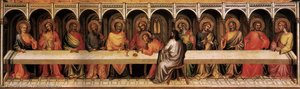
Witness the iconic 'Last Supper' by Leonardo da Vinci! This masterpiece captures Jesus’s final meal with his apostles, showcasing revolutionary art & emotion. Explore its history and significance.
Biografia artysty
Lorenzo Monaco (1370-1425) – włoski malarz szkoły florenckiej łączący elegancję gotyku międzynarodowego z pierwszymi impulsami renesansu. Jego twórczość zachwyca spokojną pięknością i głęboką duchowością.
O obrazie
A Moment Frozen in Time: The Story of the Last Supper
Leonardo da Vinci’s The Last Supper, housed within the refectory of Santa Maria delle Grazie in Milan, isn't merely a painting; it’s an immersive experience. Completed between 1495 and 1498, this monumental mural captures a pivotal moment from Christian scripture – the announcement by Jesus of his impending betrayal by one of his apostles. More than just a depiction of an event, it’s a profound exploration of human emotion, faith, and the complexities of relationships. Leonardo masterfully distilled the narrative into a single, dramatic tableau, freezing a conversation in perpetual motion. The scene unfolds with an almost palpable tension, radiating from Jesus's face as he reveals the devastating truth to his disciples. The composition is carefully constructed; each apostle reacts uniquely – shock, denial, anger, confusion – creating a dynamic and deeply affecting visual dialogue.

Technique and Innovation: A Revolutionary Approach
Leonardo’s choice of medium – tempera on gesso, pitch, and mastic – was a radical departure from the traditional fresco method employed for such large-scale works. Fresco relies on pigments mixed with water applied to wet plaster; this technique is notoriously difficult to alter once dry. Leonardo's approach allowed him unprecedented flexibility, enabling him to rework details and experiment with shading and color until he achieved his desired effect. This innovative technique, however, proved tragically unstable over time, contributing significantly to the painting’s deterioration. The layering of materials and the inherent fragility of tempera on gesso have resulted in extensive fading, cracking, and flaking, demanding constant conservation efforts. Despite these challenges, Leonardo's mastery of *sfumato* – a subtle blurring technique that creates soft transitions between light and shadow – remains breathtakingly evident, lending an ethereal quality to the figures and imbuing them with a remarkable sense of realism.
Symbolism and Spiritual Depth
Beyond its dramatic depiction of betrayal, The Last Supper is rich in symbolic meaning. Judas Iscariot, traditionally depicted as sitting alone at the table, is positioned furthest from Jesus, emphasizing his isolation and treachery. The arrangement of the apostles reflects their individual personalities and relationships within the group. Leonardo’s use of color also carries significant weight; the vibrant reds and blues contrast sharply with the muted browns and grays, drawing attention to key figures and emotions. The inclusion of details like the table, benches, and even the architectural elements of the room contribute to a sense of realism and immediacy, grounding the spiritual narrative in a tangible setting. The painting’s overall effect is one of profound introspection, inviting viewers to contemplate themes of faith, betrayal, forgiveness, and the nature of humanity.
A Legacy Enduring Through Time
The Last Supper stands as a testament to Leonardo da Vinci's genius – a masterpiece that continues to captivate audiences centuries after its creation. Its revolutionary techniques, profound symbolism, and emotional resonance have cemented its place among the most iconic works of art in Western history. Reproductions, while never fully capturing the original’s luminosity and depth, offer a valuable opportunity to experience this extraordinary painting firsthand. Whether admired for its technical brilliance or its enduring spiritual message, The Last Supper remains a powerful reminder of the complexities of human nature and the transformative power of art.
Pytania i odpowiedzi
Czy „The Last Supper” – Lorenzo Monaco to obraz, rysunek czy grafika?
W katalogu dzieło „The Last Supper” – Lorenzo Monaco zostało sklasyfikowane jako WallArt. Kategoria ta ułatwia odnajdywanie podobnych prac.
Gdzie najlepiej eksponować dzieło „The Last Supper” w formacie Panoramic?
Format (Panoramic) oraz rekomendowana przestrzeń (Dining Room) to dwa parametry dotyczące rozmieszczenia dzieła „The Last Supper” – Lorenzo Monaco.
Gdzie mogę znaleźć przewodnik do "The Last Supper"?
Dla dzieła „The Last Supper” – Lorenzo Monaco dostępna jest strona Karta informacyjna dla uczniów: nadająca się do druku karta informacyjna o utworze, przygotowana z myślą o uczniach i wykorzystaniu w klasie.
Najważniejsze informacje i quiz o sztuce
O Lorenzo Monaco

Lorenzo Monaco
1370 - 1425, Włochy
Biografia artysty
Lorenzo Monaco (1370-1425): A Florentine Monk’s Vision
Lorenzo Monaco, born Piero di Giovanni around 1370 in Siena, occupies a fascinating and pivotal position in the transition from the Gothic grace of the Trecento to the burgeoning Renaissance ideals of the Quattrocento. Though biographical details remain scarce, his artistic journey reveals a compelling story of adaptation, innovation, and deeply felt spirituality. Apprenticed in Florence, he absorbed the lessons of masters like Giotto, Spinello Aretino, and Agnolo Gaddi – artists who established a foundation of narrative clarity and emotional resonance. However, it was his embrace of monastic life in 1390, joining the Camaldolese order at Santa Maria degli Angeli, that truly shaped both his artistic identity and earned him the name by which he is best known: Lorenzo Monaco, or “Lawrence the Monk.” This commitment to a contemplative existence profoundly influenced the character of his work, imbuing it with an introspective quality and a focus on devotional themes.Early Influences and Gothic Elegance
Lorenzo Monaco’s artistic training began in Florence, where he honed his skills under the tutelage of prominent masters who championed the International Gothic style. Giotto di Bondone, Spinello Aretino, and Agnolo Gaddi – figures celebrated for their expressive narratives and meticulous attention to detail – instilled in him a profound understanding of how to convey emotion through visual representation. This formative period cemented Monaco’s stylistic preferences: he favored elongated figures draped in sinuous, flowing garments, prioritizing elegance and grace over strict anatomical accuracy. The International Gothic style, characterized by its shimmering luminescence and delicate linearism, served as an anchor for his early endeavors, establishing a framework of refined beauty that would persist throughout his career. He absorbed influences from contemporaries like Lorenzo Ghiberti and Gherardo Starnina, incorporating their sophisticated compositional techniques and masterful use of color palettes into his own artistic practice. The resulting paintings were imbued with a palpable sense of serenity and spiritual contemplation—a hallmark of Monaco’s distinctive aesthetic.The Camaldolese Order and Spiritual Transformation
Joining the Camaldolese order in 1390 marked a decisive turning point in Lorenzo Monaco’s life, irrevocably shaping his artistic sensibilities and directing him toward themes of piety and devotion. This monastic vocation fostered an inner life characterized by contemplation and prayer—values that permeated his creative output. The austere environment of Santa Maria degli Angeli instilled in him a reverence for simplicity and spiritual purity, influencing his stylistic choices and informing the emotional tenor of his paintings. Unlike many artists of his time who sought to glorify worldly power or celebrate heroic narratives, Monaco consistently pursued artistic endeavors rooted in religious faith—a conscious decision that distinguished him from his peers and cemented his reputation as a champion of contemplative art.Evolution Towards Renaissance Style
While firmly grounded in Gothic traditions, Lorenzo Monaco’s style gradually embraced elements foreshadowing the burgeoning Renaissance aesthetic. He subtly elongated figures, favoring drapery that flowed with graceful movement—a technique reminiscent of Giotto but imbued with an understated elegance. Furthermore, he experimented with sharper edges and brilliant colors – particularly the luxurious hues of gold and lapis lazuli – reflecting a growing fascination with classical ideals of beauty and proportion. Though eschewing radical innovations in perspective or anatomical realism, Monaco skillfully incorporated stylistic refinements that signaled the dawn of a new artistic era. His approach to spatial arrangement prioritized symbolic resonance over strict geometric accuracy—a deliberate departure from the conventions of his predecessors yet consistent with his unwavering commitment to conveying spiritual truths through visual art.Major Achievements and Legacy
Lorenzo Monaco’s oeuvre comprises numerous masterpieces that exemplify both Gothic elegance and Renaissance sensibilities. Among his most celebrated works are *Pietà*, housed in Florence's Galleria dell'Accademia, showcasing a masterful depiction of sorrowful compassion; *Coronation of the Virgin*, gracing the Uffizi Gallery, demonstrating an exquisite command of color and drapery; and *Polyptych of Monteoliveto*, now residing in Siena Cathedral—a monumental testament to his artistic prowess. Perhaps his most enduring achievement is *Adoration of the Magi* (1420-1422), where Monaco’s innovative use of foreshortening creates a compelling visual experience while simultaneously conveying profound theological symbolism. Giorgio Vasari, writing in his *Lives of the Artists*, acknowledged Monaco's talent while noting his untimely death from an unidentified infection around 1425. Despite the brevity of his artistic life, Lorenzo Monaco left an indelible mark on Florentine art history—a legacy characterized by unwavering devotion to spiritual values and a singular stylistic vision that bridged the gap between Gothic tradition and Renaissance innovation. His paintings continue to inspire admiration for their beauty and grace, serving as enduring reminders of a pivotal moment in Western artistic culture.Krótkie informacje o Lorenzo Monaco
- Artistic Movement Or Style: Gotyk międzynarodowy
- Artists Or Movements Influenced By This Artist: ['Fra Angelico']
- Artists Who Influenced This Artist:
- Giotto
- Spinello Aretino
- Agnolo Gaddi
- Date Of Birth: c. 1370
- Date Of Death: c. 1425
- Full Name: Lorenzo Monaco
- Nationality: Włoski
- Notable Artworks:
- Pietà
- Koronacja Najświętszej Marii Panny
- Adoracja Magi
- Place Of Birth: Siena, Italia
Odkryj dzieła sztuki uporządkowane według tematów, stylów i cech charakterystycznych.


Lorenzo Monaco
The Last Supper
() ·
Wraz z ramą: · Ręcznie malowane farbami olejnymi na płótnie lnianym
Suma