


 Podgląd w skali 1:1
 Wyślij jako kartkę
 Udostępnij
 Szczegóły dzieła
 Przewodnik

 Pobierz obraz
 Podobne obiekty
 RTG
RTG Pokaz slajdów
 Statystyki
Quartet for 2 violins, viola, violoncello (B flat major) op. 130


Discover Beethoven's 1827 sheet music cover for Quartet Op. 130 in B flat major. Elegant 19th-century design with ornate typography and symbolic motifs, perfect for classical music and art collectors.
 Rozwiń treść
Poznaj życie i muzykę Ludwiga van Beethovena (1770-1827), kluczowego kompozytora epok klasycznej i romantycznej. Odkryj ikoniczne symfonie, jak IX, Sonatę Księżycową, oraz jego dziedzictwo mimo głuchoty. #Beethoven #ClassicalMu
Giclée / Wydruk artystyczny
Wydruki giclée lub płótna o jakości muzealnej, szybka realizacja i szeroki wybór opcji wykończenia. ( Zamów ręcznie malowaną reprodukcję Przejdź do wersji cyfrowej)




P118B zł10

P118H zł10

P118W zł10

P438Z zł10

P508JH zł12

P508YH zł12

P805H zł10

P805Z zł10

P919BZ zł10

P919G zł10

P919XJ zł10

P959ZH zł10

P968JZ zł12

W106C zł8

W218G zł10

W218JH zł8

W218Y zł10

W307PJ zł10

W316G zł10

W316PJ zł8

W316Y zł10

W398PJ zł8

W4111J zł10

W500HY zł15

W500JH zł15

W692G zł12

W849H zł8

W940BG zł15

W953PJ zł8




Standardowy format
personalizowane
CM
INCH
Wybierz spośród naszych standardowych rozmiarów, które zachowują oryginalne proporcje dzieła sztuki.
Loading sizes...

szerokość
wysokość
Wpisz wymaganą szerokość i wysokość, aby dopasować grafikę do ramy lub ściany. Wydruk można jedynie przyciąć, nigdy nie powiększając go poza oryginalny obraz, dlatego format o innych proporcjach spowoduje utratę części kompozycji. Przed rozpoczęciem druku prześlemy Ci cyfrowy podgląd do zatwierdzenia. Obraz wyświetlany na tej stronie nie pokazuje rzeczywistego przycięcia — jedynie podgląd oddaje ten efekt.
Dostawa na cały świat () w ciągu 2 tygodni zamiast standardowych 4/5 tygodni. (27 Październik)

Bezpłatna ekspresowa wysyłka na cały świat

Wysokiej jakości płótno lniane

Pełne ubezpieczenie przesyłki

Gwarancja zwrotu należności celnych i podatków importowych

Gwarancja wiernego odwzorowania kolorów

100-dniowa polityka zwrotów (tylko w przypadku wad)

Gwarancja 100% zwrotu pieniędzy

Zniżka przy zakupie wielu sztuk
 Opcja ze szkłem jest dostępna wyłącznie w rozmiarach poniżej 110 cm

Quartet for 2 violins, viola, violoncello (B flat major) op. 130
Giclée / Wydruk artystyczny
Wymiary reprodukcji
-


Cena całkowita
zł 265
Elegant Reflection of Classical Heritage
This exquisite vintage sheet music cover embodies the timeless elegance of early 19th-century musical artistry. Designed for Beethoven’s renowned Quartet in B-flat major, Op. 130, it captures the grandeur and sophistication associated with classical music’s golden age. The intricate line work, ornate typography, and decorative motifs evoke a sense of nobility and artistic prestige, making it a captivating piece for collectors and interior decorators alike. Its refined aesthetic seamlessly complements both traditional and contemporary interiors, adding a touch of cultural refinement and historical depth.Artistic Style and Technique
Crafted with meticulous attention to detail, this sheet music cover exemplifies the Rococo style, characterized by flowing curves, elaborate scrolls, and decorative flourishes. The design likely employs fine engraving or lithography, techniques prevalent in the early 1800s, which lend a crispness and richness to the line work. The monochromatic palette, primarily black ink on aged cream paper, enhances its antique charm and authenticity. This combination of craftsmanship and style results in a visually striking piece that celebrates the artistry of printmaking and design of its era.Historical Context and Symbolism
Created during Beethoven’s lifetime, this cover reflects the cultural and artistic values of the Romantic period, emphasizing nobility, artistic excellence, and emotional depth. The central emblem featuring a crown symbolizes authority and mastery, while the ornate script underscores the importance of the composer and his work. The design’s hierarchical composition guides the viewer’s eye, emphasizing the significance of Beethoven’s music as a noble and elevated art form. As a historical artifact, it offers a glimpse into the presentation and reverence of classical music in the early 19th century.Emotional and Aesthetic Impact
Beyond its visual appeal, this sheet music cover evokes a sense of reverence for the arts and the enduring legacy of Beethoven. Its intricate details and regal motifs inspire admiration and a deep appreciation for classical music’s emotional power. Whether displayed in a music room, study, or gallery wall, it serves as a timeless reminder of artistic brilliance and cultural heritage. For collectors and art lovers, owning a high-quality reproduction of this piece offers a connection to history, music, and the refined elegance of the Romantic era.Pytania i odpowiedzi
Co łączy "Quartet for 2 violins, viola, violoncello (B flat major) op. 130" z resztą twórczości Ludwig Van Beethoven?
"Quartet for 2 violins, viola, violoncello (B flat major) op. 130" wpisuje się w nurt Rococo/Late Baroque w twórczości Ludwig Van Beethoven, której charakterystyczne motywy obejmują rococo elegance, classical ideals, romanticism’s emotional depth, beethoven’s late period”, “haydn’s quartet influence”, symbolic authority, prestige”.
Do jakiego nurtu w sztuce należy „Quartet for 2 violins, viola, violoncello (B flat major) op. 130” – Ludwig Van Beethoven?
„Quartet for 2 violins, viola, violoncello (B flat major) op. 130” to dzieło należące do nurtu Rococo/Late Baroque. Nurt ten określa tradycję artystyczną, w której osadzone jest dzieło.
Jakie inne pseudonimy lub nazwy stosuje Ludwig Van Beethoven?
Inne znane nazwiska Ludwig Van Beethoven, twórcy "Quartet for 2 violins, viola, violoncello (B flat major) op. 130", to Ludwik Van Beethoven.
Biografia artysty
Wczesne lata i muzyczne początki
Ludwig van Beethoven, znamienity niemiecki kompozytor i pianista, przyszedł na świat w 1770 roku w Bonn, w Niemczech. Wykazując niezwykły talent muzyczny już w bardzo młodym wieku, rozpoczął naukę pod okiem różnych mistrzów, zanim ostatecznie przeniósł się do Wiednia, gdzie spędził większą część swojego życia.- Sonata na fortepian i wiolonczelę (A-dur) op. 69, cz. I (dostępna na TopImpressionists.com)
- Manuskrypt Beethovena do Missa Solemnis (możliwy do obejrzenia na Wikipedia)
- Trzy sonaty fortepianowe op. 1, powstające pod mecenatem księcia Karola Alosa Lichnowskiego

Ludwig Van Beethoven
1770 - 1827 , Niemcy
Krótka nota
- Artistic Movement Or Style: Klasycyzm i Romantyzm
- Artists Or Movements Influenced By This Artist:
- Johannes Brahms
- Robert Schumann
- Artists Who Influenced This Artist:
- Franz Joseph Haydn
- Christian Gottlob Schulze
- Date Of Birth: 1770 Bonn Niemcy
- Date Of Death: 1827 Wiedeń Austria
- Full Name: Ludwig van Beethoven
- Nationality: Niemiec
- Notable Artworks:
- Sonata Księżycowa
- IX Symfonia
- Place Of Birth: Bonn Niemcy
Powiązane artykuły
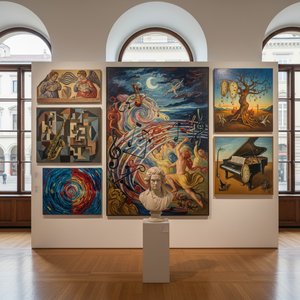
Harmonies on Canvas: Exploring the Visual Representation of Music in Art History
Explore the fascinating history of music's visual representation in art! From ancient symbolism to modern abstraction, discover how artists have captured sound and emotion on canvas. Expert insights & stunning examples.

Echoes of Time: Exploring the Enduring Appeal & Historical Context of Vintage Art Prints
Explore the captivating world of vintage art prints! Discover their history, collecting tips & enduring appeal. Expert insights on chromolithography and building a legacy collection with TopImpressionists.

The Enduring Legacy of Fine Art Prints: Technique, History & Aesthetic Impact
Explore the rich history & techniques of fine art prints. Discover investment potential, assess authenticity, and learn how to preserve your collection with expert guidance. Trusted insights for discerning collectors.

Odbitki Giclée: Jakość Archiwalna i Estetyczne Niuanse dla Wymagającego Kolekcjonera
Poznaj sekrety druku giclée – technologii zapewniającej najwyższą jakość reprodukcji sztuki i trwałość archiwalaną. Poradnik dla wymagających kolekcjonerów o wyborze papieru, tuszy i profilach kolorystycznych.

10 Arcydzieł Neoklasycyzmu: Sztuka, Historia i Inspiracje dla Twojego Domu
Poznaj 10 arcydzieł neoklasycyzmu! Odkryj historie Davida, Ingresa i Canovy. Inspiracje wnętrzarskie z malarstwem klasycznym i rzeźbą. Reprodukcje najwyższej jakości na TopImpressionists.com – sztuka dla Twojego domu.