


 Zobacz w skali 1:1
 Wyślij
 Udostępnij
 Szczegóły
 Przewodnik

 Pobierz plik obrazu
 Podobne obiekty
 RTG
RTG Pokaz slajdów
 Statystyki
Sevan Lake


Explore Martiros Saryan’s ‘Sevan Lake’ – a serene 1953 impressionistic landscape of Armenia's beauty. Discover its blues, greens & expressive brushwork.
Martiros Saryan – wybitny malarz, znany z pięknych krajobrazów i portretów Armeńskie. Jego twórczość oddaje ducha kraju, a jego obrazy są symbolem tożsamości narodowej. Odkryj unikalną estetykę i bogatą historię tego artysty!
 Czytaj więcej
Ręcznie malowana reprodukcja olejowa
Ręcznie malowany obraz olejny na płótnie, wykonany na zamówienie przez naszych artystów w wybranym przez Ciebie wymiarze i oprawie. ( Przełącz na wersję drukowaną Przełącz na wersję cyfrową)




































Standardowy
na zamówienie
CM
INCH
Wybierz spośród naszych standardowych rozmiarów, które zachowują oryginalne proporcje dzieła sztuki.
Loading sizes...

szerokość
wysokość
Możesz wprowadzić własne wymiary, aby dopasować obraz do konkretnej ramy lub przestrzeni. Jeśli wybrany rozmiar nie będzie odpowiadał proporcjom oryginału, przytniecie dzieło sztuki lub rozszerzymy je o dodatkowe elementy, ręcznie domalowane przez artystę. Przed rozpoczęciem produkcji wyślemy projekt cyfrowy do Twojej akceptacji.
Należy pamiętać, że podgląd na ekranie nie odzwierciedla rzeczywistego przycinania ani rozszerzania obrazu. Tylko projekt dokładnie pokaże ostateczną kompozycję.
Choć oferujemy możliwość zamówienia niestandardowych rozmiarów, zalecamy wybór wymiaru z gotowej listy, aby zachować oryginalne proporcje dzieła.
Przykłady możliwych zmian: Zamień twarz na zdjęcie klienta; Dodaj zwierzę domowe (np. zamień kota na psa); Ukryj wiadomość w tle; Zmień krajobraz lub elementy tła.
Po złożeniu zamówienia zespół TopImpressionists.com skontaktuje się z klientem drogą mailową w celu uzyskania instrukcji i prześle wizualizację projektu
Po złożeniu zamówienia zespół TopImpressionists.com skontaktuje się z klientem drogą mailową w celu uzyskania instrukcji i prześle wizualizację projektu
Dostawa na całym świecie () w ciągu 3–4 tygodni zamiast standardowych 5 tygodni. (26 Wrzesień). Bez kompromisów w kwestii jakości.

Bezpłatna ekspresowa wysyłka na cały świat

Wysokiej jakości płótno lniane

Pełne ubezpieczenie transportowe

Gwarancja zwrotu należności celnych i podatków importowych

Gwarancja idealnego odwzorowania barw

100-dniowy okres na zwrot dzieła w przypadku wykrycia wad produkcyjnych

Gwarancja 100% zwrotu pieniędzy

Oferta przy zakupie wielu sztuk
 Opcja ze szkłem jest dostępna wyłącznie w rozmiarach poniżej 110 cm

Sevan Lake
Technika wykonania
Rozmiar reprodukcji
-


Suma do zapłaty
$ 269


Biografia artysty
Martiros Saryan: A Voice of Armenia’s Soul
Martiros Saryan, a name inextricably linked to the vibrant heart and enduring beauty of Armenian landscape and portraiture, was far more than simply an artist; he served as a profound conduit for his nation's identity. Born in 1880 within the borders of what is now Rostov-on-Don, Russia – a region steeped in complex historical narratives – Saryan’s life unfolded as a remarkable odyssey, shaped by early artistic instruction, extensive international travel, and ultimately, an unwavering commitment to capturing the very essence of Armenia. His oeuvre stands as a testament to this deep connection, offering viewers an intimate glimpse into the nation's diverse landscapes, cherished traditions, and the resilient spirit that defines its people. Saryan’s formative years were profoundly influenced by his upbringing in a small village. He received his initial artistic training from his elder brother, Hovhannes Saryan – a skilled teacher who instilled within him not just technical proficiency but also an ardent love for drawing and painting. This foundational education, supplemented by formal studies at the prestigious Moscow School of Arts – including invaluable workshops led by the esteemed Valentin Serov and Konstantin Korovin – provided him with a robust technical base while simultaneously exposing him to the burgeoning currents of Post-Impressionism. The evocative styles of Paul Gauguin and Henri Matisse proved particularly influential, shaping his approach to color palettes, compositional strategies, and the expressive potential inherent within brushwork. These encounters weren’t merely academic; they ignited a creative fire that would profoundly inform his artistic vision. A pivotal moment in Saryan's trajectory arrived in 1901 with his inaugural journey to Armenia. This visit proved transformative, igniting an unshakeable dedication to portraying his homeland with honesty and passionate fervor. He devoted considerable time traversing the nation’s varied regions – from the rugged, imposing peaks of Lori to the fertile plains of Shirak, the ancient monasteries of Echmiadzin and Haghpat, and the serene shores of Lake Sevan – meticulously documenting their breathtaking beauty through a series of evocative landscapes. These early works—including “Makravank” (1902), “Aragats” (1902), and “Buffalo at Sevan” (1903)—quickly garnered critical acclaim, lauded for their vibrant colors, dynamic brushstrokes, and the palpable sense of place they so powerfully conveyed. They weren’t simply representations of scenery; they were imbued with a deep emotional resonance, reflecting Saryan's profound connection to his roots and heritage. Following this initial exploration, Saryan embarked on extensive travels throughout Turkey, Egypt, and Iran during the early years of the 20th century. These journeys broadened his artistic horizons, exposing him to diverse cultural influences and enriching his visual vocabulary. However, it was his return to Armenia in 1915 – a period marked by immense suffering and displacement due to the Armenian Genocide – that fundamentally shaped his artistic direction. Witnessing firsthand the devastation and profound loss experienced by his people fueled an even greater urgency within him to document and preserve the memory of Armenia through his art. He dedicated himself to assisting refugees, offering solace and hope through his paintings, and creating works that served as poignant reminders of a nation’s enduring spirit. This period yielded some of his most deeply moving creations, such as “Burning Heat with a Dog Running” (1916), which powerfully captures the raw emotion of displacement and resilience. The tumultuous years following World War I saw Saryan navigating the complexities of Soviet Armenia. Despite facing political restrictions and challenges, he remained steadfast in his artistic pursuits, continuing to paint landscapes, portraits, and scenes from Armenian life. He played a crucial role in establishing the Society of Armenian Artists in Tiflis (now Tbilisi), fostering a new generation of artists and promoting Armenian art on an international stage. His design work for the Armenian State Theatre’s curtain stands as a testament to his versatility and artistic vision. In 1926, Saryan sought inspiration in Paris, but tragedy struck when a fire destroyed much of his Parisian studio and many of his paintings. Undeterred, he returned to Armenia, where he continued to work prolifically until his death in 1972. Today, Martiros Saryan’s legacy endures through the Saryan Museum in Yerevan, which houses an extensive collection of his works, offering visitors a chance to immerse themselves in his world and appreciate the depth and richness of his artistic vision.Key Characteristics & Artistic Style
Saryan's distinctive style is characterized by a vibrant palette, bold brushstrokes, and a masterful use of color that evokes both joy and melancholy. He frequently employed techniques reminiscent of Post-Impressionism, particularly the work of Paul Gauguin and Henri Matisse, incorporating elements of Fauvism into his landscapes. His paintings are often imbued with a sense of movement and energy, achieved through dynamic compositions and loose, gestural brushwork—a deliberate departure from rigid academic traditions. He favored depicting scenes from rural Armenian life – shepherds tending their flocks, villagers engaged in daily activities, and the majestic beauty of the Armenian countryside – capturing not just the visual appearance but also the emotional atmosphere of these settings. His portraits are equally compelling, revealing a deep understanding of human character. He skillfully captured the essence of his subjects through expressive eyes and subtle gestures, conveying their inner lives with remarkable sensitivity. A recurring motif in his work is the use of light – often warm and golden—which illuminates his scenes and imbues them with a sense of warmth and vitality. The interplay of light and shadow, color and texture, creates a rich tapestry of visual experience that draws the viewer into the heart of each scene.Major Works & Recognition
Among Saryan’s most celebrated works are:- “Makravank” (1902): A vibrant depiction of the Makravank monastery, showcasing his mastery of color and composition.
- “Aragats” (1902): An iconic image of Mount Aragats, Armenia’s highest peak, symbolizing strength and resilience.
- “Buffalo at Sevan” (1903): A dynamic landscape capturing the beauty of Lake Sevan and its surrounding scenery.
- “Evening in the Garden” (1903): A serene portrayal of an Armenian village garden bathed in the golden light of dusk.
- “In the Armenian Village” (1903): A charming depiction of daily life in a traditional Armenian village.
Historical Significance & Legacy
Martiros Saryan's contribution to Armenian art is profound and multifaceted. He played a pivotal role in establishing a distinctly Armenian style of painting, moving beyond traditional academic approaches and embracing a more expressive and emotionally resonant form of artistic expression. His work served as a powerful symbol of national identity during a period of significant political and social upheaval, capturing the spirit of Armenia and its people. He wasn’t merely an artist; he was a cultural ambassador, using his art to preserve memories, celebrate traditions, and inspire hope in a nation that had endured immense hardship. His legacy continues to resonate today, reminding us of the enduring beauty and resilience of Armenian culture.
Martiros Saryan
1880 - 1972 , Rosja
Najważniejsze informacje
- Artistic Movement Or Style: Post Impressionizm
- Artists Or Movements Influenced By This Artist: ['']
- Artists Who Influenced This Artist:
- Paul Gauguin
- Henri Matisse
- Date Of Birth: 28 lutego 1880
- Date Of Death: 5 maja 1972
- Full Name: Martiros Saryan
- Nationality: Armenian
- Notable Artworks:
- Makravank
- Aragats
- Buffalo
- Place Of Birth: Nor-Nachiczewan, Rosja
Zobacz także powiązane artykuły

The Beauty of Impermanence: Capturing Decay through Impressionist Eyes
Explore the profound beauty of impermanence through Impressionist and Post-Impressionist eyes. Discover how masters like Monet and Van Gogh captured fleeting light and the poetic essence of nature's transitions in our deep dive into art history and emotional landscapes.

Beyond the Light: Capturing Raw Emotion and Subjective Vision in Post-Impressionist Landscapes
Explore the profound emotional depth of Post-Impressionist landscapes. Discover how masters like Van Gogh moved beyond light to capture raw human feeling through vibrant color and expressive texture in this expert art history retrospective.

Capturing the Soul: The Most Emotionally Moving Impressionist and Post-Impressionist Masterpieces
Discover the profound emotional depth of Impressionist and Post-Impressionist masterpieces. Explore how legends like Monet, Van Gogh, and Gauguin captured light and soul through evocative landscapes and vibrant brushwork for a timeless connection to art history.
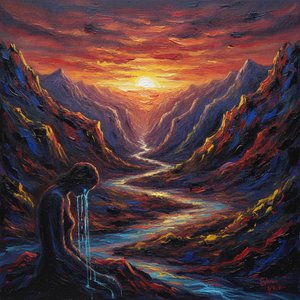
Capturing Emotion: A Journey Through the Soul of Expressionist Landscapes
Explore the profound emotional depth of Expressionist landscapes. Discover how Post-Impressionist masters moved beyond light to capture the soul through vibrant color and form. A curated journey for true art lovers seeking the beauty of expressive mastery.
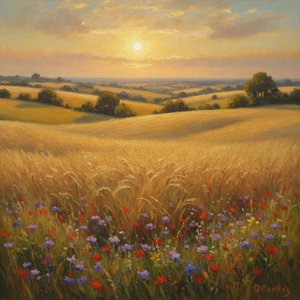
Golden Fields & Sun-Drenched Meadows: Capturing the Soul of Impressionist Landscapes
Immerse yourself in the luminous world of Impressionist landscapes. Discover how masters like Monet and Gauguin captured ephemeral light through plein air painting, and learn to bring the soul of sun-drenched meadows into your home with exquisite, hand-painted oil reproductions.