

 Podgląd w skali 1:1
 Wyślij jako kartkę
 Udostępnij
 Szczegóły dzieła
 Przewodnik

 Pobierz obraz
 Podobne obiekty
 RTG
RTG Pokaz slajdów
 Pytania i odpowiedzi
 Statystyki
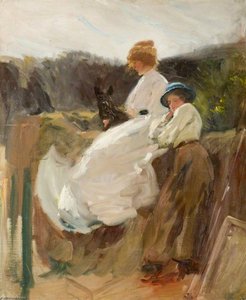
Joy

- 109.0 x 83.0 cm


Discover 'Joy' by Mary Ethel Hunter (1901). This captivating oil painting showcases rural life & timeless beauty in a stylized realism. A unique art investment!
Explore the serene paintings of Mary Ethel Hunter (1878-1936), capturing floral still lifes & portraits, reflecting Victorian sensibilities & biblical themes.
 Rozwiń treść
Giclée / Wydruk artystyczny
Wydruki giclée lub płótna o jakości muzealnej, szybka realizacja i szeroki wybór opcji wykończenia. ( Zamów ręcznie malowaną reprodukcję Przejdź do wersji cyfrowej)




































Standardowy format
personalizowane
CM
INCH
Wybierz spośród naszych standardowych rozmiarów, które zachowują oryginalne proporcje dzieła sztuki.
Loading sizes...

szerokość
wysokość
Wpisz wymaganą szerokość i wysokość, aby dopasować grafikę do ramy lub ściany. Wydruk można jedynie przyciąć, nigdy nie powiększając go poza oryginalny obraz, dlatego format o innych proporcjach spowoduje utratę części kompozycji. Przed rozpoczęciem druku prześlemy Ci cyfrowy podgląd do zatwierdzenia. Obraz wyświetlany na tej stronie nie pokazuje rzeczywistego przycięcia — jedynie podgląd oddaje ten efekt.
Dostawa na cały świat () w ciągu 2 tygodni zamiast standardowych 4/5 tygodni. (11 Listopad)

Bezpłatna ekspresowa wysyłka na cały świat

Wysokiej jakości płótno lniane

Pełne ubezpieczenie przesyłki

Gwarancja zwrotu należności celnych i podatków importowych

Gwarancja wiernego odwzorowania kolorów

100-dniowa polityka zwrotów (tylko w przypadku wad)

Gwarancja 100% zwrotu pieniędzy

Zniżka przy zakupie wielu sztuk
 Opcja ze szkłem jest dostępna wyłącznie w rozmiarach poniżej 110 cm

Joy
Giclée / Wydruk artystyczny
Wymiary reprodukcji
-


Cena całkowita
zł 273




Biografia artysty
Mary Ethel Hunter: A Victorian Soul in Bloom
The canvases of Mary Ethel Hunter (1878-1936) offer a serene glimpse into the heart of late 19th and early 20th century England – a world steeped in Victorian sensibilities, religious devotion, and a burgeoning appreciation for the beauty of the natural world. More than just a painter, Hunter was a meticulous observer, translating her experiences and deeply held beliefs onto canvas with a quiet grace and remarkable technical skill. Her work isn’t merely decorative; it's imbued with a contemplative spirit, reflecting both the formal constraints of her era and a subtle, yet persistent, yearning for something beyond.
Born in Napier, New Zealand, to Edward and Hannah Togwood, Mary Ethel Hunter’s early life was shaped by strong family values and a deep connection to the Methodist Church. This religious foundation profoundly influenced her artistic vision, informing many of her subjects – particularly biblical scenes and floral arrangements laden with symbolic meaning. Her formal art training began in Auckland, but she later moved to Wellington, where she continued to hone her skills and develop her distinctive style. It was during this period that Hunter’s talent truly blossomed, establishing her as a respected artist within the Wellington art community.
The Language of Flowers and Faith
Hunter's most celebrated works are undoubtedly her floral still lifes – meticulously rendered compositions dominated by roses, lilies, violets, and other blooms. These aren’t simply depictions of beauty; they’re carefully constructed narratives. Each flower is imbued with symbolic weight, echoing the language of flowers prevalent during the Victorian era, where colors and arrangements conveyed hidden meanings of love, loss, remembrance, and faith. A single red rose might represent passionate affection, while a cluster of lilies could symbolize purity or mourning. Her use of light and shadow is particularly noteworthy – often employing diffused natural light to create an ethereal atmosphere that enhances the sense of tranquility and reverence within each painting.
The influence of Pre-Raphaelite painters like Millais and Rossetti is evident in Hunter’s meticulous detail, rich color palettes, and penchant for depicting scenes from biblical stories. However, unlike her predecessors, Hunter avoids overt romanticism, instead favoring a more restrained and dignified approach. Her figures are often presented with quiet dignity, their gazes directed inward or towards the heavens – reflecting a deep sense of spirituality and inner contemplation.
A Life Beyond the Canvas
Beyond her artistic pursuits, Mary Ethel Hunter was an active participant in several social movements of her time. She was deeply involved in the Women’s Christian Temperance Union (WCTU), campaigning tirelessly for the Six O'clock Closing of hotels – a controversial measure aimed at curbing alcohol consumption and its detrimental effects on society. Her dedication to this cause is documented in numerous diaries and letters, revealing a woman of unwavering conviction and tireless energy. She travelled extensively throughout New Zealand and Australia, organizing meetings, gathering signatures for petitions, and delivering impassioned speeches.
Later in life, Hunter moved to Nelson, where she became Matron of Alexandra Home – an institution dedicated to providing care for elderly women. This role demonstrated her compassionate nature and commitment to serving others. Her time at the home provided a new source of inspiration, evident in some of her later works that depict scenes of domestic tranquility and quiet dignity.
Legacy and Influence
Mary Ethel Hunter’s artistic legacy is one of understated elegance and profound spiritual depth. While she never achieved widespread fame during her lifetime, her paintings are now recognized as significant examples of Victorian art – particularly for their meticulous detail, symbolic richness, and evocative atmosphere. Her work offers a valuable window into the social and cultural landscape of late 19th and early 20th century England, revealing the complex interplay between faith, beauty, and social reform. Her paintings continue to resonate with viewers today, inviting contemplation on themes of love, loss, faith, and the enduring power of nature.
Hunter’s contribution extends beyond her artistic output; she embodies a spirit of quiet determination and unwavering commitment to her beliefs – qualities that make her a compelling subject for historical study and a testament to the often-overlooked contributions of women artists in a male-dominated era.

Mary Ethel Hunter
1878 - 1936
Krótka nota
- Full Name: Mary Ethel Hunter
- Nationality: British
- Date Of Birth: 1878
- Date Of Death: 1936
- Place Of Birth: Napier, New Zealand
- Notable Artworks:
- Marita
- Various floral still lifes
- Artistic Movement Or Style: Victorian Art
Powiązane artykuły

The Soul of Impressionism: Why Oil on Canvas Captures Eternal Light and Timeless Emotion
Discover the enchanting alchemy of Impressionism. Explore how the mastery of oil on canvas, through glazing and impasto, captures eternal light and emotion. Perfect for lovers of Monet and Van Gogh seeking the profound depth of hand-painted fine art.

Capturing the Soul of Nature: A Journey Through the Sublime Majesty of American Romanticism
Explore the breathtaking beauty of American Romanticism. Discover how Hudson River School masters captured the sublime spirit of the wilderness through luminous oil landscapes and emotional depth. A journey into the soul of nature for the true art enthusiast.

The Timeless Charm of Oil on Board: Reimagining Texture and Light through the Impressionist Lens
Discover the profound intimacy of oil on panel. Explore how Impressionist masters used rigid supports to capture light, texture, and impasto depth through exquisite, handmade oil reproductions for discerning collectors.