


 Zobacz w skali 1:1
 Wyślij
 Udostępnij
 Szczegóły
 Przewodnik

 Pobierz plik obrazu
 Podobne obiekty
 RTG
RTG Pokaz slajdów
 Statystyki
Blue Jar
 Modernism
 1945
1945 49.0 x 59.0 cm
 Government Art Collection
Discover 'Blue Jar' by Mary Potter (1945). A modernist still life featuring muted blues & greens, impasto texture, & subtle forms. Explore this evocative landscape painting.
Explore Mary Potter’s subtle, luminous paintings of landscapes & portraits. OBE-winning artist known for evocative color palettes & capturing fleeting moments.
 Czytaj więcej
Dzieło sztuki prezentowane na tej stronie podlega ochronie prawem autorskim, co oznacza, że nie mamy prawa do tworzenia ani sprzedaży jego identycznej reprodukcji. Ochrona ta jest egzekwowana na mocy umów międzynarodowych, takich jak Konwencja berneńska oraz przez przepisy prawa krajowego, w tym te określone w Prawo autorskie USA – Tytuł 17.
Jako pełną szacunku i legalną alternatywę oferujemy personalizowane, malowane ręcznie dzieła sztuki inspirowane oryginałem. Nasi wykwalifikowani i profesjonalni artyści starannie analizują styl, nastrój oraz artystyczną esencję pierwowzoru, aby stworzyć nowe, unikalne dzieło, które przywołuje te same emocje – pozostając jednocześnie w pełni oryginalną kreacją.
Metoda ta jest w pełni zgodna z przepisami prawa autorskiego, ponieważ nie polega na kopiowaniu ani powielaniu chronionego dzieła. Stanowi ona kreatywną reinterpretację – nowy obraz, który czerpie inspirację z oryginału, ale nie jest z nim tożsamy.
Ręcznie malowana reprodukcja olejowa
Ręcznie malowany obraz olejny na płótnie, wykonany na zamówienie przez naszych artystów w wybranym przez Ciebie wymiarze i oprawie. ( Przełącz na wersję drukowaną Przełącz na wersję cyfrową)




































Standardowy
na zamówienie
CM
INCH
Wybierz spośród naszych standardowych rozmiarów, które zachowują oryginalne proporcje dzieła sztuki.
Loading sizes...

szerokość
wysokość
Wpisz wymaganą szerokość i wysokość, aby obraz pasował do Twojej ramy lub ściany. Ponieważ jest to dzieło malowane ręcznie, w przypadku rozmiaru o innym proporcji artysta może domalować nieco więcej wokół obrazu lub przyciąć fragmenty — wybór należy do Ciebie. Przed rozpoczęciem pracy prześlemy Ci cyfrową wizualizację do zatwierdzenia. Obraz widoczny na tej stronie nie przedstawia rzeczywistego efektu — jedynie wizualizacja oddaje realny rezultat.
Przykłady możliwych zmian: Zamień twarz na zdjęcie klienta; Dodaj zwierzę domowe (np. zamień kota na psa); Ukryj wiadomość w tle; Zmień krajobraz lub elementy tła.
Po złożeniu zamówienia zespół TopImpressionists.com skontaktuje się z klientem drogą mailową w celu uzyskania instrukcji i prześle wizualizację projektu
Po złożeniu zamówienia zespół TopImpressionists.com skontaktuje się z klientem drogą mailową w celu uzyskania instrukcji i prześle wizualizację projektu
Dostawa na całym świecie () w ciągu 3–4 tygodni zamiast standardowych 5 tygodni. (22 Październik). Bez kompromisów w kwestii jakości.

Bezpłatna ekspresowa wysyłka na cały świat

Wysokiej jakości płótno lniane

Pełne ubezpieczenie transportowe

Gwarancja zwrotu należności celnych i podatków importowych

Gwarancja idealnego odwzorowania barw

100-dniowy okres na zwrot dzieła w przypadku wykrycia wad produkcyjnych

Gwarancja 100% zwrotu pieniędzy

Oferta przy zakupie wielu sztuk
 Opcja ze szkłem jest dostępna wyłącznie w rozmiarach poniżej 110 cm

Blue Jar
Technika wykonania
Rozmiar reprodukcji
-


Suma do zapłaty
zł 1021
Podobne dzieła


Biografia artysty
Mary Potter: A Subtle Master of Light and Landscape
Born Marian Anderson Attenborough in Beckenham, Kent, in 1900, Mary Potter’s life was one inextricably linked to the quiet beauty of the Suffolk countryside. Her early years were marked by a delicate health—a consequence of congenital heart and lung issues—which shaped her introspective nature and fostered a deep appreciation for stillness and observation. This sensitivity would become the cornerstone of her distinctive artistic style, characterized by a restrained palette, luminous colors, and an uncanny ability to capture fleeting moments of light and atmosphere.
Potter’s formal training began at the Beckenham School of Art and continued at the Slade School of Fine Art in London. There, she honed her skills under the tutelage of Henry Tonks, winning numerous prizes, including first place for portraiture. This early exposure to rigorous artistic principles laid the groundwork for her later development, but it was a conscious decision to move away from academic painting and embrace a more personal, expressive approach.
Early Career and Bohemian London
Potter’s career unfolded during a period of significant social and artistic change in early 20th-century England. She initially exhibited with groups like the New English Art Club and the London Group, engaging with the burgeoning avant-garde movement while maintaining her own distinct voice. Her early works often featured still lifes, portraits, and landscapes—a diverse range reflecting her broad interests. A pivotal period occurred during her time in Fitzrovia, a vibrant bohemian district of London, where she shared a studio space with fellow artists and experienced the energy of a creative community.
Her marriage to Stephen Potter in 1927 brought a new dimension to her life, providing companionship and mutual artistic support. However, their relationship eventually ended in divorce in 1955, an event that undoubtedly influenced her evolving artistic perspective. The move to Aldeburgh in 1951 proved transformative, offering the tranquility she needed to fully dedicate herself to her art.
The Development of a Unique Style
Potter’s distinctive style emerged gradually over several decades, rooted in a deep understanding of color and light. She eschewed bold brushstrokes and dramatic compositions, instead favoring a subtle, almost understated approach. A key element of her technique involved mixing paint with beeswax—a process that created a unique “chalky luminous quality,” as Kenneth Clark famously described it, resulting in paintings imbued with an ethereal glow. Her palette was consistently restrained, relying on pale, muted tones to evoke the atmosphere and mood of her subjects.
Her subject matter often centered around the landscapes of Suffolk—the rolling hills, windswept coastlines, and quiet meadows that surrounded her home. She also painted portraits, capturing the essence of her subjects with remarkable sensitivity and empathy. Potter’s work is not about literal representation; rather, it's an exploration of perception, memory, and emotion – a distillation of experience into evocative visual forms.
Recognition and Legacy
Despite initially working largely outside the mainstream art world, Mary Potter gained increasing recognition in the 1960s and 70s. Her work was exhibited at prestigious venues like the Tate Gallery and the Serpentine Gallery, and she received numerous awards, including an OBE in 1979 and the John Moores Prize in 1981. Her retrospective exhibitions—held in London and elsewhere—attracted critical acclaim and solidified her place as a significant figure in British art.
Mary Potter’s legacy extends beyond her individual paintings. Her quiet, contemplative approach to art offered a powerful counterpoint to the prevailing trends of the time, demonstrating that beauty could be found in subtlety and restraint. Her work continues to resonate with viewers today, offering a glimpse into a world of serene landscapes and intimate portraits—a testament to the enduring power of observation and artistic sensitivity.
Key Characteristics of Potter’s Art
- Restrained Palette:** Primarily utilizing pale, muted colors – blues, greens, browns, greys - creating a sense of tranquility and atmosphere.
- Luminous Quality:* The beeswax technique imparted a unique glow to her paintings, enhancing their ethereal quality.
- Emphasis on Atmosphere:** Potter prioritized capturing the mood and feeling of a scene over precise detail or realistic representation.
- Subtle Composition:* Her compositions were often simple and understated, allowing the colors and light to take center stage.
- Subject Matter:* Frequently depicted landscapes of Suffolk, as well as intimate portraits reflecting her personal observations.

Mary Potter
1900 - 1981
Najważniejsze informacje
- Full Name: Mary Potter (painter)
- Nationality: English
- Date Of Birth: 1900
- Date Of Death: 1981
- Place Of Birth: Beckenham, Kent, UK
- Notable Artworks:
- Brighton Beach
- Regent's Park
- Joyce Grenfell
- Artistic Movement Or Style: Subtle color landscapes/portraits
- Artists Who Influenced This Artist: ['Henry Tonks']
- Artists Or Movements Influenced By This Artist: ['Victor Pasmore']
Zobacz także powiązane artykuły

Top 10 Sławnych Obrazów w Odcieniach Szaroniebieskiego – Inspiracje dla Wnętrz | TopImpressionists.com
Odkryj 10 najsłynniejszych obrazów w odcieniach szaroniebieskiego! Poznaj historie Claude Moneta, Degasa i Van Gogha. Inspiracje wnętrzarskie i reprodukcje najwyższej jakości na TopImpressionists.com – sztuka dla Twojego domu.

Azure Visions: Exploring Representations of the Blue Dress in Western Art History
Explore the rich history of the blue dress in Western art! Discover its symbolism, from Renaissance masterpieces to modern interpretations by artists like Martin & Schiele. Uncover cultural meanings and artistic techniques.

Silent Narratives: Exploring the Enduring Appeal of Still Life Painting Across Centuries
Explore the rich history of still life painting with TopImpressionists. Discover Dutch Masters, decode vanitas symbolism & learn about collecting timeless art. Expert insights and museum-quality reproductions.
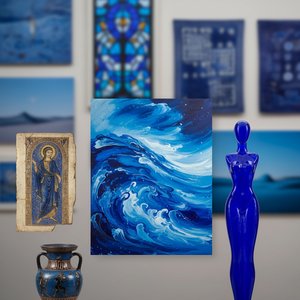
Błękit w Sztuce: Symbolika, Historia i Psychologiczne Oddziaływanie Koloru
Odkryj fascynującą historię błękitu w sztuce! Poznaj symbolikę, psychologię i wpływ tego koloru na arcydzieła renesansu i współczesne trendy. Ekspercka analiza dla miłośników sztuki.

Od Klasycznej Natury Martwej do Współczesnej Abstrakcji: Podnoszenie Prestiżu Przestrzeni Rezydencji Poprzez Artystyczne Reprodukcje
Odkryj historię martwej natury i jak artystyczne reprodukcje podnoszą prestiż Twojej rezydencji. Eksperckie porady, najwyższa jakość obrazów od TopImpressionists.com – Cézanne, Matisse i inni mistrzowie.