

Shown: · With its frame:
 Podgląd w skali 1:1
 Wyślij jako kartkę
 Udostępnij
 Szczegóły dzieła
 Przewodnik

 Pobierz obraz
 Podobne obiekty
 RTG
RTG Pokaz slajdów
 Q&A
Q&A Statystyki

zł 1046
Ręcznie malowana reprodukcja olejowa
Ręcznie malowany obraz olejny na płótnie, wykonany na zamówienie przez naszych artystów w wybranym przez Ciebie wymiarze i oprawie. ( Przełącz na wydania drukowane Przejdź do wersji cyfrowej)
Size
·Standardowy format
personalizowane
CM
INCH
Wybierz spośród naszych standardowych rozmiarów, które zachowują oryginalne proporcje dzieła sztuki.
Loading sizes...

szerokość
wysokość
Wpisz wymaganą szerokość i wysokość, aby obraz pasował do Twojej ramy lub ściany. Ponieważ jest to dzieło malowane ręcznie, w przypadku rozmiaru o innych proporcjach artysta może domalować nieco więcej wokół obrazu lub przyciąć jego fragmenty — wybór należy do Ciebie. Przed rozpoczęciem pracy prześlemy Ci cyfrową wizualizację do zatwierdzenia. Obraz widoczny na tej stronie nie przedstawia rzeczywistego efektu — jedynie wizualizacja oddaje realny rezultat.
 Dowiedz się więcej
Finish
·
White zł1

Blurside zł1

Extended zł1

P118B zł10

P118H zł10

P118W zł10

P438Z zł10

P508JH zł12

P508YH zł12

P805H zł10

P805Z zł10

P919BZ zł10

P919G zł10

P919XJ zł10

P959ZH zł10

P968JZ zł12

W106C zł8

W218G zł10

W218JH zł8

W218Y zł10

W307PJ zł10

W316G zł10

W316PJ zł8

W316Y zł10

W398PJ zł8

W4111J zł10

W500HY zł15

W500JH zł15

W692G zł12

W849H zł8

W940BG zł15

W953PJ zł8

H24-GOLD zł30

H24-SILVER zł30

H36-GOLD zł45

H36-SILVER zł45
Shipped in a protective tube, ready for your own framer.
Above 105 cm the frame is shipped as a kit for a professional framer — read the details.
Extras
optionalWhat do the extras include?
Examples of what can be changed: Replace face with customer photo; Add pet (e.g., replace cat with dog); Include hidden message in background; Change background landscape or elements.
After order, TopImpressionists.com team will email client for instructions and provide a mockup preview
After order, TopImpressionists.com team will email client for instructions and provide a mockup preview
Dostawa na całym świecie () w ciągu 3–4 tygodni zamiast standardowych 5 tygodni. (1 Listopad). Bez kompromisów w kwestii jakości.
Lakier ochronny
Etykieta obiektu
Szczegóły grawerowanej brązowej tabliczki
This elegant plaque features the artist's name and the title of the artwork, finely engraved for a timeless presentation.
It is made from bronze with a refined, elegant finish. The text is precisely laser-engraved for a sharp and permanent result. Measuring 9x2 cm, the plaque is compact yet easy to read. It's built to be durable and scratch-resistant, offering a professional, museum-quality look. Mounting is simple thanks to the included adhesive backing.
Szczegóły przezroczystej tabliczki akrylowej
The plaque includes essential engraved details such as the artist's name, the title of the artwork, the date it was created, the type of media used-like oil on canvas or watercolor-a brief description of the piece, and a QR code that links to the complete artwork information.
It is crafted from clear acrylic, offering a sleek, modern appearance. The text is UV-engraved in black to ensure strong visual contrast. With a size of 10x15 cm, it ensures optimal readability. It comes equipped with two metal hooks for secure wall mounting. The plaque is designed to be weather-resistant, making it suitable for various environments, and it includes interactive features that work seamlessly with smartphone scanning.
Szczegóły czarnej tabliczki akrylowej
This elegant plaque includes engraved information such as the artist's name, the title of the artwork, the date it was created, the type of media used (like oil on canvas or watercolor), a short description of the artwork, and a QR code for quick access to more information.
The plaque itself is made from refined black acrylic with a premium finish. The text is laser-engraved in white for high contrast and readability. Its size is 10x15 cm, designed to be easy to read. It comes with two metal hooks for professional mounting. The design is sleek and fits any interior style. It is also weather-resistant and durable, with built-in digital integration for mobile compatibility.
Opcja ze szkłem jest dostępna wyłącznie w rozmiarach poniżej 110 cm
 Opcja ze szkłem jest dostępna wyłącznie w rozmiarach poniżej 110 cm
- Bezpłatna ekspresowa wysyłka na cały świat
- Wysokiej jakości płótno lniane
- Pełne ubezpieczenie przesyłki
- Gwarancja zwrotu należności celnych i podatków importowych
- Gwarancja wiernego odwzorowania kolorów
- 100-dniowa polityka zwrotów (tylko w przypadku wad)
- Gwarancja 100% zwrotu pieniędzy
- Zniżka przy zakupie wielu sztuk


Opis obiektu
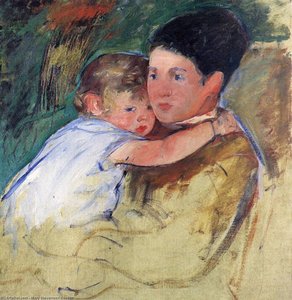
Mary Stevenson Cassatt’s "The Two Sisters" (1894) is a captivating pastel portrait of two women in an Impressionistic style. Explore its layered colors, soft lines & intimate emotion.
Biografia artysty
Mary Cassatt – amerykańska malarka impresjonistka, znana z intymnych portretów kobiet i dzieci. Jej twórczość to studium nowoczesnego życia i siły kobiecej duszy.
About the painting
Mary Cassatt's Tender Embrace: An Exploration of "The Two Sisters"
Mary Stevenson Cassatt’s “The Two Sisters,” painted in 1894, is more than just a pastel portrait; it’s a poignant meditation on intimacy and connection rendered with the delicate precision characteristic of Impressionism. This artwork captures two young women locked in a tender embrace, a scene brimming with quiet emotion and bathed in a diffused, warm light that seems to emanate from within the figures themselves. The painting immediately draws the viewer into its world through its loose brushstrokes and vibrant layering of color – a technique perfected by Cassatt as she sought to capture fleeting moments of experience rather than precise representations.
- Impressionistic Style: Cassatt’s approach aligns perfectly with the Impressionist movement, particularly in her focus on light and atmosphere. The broken color techniques employed create a shimmering effect, suggesting both texture and the play of light upon the women's skin.
- Composition & Perspective: The slightly off-center composition contributes to the painting’s sense of vulnerability and immediacy. The shallow perspective emphasizes the closeness of the subjects, drawing us into their private world.
- Material & Technique: Constructed with pastels applied to a paper or board surface, Cassatt masterfully layered these colors to build up form and create luminous effects – a hallmark of her style.
A Window into Late 19th-Century Domesticity
"The Two Sisters" offers a fascinating glimpse into the social and artistic landscape of late 19th-century America. Cassatt, like many American artists at the time, found refuge and inspiration in France, where she became deeply involved with the Impressionist circle. This painting reflects her recurring theme of portraying women – often mothers and daughters – within domestic settings, a subject considered unconventional for female artists during that era. The scene speaks to the importance of familial bonds and the quiet moments of connection within the home, themes that resonated powerfully with Cassatt’s own life and experiences.
Symbolic Resonance & Emotional Impact
Beyond its aesthetic qualities, “The Two Sisters” is rich in symbolic meaning. The intimate pose and expressions of affection suggest a deep bond between the women – perhaps a sisterly relationship or a mother-daughter connection. The blurred lines and soft focus contribute to a dreamlike quality, inviting viewers to contemplate the nature of love, companionship, and shared contemplation. Cassatt’s ability to evoke such profound emotion through seemingly simple imagery is a testament to her artistic skill and sensitivity.
Collecting & Displaying This Masterpiece
Mary Cassatt's "The Two Sisters" remains a captivating work of art, admired for its delicate beauty, emotional depth, and technical mastery. A hand-painted reproduction offers an exceptional opportunity to bring this iconic piece into your home or office. Whether adorning a gallery wall or serving as a focal point in a sophisticated interior design scheme, this artwork will undoubtedly spark conversation and evoke a sense of timeless elegance. Its evocative portrayal of human connection makes it a truly treasured addition to any collection.
Pytania i odpowiedzi
Co przedstawia „The Two Sisters” – Mary Stevenson Cassatt i jaki ma nastrój?
„The Two Sisters” – Mary Stevenson Cassatt łączy w sobie female connection, intimate moment, pastel portraiture, soft light & shadow, domestic life, american art, cassatt’s style” z Romantic atmosferą.
Gdzie mogę znaleźć dzieła sztuki podobne do „The Two Sisters” – Mary Stevenson Cassatt?
Dzieła podobne do „The Two Sisters” – Mary Stevenson Cassatt można znaleźć na stronie Podobne dzieła danego dzieła.
Kto jest autorem dzieła "The Two Sisters"?
„The Two Sisters” zostało stworzone przez Mary Stevenson Cassatt. Informacje na tej stronie dotyczą oryginalnego dzieła autorstwa Mary Stevenson Cassatt.
Quick facts and art quiz
About Mary Stevenson Cassatt

Mary Stevenson Cassatt
1843 - 1926, Stany Zjednoczone
Biografia artysty
A Life Dedicated to Impressionism and Domesticity
Mary Stevenson Cassatt, imienna na zawsze związana z intymnymi przedstawieniami kobiet i dzieci w rozświetlającym świecie późnego XIX wieku Impresjonizmu, wypracowała wyjątkowy ścieżkę jako amerykańska artystka, która odkryła swoje artystyczne schronienie we Francji. Urodziła się 22 maja 1844 roku w Allegheny City, Pensylwania – obecnie część Pittsburgha – i jej dzieciństwo było naznaczone przywilejem oraz wykształconą świadomością kultury. Jej rodzina, pochodząca z korzeni hugenockich we Francji, ceniła edukację i podróże, wpajając młodej Mary kosmopolityczną perspektywę, która głęboko wpłynęła na jej wizję artystyczną. Chociaż normy społeczne często ograniczały kobiety do sfer domowych, matka Mary, Katherine Kelso Johnston, aktywnie zachęcała swoją córkę do rozwijającego się zainteresowania sztuką, rozpoznając i pielęgnując talent, który podważył konwencje. Wczesne wsparcie to okazało się nieocenione, gdy Cassatt pokonywała wyzwania związane z pogonią za karierą zawodową w środowisku dominującym mężczyznami.From Philadelphia to Parisian Immersion
Formalne szkolenie artystyczne Cassatt rozpoczęło się w Pennsylvania Academy of the Fine Arts w Filadelfii w wieku piętnastu lat, odważny krok dla młodej kobiety w czasach Wojny Secesyjnej. Pomimo spotkania z sceptycyzmem i subtelnym zniechęceniem ze strony niektórych nauczycieli i kolegów, wytrwale dążyła do celu przez lata żmudnych studiów. Jednak czując się ograniczoną przez celową prędkość akademii i tradycyjne metody, Cassatt poszukiwała szerszych horyzontów. Kluczowym momentem okazało się 1866 rok, kiedy to wyjechała do Paryża, towarzysząc matce i rodzinom przyjaciołom jako opiekunowie. Przenosiny te oznaczały zwrot w jej rozwoju artystycznym. Studiowała prywatnie u uznanych artystów związanych z École des Beaux-Arts, w tym Jean-Léon Gérôme, przyswając umiejętności techniczne, jednocześnie zanurzając się w rozwijającą się paryską scenę artystyczną. To właśnie wtedy Cassatt zaczęła skłaniać się ku nowatorskim ideom Impresjonistów, grupy wyzwalającej akademickie konwenanse i dążącej do uchwycenia ulotnych chwil współczesnego życia. Szczególnie ważnym związkiem okazał się Edgar Degas, który dostrzegał jej wyjątkowy talent i zapraszał do wystawiania obok kręgu Impresjonistów. Ich relacja wykraczała poza wystawy – Degas stał się mentorem, zachęcającym Cassatt do eksploracji technik graficznych, zwłaszcza aquatinty barwnej, która stała się integralną częścią jej repertuaru artystycznego. Znacznie wpłynął na jej kompozycje, szczególnie w kwestii asymetrycznych układów i przyciętych postaci – elementy, które miały zdefiniować jej unikalny styl.Capturing Modern Womanhood: Style and Themes
Styl artystyczny Cassatt ewoluował, aby odzwierciedlać cechy Impresjonizmu – widoczne pociągnięcia pędzlem, skupienie na świetle i kolorze oraz zaangażowanie w przedstawianie współczesnego życia. Mimo to, wzbogaciła swoją pracę o wyjątkową klarowność i precyzję, która odróżniała ją od niektórych jej kolegów. W przeciwieństwie do wielu męskich Impresjonistów, którzy preferowali krajobrazy lub życie nocne Paryża, Cassatt skupiła swoje dzieło na światach społecznych i prywatnych kobiet, szczególnie matek i dzieci. Przedstawiała sceny z życia domowego – rytuały kąpielowe, przyjęcia herbaciane, spokojne chwile więzi – z niezwykłą intymnością i głębią psychologiczną. Jej obrazy nie są jedynie przedstawieniami codziennego życia; to czułe eksploracje więzi macierzystych, relacji między kobietami i złożoności współczesnej kobiety. Prace takie jak The Boating Party (1894), Child’s Bath (w różnych wersjach) i Little Girl in a Blue Armchair ukazują jej umiejętność uchwycenia ulotnych chwil zarówno z punktu widzenia technicznego, jak i emocjonalnego. Ponadto, Cassatt była głęboko zainspirowana japońskimi drzeworytami *ukiyo-e*, co widać w płaskiej perspektywie kompozycji, odważnych wyborach kolorystycznych i eleganckiej prostocie. Wpływ Japonii dodał kolejną warstwę wyrafinowania jej już charakterystycznego stylu, wpływając na jej użycie wzorów i układ form w przestrzeni. Podziwiała sposób, w jaki te drzeworyty przedstawiały codzienne życie z tak bezpośredniością i wdziękiem, cech, które chciała naśladować w swojej własnej sztuce.Legacy and Historical Significance
Wkład Mary Cassatt w świat sztuki wykracza daleko poza jej urocze obrazy i mistrzowskie grafiki. Często uznawana za jedną z „trzech wspaniałych dam” Impresjonizmu, obok Berthe Morisot i Marie Bracquemond, przełamała bariery dla artystek kobiet i wytyczyła drogę dla przyszłych pokoleń. Odegrała kluczową rolę w łączeniu amerykańskiej i europejskiej sztuki, wprowadzając idee Impresjonizmu do amerykańskiego odbiorcy i znacząco przyczyniając się do rozwoju Ameryki Impresjonistycznej. Jej praca oferowała nuansowaną i współczującą perspektywę na życie kobiet w okresie, kiedy często były marginalizowane lub stereotypizowane w sztuce. Jej przedstawienia macierzyństwa są szczególnie celebrowane za ich szczerość i głębokość emocjonalną, kwestionując konwencjonalne reprezentacje i świętując siłę i delikatność więzi macierzystych. Dzisiaj jej dzieła znajdują się w renomowanych muzeach na całym świecie, w tym w Art Institute of Chicago (The Child’s Bath) i National Portrait Gallery w Londynie (portret autorstwa Degasa), zapewniając, że jej dziedzictwo nadal inspiruje i rezonuje z odbiorcami na całym świecie. **Została potężnym symbolem niezależności artystycznej i świadectwem trwałej mocy sztuki do oświetlenia ludzkiego doświadczenia.**Further Exploration
- Online Resources: Explore Mary Cassatt’s life and work further through resources like Wikipedia (https://en.wikipedia.org/wiki/Mary_Cassatt) and TopImpressionists.
- Museum Collections: Discover her masterpieces in renowned museums worldwide, including the Art Institute of Chicago and the National Portrait Gallery in London.
- Related Artists: Delve into the works of Edgar Degas, Berthe Morisot, and Marie Bracquemond to understand the broader context of Impressionism and the contributions of women artists during this period.
Quick facts about Mary Stevenson Cassatt
- Artistic Movement Or Style: Impresjonizm
- Artists Or Movements Influenced By This Artist: ['Am. Impresjonizm']
- Artists Who Influenced This Artist:
- Degas
- Gérôme
- Date Of Birth: 22 maja 1844
- Date Of Death: 14 czerwca 1926
- Full Name: Mary Stevenson Cassatt
- Nationality: Amerykańska
- Notable Artworks:
- Boating Party
- Wanna dla dziecka
- Place Of Birth: Pittsburgh, USA
Podobne dzieła






Odkryj dzieła sztuki uporządkowane według tematów, stylów i cech charakterystycznych.


Mary Stevenson Cassatt
The Two Sisters
() ·
With its frame: · Hand-painted in oil on linen
Total