

 Podgląd w skali 1:1
 Wyślij jako kartkę
 Udostępnij
 Szczegóły dzieła
 Przewodnik

 Pobierz obraz
 Podobne obiekty
 RTG
RTG Pokaz slajdów
 Pytania i odpowiedzi
 Statystyki
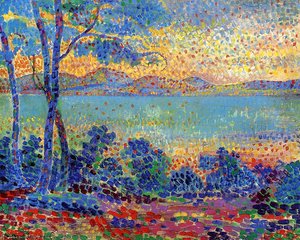
The Seine at Herblay


Discover "The Seine at Herblay" by Maximilien Luce (1890), a stunning Pointillist landscape painting housed in the Musée d'Orsay. Explore vibrant colors & Parisian charm.
 Rozwiń treść
Maximilien Luce (1858-1941) – francuski malarz Neoimpresjonista, znany z dynamicznych pejzaży i obrazów życia miejskiego. Jego twórczość odzwierciedla idee anarchistyczne i przemiany epoki.
Giclée / Wydruk artystyczny
Wydruki giclée lub płótna o jakości muzealnej, szybka realizacja i szeroki wybór opcji wykończenia. ( Zamów ręcznie malowaną reprodukcję Przejdź do wersji cyfrowej)




P118B zł10

P118H zł10

P118W zł10

P438Z zł10

P508JH zł12

P508YH zł12

P805H zł10

P805Z zł10

P919BZ zł10

P919G zł10

P919XJ zł10

P959ZH zł10

P968JZ zł12

W106C zł8

W218G zł10

W218JH zł8

W218Y zł10

W307PJ zł10

W316G zł10

W316PJ zł8

W316Y zł10

W398PJ zł8

W4111J zł10

W500HY zł15

W500JH zł15

W692G zł12

W849H zł8

W940BG zł15

W953PJ zł8




Standardowy format
personalizowane
CM
INCH
Wybierz spośród naszych standardowych rozmiarów, które zachowują oryginalne proporcje dzieła sztuki.
Loading sizes...

szerokość
wysokość
Wpisz wymaganą szerokość i wysokość, aby dopasować grafikę do ramy lub ściany. Wydruk można jedynie przyciąć, nigdy nie powiększając go poza oryginalny obraz, dlatego format o innych proporcjach spowoduje utratę części kompozycji. Przed rozpoczęciem druku prześlemy Ci cyfrowy podgląd do zatwierdzenia. Obraz wyświetlany na tej stronie nie pokazuje rzeczywistego przycięcia — jedynie podgląd oddaje ten efekt.
Dostawa na cały świat () w ciągu 2 tygodni zamiast standardowych 4/5 tygodni. (4 Listopad)

Bezpłatna ekspresowa wysyłka na cały świat

Wysokiej jakości płótno lniane

Pełne ubezpieczenie przesyłki

Gwarancja zwrotu należności celnych i podatków importowych

Gwarancja wiernego odwzorowania kolorów

100-dniowa polityka zwrotów (tylko w przypadku wad)

Gwarancja 100% zwrotu pieniędzy

Zniżka przy zakupie wielu sztuk
 Opcja ze szkłem jest dostępna wyłącznie w rozmiarach poniżej 110 cm

The Seine at Herblay
Giclée / Wydruk artystyczny
Wymiary reprodukcji
-


Cena całkowita
zł 272
A Symphony of Light and Color: Exploring Maximilien Luce’s “The Seine at Herblay”
Maximilien Luce’s “The Seine at Herblay,” completed in 1890, stands as a cornerstone of Neo-Impressionism—a movement that sought to elevate landscape painting beyond mere representation into an exploration of sensory experience. Currently residing within the prestigious Musée d'Orsay in Paris, this canvas isn’t merely a depiction of a riverside scene; it’s a deliberate orchestration of color and texture designed to evoke tranquility and capture the fleeting beauty of twilight.
- Subject Matter: Luce meticulously portrays Herblay, a suburb of Paris nestled along the Seine River. The composition centers around a gently sloping hillside descending towards the tranquil waters of the river, punctuated by distant mountains bathed in the warm hues of sunset. This deliberate choice reflects the Impressionists’ fascination with capturing natural light and atmosphere—a tradition Luce embraced with unwavering conviction.
- Style & Technique: Luce’s signature technique is Pointillism – a revolutionary approach championed by Georges Seurat and Paul Signac. Rather than blending colors directly onto the canvas, artists like Luce applied tiny dots of pure pigment, allowing the viewer's eye to optically merge them into harmonious shades. This painstaking process resulted in an astonishingly luminous surface, shimmering with reflected light—a testament to Luce’s mastery of optical illusion.
Decoding the Visual Language: Color and Texture
The brilliance of “The Seine at Herblay” derives significantly from Luce's masterful manipulation of color. He employs a palette dominated by warm reds, oranges, and yellows—representing the fading sunlight—contrasted against cooler blues and greens to depict the river and surrounding foliage. These colors aren’t blended; they exist as discrete dots, creating an unparalleled textural richness that invites contemplation. The artist's deliberate use of thick brushstrokes – though subtly implied through dot placement – adds depth and dynamism to the scene.
- Color Harmony: Luce skillfully utilizes complementary color pairings—such as orange and blue—to heighten visual impact and create a sense of vibrancy.
- Texture Illusion: The resulting surface resembles polished stone, achieved through meticulous dot placement that mimics the appearance of brushstrokes without actually applying paint thickly.
Historical Context & Artistic Influence
"The Seine at Herblay" emerged during a period of profound artistic experimentation—the waning years of Impressionism and the burgeoning influence of Neo-Impressionism. Luce’s work aligns with Seurat's pursuit of scientific rigor in art, reflecting a broader intellectual interest in optics and color theory. It stands as an enduring symbol of the movement’s commitment to capturing subjective experience through objective observation—a bold departure from traditional artistic conventions.
- Neo-Impressionism: Luce's approach embodies the core tenets of Neo-Impressionism, prioritizing scientific principles over spontaneous emotion.
- Parisian Landscape Tradition: The painting contributes to a rich Parisian landscape tradition that celebrates the beauty of urban surroundings and the transformative power of natural light.
Emotional Resonance & Artistic Legacy
Ultimately, “The Seine at Herblay” transcends mere visual representation; it communicates a profound sense of serenity and wonder. Luce’s masterful use of color and texture invites viewers to immerse themselves in the tranquil atmosphere of twilight—a moment captured with exquisite precision and imbued with an enduring emotional resonance. Like “The Pile Drivers,” another notable work by Luce, this painting exemplifies his ability to distill complex ideas into accessible visual forms. Its influence continues to inspire artists today, cementing Luce’s place as a pivotal figure in the history of modern art.
Pytania i odpowiedzi
Jak nasycona jest paleta kolorystyczna dzieła "The Seine at Herblay"?
Paleta dzieła "The Seine at Herblay" charakteryzuje się Balanced Soft nasyceniem kolorów.
W jaki sposób nurt i epoka przenikają się w „The Seine at Herblay” – Maximilien Luce?
"The Seine at Herblay" należy do nurtu Pointillism, a jego twórca tworzył w epoce – Wiek XIX.
Gdzie najlepiej eksponować dzieło „The Seine at Herblay” w formacie Landscape?
Format (Landscape) oraz rekomendowana przestrzeń (Living Room) to dwa parametry dotyczące rozmieszczenia dzieła „The Seine at Herblay” – Maximilien Luce.
Podobne dzieła




Biografia artysty
A Parisian Soul: The Life and Art of Maximilien Luce
Maximilien Luce, urodzony w Paryżu w 1858 roku, był malarzem głęboko związanym z prąkami artystycznymi i społecznymi swojej epoki. Jego młode lata, spędzone wśród dzielnic robotniczych Montparnasse, wykształciły w nim wrażliwość na realia życia miejskiego – temat, który miał odnaleźć się w jego bogatej karierze twórczej. Początkowo podjął pracę jako graficzny rzeźbiarz w 1872 roku, gdzie doskonalił precyzję detalu i doceniał linię i formę – umiejętności, które później wykorzystał w swoich poszukiwaniach kolorów i światła. Ta podstawowa edukacja nie była jedynie techniczną; wiązała go z tradycją sztuk graficznych, które były głęboko zaangażowane w komentarz społeczny, przygotowując drogę do jego politycznie nacechowanej podróży artystycznej. Kontynuował swoją edukację poprzez wieczorne kursy, przyswajał zasady rysunku i kładł fundamenty pod jego ostateczną transformację w malarza. Komuna Paryska z 1871 roku, którą zaobserwował we wieku lat trzydziestu, pozostawiła trwałe ślady w jego świadomości, wzmacniając jego długotrwałą komitet do spraw anarchizmu i sprawiedliwości społecznej – przekonania, które konsekwentnie manifestowały się w jego wyborach artystycznych.Impressionizm, Neo-Impressionizm i Beyond
Ewolucja artystyczna Luce charakteryzowała się nieustannym eksperymentowaniem i gotowością do przyjęcia nowych podejść. Zaczął jako impresjonista, zafascynowany ulotnymi efektami światła i atmosfery, ale szybko skłaniał się ku bardziej naukowemu rygorowi Neo-Impressionizmu. Wpływ Georga Seurata i Paula Signaca był kluczowy; przyjął ich technikę punktowałistyczną – dokładne nakładanie małych kropek czystych kolorów – w swoich dziełach, takich jak *Na brzegu Sekwany w Poissy* (1895). Ta era przyniosła mu szczegółowe analizowanie światła i koloru, dążenie do osiągnięcia harmonijnego doświadczenia wizualnego poprzez mieszanie optyczne. Jednak Luce nie był jedynie podopiecznym; wzbogacił Neo-Impressionizm o swój własny, odmienny zmysł, często koncentrując się na scenach pracy fabrycznej i życia miejskiego – tematach rzadko poruszanych przez jego czasowników. Nie uciekał od przedstawiania surowych realiów współczesności, kontrastując z idyllicznymi krajobrazami, które preferowali niektórzy jego koledzy. Później w swojej karierze oddalił się od ścisłego punktowania, przyjmując bardziej swobodny, ekspresyjny styl, który zachował żywość koloru, ale pozwolił na większą intensywność emocjonalną. Ta ciągła ewolucja świadczy o zaangażowaniu Luce w eksplorację artystyczną i jego niechęci do ograniczenia się do jednej doktryny estetycznej.Świadek Modernizmu: Tematyka i Techniki
Obraz Luce jest przekonującą kroniką późnego XIX i wczesnego XX wieku Francji. Był fascynowany transformacyjną mocą industrializacji, przedstawiając fabryki, placiska budowy i tętniące życiem miasta z bezkompromisowym spojrzeniem. Jego obrazy nie są jedynie reprezentacjami tych scen; są nasycone poczuciem dynamiki i energii, uchwycując rytm współczesnego życia. Sekwana, wijąca się przez Paryż i jego otoczenie, stała się powtarzającym się motywem w jego twórczości – symbolem zarówno naturalnej piękności, jak i ludzkiej aktywności. Mistrzowsko oddawał interakcję światła z wodą, wykorzystując techniki punktowałistyczne do tworzenia mieniących się powierzchni i efektów atmosferycznych. Poza krajobrazami i scenami miejskimi Luce badał również tematy społeczne, często przedstawiając robotników i pracowników z godnością i szacunkiem. Jego zaangażowanie w idee anarchizmu jest widoczne w jego współczulnym portrecie tych marginalizowanych przez społeczeństwo. *Krajobraz w Marchiennes* (1896) na przykład oferuje potężny obraz industrialnego krajobrazu północnej Francji, podkreślając zarówno jego piękno, jak i surowe realia. Był również znany z przedstawiania życia paryskiego, w tym scen z kawiarni, cirkusów i zgromadzeń publicznych.Dziedzictwo i Rozpoznanie
Wkład Luce w świat sztuki wykracza poza pojedyncze obrazy. Jako zaangażowany członek Société des Artistes Indépendants – pełnił funkcję wiceprezesa w 1909 roku i prezydenta w 1935 roku – wspierał wolność artystyczną i zapewniał platformę dla młodych twórców. Jego zaangażowanie w postępowe idee uczyniło go szanowaną postacią w środowisku awangardowym. Choć doświadczał okresów względnej nieznanego, jego dzieła są coraz częściej rozpoznawane dzisiaj ze względu na unikalne połączenie innowacji artystycznych i świadomości społecznej. Dziś obrazy Luce znajdują się w prestiżowych kolekcjach muzealnych na całym świecie, w tym Musée d'Orsay w Paryżu, służąc dowodami jego trwałego wizjonerstwa artystycznego. Jego umiejętność uchwycenia ducha szybko zmieniającej się epoki, połączona z mistrzostwem technicznym i niezachwianym zaangażowaniem w swoje przekonania, umacnia jego miejsce w historii sztuki nowoczesnej. Nadal pozostaje artystą, którego twórczość rezonuje z współczesnymi odbiorcami, oferując wgląd w złożoności modernizmu i trwałą moc ekspresji artystycznej.Dalsza Eksploracja
- Kolekcje Muzealne: Odkryj dzieła Luce w Musée d'Orsay i innych renomowanych instytucjach.
- Zasoby Online: Dowiedz się więcej o jego życiu i sztuce poprzez zasoby takie jak Wikipedia i dedykowane bazy danych artystów.
- Główne Tematy: Zwróć uwagę na powtarzające się motywy industrializacji, życia miejskiego i sprawiedliwości społecznej podczas oglądania jego obrazów.
- Innowacje Techniczne: Zwróć uwagę na jego użycie punktowania i późniejszą eksperymentację z bardziej ekspresyjnym pociągnięciem pędzlem.

Maximilien Luce
1858 - 1941 , Francja
Krótka nota
- Artistic Movement Or Style: Neo-Impressionizm, Pointillism
- Artists Or Movements Influenced By This Artist: ['Impressionizm']
- Artists Who Influenced This Artist:
- Camille Pissarro
- Georges Seurat
- Paul Signac
- Date Of Birth: 13 marca 1858
- Date Of Death: 6 lutego 1941
- Full Name: Maximilien Luce
- Nationality: Francuz
- Notable Artworks:
- Seine at Poissy
- Tuileries w Paryżu
- Seine w Andelys
- Place Of Birth: Paryż, Francja
Powiązane artykuły

John Constable: 25 Najlepszych Obrazów Mistrza Angielskiego Krajobrazu | TopImpressionists
Odkryj 25 arcydzieł Johna Constable'a – mistrza angielskiego krajobrazu! Poznaj romantyczne pejzaże, technikę malarską i inspiracje z Dedham Vale. Reprodukcje obrazów najwyższej jakości na TopImpressionists.com. Eksploruj pełną kolekcję online!

Romantyczny Krajobraz w Malarstwie: 10 Arcydzieł, Które Zdefiniowały Epokę | TopImpressionists.com
Odkryj 10 arcydzieł romantyzmu w malarstwie! Poznaj historie Caspara Davida Friedricha, Turnera i innych mistrzów. Inspiracje wnętrzarskie & reprodukcje obrazów najwyższej jakości na TopImpressionists.com. Eksploruj kolekcję online!

Evocations of Place: A Historical Journey Through Landscape Art
Explore the rich history of landscape art with TopImpressionists. Discover renowned artists, movements like Impressionism & Romanticism, and expert guidance for collecting timeless pieces. Find your perfect serene escape today!

Echa Miejsca: Historyczna Podróż przez Sztukę Krajobrazu
Odkryj historię sztuki krajobrazu – od romantycznych wizji Friedricha po surrealistyczne pejzaże Dalego. Analizy, inspiracje i reprodukcje obrazów najwyższej jakości na TopImpressionists.com.

Płynące Narracje: Rzeki w Malarstwie – Historyczna Eksploracja Symboliki i Emocji
Odkryj fascynującą historię rzek w malarstwie! Eksplorujemy symbolikę, emocje i techniki artystyczne od starożytności po współczesność. Przewodnik dla miłośników sztuki i kolekcjonerów.