

 Podgląd w skali 1:1
 Wyślij jako kartkę
 Udostępnij
 Szczegóły dzieła
 Przewodnik

 Pobierz obraz
 Podobne obiekty
 RTG
RTG Pokaz slajdów
 Pytania i odpowiedzi
 Statystyki
Spring in Kaunas


Experience the serene watercolor beauty of Spring in Kaunas by Mstislav Dobuzhinsky (1923), capturing spring's gentle spirit; discover this masterpiece today.
 Rozwiń treść
Odkryj przejmujące pejzaże miejskie Mstislava Dobuzhinskiego! Rosyjsko-litewski artysta znany z ukazywania upadku miast i życia przemysłowego poprzez sztukę ekspresjonistyczną.
Dzieło sztuki prezentowane na tej stronie podlega ochronie prawem autorskim, co oznacza, że nie mamy prawa do tworzenia ani sprzedaży jego identycznej reprodukcji. Ochrona ta jest egzekwowana na mocy umów międzynarodowych, takich jak Konwencja berneńska oraz przez przepisy prawa krajowego, w tym te określone w Prawo autorskie USA – Tytuł 17.
Metoda ta jest w pełni zgodna z przepisami prawa autorskiego, ponieważ nie polega na kopiowaniu ani powielaniu chronionego dzieła. Stanowi ona kreatywną reinterpretację – nowy obraz, który czerpie inspirację z oryginału, ale nie jest z nim tożsamy.
Giclée / Wydruk artystyczny
Wydruki giclée lub płótna o jakości muzealnej, szybka realizacja i szeroki wybór opcji wykończenia. ( Zamów ręcznie malowaną reprodukcję Przejdź do wersji cyfrowej)




P118B zł10

P118H zł10

P118W zł10

P438Z zł10

P508JH zł12

P508YH zł12

P805H zł10

P805Z zł10

P919BZ zł10

P919G zł10

P919XJ zł10

P959ZH zł10

P968JZ zł12

W106C zł8

W218G zł10

W218JH zł8

W218Y zł10

W307PJ zł10

W316G zł10

W316PJ zł8

W316Y zł10

W398PJ zł8

W4111J zł10

W500HY zł15

W500JH zł15

W692G zł12

W849H zł8

W940BG zł15

W953PJ zł8




Standardowy format
personalizowane
CM
INCH
Wybierz spośród naszych standardowych rozmiarów, które zachowują oryginalne proporcje dzieła sztuki.
Loading sizes...

szerokość
wysokość
Wpisz wymaganą szerokość i wysokość, aby dopasować grafikę do ramy lub ściany. Wydruk można jedynie przyciąć, nigdy nie powiększając go poza oryginalny obraz, dlatego format o innych proporcjach spowoduje utratę części kompozycji. Przed rozpoczęciem druku prześlemy Ci cyfrowy podgląd do zatwierdzenia. Obraz wyświetlany na tej stronie nie pokazuje rzeczywistego przycięcia — jedynie podgląd oddaje ten efekt.
Dostawa na cały świat () w ciągu 2 tygodni zamiast standardowych 4/5 tygodni. (4 Listopad)

Bezpłatna ekspresowa wysyłka na cały świat

Wysokiej jakości płótno lniane

Pełne ubezpieczenie przesyłki

Gwarancja zwrotu należności celnych i podatków importowych

Gwarancja wiernego odwzorowania kolorów

100-dniowa polityka zwrotów (tylko w przypadku wad)

Gwarancja 100% zwrotu pieniędzy

Zniżka przy zakupie wielu sztuk
 Opcja ze szkłem jest dostępna wyłącznie w rozmiarach poniżej 110 cm

Spring in Kaunas
Giclée / Wydruk artystyczny
Wymiary reprodukcji
-


Cena całkowita
zł 274
The Gentle Awakening: Capturing Spring's Spirit in Kaunas
Mstislav Dobuzhinsky’s 1923 watercolor, "Spring in Kaunas," is not merely a depiction of a season; it is an immersion into a moment of profound, quiet renewal. The painting washes over the viewer with the soft luminescence of early spring, transforming a specific landscape into a universal meditation on hope. One can almost feel the gentle warmth filtering through the air, carrying the scent of blossoming life. Dobuzhinsky masterfully captures this ephemeral quality, allowing the lush greens and delicate pastels to speak volumes about nature’s persistent cycle of rebirth.
A Symphony in Watercolor: Technique and Atmosphere
The technical brilliance of this piece lies in its handling of watercolor itself. The artist employs loose brushstrokes and translucent washes, techniques that lend the entire scene a breathy, atmospheric quality. There is no harsh edge; instead, colors bleed into one another—the blues meeting the pinks, the yellows mingling with various shades of green foliage. This blending creates depth while maintaining an ethereal softness. Compositionally, the eye is guided by the foreground fence, which acts as a subtle leading line drawing us deeper into the middle ground where trees and bushes undulate in organic forms. The background anchors this natural exuberance with the steadfast presence of Orthodox church spires, providing both scale and a counterpoint to the wildness of the flora.
Symbolism Woven into the Landscape
Beyond its immediate beauty, "Spring in Kaunas" resonates with deep symbolic weight. The blossoming flowers are the quintessential emblems of renewal, marking the passage from dormancy to vibrant life. Juxtaposed against this natural efflorescence is the prominent religious architecture. This pairing suggests a harmonious dialogue between the spiritual and the earthly—faith rooted deeply within the cycle of nature itself. It speaks to a tradition that finds its deepest meaning not in permanence, but in the continuous promise of return, the promise embodied by spring.
Echoes of Place and Time
While Dobuzhinsky is often known for his haunting explorations of urban decay, this work offers a beautiful counter-narrative. Painted in 1923, it captures a specific moment in the life of Kaunas, blending the enduring spirit of its culture with the vibrant energy of nature reclaiming space. The overall emotional impact is one of profound serenity mixed with an undeniable sense of anticipation—the hopeful sigh that accompanies the first truly warm day after a long winter. For collectors and designers alike, this piece offers not just decoration, but a palpable infusion of tranquil, optimistic energy into any space.
Pytania i odpowiedzi
Do czego zaleca się wykorzystanie reprodukcji „Spring in Kaunas” – Mstisław Dobużyński?
Sugerowanym zastosowaniem dla „Spring in Kaunas” – Mstisław Dobużyński jest Focal, choć może on służyć również do innych celów.
W jaki sposób nurt i epoka przenikają się w „Spring in Kaunas” – Mstisław Dobużyński?
„Spring in Kaunas” – Mstisław Dobużyński reprezentuje nurt Impressionism, powstały w epoce Modernizm swojego twórcy.
Dla kogo „Spring in Kaunas” – Mstisław Dobużyński będzie dobrym prezentem?
„Spring in Kaunas” to doskonały pomysł na prezent dla Seasonal Gift, idealny do Focal.
Podobne dzieła


Biografia artysty
Mstislav Dobuzhinsky: Wizjoner miejskiej dekadencji
Mstislav Valerianowicz Dobuzhinsky (1875-1957), nazwisko być może mniej znane niż nazwiska niektórych jego współczesnych, pozostaje niezwykle poruszającą postacią w historii sztuki rosyjskiej. Urodzony w Nowogrodzie, z litewskim dziedzictwem w żyłach, wypracował unikalny głos artystyczny, zdefiniowany przez przejmującą eksplorację miejskiej degradacji, industrialnych krajobrazów oraz psychologicznych kosztów nowoczesności. Jego twórczość to nie tylko przedstawienia kruszejących budynków; to wizceralna ekspresja izolacji, lęku i niepokojącego piękna odnalezionego w cieniach gwałtownie zmieniających się miast. Dziedzictwo Dobuzhinskiego tkwi w jego zdolności do przekształcania prozaicznych realiów Rosji XX wieku w potężnie ekspresyjne obrazy, które do dziś rezonują z odbiorcami.Wczesne lata i artystyczna edukacja
Artystyczna podróż Dobuzhinskiego rozpoczęła się skromnie, od nauki w Szkole Rysunku Towarzystwa Promocji Artystów w Nowogrodzie, po czym kontynuował studia prawnicze na Imperialnym Uniwersytecie w Sankt Petersburgu, jednocześnie kształcąc się prywatnie. Ta podwójna ścieżka odzwierciedla niepokorną ciekawość intelektualną, która nadała ton jego późniejszej pracy. Kluczowe znaczenie miało formalne wykształcenie odebrane u wybitnych europejskich mistrzów – Antona Ažbe w Monachium oraz Simona Hollósy w Austro-Węgrzech – co wystawiło go na rodzące się wpływy Jugendstil (secesji) oraz innych ówczesnych nurtów. Te wczesne doświadczenia ukształtowały jego warsztat i wprowadziły go w szerszy język artystyczny, który później zsyntetyzował w swój własny, rozpoznawalny styl. Jego przynależność do kręgu Mir iskusstva – grupy artystycznej idealizującej XVIII wiek jako złotą erę elegancji i wyrafinowania – okazała się przełomowa w kształtowaniu jego spojrzenia na rolę sztuki w społeczeństwie, perspektywy, która ostatecznie skłoniła go do zmierzenia się z mroczniejszymi aspektami nowoczesnego życia miejskiego.Ekspresjonistyczny pejzaż miejski
Artystyczny przełom Dobuzhinskiego nastąpił wraz z badaniem rosyjskiego krajobrazu miejskiego w okresie gwałtownej industrializacji i społecznych niepokojów. Odrzucając idealizowane przedstawienia faworyzowane przez wielu jego współczesnych, skupił się na surowej rzeczywistości fabryk, kamienic i zatłoczonych ulic. Jego paleta była często zdominowana przez ponure brązy, szarości i głębokie czerwienie – barwy, które oddawały zarówno fizyczny rozkład, jak i emocjonalną intensywnę tych środowisk. Odważne linie i dramatyczne kontrasty potęgowały poczucie klaustrofobii i alienacji wpisanej w egzystencję miejską. Jego praca nie jest jedynie zapisem zmian architektonicznych; to śledztwo nad kondycją ludzką w tych przestrzeniach – portret samotności, desperacji i walki o przetrwanie pośród nieustannego postępu. Wpływ ekspresjonizmu jest tu niezaprzeczalny, jednak Dobuzhinsky wypracował unikalną, rosyjską wrażliwość, nasyconą jego osobistymi doświadczeniami i obserwacjami.Wybitne dzieła i techniki artystyczne
Kilka kluczowych dzieł stanowi doskonały przykład wizji artystycznej Dobuzhinskiego. Na przykład „Pskow” (1923) chwyta melancholijną atmosferę rosyjskiego portowego miasta z niezwykłą precyzją ołówka, ujawniając subtelne piękno ukryte w jego ruinach. „Idylla październikowa” (1905) to szczególnie uderzający przykład jego ekspresyjnego stylu, przedstawiający brutalną miejską scenę przemocy i nędzy, oddaną za pomocą mocnych linii i intensywnej czerwieni – co stanowi świadectwo niepokojących realiów industrialnej Rosji. Jego ilustracje do „Białych nocy” Dostojewskiego (1923) dodatkowo zaprezentowały jego zdolność do przekazywania złożonych emocji poprzez wizualną narrację, przy użyciu stonowanej palety i sugestywnych kompozycji. Mistrzostwo Dobuzhinskiego wykraczało poza malarstwo; był również utalentowanym scenografem, wnosząc znaczący wkład w produkcje teatralne w Paryżu, Brukseli i innych miejscach, demonstrując wszechstronność, która podkreślała jego artystyczną głębię.Dziedzictwo i znaczenie historyczne
Twórczość Mstislava Dobuzhinskiego ma ogromne znaczenie historyczne jako dokument Rosji początku XX wieku. Uchwycił on kluczowy moment transformacji narodu – przejście od społeczeństwa rolniczego do przemysłowej metropolii – i przedstawił krytyczną perspektywę na jego społeczne oraz psychologiczne konsekwencje. Jego bezkompromisowe przedstawienie miejskiej dekadencji rzuciło wyzwanie konwencjonalnym pojęciom piękna i postępu, zmuszając widzów do skonfrontowania się z niewygodną prawdą o nowoczesności. Choć jego praca mogła nie osiągnąć powszechnej sławy za jego życia, od tego czasu została uznana za fundamentalny wkład w rosyjski ekspresjonizm i potężne odbicie lęków oraz niepewności nowoczesnej ery. Jego wpływ można dostrzec w kolejnych pokoleniach artystów, którzy kontynuowali eksplorację tematów miejskiej alienacji i krytyki społecznej. Dziś przejmujące pejzaże miejskie Dobuzhinskiego wciąż skłaniają do refleksji nad relacją między człowiekiem a jego otoczeniem, przypominając nam o trwałej mocy sztuki, która potrafi rozświetlić zarówno piękno, jak i mrok.
Mstisław Dobużyński
1875 - 1957 , Rosja
Krótka nota
- Artyści Lub Nurty Zainspirowani Tym Artystą: ['Mir iskusstva']
- Artyści, Którzy Wpłynęli Na Tego Artystę:
- Anton Ažbe
- Simon Hollósy
- Data Urodzenia: 14 sierpnia 1875
- Data Śmierci: 20 listopada 1957
- Miejsce Urodzenia: Nowogród, Rosja
- Narodowość: Rosyjsko-litewska
- Nurt Lub Styl Artystyczny: Ekspresjonizm, Pejzaże miejskie
- Pełne Imię I Nazwisko: Mstislav Valerianovich Dobuzhinsky
- Wyróżniające Się Dzieła:
- Zmierzch
- Psków
- Październikowa idylla
Powiązane artykuły
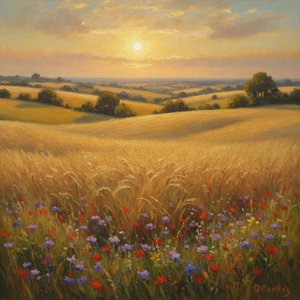
Golden Fields & Sun-Drenched Meadows: Capturing the Soul of Impressionist Landscapes
Immerse yourself in the luminous world of Impressionist landscapes. Discover how masters like Monet and Gauguin captured ephemeral light through plein air painting, and learn to bring the soul of sun-drenched meadows into your home with exquisite, hand-painted oil reproductions.

The Beauty of Impermanence: Capturing Decay through Impressionist Eyes
Explore the profound beauty of impermanence through Impressionist and Post-Impressionist eyes. Discover how masters like Monet and Van Gogh captured fleeting light and the poetic essence of nature's transitions in our deep dive into art history and emotional landscapes.

Capturing Light: The Ethereal Beauty and Timeless Legacy of Watercolor Landscapes
Embark on a visual journey through the ethereal beauty of watercolor landscapes. Discover how Impressionist masters captured light and emotion, and learn to bring this timeless, luminous elegance into your home with expert art curation and hand-painted reproductions.

Capturing the Soul: The Most Emotionally Moving Impressionist and Post-Impressionist Masterpieces
Discover the profound emotional depth of Impressionist and Post-Impressionist masterpieces. Explore how legends like Monet, Van Gogh, and Gauguin captured light and soul through evocative landscapes and vibrant brushwork for a timeless connection to art history.

Beyond the Light: Capturing Raw Emotion and Subjective Vision in Post-Impressionist Landscapes
Explore the profound emotional depth of Post-Impressionist landscapes. Discover how masters like Van Gogh moved beyond light to capture raw human feeling through vibrant color and expressive texture in this expert art history retrospective.