


 Zobacz w skali 1:1
 Wyślij
 Udostępnij
 Szczegóły
 Przewodnik

 Pobierz plik obrazu
 Podobne obiekty
 RTG
RTG Pokaz slajdów
 Statystyki
Gračanica Monastery


A warm pinkish hue illuminates the architectural grandeur of Gračanica Monastery in this 1913 masterpiece by Serbian expressionist Nadežda Petrović, inviting you to explore a timeless piece of Balkan history.
 Czytaj więcej
Discover Nadežda Petrović (1873-1915), Serbia's most famous expressionist & fauvist painter. Pioneer war photographer, dedicated nurse, and influential artist capturing Serbian life with bold colors & emotion. Explore her legacy!
Giclée / Wydruk artystyczny
Wydruki giclée lub płótna o jakości muzealnej, szybka realizacja i szeroki wybór opcji wykończenia. ( Kup ręcznie malowany obraz Przełącz na wersję cyfrową)




P118B zł10

P118H zł10

P118W zł10

P438Z zł10

P508JH zł12

P508YH zł12

P805H zł10

P805Z zł10

P919BZ zł10

P919G zł10

P919XJ zł10

P959ZH zł10

P968JZ zł12

W106C zł8

W218G zł10

W218JH zł8

W218Y zł10

W307PJ zł10

W316G zł10

W316PJ zł8

W316Y zł10

W398PJ zł8

W4111J zł10

W500HY zł15

W500JH zł15

W692G zł12

W849H zł8

W940BG zł15

W953PJ zł8




Standardowy
na zamówienie
CM
INCH
Wybierz spośród naszych standardowych rozmiarów, które zachowują oryginalne proporcje dzieła sztuki.
Loading sizes...

szerokość
wysokość
Wpisz wymaganą szerokość i wysokość, aby dopasować grafikę do ramy lub ściany. Wydruk można jedynie przyciąć, nigdy nie powiększając go poza oryginalny obraz, dlatego format o innym proporcji spowoduje utratę części kompozycji. Przed rozpoczęciem druku prześlemy Ci cyfrowy podgląd do zatwierdzenia. Obraz wyświetlany na tej stronie nie pokazuje rzeczywistego przycięcia — jedynie podgląd oddaje ten efekt.
Dostawa na cały świat () w ciągu 2 tygodni zamiast standardowych 4/5 tygodni. (21 Październik)

Bezpłatna ekspresowa wysyłka na cały świat

Wysokiej jakości płótno lniane

Pełne ubezpieczenie transportowe

Gwarancja zwrotu należności celnych i podatków importowych

Gwarancja idealnego odwzorowania barw

100-dniowy okres na zwrot dzieła w przypadku wykrycia wad produkcyjnych

Gwarancja 100% zwrotu pieniędzy

Oferta przy zakupie wielu sztuk
 Opcja ze szkłem jest dostępna wyłącznie w rozmiarach poniżej 110 cm

Gračanica Monastery
Giclée / Wydruk artystyczny
Rozmiar reprodukcji
-


Suma do zapłaty
zł 262
The painting belongs to the War period of Nadežda
Pytania i odpowiedzi
Jaki klimat wnosi „Gračanica Monastery” autorstwa Nadežda Petrović do wnętrza?
„Gračanica Monastery” autorstwa Nadežda Petrović ma Nostalgic atmosferę i jest polecane do Living Room. Nastrój to to, co dzieło wnosi do otaczającej je przestrzeni.
Jak harmonijna jest kolorystyka dzieła „Gračanica Monastery” autorstwa Nadežda Petrović?
Kolory dzieła „Gračanica Monastery” autorstwa Nadežda Petrović wykazują Discordant Palette harmonię. Harmonia opisuje wzajemne relacje między kolorami.
Co przedstawia „Gračanica Monastery” autorstwa Nadežda Petrović i w jakim nastroju?
"Gračanica Monastery" przedstawia monastery, architecture, serbia, religious building, domes, towers, war period, a jego nastrojowy charakter można określić jako Nostalgic.
Biografia artysty
Nadežda Petrović (1873–1915): Serbia’s Expressionist Visionary
Nadežda Petrović (Serbian Cyrillic: Надежда Петровић; 11/12 October 1873 – 3 April 1915) was a Serbian painter and one of the women war photography pioneers in the region. Considered Serbia’s most famous expressionist and fauvist, she was the most important Serbian female painter of the period. Born in Čačak, Serbia, Petrović moved to Belgrade in her youth and attended the women's school of higher education there. Graduating in 1891, she taught there for a period beginning in 1893 before moving to Munich to study with Slovenian artist Anton Ažbe. Between 1901 and 1912, she exhibited her work in many cities throughout Europe. Her artistic journey culminated in a tragically premature death during World War I, leaving behind an indelible mark on Serbian art history.Early Life and Education
Nadežda Petrović was born into a family of intellectuals—her father Dimitrije Petrović was a professor of mathematics and her mother Mileva Petrović was a teacher—providing her with a privileged upbringing steeped in culture and artistic appreciation. Growing up in Čačak, she experienced the hardships of Serbian life under Austro-Hungarian rule, fostering resilience and shaping her worldview. Recognizing her talent for art early on, her parents encouraged her pursuit of education beyond the conventional roles expected of women at the time. She excelled academically, earning a degree from Belgrade’s Women's School of Higher Education in 1891, marking a pivotal moment in her life and establishing her foundation for artistic endeavors. Her subsequent teaching position allowed her to nurture young minds and disseminate knowledge—a testament to her dedication and commitment to education.Munich and Artistic Influences
Petrović’s relocation to Munich in 1901 proved transformative, exposing her to the burgeoning avant-garde movements of Expressionism and Fauvism. Studying under Anton Ažbe, a Slovenian artist who championed innovative techniques and stylistic experimentation, she absorbed influences from artists like Edvard Munch and Henri Matisse. These encounters ignited her creative spirit and propelled her artistic style toward bold color palettes, distorted forms, and emotionally charged compositions—characteristics that would define her oeuvre. The Munich environment fostered intellectual discourse and challenged established artistic conventions, encouraging Petrović to forge her own distinctive path as an artist.Artistic Style and Notable Works
Petrović’s artistic style is characterized by Expressionism and Fauvism, movements that prioritized emotional intensity over realistic representation. Her paintings frequently employed vibrant hues—particularly crimson—and exaggerated brushstrokes to convey profound feelings and capture the essence of her subjects. Among her most celebrated works are “Ksenija Atanasijević,” a portrait imbued with melancholic beauty and psychological depth, and “Gračanica Monastery,” which exemplifies her masterful use of color and texture to depict Serbian Orthodox spirituality. These paintings stand as enduring symbols of Serbian artistic heritage and continue to inspire admiration for Petrović’s visionary approach to art. Furthermore, she contributed significantly to the preservation of Serbian cultural identity through her depictions of sacred sites and historical narratives.War Photography and Humanitarian Service
Beyond her painting achievements, Nadežda Petrović demonstrated remarkable courage and compassion by volunteering as a nurse during the Balkan Wars (1912–1913) and subsequently during World War I. Driven by an unwavering commitment to humanitarian service, she tirelessly cared for wounded soldiers—often under perilous conditions—risking her own safety for the benefit of others. Her dedication earned her recognition from Serbian authorities and cemented her reputation as a selfless advocate for human dignity. Petrović’s bravery was honored with a Medal for Bravery and an Order of the Red Cross, acknowledging her extraordinary contribution to alleviating suffering during wartime.Legacy and Recognition
Nadežda Petrović's legacy extends beyond her artistic output; she remains a symbol of Serbian resilience, creativity, and humanitarian spirit. Her paintings are housed in prominent museums across Serbia, including the National Museum of Serbia and the Pavle Beljanski Memorial Collection, ensuring that her artistic vision continues to resonate with audiences today. Moreover, her work is available for purchase as prints or hand-painted replicas on TopImpressionists.com, allowing enthusiasts worldwide to experience the beauty and emotional power of her masterpieces. Petrović’s pioneering role as a woman artist in Serbia—and as a war photographer—serves as an inspiration for future generations striving to honor artistic excellence alongside social responsibility.
Nadežda Petrović
1873 - 1915 , Serbia
Najważniejsze informacje
- Full Name: Nadežda Petrović
- Nationality: Serbian
- Date Of Birth: 1873
- Date Of Death: 1915
- Place Of Birth: Cacak, Serbia
- Notable Artworks:
- Ksenija Atanasijević
- Gračanica Monastery
- Artistic Movement Or Style: Expressionism & Fauvism
- Artists Who Influenced This Artist: ['Anton Ažbe']
- Artists Or Movements Influenced By This Artist: ['Fauvism']
Zobacz także powiązane artykuły

Unmasking Emotion: A Journey Through the Raw Power and Visceral Beauty of German Expressionism
Explore the raw emotional power of German Expressionism. From Kirchner to Die Brücke, discover how artists used distortion and vibrant color to unmask the human psyche. A deep dive into art history for the discerning collector and enthusiast.

Soft Light & Velvet Touch: The Ethereal Magic of Pastel Artistry in Impressionist Masterpieces
Discover the ethereal beauty of pastel art through an Impressionist lens. Explore how masters like Monet and Renoir captured light and velvet textures, and learn to curate a collection of luminous, museum-quality masterpieces for your home.
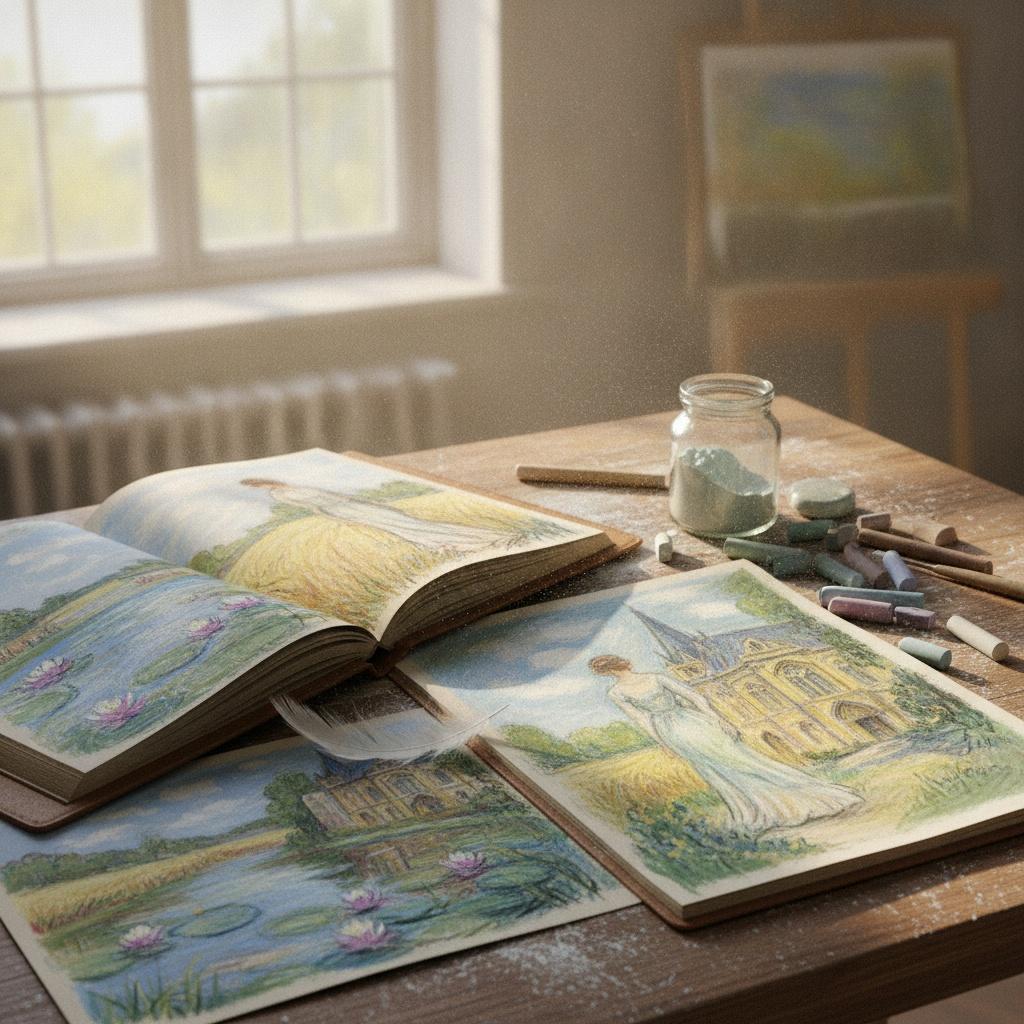
The Soft Magic of Chalk: Capturing Light, Texture, and the Ethereal Soul of Impressionist Masterpieces
Discover the ethereal beauty of pastel and chalk art. Explore how Impressionist masters like Van Gogh and Degas captured light and texture to create timeless, soulful masterpieces for the discerning collector.