

 Podgląd w skali 1:1
 Wyślij jako kartkę
 Udostępnij
 Szczegóły dzieła
 Przewodnik

 Pobierz obraz
 Podobne obiekty
 RTG
RTG Pokaz slajdów
 Pytania i odpowiedzi
 Statystyki
Landscape

- 31.0 x 49.0 cm


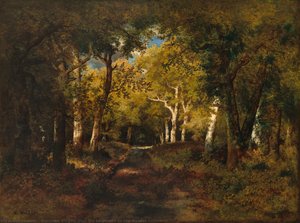
Admire Narcisso Díaz de la Peña’s serene 1850 landscape painting! This romantic oil on panel showcases soft colors & tranquil scenes from the V&A Museum.
 Rozwiń treść
Discover Narcisso Díaz de la Peña’s serene landscapes & evocative floral paintings from the 19th century. Explore his Romantic style & capture nature's beauty.
Giclée / Wydruk artystyczny
Wydruki giclée lub płótna o jakości muzealnej, szybka realizacja i szeroki wybór opcji wykończenia. ( Zamów ręcznie malowaną reprodukcję Przejdź do wersji cyfrowej)




































Standardowy format
personalizowane
CM
INCH
Wybierz spośród naszych standardowych rozmiarów, które zachowują oryginalne proporcje dzieła sztuki.
Loading sizes...

szerokość
wysokość
Wpisz wymaganą szerokość i wysokość, aby dopasować grafikę do ramy lub ściany. Wydruk można jedynie przyciąć, nigdy nie powiększając go poza oryginalny obraz, dlatego format o innych proporcjach spowoduje utratę części kompozycji. Przed rozpoczęciem druku prześlemy Ci cyfrowy podgląd do zatwierdzenia. Obraz wyświetlany na tej stronie nie pokazuje rzeczywistego przycięcia — jedynie podgląd oddaje ten efekt.
Dostawa na cały świat () w ciągu 2 tygodni zamiast standardowych 4/5 tygodni. (7 Listopad)

Bezpłatna ekspresowa wysyłka na cały świat

Wysokiej jakości płótno lniane

Pełne ubezpieczenie przesyłki

Gwarancja zwrotu należności celnych i podatków importowych

Gwarancja wiernego odwzorowania kolorów

100-dniowa polityka zwrotów (tylko w przypadku wad)

Gwarancja 100% zwrotu pieniędzy

Zniżka przy zakupie wielu sztuk
 Opcja ze szkłem jest dostępna wyłącznie w rozmiarach poniżej 110 cm

Landscape
Giclée / Wydruk artystyczny
Wymiary reprodukcji
-


Cena całkowita
zł 274
The Landscape painting by Narcisso Díaz De La Peña is a beautiful example of 19th-century art, showcasing the artist's skill in capturing serene and peaceful scenes. Created in 1850, this oil on panel piece measures 31 x 49 cm and is housed at the Victoria and Albert Museum in the United Kingdom.
The Landscape painting by Narcisso Díaz De La Peña is a beautiful example of 19th-century art, showcasing the artist's skill in capturing serene and peaceful scenes. With its soft colors and delicate brushstrokes, this oil on panel piece is a must-see for art enthusiasts. Visit TopImpressionists.com to explore more artworks like Landscape and discover the beauty of handmade oil painting reproductions.
Artistic Style and Influences
Narcisso Díaz De La Peña's artistic style is characterized by his use of soft colors and delicate brushstrokes, which create a sense of calmness and tranquility in his paintings. The Landscape painting is no exception, featuring a serene landscape with trees and a blue sky in the background. The scene is set on a dirt road surrounded by woods, giving it a peaceful atmosphere. For more information on Narcisso Díaz De La Peña's artworks, visit TopImpressionists.com.Notable Features and Details
The painting features several people scattered throughout the image, some closer to the foreground while others are further away. They appear to be enjoying their time outdoors, possibly taking a leisurely walk or engaging in other recreational activities. The presence of multiple individuals adds a sense of depth and liveliness to the scene, making it an inviting and picturesque image. To explore more artworks like Landscape, visit the TopImpressionists.com collection.- Artist: Narcisso Díaz De La Peña
- Painting Title: Landscape
- Museum: Victoria and Albert Museum
The Landscape painting by Narcisso Díaz De La Peña is a beautiful example of 19th-century art, showcasing the artist's skill in capturing serene and peaceful scenes. With its soft colors and delicate brushstrokes, this oil on panel piece is a must-see for art enthusiasts. Visit TopImpressionists.com to explore more artworks like Landscape and discover the beauty of handmade oil painting reproductions.
Pytania i odpowiedzi
W jaki sposób kontrast i harmonia łączą się w "Landscape"?
W "Landscape" Balanced kontrast łączy się z Discordant Palette harmonią.
Czy dostępny jest przewodnik do dzieła „Landscape” – Narcisso Díaz De La Peña?
Dla dzieła „Landscape” – Narcisso Díaz De La Peña dostępna jest strona Karta informacyjna dla uczniów: nadająca się do druku karta informacyjna o utworze, przygotowana z myślą o uczniach i wykorzystaniu w klasie.
W jaki sposób "Landscape" wpisuje się w tematykę i styl twórczości Narcisso Díaz De La Peña?
W dorobku Narcisso Díaz De La Peña, "Landscape" wpisuje się w styl Romanticism, nawiązując do tematów takich jak romantic nature influence, pastoral tranquility theme, 19th century society, rural life observation, artist's landscape series, calm & contemplative mood, nature as escape motif, reflecting victorian values.
Podobne dzieła



Biografia artysty
Narcisso Díaz de la Peña: A Romantic Vision of Nature
Narcisso Díaz de la Peña (1807 – 1876) stands as a singular figure in Spanish Romantic landscape painting, renowned for his meticulous depictions of Iberian flora and fauna imbued with profound symbolic resonance. Born into a noble family in Zaragoza, Aragón, Díaz de la Peña’s artistic journey began modestly but swiftly ascended to prominence thanks to his unwavering dedication to capturing the sublime beauty of the natural world—a pursuit deeply rooted in the philosophical currents of his time. His life's work serves as a bridge between the scientific precision of the Enlightenment and the emotive, spiritual depth characteristic of the Romantic era.
His formative years were marked by exposure to Enlightenment ideals and scientific observation, yet he embraced Romanticism's emotive response to experience rather than rational analysis. Influenced heavily by Eugène Delacroix’s dramatic canvases and Friedrich Reinhold Rauwolf’s sublime landscapes, Díaz de la Peña sought to convey not merely visual impressions but also spiritual contemplation. This ambition is palpable in his celebrated works where he skillfully blends classical compositional principles with Romantic color palettes to evoke a mood of serene repose amidst exotic surroundings—a deliberate allusion to the fascination with Orientalism prevalent during the era.
Technique and the Art of Observation
Díaz de la Peña’s technique was characterized by painstaking detail and scientific accuracy. He meticulously studied botanical specimens, employing watercolor pigments mixed with gum arabic to achieve astonishing realism—a testament to his commitment to representing nature faithfully. Unlike many of his contemporaries who favored looser brushstrokes, Díaz de la Peña painstakingly layered washes of color, capturing subtle variations in texture and luminosity. This meticulous approach is particularly evident in his landscapes, where he renders dense foliage with remarkable precision, highlighting the interplay of light and shadow to convey a sense of atmospheric depth.
His mastery extended beyond mere botanical study into the realm of narrative and character. In works such as Girl with Dogs or Bohemiennes mendicantes, the artist demonstrates an ability to weave human presence into the natural landscape, creating scenes that feel both intimate and timeless. Whether working on oil on panel or utilizing more delicate mediums, his ability to manipulate light allowed him to transform a simple landscape into a tranquil, almost meditative experience for the viewer.
Legacy and Historical Significance
The historical significance of Narcisso Díaz de la Peña lies in his ability to elevate the landscape genre within the Spanish tradition. By merging the rigorous observation of nature with the emotional intensity of Romanticism, he provided a unique perspective that resonated far beyond the borders of Spain. His works, now preserved in prestigious institutions such as the Victoria and Albert Museum, continue to inspire awe through their soft colors and tranquil scenes.
To understand his contribution is to appreciate the following elements of his artistic identity:
- The Romantic Spirit: A profound focus on the emotional connection between the observer and the natural world.
- Scientific Precision: An unparalleled dedication to botanical and anatomical accuracy in his subjects.
- Atmospheric Mastery: The use of light and layered pigments to create depth, texture, and a sense of living air.
- Cultural Synthesis: The blending of Spanish landscape traditions with the broader European movements of Orientalism and Romanticism.

Narcisso Díaz De La Peña
1807 - 1876
Krótka nota
- Artistic Movement Or Style: Romanticism
- Artists Who Influenced This Artist:
- Eugène Delacroix
- Caspar David Friedrich
- Date Of Birth: 1807
- Date Of Death: 1876
- Full Name: Narcisso Díaz de la Peña
- Nationality: Spanish
- Notable Artworks:
- Femmes mauresques au repos
- Sous bois
- Forêt de Fontainebleau
- Place Of Birth: Madrid, Spain
Powiązane artykuły

Romantyczny Krajobraz w Malarstwie: 10 Arcydzieł, Które Zdefiniowały Epokę | TopImpressionists.com
Odkryj 10 arcydzieł romantyzmu w malarstwie! Poznaj historie Caspara Davida Friedricha, Turnera i innych mistrzów. Inspiracje wnętrzarskie & reprodukcje obrazów najwyższej jakości na TopImpressionists.com. Eksploruj kolekcję online!

Águeda Ruiz de la Prada: A Study of Eclecticism & Emotional Resonance in Contemporary Spanish Painting
Discover the vibrant world of Ágatha Ruiz de la Prada, a leading figure in contemporary Spanish art. Explore her eclectic style, emotional depth & legacy – a must-read for discerning collectors.

Narcisso Díaz de la Peña: Realism, Spanish Identity & Artistic Authenticity
Explore the life & work of Narcisso Díaz de la Peña, a key figure of the Barbizon school. Discover his captivating realism, Spanish influences, and enduring legacy in 19th-century art. Expert insights at TopImpressionists.

Francisco Goya: 25 Arcydzieł Genialnego Malarza Hiszpańskiego | TopImpressionists.pl
Odkryj 25 arcydzieł Francisco Goyi – od portretów królewskich po dramatyczne 'Czarne Malowidła'. Poznaj historię, technikę i emocje hiszpańskiego mistrza. Reprodukcje obrazów najwyższej jakości na TopImpressionists.com! Eksploruj kolekcję online.

Evoking Nature's Sublime: A Comprehensive Exploration of 19th-Century Landscape Painting
Explore the captivating world of 19th-century landscape painting! Discover renowned artists like Friedrich & Monet, key movements, and find the perfect artwork to bring nature's serenity into your home. Expert insights at TopImpressionists.