
 Podgląd w skali 1:1
 Wyślij jako kartkę
 Udostępnij
 Szczegóły dzieła
 Przewodnik

 Pobierz obraz
 Podobne obiekty
 RTG
RTG Pokaz slajdów
 Pytania i odpowiedzi
 Statystyki
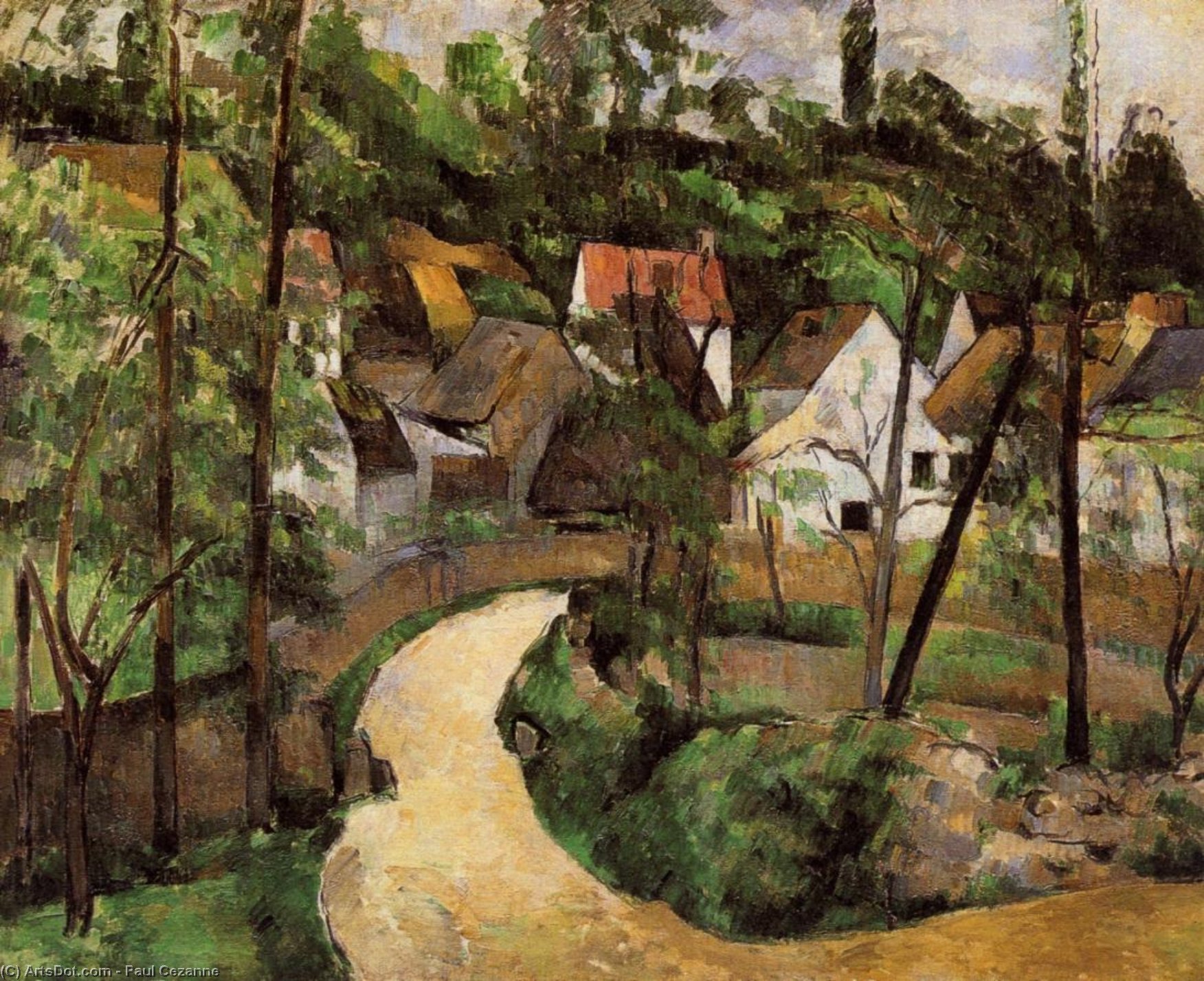
Skręt Drogi

- 60.0 x 75.0 cm


Zanurz się w świecie Cézanne'a! Piękny obraz 'Skręt Drogi' – rewolucyjna wizja ruralnego spokoju, teraz jako ręcznie malowana reprodukcja. Klasyka sztuki na Twoich ścianach!
 Rozwiń treść
Mistrz postimpresjonizmu Paul Cézanne połączył impresjonizm z kubizmem. Odkryj jego rewolucyjne dzieła już dziś.
Giclée / Wydruk artystyczny
Wydruki giclée lub płótna o jakości muzealnej, szybka realizacja i szeroki wybór opcji wykończenia. ( Zamów ręcznie malowaną reprodukcję Przejdź do wersji cyfrowej)




P118B zł10

P118H zł10

P118W zł10

P438Z zł10

P508JH zł12

P508YH zł12

P805H zł10

P805Z zł10

P919BZ zł10

P919G zł10

P919XJ zł10

P959ZH zł10

P968JZ zł12

W106C zł8

W218G zł10

W218JH zł8

W218Y zł10

W307PJ zł10

W316G zł10

W316PJ zł8

W316Y zł10

W398PJ zł8

W4111J zł10

W500HY zł15

W500JH zł15

W692G zł12

W849H zł8

W940BG zł15

W953PJ zł8




Standardowy format
personalizowane
CM
INCH
Wybierz spośród naszych standardowych rozmiarów, które zachowują oryginalne proporcje dzieła sztuki.
Loading sizes...

szerokość
wysokość
Wpisz wymaganą szerokość i wysokość, aby dopasować grafikę do ramy lub ściany. Wydruk można jedynie przyciąć, nigdy nie powiększając go poza oryginalny obraz, dlatego format o innych proporcjach spowoduje utratę części kompozycji. Przed rozpoczęciem druku prześlemy Ci cyfrowy podgląd do zatwierdzenia. Obraz wyświetlany na tej stronie nie pokazuje rzeczywistego przycięcia — jedynie podgląd oddaje ten efekt.
Dostawa na cały świat () w ciągu 2 tygodni zamiast standardowych 4/5 tygodni. (16 Listopad)

Bezpłatna ekspresowa wysyłka na cały świat

Wysokiej jakości płótno lniane

Pełne ubezpieczenie przesyłki

Gwarancja zwrotu należności celnych i podatków importowych

Gwarancja wiernego odwzorowania kolorów

100-dniowa polityka zwrotów (tylko w przypadku wad)

Gwarancja 100% zwrotu pieniędzy

Zniżka przy zakupie wielu sztuk
 Opcja ze szkłem jest dostępna wyłącznie w rozmiarach poniżej 110 cm

Skręt Drogi
Giclée / Wydruk artystyczny
Wymiary reprodukcji
-


Cena całkowita
zł 272
Skręt Drogi: Rewolucyjna Wizja Wiejskiej Sielanki w Wydaniu Cézanne’a
Dzieło Paula Cézanne’a Skręt Drogi – namalowane w 1882 roku – to znacznie więcej niż tylko przedstawienie wiejskiej ścieżki; to głęboka eksploracja percepcji, formy i samej istoty widzenia. Ten urzekający olejny obraz, dostępny obecnie jako pieczołowicie wykonana ręcznie reprodukcja z TopImpressionists.com, zaprasza nas do świata, w którym znany krajobraz zostaje przekształcony przez unikalny artystyczny pryzmat Cézanne’a. Scena rozgrywa się na łagodnie nachylonym zboczu, oferując podwyższoną perspektywę, która natychmiast buduje poczucie głębi i złożoności przestrzennej – co stanowi znak rozpoznawczy rewolucyjnego podejścia artysty do malarstwa. Kręta droga, oddana pewnymi pociągnięciami pędzla, przyciąga wzrok w dal, podczas gdy otaczające ją drzewa i skromne domy przywołują poczucłość spokojnego, wiejskiego życia, nietkniętego zgiełkiem nowoczesnej egzystencji. Bardziej niż tylko pejzaż, Skręt Drogi jest medytacją nad tym, jak postrzegamy rzeczywistość, stanowiąc świadome wyzwanie rzucone tradycyjnym konwencjom artystycznym.
Geniusz Cézanne’a nie polegał na wiernym kopiowaniu natury, lecz na wydobyciu jej wewnętrznej struktury i esencji na płótno. Warto zwrócić uwagę na staranne rozmieszczenie płaszczyzn – szerokich, płaskich obszarów koloru, które zdają się unosić niezależnie wewnątrz kompozycji. Ta technika, rozwijana przez lata żmudnej obserwacji i eksperymentów, tworzy wrażenie solidności i ciężaru, jak gdyby Cézanne budował swoją scenę z geometrycznych bloków. Małe, przerywane pociągnięcia pędzla, niemal niewidoczne dla przypadkowego obserwatora, przyczyniają się do tego efektu, nakładając kolory i formy w sposób sugerujący jednocześnie ruch i bezruch. Sama paleta barw jest celowo stonowana – ziemiste zielenie, brązy i błękity – co odzwierciedla naturalne tony krajobrazu, nadając jednocześnie scenie cichą godność.
Zagłębiając się w Skręt Drogi, możemy prześledzić artystyczną podróż Cézanne’a. Jego wczesne prace były niezaprzeczalnie pod wpływem romantyzmu i realizmu, co widać w jego wcześniejszych muralach w Jas de Bouffan, gdzie skrupulatnie dokumentował detale natury. Jednak przełom nastąpił wraz z zaangażowaniem się w zasady impresjonizmu, szczególnie w ich skupienie na chwytaniu ulotnych momentów światła i koloru. Niemniej jednak, Cézanne nie przyjął po prostu impresjonizmu; on przesunął jego granice, dążąc do przedstawienia nie tylko tego, co widział, ale także tego, co czuł wobec tego, co widział. Jest to niezwykle wyraźne w sposobie, w jaki manipuluje perspektywą – subtelnie zniekształcając znane formy, aby stworzyć bardziej dynamiczny i emocjonalnie rezonujący obraz. Droga nie prowadzi bezpośrednio w dal, tak jak można by oczekiwać; zamiast tego zakręca i wygina się, zapraszając nas do zatrzymania się i kontemplacji sceny.
Kontekst historyczny tego obrazu jest równie fascynujący. Cézanne początkowo mierzył się z poważną krytyką ze względu na swój niekonwencjonalny styl, a wielu współczesnych mu krytyków odrzucało jego twórczość jako niezrozumiałą. Dopiero pod koniec lat 90. XIX wieku, dzięki wsparciu kolegów po fachu, takich jak Camille Pissarro, oraz przenikliwemu oku marszanda Ambroise’a Vollarda, geniusz Cézanne’a zaczął być uznawany. Pierwsza wystawa solowa w paryskiej galerii Vollarda w 1895 roku stała się punktem zwrotnym, ustanawiając go jako czołową postać rodzącegocego się ruchu awangardowego. Jego wpływ na kolejne pokolenia artystów – w tym na Henriego Matisse’a i Pabla Picassa, który słynnie nazwał go „ojcem nas wszystkich” – jest niezaprzeczalny. Innowacyjne podejście Cézanne’a do perspektywy oraz nacisk na wewnętrzną strukturę obiektów utorowały drogę takim nurtom jak kubizm, wykazując głęboki i trwały wpływ na bieg sztuki nowoczesnej.
Poza swoimi walorami artystycznymi, Skręt Drogi posiada potężny rezonans emocjonalny. W całej scenie przenika poczucie spokoju i kontemplacji – zaproszenie do zwolnienia tempa, głębokiego oddechu i docenienia prostej piękna świata naturalnego. Obraz przemawia do naszej tęsknoty za połączeniem z naturą, za ucieczką od presji nowoczesnego życia oraz za głębszym zrozumieniem samych siebie i naszego miejsca we wszechświecie. Ręcznie malowana reprodukcja z TopImpressionists.com pozwala wprowadzić to ponadczasowe arcydzieło do własnego domu, zmieniając każdą przestrzeń w sanktuarium artystycznej inspiracji. Odkryj inne niezwykłe dzieła Paula Cézanne’a w TopImpressionists.com, w tym Sad w Pontoise oraz Skręt drogi w Roche-Ruyon, i poznaj pełną szerokość jego niezwykłej wizji.
O Paulu Cézanne: Pionierze Sztuki Nowoczesnej
Paul Cézanne (1839-1906) to kluczowa postać w procesie przejścia od późnego impresjonizmu końca XIX wieku do wczesnego kubizmu początku XX wieku. Urodzony w Aix-en-Provence we Francji, w rodzinie posiadającej silne zaplecze finansowe dzięki karierze bankierskiej ojca, Cézanne cieszył się swobodą realizowania swoich artystycznych pasji bez natychmiastowych ograniczeń ekonomicznych. Początkowo skłonny do prawa, ostatecznie całkowicie poświęcił się sztuce, kształtując rewolucyjny styl, który miał głęboki wpływ na pokolenia artystów. Jego wczesne inspiracje obejmowały romantyzm oraz szkołę z Barbizon, charakteryzującą się skupieniem na malarstwie pejzażowym i skrupulatną obserwacją natury. Jednak artystyczna droga Cézanne’a przybrała nieoczekiwany obrót, gdy zaangażował się w zasady impresjonizmu, szczególnie w ich eksplorację światła i koloru. Mimo to, zamiast po prostu przejąć impresjonizm, rozszerzył jego granice, starając się przedstawić nie tylko to, co widział, ale także to, jak czuł wobec tego, co widział – cechę, która zdefiniowała jego unikalny styl.
Rozwój artystyczny Cézanne’a był naznaczony intensywnymi eksperymentami z formą i perspektywą. Skrupulatnie studiował dzieła takich artystów jak Paul Gauguin i Georges Seurat, analizując ich podejście do koloru i kompozycji. Opracował charakterystyczną technikę polegającą na użyciu płaszczyzn barwnych i małych, przerywanych pociągnięć pędzla, tworząc wrażenie solidności i ciężaru, które rzuciło wyzwanie tradycyjnym pojęciom reprezentacji. To podejście nie było jedynie stylistyczne; odzwierciedlało głęboką wiarę Cézanne’a w wewnętrzną strukturę obiektów oraz jego pragnienie uchwycenia ich esencji, a nie tylko powierzchownego wyglądu.
Jego wczesne prace, takie jak murale w Jas de Bouffan, wykazują skrupulatną dbałość o szczegóły i fascynację chwytaniem niuansów światła i cienia. Jednak to właśnie poprzez jego późniejsze malarstwo – w tym Skręt Drogi – Cézanne naprawdę ustanowił swoją unikalną wizję artystyczną. Celowo zniekształcał znane formy, tworząc poczucie przestrzennej niejednoznaczności i zapraszając widzów do aktywnego uczestnictwa w obcowaniu z obrazem. To innowacyjne podejście, w połączeniu z mistrzowskim użyciem koloru i pędzla, ugruntowało miejsce Cézanne’a jako jednego z najbardziej wpływowych artystów ery nowoczesnej.
Eksploruj powiązane dzieła Paula Cézanne’a
- Skręt Drogi: Kwintesencja eksploracji formy i perspektywy przez Cézanne’a, uchwycona w spokojnej wiejskiej scenie o niezwykłej głębi i złożoności przestrzennej.
- Sad w Pontoise: Kolejne ikoniczne dzieło prezentujące mistrzowskie użycie koloru przez Cézanne’a oraz jego zdolność do oddania esencji wiejskiego krajobrazu.
- Skręt drogi w Roche-Ruyon: Podobna tematyka pejzaży wiejskich ze skupieniem na formach geometrycznych i relacjach przestrzennych.
- Sosny przed murem azylu: Dzieło postimpresjonistyczne demonstrujące zainteresowanie Cézanne’a uchwyceniem wewnętrznej struktury obiektów i ich relacji z przestrzenią.
Dowiedz się więcej o Paulu Cézanne
Aby uzyskać głębsze zrozumienie życia, wpływów artystycznych i dziedzictwa Paula Cézanne’a, odwiedź Paula Cézanne'a w TopImpressionists. Możesz również znaleźć wartościowe informacje na Wikipedii: Paul Cézanne. Poznaj innych powiązanych artystów, takich jak Camille Pissarro pod adresem Camille Pissarro, kluczową postać w rozwoju impresjonizmu oraz bliskiego przyjaciela i współpracownika Cézanne’a.
Pytania i odpowiedzi
Z jakiej epoki pochodzi „Skręt Drogi” – Paul Cézanne?
„Skręt Drogi” – Paul Cézanne pochodzi z okresu – Wiek XIX. Epoka ta stanowi kontekst historyczny dla tego dzieła.
Do jakiego wnętrza polecane jest dzieło „Skręt Drogi” – Paul Cézanne?
Zalecaną przestrzenią dla „Skręt Drogi” – Paul Cézanne jest Salon lub strefa dzienna. Sugestia ta może być oczywiście dostosowana do Twojego wnętrza.
Gdzie mogę znaleźć statystyki dotyczące „Skręt Drogi” – Paul Cézanne?
Dla dzieła „Skręt Drogi” dostępna jest strona Statystyki wyświetleń. Przedstawia ona miesięczną liczbę odwiedzin tego dzieła oraz innych prac artysty, z podziałem na kraje i języki.
Podobne dzieła




Biografia artysty
Wczesne lata Paula Cézanne’a
Urodzony 19 stycznia 1839 roku przy 28 rue de l'Opéra w Aix-en-Provence, Paul Cézanne wkroczył w świat ukształtowany przez surowy porządek. Jego ojciec, Louis-Auguste Cézanne, był człowiekiem o znacznym statusie lokalnym, współzałożycielem banku Banque Cézanne et Cabassol. Ta finansowa stabilność zapewniła bezpieczne tło dla rodziny, w skład której wchodził Paul oraz jego dwie młodsze siostry, Marie i Rose. Spokój prowincjonalnego wychowania stanowił jednak jaskrawy kontrast dla niespokojnego impulsu twórczego, który ostatecznie miał zdefiniować jego życie.
Jego formalna edukacja rozpoczęła się w wieku dziesięciu lat w szkole Saint Joseph w Aix. Później uczęszczał do Collège Bourbon, podążając wytyczonymi ścieżkami akademickimi, jakich oczekiwano od młodego człowieka jego stanu. Do 1859 roku ciężar rodzinnych oczekiwań skłonił go do podjęcia studiów na wydziale prawa Uniwersytetu w Aix-en-Provence. Przez dwa lata próbował zgłębiać tajniki jurysprudencji, lecz teksty prawne nie budziły w nim żadnego rezonansu. W 1860 roku podjął ostateczną, decydującą decyzję o porzuceniu nauk prawniczych, całkowicie poświęcając swoją uwagę poszukiwaniom w malarstwie.
Szkolenie artystyczne i wczesne lata
Droga ku wypracowaniu własnego, unikalnego języka wizualnego rozpoczęła się w salach lekcyjnych Aix-en-Provence. Podczas gdy ambicje jego ojca skłaniały się ku prawu, młody artysta odnalazł swoją ścieżkę pod okiem Josepha Giberta w Wolnej Szkole Rysunku Miejskiego. Był to czas zdyscyplinowanej obserwacji. Już w 1859 roku jego biegłość techniczna stała się oczywista, gdy zdobył drugie nagrody w szkolnym kursie studiów z figury. To formalne przygotowanie kontynuował w École de dessin d'Aix-en-Provence, mieszczącej się w Musée Granet, gdzie doskonalił umiejętność przenoszenia trójwymiarowych form na płaską powierzchnię płótna.
Przeprowadzka do Paryża w 1862 roku wyznaczyła okres pełen zarówno trudów, jak i niezbędnych doświadczeń. Odrzucenie przez École des Beaux-Arts było dotkliwym ciosem, jednak to właśnie ono skierowało go ku Académie Suisse, gdzie mógł kontynuować swój rozwój z dala od sztywnych rygorów akademickich. W tych formacyjnych latach podjął pracę jako kopista w Luwrze. To zajęcie pozwoliło mu na bezpośrednie obcowanie z dziełami dawnych mistrzów, chłonąc ciężar i strukturę klasycznych kompozycji, które w przyszłości miały stać się fundamentem jego własnego, nowatorskiego podejścia do świata natury.
Technika i styl artystyczny
Wczesne lata twórczości artysty charakteryzowały się ciężkim, ekspresyjnym pociągnięciem pędzla oraz preferencją dla mrocznych palet barwnych. W tym okresie jego prace skłaniały się ku dramatycznej wrażliwości romantyzmu oraz tradycjom pejzażowym szkoły Barbizońskiej. Paul Cézanne przechodził przez te ciemniejsze, bardziej emocjonalne etapy, zanim odnalazł bardziej zdyscyplinowany, analityczny sposób patrzenia na świat. Dążył do odkrycia trwałej struktury ukrytej w naturze, patrząc poza ulotne efekty światła, aby odnaleźć fundamentalną geometrię istnienia. W jego oczach góra czy owoc składały się z podstawowych brył: stożka, kuli i walca.
To poszukiwanie struktury doprowadziło do wypracowania niezwykle specyficznej, konstruktywnej metody malarskiej. Porzucił tradycyjne wykorzystanie światłocienia do definiowania objętości, wybierając zamiast tego modulację koloru. Poprzez nakładanie małych, powtarzalnych pociągnięć pędzla, budował płaszczyzny barwne, które tworzyły złożone, niemal namacalne pola. Technika ta pozwalała mu nadawać przedmiotom poczucie masy i ciężaru wyłącznie za pomocą odcieni. Odszedł również od ograniczeń klasycznej perspektywy zbieżnej. W jego kompozycjach obiekty często zachowują niezależną obecność w przestrzeni, co pozwala na współistnienie wielu punktów widzenia na jednej płaszczyźnie.
- Martwa natura z jabłkami i doniczką pierwiosnków
- Gracze w karty
- Mężczyzna z fajką
Cykl Mont Sainte-Victoire
Wapienna potęga Mont Sainte-Victoire stała się stałym elementem życia artysty, powracającym motywem, który zakotwiczył jego ewoluującą wizję świata. Paul Cézanne powracał do tego prowansalskiego symbolu przez całą swoją twórczość, tworząc około osiemdziesięciu różnych obrazów i akwareli przedstawiających tę górę. Było to nieustanne dążenie do odnalezienia struktury, próba przełożenia surowej, szaro-białej masy na język koloru i geometrii. Artysta nie ograniczał się jedynie do obserwacji szczytu; on pragnął zrozumieć jego wewnętrzny porządek.
Jego perspektywa nieustannie się zmieniała wraz z ruchem przez krajobraz, a on sam wykorzystywał trzy główne punkty obserwacyjne, aby uchwycić zmienny charakter góry. Malował z wysokości Bellevue, z głębi kamieniołomu Bibemus oraz ze wzgórza Les Lauves. Te zróżnicowane stanowiska pozwalały mu badać, w jaki sposób światło i atmosfera wpływają na postrzeganą wagę oraz objętość masywu. Dzięki tym różnym kątom widzenia, góra stała się dla niego naczyniem dla eksperymentów z relacjami przestrzennymi i konstrukcją formy.
Kluczowe dzieła i arcydzieła
Wczesne lata twórczości artysty naznaczone były fascynacją tematami dramatycznymi, często o charakterze gwałtownym. W latach 1867–1870 stworzył Morderstwo, dzieło zdominowane przez wzburzoną taflę wody i koszmarną, niepokojącą atmosferę. Ten okres poszukiwań emocjonalnej i fizycznej intensywności stanowił wyraźny kontrast dla strukturalnej jasności, która zdefiniowała jego późniejsze lata. W miarę jak jego uwaga przesuwała się ku trwałości formy, tematyka obrazów stawała się bardziej osadzona w ciszy codzienności oraz w geometrycznym porządku świata natury.
W latach 90. XIX wieku jego sposób kładzenia farby stał się narzędziem do budowania trójwymiarowej objętości za pomocą koloru. W 1893 roku namalował Graczy w karty, kompozycję, która kładła szczególny nacisk na ciężar i fizyczną obecność przedstawionych postaci. To analityczne podejście kontynuował w swoim ostatnim okresie twórczości na początku lat 90. XX wieku, czego przykładem jest Mężczyzna palący fajkę. W tym czasie artysta zwrócił również ku sobie uwagę na tematykę domową, co widać w dziele Martwa natura z jabłkami i doniczką pierwiosnków z około 1890 roku, gdzie kolor służył do definiowania kształtu bez użycia tradycyjnego światłocienia. Jego późne prace często dążyły do osiągnięcia poczucia stabilności, czego przykładem jest Czarny zamek, ukończony w latach 1903–1904.
Ostatnie lata życia przyniosły nieustanne próby pogodzenia ludzkiej figury z krajobrazem. Kąpiący się, wystawieni po raz pierwszy w 1906 roku, pozostają istotnym przykładem tych poszukiwań. Dzieło, nad którym artysta pracował przez siedem lat, w momencie jego śmierci pozostało niedokończone. Stanowi ono świadectwo świadomego odejścia od ulotnych wrażeń na rzecz gęstego, rytmicznego układu form.
Krąg i artystyczne powiązania
Społeczny krajobraz młodości Cézanne’a opierał się na trójce nierozłącznych przyjaciół: Émile’u Zoli, Louisie Marguery i Baptistinie Baille’u. Wspólnie przemierzali intelektualne prądy swoich czasów, tocząc debaty o sztuce i literaturze w przestrzeniach wspólnego dorastania. Choć jego wczesne lata naznaczone były pewnym rodzajem izolacji od głównego nurtu, jego artystyczna ścieżka ostatecznie przecięła się z najważniejszymi przełomami w malarstwie francuskim. Odnalazł kluczowego mentora w impresjoniście, którym był Camille Pissarro, którego wpływ pomógł poprowadzić jego ewolucję od mrocznych, ciężkich palet młodości ku bardziej ustrukturyzowanemu badaniu światła i koloru.
Jego relacja z szerszym światem sztuki była często powolnym i trudnym procesem zdobywania uznania. Przez wiele lat tworzył w stosunkowej niepamięci, w okresie, w którym kroczył ramię w ramię z takimi współczesnymi mu artystami jak Paul Gauguin czy Vincent van Gogh. Dopiero w 1895 roku marszand sztuki Ambroise Vollard zorganizował jego pierwszą wystawę solową w Paryżu – moment, który ostatecznie zaprezentował jego rygorystyczne, analityczne podejście szerszej publiczności. To uznanie nadeszło późno, w życiu zdefiniowanym przez upartą, samotną oddanie ukrytej geometrii świata natury.
Dziedzictwo i nieprzemijający wpływ
Przełom, którego dokonał Paul Cézanne, skierował sztukę z powrotem od prostej imitacji rzeczywistości ku budowaniu wizualnego doświadczenia opartego na percepcji i strukturze. Poprzez kładzenie nacisku na formę geometryczną, położył on niezbędne fundamenty pod ruch kubistyczny. Jego analityczne podejście do natury pozwoliło późniejszym artystom na dekonstrukcję tradycyjnego tematu malarskiego. Pablo Picasso oraz Georges Braque czerpali obficie z tej metody, odnajdując w jego twórczości sposób na organizację przestrzeni poprzez wolumen, a nie tylko za pomocą światła.
Jego wpływ rozciągał się również na sferę koloru. Stosowanie odważnych, nienaturalistycznych barw wywarło głębokie wrażenie na fowistach, w tym na Henri Matisse. Zarówno Picasso, jak i Matisse dostrzegali wagę jego wkładu; ten pierwszy zasłynął z określenia go mianem „ojca nas wszystkich”. Paul Cézanne nie tylko malował świat; on rekonstruował go przez rygorystyczny, strukturalny pryzmat, który na zawsze zmienił sposób, w jaki kolejne pokolenia postrzegały relację między obiektem a przestrzenią.
Gdzie dziś można podziwiać jego dzieła
Fizyczna obecność jego wizji pozostaje rozproszona w kilku najważniejszych instytucjach, co pozwala widzowi prześledzić ewolucję artysty – od mrocznego, ekspresyjnego pociągnięcia pędzla z czasów młodości, aż po strukturalną klarowność późniejszych lat. W Nowym Jorku Metropolitan Museum of Art posiada znaczącą kolekcję 21 dzieł, oferującą wgląd w jego rozwój twórczy. Nieopodal, Museum of Modern Art w Nowym Jorku skrywa 6 prac, w tym obraz z 1904 roku, Chateau Noir. Kolekcje te stanowią fascynującą lekcję tego, jak Paul Cézanne odchodził od ulotnego światła swoich współczesnych na rzecz bardziej trwałego, geometrycznego rozumienia świata natury.
W Europie to Musée d'Orsay w Paryżu przechowuje 19 jego obrazów, oferując głęboką więź z francuską tradycją, którą artysta jednocześnie przyjął i przekształcił. Londyńska Courtauld Gallery posiada 9 dzieł, podczas gdy National Gallery of Art w Waszyngtonie dysponuje 11 pracami. Instytucje te gromadzą różne etapy jego kariery – od wczesnych studiów nad światłem i cieniem, po finałowe, intensywne poszukiwania formy. Obcowanie z jego twórczością w tych przestrzeniach to bezpośrednie doświadczenie celowego, rytmicznego nakładania warstw koloru, które zdefiniowało jego unikalne podejście do pejzażu oraz martwej natury.
- The Card Players, 1893
- The Large Bathers, 1900
- Mont Sainte-Victoire Seen from Les Lauves, 1904

Paul Cézanne
1839 - 1906 , Francja
Krótka nota
- Artistic Movement Or Style: Postimpresjonizm
- Artists Or Movements Influenced By This Artist:
- Kubizm
- Pablo Picasso
- Georges Braque
- Fauwiści
- Henri Matisse
- Artists Who Influenced This Artist: ['Eugène Delacroix']
- Date Of Birth: 1839
- Date Of Death: 1906
- Full Name: Paul Cézanne
- Nationality: Francuski
- Notable Artworks:
- Kąpiący się
- Cykl Mont Sainte-Victoire
- Martwa natura z jabłkami i doniczką przebiśniegów
- Portret Émile'a Zoli
- Gracze w karty
- Place Of Birth: Aix-en-Provence, Francja
Powiązane artykuły

Framing the Past: How Impressionist Masterpieces Capture History's Most Pivotal Moments
Discover how Impressionist masters captured history through light and color. Explore the profound legacy of Monet and Renoir with our expert-curated insights into these luminous masterpieces and timeless art history.

Mastering Form: The 25 Most Iconic Artworks by Paul Cézanne
Journey through the revolutionary world of Paul Cézanne. Explore 25 iconic Post-Impressionist masterpieces, from his structural landscapes to timeless still lifes. Find inspiration for museum-quality art reproductions and decor. Discover all masterpieces on TopImpressionists.com.

From Cézanne to Cubism: How One Painter Cracked Open Modern Art
Explore the revolutionary journey of Paul Cézanne, the master who bridged Impressionism and Cubism. Discover how his pursuit of structure and form redefined modern art through a deep, cultural lens for true art lovers.

Mastering Light: The 25 Best Artworks by Impressionist Legend Camille Pissarro
Immerse yourself in the luminous world of Camille Pissarro. Explore 25 iconic Impressionist masterpieces, from breathtaking landscapes to vibrant light studies. Find inspiration for your collection with museum-quality art reproductions at TopImpressionists.com. Discover all masterpieces online.
Odkryj dzieła sztuki uporządkowane według tematów, stylów i cech charakterystycznych.


