


 Zobacz w skali 1:1
 Wyślij
 Udostępnij
 Szczegóły
 Przewodnik

 Pobierz plik obrazu
 Podobne obiekty
 RTG
RTG Pokaz slajdów
 Statystyki
Three Pears
 Olej na płótnie
- Sztuka ścienna
- Post-Impressionism
 1879
1879- – XIX wiek
 20.0 x 26.0 cm
Cézanne's 'Three Pears' (1879) exemplifies his innovative approach to form & perspective, bridging Impressionism and Cubism. Explore this iconic still life!
 Czytaj więcej
Key Works and Recurring Motifs</h2>
Cézanne’s oeuvre is remarkably diverse
Giclée / Wydruk artystyczny
Wydruki giclée lub płótna o jakości muzealnej, szybka realizacja i szeroki wybór opcji wykończenia. ( Kup ręcznie malowany obraz Przełącz na wersję cyfrową)




P118B zł10

P118H zł10

P118W zł10

P438Z zł10

P508JH zł12

P508YH zł12

P805H zł10

P805Z zł10

P919BZ zł10

P919G zł10

P919XJ zł10

P959ZH zł10

P968JZ zł12

W106C zł8

W218G zł10

W218JH zł8

W218Y zł10

W307PJ zł10

W316G zł10

W316PJ zł8

W316Y zł10

W398PJ zł8

W4111J zł10

W500HY zł15

W500JH zł15

W692G zł12

W849H zł8

W940BG zł15

W953PJ zł8




Standardowy
na zamówienie
CM
INCH
Wybierz spośród naszych standardowych rozmiarów, które zachowują oryginalne proporcje dzieła sztuki.
Loading sizes...

szerokość
wysokość
Type the width and the height you need, to fit your frame or your wall. A print can only be cut, never made bigger than the picture, so a size with a different shape loses a part of the image. We send you a digital mockup to approve before we print anything. The picture shown on this page does not show the real cut — only the mockup does.
Dostawa na cały świat () w ciągu 2 tygodni zamiast standardowych 4/5 tygodni. (14 Październik)

Bezpłatna ekspresowa wysyłka na cały świat

Wysokiej jakości płótno lniane

Pełne ubezpieczenie transportowe

Gwarancja zwrotu należności celnych i podatków importowych

Gwarancja idealnego odwzorowania barw

100-dniowy okres na zwrot dzieła w przypadku wykrycia wad produkcyjnych

Gwarancja 100% zwrotu pieniędzy

Oferta przy zakupie wielu sztuk
 Opcja ze szkłem jest dostępna wyłącznie w rozmiarach poniżej 110 cm

Three Pears
Giclée / Wydruk artystyczny
Rozmiar reprodukcji
-


Suma do zapłaty
zł 260
Three Pears: A Study in Form and Color by Paul Cézanne
Paul Cézanne, a French painter celebrated for his pivotal role bridging Impressionism and Cubism, produced numerous works that demonstrate his unique artistic vision. Among these is Three Pears (1879), a still life painting that exemplifies Cézanne's innovative approach to perspective and structure, transforming everyday objects into subjects of profound artistic significance.
A Detailed Examination of the Painting
Three Pears (1879) is an oil on canvas measuring 20 x 26 cm. The composition features three vibrant green pears suspended from two branches against a warm brown background. This seemingly simple arrangement showcases Cézanne's mastery in using color and form to create depth and visual interest. The pears are not rendered with photographic realism; instead, Cézanne emphasizes their geometric shapes and the interplay of light and shadow on their surfaces. The brown backdrop isn’t merely a setting but actively contributes to the painting’s overall harmony and spatial arrangement.
Artistic Style and Influence: A Departure from Tradition
Cézanne's artistic style is characterized by his deliberate departure from traditional academic art. He prioritized the underlying forms of objects, often employing repetitive brushstrokes and planes of color to construct complex visual fields. This technique, which would later profoundly influence artists like Henri Matisse and Pablo Picasso, marked a significant shift in artistic representation. Rather than striving for an illusionistic depiction of reality, Cézanne sought to capture the essence of form through structured composition and careful observation. His work laid the groundwork for Cubism's exploration of multiple perspectives and fragmented forms.
Historical Context and Legacy
Initially, Cézanne’s paintings were met with skepticism and even ridicule from contemporary critics who struggled to understand his unconventional approach. However, visionary artists like Camille Pissarro and influential art dealer Ambroise Vollard recognized the genius of his work early on. Vollard's 1895 solo exhibition in Paris proved instrumental in establishing Cézanne’s reputation. His influence extended beyond his lifetime, inspiring generations of artists to challenge conventional artistic norms and explore new avenues of expression. Works like Renoir's Still Life with Fuscias and Melon and Tomatoes demonstrate a similar focus on everyday subjects, reflecting the broader artistic trends of the time.
Emotional Impact and Enduring Appeal
Three Pears is more than just a still life; it's an exploration of form, color, and perception. The painting evokes a sense of quiet contemplation and invites viewers to appreciate the beauty in simplicity. Cézanne’s masterful use of brushwork and composition creates a visually engaging experience that transcends its subject matter. For those interested in exploring more of Cézanne's work, Peaches, Pears and Grapes is another notable piece that showcases his skill in still life painting.
Pytania i odpowiedzi
Jaki format i orientacja druku są sugerowane dla „Three Pears” autorstwa Paul Cézanne?
Rozmiar Format średni, orientacja Orientacja pozioma: to sugerowane ustawienia druku dla „Three Pears” autorstwa Paul Cézanne.
Jaka paleta barw została wykorzystana w „Three Pears” autorstwa Paul Cézanne?
Paleta dzieła „Three Pears” autorstwa Paul Cézanne jest opisywana jako Ciemne tony. Stanowi ona zwięzłe zestawienie barw użytych w pracy.
Do jakiego nurtu i do której epoki zalicza się „Three Pears” autorstwa Paul Cézanne?
"Three Pears" należy do nurtu Post-Impressionism, a jego twórca tworzył w epoce – Wiek XIX.
Podobne dzieła


Biografia artysty
Początki i Formowanie się Wizji: Życie Paula Cézanne’a
Paul Cézanne, urodzony 19 stycznia 1839 roku w Aix-en-Provence, był postacią przełomową, łączącą świat impresjonistycznych wrażeń z fragmentarycznymi formami kubizmu. Jego droga nie była usiana natychmiastowym uznaniem; raczej stanowiła powolny proces artystycznej eksploracji, naznaczony okresami zwątpienia i krytyki, który ostatecznie doprowadził do spuścizny na trwałe zmieniającej bieg historii sztuki. Cézanne pochodził z zamożnej rodziny – jego ojciec był początkowo kapelusznikiem, a później bankierem – co zapewniało mu rzadko spotykane bezpieczeństwo finansowe, pozwalając mu poświęcić się pasji bez natychmiastowej presji komercyjnego sukcesu. Początkowo skierowany przez ojca na studia prawnicze, uległ jednak sile wyrazu artystycznego i ostatecznie porzucił prawo na rzecz malarstwa, decyzji która zdefiniowała jego życie. Wczesne inspiracje czerpał z romantyzmu panującego w młodości oraz dbałości o krajobraz charakterystycznej dla szkoły Barbizońskiej, jednak to spotkania z artystami takimi jak Paul Gauguin i Georges Seurat, a ich innowacyjnymi podejściami do koloru i formy, pozwoliły Cézanne’owi wytyczyć własną, niepowtarzalną ścieżkę.Od Ciemności do Struktury: Ewolucja Stylu
Wczesne prace Cézanne’a często odzwierciedlały dramatyczne, emocjonalnie naładowane tematy charakterystyczne dla malarstwa romantycznego – ciemne palety i ekspresyjny pociągnięcie pędzlem dominowały w jego kompozycjach. Ta początkowa faza była jednak jedynie trampoliną do znacznie bardziej analitycznego i przełomowego podejścia. Niezadowolony z prostego uchwycenia ulotnych wrażeń świetlnych, jak to czynili impresjoniści, Cézanne podjął próbę zrozumienia i przedstawienia ukrytej struktury samych obiektów. Dążył nie tylko do tego, *co* widział, ale przede wszystkim do tego, *jak* postrzegał fundamentalne formy stanowiące rzeczywistość. To doprowadziło go do rozkładania naturalnych kształtów na ich geometryczne odpowiedniki – stożki, cylindry, kule – wyprzedzając rewolucję kubistyczną o dekady. Jego technika charakteryzowała się drobnymi, powtarzalnymi pociągnięciami pędzla, starannie nakładanymi warstwami w celu budowania złożonych pól koloru i tekstury, tworząc poczucie solidności i głębi wcześniej niespotykane w malarstwie. Nie interesowała go iluzoryczna przestrzeń; zamiast tego często prezentował obiekty z wielu punktów widzenia jednocześnie, kwestionując tradycyjne pojęcia perspektywy i zmuszając widza do aktywnego zaangażowania się w konstruowany charakter jego kompozycji. To celowe zniekształcenie nie było arbitralne, lecz stanowiło próbę przekazania pełniejszego zrozumienia formy, reprezentując nie tylko pojedynczy moment w czasie, ale syntezę percepcji.Krajobrazy, Martwe Natury i Forma Ludzka: Kluczowe Dzieła i Powracające Motywy
Twórczość Cézanne’a jest niezwykle różnorodna, obejmując krajobrazy, martwe natury, portrety i przedstawienia kąpiących się, jednak wszystkie łączy jego unikalne podejście do formy i koloru. Staw w Jas de Bouffan, namalowany w 1880 roku, jest przykładem jego pracy krajobrazowej, ukazując zdolność do uchwycenia istoty natury poprzez staranne ułożenie kształtów i tonów. Portret Émile’a Zoli, stworzony w 1866 roku, ujawnia rozwój jego stylu i oferuje przekonujący wgląd w intelektualną intensywność bliskiego przyjaciela i współczesnego pisarza. Jego martwe natury, takie jak te z jabłkami i innymi owocami, nie są jedynie reprezentacjami obiektów, lecz eksploracją objętości, światła i relacji przestrzennych. Seria Mont Sainte-Victoire stała się obsesją Cézanne’a, powracającym motywem, który pozwolił mu niestrudzenie badać formę i perspektywę przez dziesięciolecia. Te obrazy nie są jedynie przedstawieniami góry; to studia nad tym, jak postrzegamy głębię, objętość i grę światła i cienia. Wreszcie, jego seria Kąpiących się, przedstawiająca nagie postaci w idyllicznych krajobrazach, reprezentuje pogłębioną eksplorację ludzkiej formy i jej związku z naturą, często przesyconą poczuciem ponadczasowości i cichej kontemplacji.Spuścizna Wykuta Innowacją: Wpływ Cézanne’a na Sztukę Współczesną
Wpływ Paula Cézanne’a na kolejne pokolenia artystów jest nieoceniony. Powszechnie uważany za „ojca sztuki współczesnej” ze względu na przełomowy wkład w język obrazowania, torując drogę wielu głównym ruchom artystycznym XX wieku. Pablo Picasso i Georges Braque byli głęboko wdzięczni Cézanne’owi za nacisk na geometryczne formy i wielokrotne perspektywy, które stały się centralnymi zasadami kubizmu. Jego śmiałe użycie koloru zainspirowało również ruch fauwistyczny, prowadzony przez artystów takich jak Henri Matisse, którzy przyjęli żywe, nienaturalne odcienie. Nawet artyści surrealistyczni znaleźli rezonans w eksploracji subiektywnej percepcji i głębi psychicznej Cézanne’a. Poza konkretnymi ruchami, upór Cézanne’a na osobistą wizję artysty i odrzucenie tradycyjnych akademickich ograniczeń uwolniło pokolenia malarzy do eksplorowania nowych form ekspresji. Podważył on samą definicję reprezentacji, przesuwając nacisk z imitacji rzeczywistości na konstruowanie doświadczenia wizualnego opartego na ukrytej strukturze i subiektywnej percepcji. Jego śmierć w 1906 roku nie oznaczała końca, lecz początku – świtu nowej ery w historii sztuki, głęboko ukształtowanej przez jego rewolucyjną wizję.
Paul Cézanne
1839 - 1906 , Francja
Najważniejsze informacje
- Artyści, Którzy Wpłynęli Na Niego:
- Romantyzm
- Barbizon
- Paul Gauguin
- Artyści/Ruchy Zainspirowane Nim:
- Kubizm
- Fowizm
- Data Urodzenia: 19 stycznia 1839
- Data Śmierci: 22 października 1906
- Miejsce Urodzenia: Aix-en-Provence, Francja
- Narodowość: Francuz
- Pełne Imię I Nazwisko: Paul Cézanne
- Ruch Artystyczny: Postimpresjonizm
- Znane Dzieła:
- Staw w Jas de Bouffan
- Portret Émile Zoli
- Mont Sainte-Victoire
Zobacz także powiązane artykuły
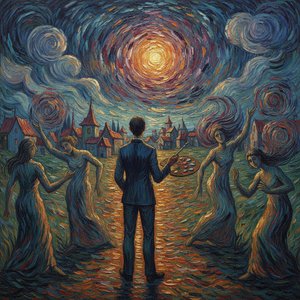
Beyond the Light: Capturing Emotion Through the Expressive Soul of Post-Impressionism
Explore the profound emotional depth of Post-Impressionism. Discover how masters like Van Gogh and Cézanne moved beyond light to capture raw feeling through color and texture. A journey into art history for the true connoisseur.
Odkryj dzieła sztuki uporządkowane według tematów, stylów i cech charakterystycznych.


