


 Podgląd w skali 1:1
 Wyślij jako kartkę
 Udostępnij
 Szczegóły dzieła
 Przewodnik

 Pobierz obraz
 Podobne obiekty
 RTG
RTG Pokaz slajdów
 Statystyki
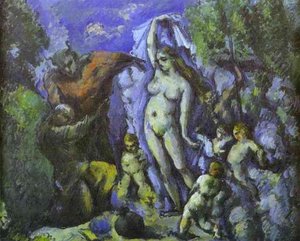
untitled (6213)


Admire Paul Cézanne's 'The Negro Scipion,' a poignant portrait capturing grief and featuring distinctive brushstrokes—a cornerstone of his early artistic vision.
 Rozwiń treść
Key Works and Recurring Motifs</h2>
Cézanne’s oeuvre is remarkably diverse
Kup wysokiej rozdzielczości, ulepszony obraz cyfrowy o jakości znacznie przewyższającej podgląd online.
Każdy plik jest starannie przygotowywany przez naszych specjalistów przy użyciu zaawansowanych narzędzi oraz profesjonalnej, ręcznej retuszy. Dbamy o to, aby każdy obraz cechował się wyjątkową ostrością, precyzyjnym odwzorowaniem kolorów i subtelnymi detalami.
Ostateczny plik dostarczany jest drogą mailową w ciągu 72 godzin, zoptymalizowany do natychmiastowego wykorzystania w profesjonalnych zastosowaniach redakcyjnych i poligraficznych. To ta sama jakość, której ufają czołowe studia projektowe, wydawnictwa oraz galerie sztuki.
Obraz cyfrowy
Pobierz plik o wysokiej rozdzielczości do osobistego użytku, druku oraz projektów kreatywnych. ( Przełącz na wydania drukowane Zamów ręcznie malowaną reprodukcję)
W każdym zamówieniu na obraz cyfrowy znajduje się
Profesjonalna dostawa cyfrowa z gwarancją
Wybierając TopImpressionists.com, nie otrzymujesz jedynie obrazu – otrzymujesz profesjonalnie udoskonalone cyfrowe dzieło sztuki, stworzone z najwyższą precyzją i objęte gwarancją satysfakcji. Oto wszystko, co automatycznie dołączane jest do Twojego zamówienia:

Błyskawiczna wysyłka e-mailowa
Plik z obrazem cyfrowym w wysokiej rozdzielczości zostanie przesłany na Twój adres e-mail w ciągu 72 godzin od złożenia zamówienia – gotowy do natychmiastowego użycia.

Plik cyfrowy wzbogacony przez AI
Twoja grafika została profesjonalnie zoptymalizowana przy użyciu zaawansowanych narzędzi AI oraz ręcznej edycji, co zapewnia maksymalną szczegółowość, klarowność i wierność kolorów.

Darmowe ponowne przesyłki dożywotnio
Przypadkowo usunąłeś lub zgubiłeś swój plik? Bez obaw – prześlemy go Tobie ponownie w dowolnym momencie, bez żadnych opłat.

Bez opłat importowych – zawsze
Ciesz się swoją sztuką natychmiast, bez żadnych opłat celnych, należności ani kosztów dostawy – pliki cyfrowe są zawsze wolne od podatku.

Gwarancja wierności kolorów
Dzięki zastosowaniu profesjonalnych narzędzi i procesów zarządzania barwą zapewniamy, że Twoje cyfrowe zdjęcie odzwierciedla oryginalne kolory tak wiernie, jak to tylko możliwe.

Gwarancja satysfakcji przez 100 dni
Jeśli nie będziesz zadowolony ze swojego cyfrowego obrazu, dokonamy jego poprawki lub zwrócimy 100% kosztów w ciągu 100 dni – bez zbędnych pytań.

100% Gwarancja zwrotu pieniędzy
Nie jesteś zadowolony? Otrzymaj pełny zwrot kosztów w ciągu 100 dni od otrzymania pliku cyfrowego – bez zbędnych pytań.

Rabaty przy zamówieniach hurtowych
Kup 3 obrazy, oszczędź 10% - Kup 5, oszczędź 15% - Kup 10+, oszczędź 20%. Idealne do projektów kreatywnych, galerii i agencji.
A Visionary Prelude: The Genesis of Scipion
In the quiet, transformative years of 1867, a young Paul Cézanne was already beginning to dismantle the boundaries of traditional representation. His work, “The Negro Scipion,” serves as a profound window into this nascent period of his career, capturing a moment where the weight of classical influence meets the burgeoning spirit of modernism. The painting presents us with Scipion, a model from Cézanne’s own studio, captured in a state of deep repose within an intimate domestic setting. While the subject appears deceptively simple—a solitary figure resting amidst the stillness of a room—there is an underlying tension that speaks to much more than mere physical rest. Through this piece, we witness the artist's early struggle to move beyond the superficiality of his era, seeking instead to anchor his subjects in a sense of permanent, sculptural reality.
To gaze upon this work is to encounter the very foundations of what would later become Post-Impressionism. At this stage, Cézanne was heavily engaged with the concepts of form and volume, moving away from the fleeting, light-drenched moments of his Impressionist contemporaries toward a more structured, almost architectural approach to the canvas. The painting is not merely an observation of a man; it is an exploration of how light can define mass and how shadow can imbue a figure with a sense of eternal presence.
The Architecture of Form and Color
Technically, “The Negro Scipion” reveals the artist’s burgeoning mastery over synthetism and geometric simplification. Rather than relying on delicate, ethereal brushwork, Cézanne employs a more deliberate, physical application of pigment. The texture of the canvas feels palpable, with thick, purposeful strokes that build up layers of color to create an illusion of depth and weight. This technique gives the figure of Scipion a monumental quality, as if he were carved from the very atmosphere surrounding him. He is not just a person in a room; he is a structural element within a carefully constructed universe.
The palette used in this early masterpiece is notably muted and earthy, dominated by tones that evoke a sense of groundedness and solemnity. This choice of color is far from accidental. By eschewing the bright, prismatic colors often associated with later Impressionism, Cézanne directs the viewer's attention to the interplay of light and shadow—the chiaroscuro effect that lends the scene its dramatic, almost melancholic gravity. The subtle transitions between light and dark create a rhythmic movement across the composition, guiding the eye through the domestic space and forcing a confrontation with the stillness of the subject.
Symbolism and the Emotional Resonance
Beyond the technical brilliance lies a deeper, more psychological layer that continues to captivate collectors and historians alike. There is an undeniable sense of introspection within the painting, a quiet contemplation of mortality and the passage of time. The way Scipion is positioned—lost in thought or perhaps lost to sleep—suggests a vulnerability that contrasts with the heavy, permanent nature of his form. This duality creates a poignant emotional impact; it is a study of the ephemeral human condition captured through an everlasting artistic lens.
For the discerning collector or interior designer, a reproduction of this work offers more than just aesthetic beauty; it brings a sense of historical weight and intellectual depth to a space. The painting’s ability to command attention through its quiet intensity makes it a perfect centerpiece for environments that value sophistication, contemplation, and the timeless allure of the masters. It is an invitation to slow down, to observe the nuances of shadow, and to reconnect with the profound beauty found in the structural essence of our world.
Pytania i odpowiedzi
Czy można pobrać obraz "untitled (6213)"?
„untitled (6213)” – Paul Cézanne można pobrać ze strony Pobierz plik cyfrowy dzieła jako wysokiej rozdzielczości cyfrowe zdjęcie do pobrania.
Czy mogę przyjrzeć się bliżej dziełu "untitled (6213)"?
Strona Analiza rentgenowska dzieła „untitled (6213)” – Paul Cézanne to interaktywny podgląd, który pozwala na przeglądanie jedenastu warstw optycznych obrazu, w tym widoku w stylu rentgenowskim.
Jakie miejsce w historii sztuki zajmuje „untitled (6213)” – Paul Cézanne?
„untitled (6213)” – Paul Cézanne należy do nurtu Post-Impressionism, przypadającego na okres 19th Century. Razem nadają one dziełu jego miejsce w historii sztuki.
Podobne dzieła




Biografia artysty
Początki i Formowanie się Wizji: Życie Paula Cézanne’a
Paul Cézanne, urodzony 19 stycznia 1839 roku w Aix-en-Provence, był postacią przełomową, łączącą świat impresjonistycznych wrażeń z fragmentarycznymi formami kubizmu. Jego droga nie była usiana natychmiastowym uznaniem; raczej stanowiła powolny proces artystycznej eksploracji, naznaczony okresami zwątpienia i krytyki, który ostatecznie doprowadził do spuścizny na trwałe zmieniającej bieg historii sztuki. Cézanne pochodził z zamożnej rodziny – jego ojciec był początkowo kapelusznikiem, a później bankierem – co zapewniało mu rzadko spotykane bezpieczeństwo finansowe, pozwalając mu poświęcić się pasji bez natychmiastowej presji komercyjnego sukcesu. Początkowo skierowany przez ojca na studia prawnicze, uległ jednak sile wyrazu artystycznego i ostatecznie porzucił prawo na rzecz malarstwa, decyzji która zdefiniowała jego życie. Wczesne inspiracje czerpał z romantyzmu panującego w młodości oraz dbałości o krajobraz charakterystycznej dla szkoły Barbizońskiej, jednak to spotkania z artystami takimi jak Paul Gauguin i Georges Seurat, a ich innowacyjnymi podejściami do koloru i formy, pozwoliły Cézanne’owi wytyczyć własną, niepowtarzalną ścieżkę.Od Ciemności do Struktury: Ewolucja Stylu
Wczesne prace Cézanne’a często odzwierciedlały dramatyczne, emocjonalnie naładowane tematy charakterystyczne dla malarstwa romantycznego – ciemne palety i ekspresyjny pociągnięcie pędzlem dominowały w jego kompozycjach. Ta początkowa faza była jednak jedynie trampoliną do znacznie bardziej analitycznego i przełomowego podejścia. Niezadowolony z prostego uchwycenia ulotnych wrażeń świetlnych, jak to czynili impresjoniści, Cézanne podjął próbę zrozumienia i przedstawienia ukrytej struktury samych obiektów. Dążył nie tylko do tego, *co* widział, ale przede wszystkim do tego, *jak* postrzegał fundamentalne formy stanowiące rzeczywistość. To doprowadziło go do rozkładania naturalnych kształtów na ich geometryczne odpowiedniki – stożki, cylindry, kule – wyprzedzając rewolucję kubistyczną o dekady. Jego technika charakteryzowała się drobnymi, powtarzalnymi pociągnięciami pędzla, starannie nakładanymi warstwami w celu budowania złożonych pól koloru i tekstury, tworząc poczucie solidności i głębi wcześniej niespotykane w malarstwie. Nie interesowała go iluzoryczna przestrzeń; zamiast tego często prezentował obiekty z wielu punktów widzenia jednocześnie, kwestionując tradycyjne pojęcia perspektywy i zmuszając widza do aktywnego zaangażowania się w konstruowany charakter jego kompozycji. To celowe zniekształcenie nie było arbitralne, lecz stanowiło próbę przekazania pełniejszego zrozumienia formy, reprezentując nie tylko pojedynczy moment w czasie, ale syntezę percepcji.Krajobrazy, Martwe Natury i Forma Ludzka: Kluczowe Dzieła i Powracające Motywy
Twórczość Cézanne’a jest niezwykle różnorodna, obejmując krajobrazy, martwe natury, portrety i przedstawienia kąpiących się, jednak wszystkie łączy jego unikalne podejście do formy i koloru. Staw w Jas de Bouffan, namalowany w 1880 roku, jest przykładem jego pracy krajobrazowej, ukazując zdolność do uchwycenia istoty natury poprzez staranne ułożenie kształtów i tonów. Portret Émile’a Zoli, stworzony w 1866 roku, ujawnia rozwój jego stylu i oferuje przekonujący wgląd w intelektualną intensywność bliskiego przyjaciela i współczesnego pisarza. Jego martwe natury, takie jak te z jabłkami i innymi owocami, nie są jedynie reprezentacjami obiektów, lecz eksploracją objętości, światła i relacji przestrzennych. Seria Mont Sainte-Victoire stała się obsesją Cézanne’a, powracającym motywem, który pozwolił mu niestrudzenie badać formę i perspektywę przez dziesięciolecia. Te obrazy nie są jedynie przedstawieniami góry; to studia nad tym, jak postrzegamy głębię, objętość i grę światła i cienia. Wreszcie, jego seria Kąpiących się, przedstawiająca nagie postaci w idyllicznych krajobrazach, reprezentuje pogłębioną eksplorację ludzkiej formy i jej związku z naturą, często przesyconą poczuciem ponadczasowości i cichej kontemplacji.Spuścizna Wykuta Innowacją: Wpływ Cézanne’a na Sztukę Współczesną
Wpływ Paula Cézanne’a na kolejne pokolenia artystów jest nieoceniony. Powszechnie uważany za „ojca sztuki współczesnej” ze względu na przełomowy wkład w język obrazowania, torując drogę wielu głównym ruchom artystycznym XX wieku. Pablo Picasso i Georges Braque byli głęboko wdzięczni Cézanne’owi za nacisk na geometryczne formy i wielokrotne perspektywy, które stały się centralnymi zasadami kubizmu. Jego śmiałe użycie koloru zainspirowało również ruch fauwistyczny, prowadzony przez artystów takich jak Henri Matisse, którzy przyjęli żywe, nienaturalne odcienie. Nawet artyści surrealistyczni znaleźli rezonans w eksploracji subiektywnej percepcji i głębi psychicznej Cézanne’a. Poza konkretnymi ruchami, upór Cézanne’a na osobistą wizję artysty i odrzucenie tradycyjnych akademickich ograniczeń uwolniło pokolenia malarzy do eksplorowania nowych form ekspresji. Podważył on samą definicję reprezentacji, przesuwając nacisk z imitacji rzeczywistości na konstruowanie doświadczenia wizualnego opartego na ukrytej strukturze i subiektywnej percepcji. Jego śmierć w 1906 roku nie oznaczała końca, lecz początku – świtu nowej ery w historii sztuki, głęboko ukształtowanej przez jego rewolucyjną wizję.
Paul Cézanne
1839 - 1906 , Francja
Krótka nota
- Artyści, Którzy Wpłynęli Na Niego:
- Romantyzm
- Barbizon
- Paul Gauguin
- Artyści/Ruchy Zainspirowane Nim:
- Kubizm
- Fowizm
- Data Urodzenia: 19 stycznia 1839
- Data Śmierci: 22 października 1906
- Miejsce Urodzenia: Aix-en-Provence, Francja
- Narodowość: Francuz
- Pełne Imię I Nazwisko: Paul Cézanne
- Ruch Artystyczny: Postimpresjonizm
- Znane Dzieła:
- Staw w Jas de Bouffan
- Portret Émile Zoli
- Mont Sainte-Victoire