


 Podgląd w skali 1:1
 Wyślij jako kartkę
 Udostępnij
 Szczegóły dzieła
 Przewodnik

 Pobierz obraz
 Podobne obiekty
 RTG
RTG Pokaz slajdów
 Statystyki
Zakręt na drodze
 Olej na płótnie
- Sztuka ścienna
- Późny impresjonizm
 1906
1906- XIX wiek
 106.0 x 90.0 cm
Odkryj 'Zakręt na drodze' Paula Cézanne’a – żywy pejzaż z odważnymi kolorami i ekspresyjnym pociągnięciem pędzla. Poznaj jego styl postimpresjonistyczny i spokojne piękno.
 Rozwiń treść
Key Works and Recurring Motifs</h2>
Cézanne’s oeuvre is remarkably diverse
Ręcznie malowana reprodukcja olejowa
Ręcznie malowany obraz olejny na płótnie, wykonany na zamówienie przez naszych artystów w wybranym przez Ciebie wymiarze i oprawie. ( Przełącz na wydania drukowane Przejdź do wersji cyfrowej)




P118B zł10

P118H zł10

P118W zł10

P438Z zł10

P508JH zł12

P508YH zł12

P805H zł10

P805Z zł10

P919BZ zł10

P919G zł10

P919XJ zł10

P959ZH zł10

P968JZ zł12

W106C zł8

W218G zł10

W218JH zł8

W218Y zł10

W307PJ zł10

W316G zł10

W316PJ zł8

W316Y zł10

W398PJ zł8

W4111J zł10

W500HY zł15

W500JH zł15

W692G zł12

W849H zł8

W940BG zł15

W953PJ zł8




Standardowy format
personalizowane
CM
INCH
Wybierz spośród naszych standardowych rozmiarów, które zachowują oryginalne proporcje dzieła sztuki.
Loading sizes...

szerokość
wysokość
Wpisz wymaganą szerokość i wysokość, aby obraz pasował do Twojej ramy lub ściany. Ponieważ jest to dzieło malowane ręcznie, w przypadku rozmiaru o innych proporcjach artysta może domalować nieco więcej wokół obrazu lub przyciąć jego fragmenty — wybór należy do Ciebie. Przed rozpoczęciem pracy prześlemy Ci cyfrową wizualizację do zatwierdzenia. Obraz widoczny na tej stronie nie przedstawia rzeczywistego efektu — jedynie wizualizacja oddaje realny rezultat.
Przykłady możliwych zmian: Zamień twarz na zdjęcie klienta; Dodaj zwierzę domowe (np. zamień kota na psa); Ukryj wiadomość w tle; Zmień krajobraz lub elementy tła.
Po złożeniu zamówienia zespół TopImpressionists.com skontaktuje się z klientem drogą mailową w celu uzyskania instrukcji i prześle wizualizację projektu
Po złożeniu zamówienia zespół TopImpressionists.com skontaktuje się z klientem drogą mailową w celu uzyskania instrukcji i prześle wizualizację projektu
Dostawa na całym świecie () w ciągu 3–4 tygodni zamiast standardowych 5 tygodni. (25 Październik). Bez kompromisów w kwestii jakości.

Bezpłatna ekspresowa wysyłka na cały świat

Wysokiej jakości płótno lniane

Pełne ubezpieczenie przesyłki

Gwarancja zwrotu należności celnych i podatków importowych

Gwarancja wiernego odwzorowania kolorów

100-dniowa polityka zwrotów (tylko w przypadku wad)

Gwarancja 100% zwrotu pieniędzy

Zniżka przy zakupie wielu sztuk
 Opcja ze szkłem jest dostępna wyłącznie w rozmiarach poniżej 110 cm

Zakręt na drodze
Technika reprodukcji
Wymiary reprodukcji
-


Cena całkowita
zł 1032
A Journey Through Color and Form: Exploring Cézanne’s “The Bend in the Road”
Paul Cézanne’s “The Bend in the Road,” painted in 1906, just before his passing, is more than a landscape; it's an invitation. An invitation to slow down, to observe, and to feel the profound connection between humanity and the natural world. This captivating vertical composition draws us into a serene valley sculpted by time – a place where the solidity of rock meets the ethereal softness of distant hills, all bathed in the warm glow of a late afternoon sun. It’s a testament to Cézanne's revolutionary approach to painting, one that moved beyond simply replicating what the eye sees and instead sought to capture the very essence of form and space.
The painting belongs firmly within the Post-Impressionist movement, yet it represents a crucial step beyond its predecessors. While Impressionists like Monet were primarily concerned with capturing fleeting moments of light and color, Cézanne was driven by a desire to understand the underlying geometric structure of nature. He meticulously analyzed shapes – circles, squares, triangles – believing they were the fundamental building blocks of reality. This is strikingly evident in “The Bend in the Road” through his deliberate use of strong diagonals created by the winding road and the dramatic bend itself, guiding our gaze deep into the valley’s heart. It's a composition designed to provoke contemplation, not just visual pleasure.
Technique & The Language of Color
Cézanne’s mastery lies in his extraordinary technique – a deliberate and almost sculptural approach to paint application. He built up layers of vibrant color using visible, vertical brushstrokes, creating a palpable sense of texture and depth. Notice the audacious use of burnt orange, peach, salmon pink, cobalt blue, lime green, and spring green; these aren’t blended into seamless gradients but remain distinct, almost as if sculpted onto the canvas. Crucially, Cézanne employed unpainted areas – strategic voids within the composition – to enhance the painting's sense of lightness and to further emphasize its constructed nature. This technique wasn’t simply a stylistic choice; it was a fundamental part of his exploration of form and space, allowing him to create an illusion of three-dimensionality on a two-dimensional surface.
Symbolism & The Emotional Landscape
“The Bend in the Road” is rich with symbolic meaning. The winding road itself represents a journey – not just a physical one, but also a metaphorical one of self-discovery and exploration. The imposing rock formations could be interpreted as obstacles or challenges encountered along life’s path, while the open valley suggests possibilities, hope, and a sense of boundless space. Cézanne's choice to depict this landscape, particularly given his deep connection to the region around Aix-en-Provence, speaks to a desire to capture not just the beauty of nature but also its enduring spirit – a timeless quality that transcends individual experience. The painting evokes a profound sense of peace and tranquility, inviting viewers to lose themselves in its vibrant world and contemplate their own place within it.
Cézanne’s Enduring Legacy & Perfect Reproduction
Paul Cézanne (1839-1906) was a truly revolutionary artist whose work profoundly influenced the course of modern art. His emphasis on form, structure, and subjective perception paved the way for movements like Cubism and Fauvism, fundamentally altering our understanding of what painting could be. He is often referred to as “the father of modern art” by artists such as Picasso and Matisse who were deeply inspired by his innovative approach. A high-quality reproduction of "The Bend in the Road" offers a unique opportunity to bring this masterpiece into your home or office, allowing you to appreciate Cézanne’s genius every day. Whether displayed as a focal point in a living room or as an element of corporate décor, this artwork will undoubtedly spark conversation and inspire contemplation.
Pytania i odpowiedzi
W którym roku powstało dzieło „Zakręt na drodze” – Paul Cézanne?
„Zakręt na drodze” – Paul Cézanne powstało w 1906.
Z jakiej techniki wykorzystano "Zakręt na drodze"?
„Zakręt na drodze” wykonano w technice Olej na płótnie.
Z czego wynika obecny status praw autorskich dzieła "Zakręt na drodze"?
„Zakręt na drodze” – Paul Cézanne jest należy do domeny publicznej – autorskie prawa majątkowe wygasły. Okres ochrony praw autorskich liczony jest od śmierci artysty, która nastąpiła w 1906.
Podobne dzieła


Biografia artysty
Początki i Formowanie się Wizji: Życie Paula Cézanne’a
Paul Cézanne, urodzony 19 stycznia 1839 roku w Aix-en-Provence, był postacią przełomową, łączącą świat impresjonistycznych wrażeń z fragmentarycznymi formami kubizmu. Jego droga nie była usiana natychmiastowym uznaniem; raczej stanowiła powolny proces artystycznej eksploracji, naznaczony okresami zwątpienia i krytyki, który ostatecznie doprowadził do spuścizny na trwałe zmieniającej bieg historii sztuki. Cézanne pochodził z zamożnej rodziny – jego ojciec był początkowo kapelusznikiem, a później bankierem – co zapewniało mu rzadko spotykane bezpieczeństwo finansowe, pozwalając mu poświęcić się pasji bez natychmiastowej presji komercyjnego sukcesu. Początkowo skierowany przez ojca na studia prawnicze, uległ jednak sile wyrazu artystycznego i ostatecznie porzucił prawo na rzecz malarstwa, decyzji która zdefiniowała jego życie. Wczesne inspiracje czerpał z romantyzmu panującego w młodości oraz dbałości o krajobraz charakterystycznej dla szkoły Barbizońskiej, jednak to spotkania z artystami takimi jak Paul Gauguin i Georges Seurat, a ich innowacyjnymi podejściami do koloru i formy, pozwoliły Cézanne’owi wytyczyć własną, niepowtarzalną ścieżkę.Od Ciemności do Struktury: Ewolucja Stylu
Wczesne prace Cézanne’a często odzwierciedlały dramatyczne, emocjonalnie naładowane tematy charakterystyczne dla malarstwa romantycznego – ciemne palety i ekspresyjny pociągnięcie pędzlem dominowały w jego kompozycjach. Ta początkowa faza była jednak jedynie trampoliną do znacznie bardziej analitycznego i przełomowego podejścia. Niezadowolony z prostego uchwycenia ulotnych wrażeń świetlnych, jak to czynili impresjoniści, Cézanne podjął próbę zrozumienia i przedstawienia ukrytej struktury samych obiektów. Dążył nie tylko do tego, *co* widział, ale przede wszystkim do tego, *jak* postrzegał fundamentalne formy stanowiące rzeczywistość. To doprowadziło go do rozkładania naturalnych kształtów na ich geometryczne odpowiedniki – stożki, cylindry, kule – wyprzedzając rewolucję kubistyczną o dekady. Jego technika charakteryzowała się drobnymi, powtarzalnymi pociągnięciami pędzla, starannie nakładanymi warstwami w celu budowania złożonych pól koloru i tekstury, tworząc poczucie solidności i głębi wcześniej niespotykane w malarstwie. Nie interesowała go iluzoryczna przestrzeń; zamiast tego często prezentował obiekty z wielu punktów widzenia jednocześnie, kwestionując tradycyjne pojęcia perspektywy i zmuszając widza do aktywnego zaangażowania się w konstruowany charakter jego kompozycji. To celowe zniekształcenie nie było arbitralne, lecz stanowiło próbę przekazania pełniejszego zrozumienia formy, reprezentując nie tylko pojedynczy moment w czasie, ale syntezę percepcji.Krajobrazy, Martwe Natury i Forma Ludzka: Kluczowe Dzieła i Powracające Motywy
Twórczość Cézanne’a jest niezwykle różnorodna, obejmując krajobrazy, martwe natury, portrety i przedstawienia kąpiących się, jednak wszystkie łączy jego unikalne podejście do formy i koloru. Staw w Jas de Bouffan, namalowany w 1880 roku, jest przykładem jego pracy krajobrazowej, ukazując zdolność do uchwycenia istoty natury poprzez staranne ułożenie kształtów i tonów. Portret Émile’a Zoli, stworzony w 1866 roku, ujawnia rozwój jego stylu i oferuje przekonujący wgląd w intelektualną intensywność bliskiego przyjaciela i współczesnego pisarza. Jego martwe natury, takie jak te z jabłkami i innymi owocami, nie są jedynie reprezentacjami obiektów, lecz eksploracją objętości, światła i relacji przestrzennych. Seria Mont Sainte-Victoire stała się obsesją Cézanne’a, powracającym motywem, który pozwolił mu niestrudzenie badać formę i perspektywę przez dziesięciolecia. Te obrazy nie są jedynie przedstawieniami góry; to studia nad tym, jak postrzegamy głębię, objętość i grę światła i cienia. Wreszcie, jego seria Kąpiących się, przedstawiająca nagie postaci w idyllicznych krajobrazach, reprezentuje pogłębioną eksplorację ludzkiej formy i jej związku z naturą, często przesyconą poczuciem ponadczasowości i cichej kontemplacji.Spuścizna Wykuta Innowacją: Wpływ Cézanne’a na Sztukę Współczesną
Wpływ Paula Cézanne’a na kolejne pokolenia artystów jest nieoceniony. Powszechnie uważany za „ojca sztuki współczesnej” ze względu na przełomowy wkład w język obrazowania, torując drogę wielu głównym ruchom artystycznym XX wieku. Pablo Picasso i Georges Braque byli głęboko wdzięczni Cézanne’owi za nacisk na geometryczne formy i wielokrotne perspektywy, które stały się centralnymi zasadami kubizmu. Jego śmiałe użycie koloru zainspirowało również ruch fauwistyczny, prowadzony przez artystów takich jak Henri Matisse, którzy przyjęli żywe, nienaturalne odcienie. Nawet artyści surrealistyczni znaleźli rezonans w eksploracji subiektywnej percepcji i głębi psychicznej Cézanne’a. Poza konkretnymi ruchami, upór Cézanne’a na osobistą wizję artysty i odrzucenie tradycyjnych akademickich ograniczeń uwolniło pokolenia malarzy do eksplorowania nowych form ekspresji. Podważył on samą definicję reprezentacji, przesuwając nacisk z imitacji rzeczywistości na konstruowanie doświadczenia wizualnego opartego na ukrytej strukturze i subiektywnej percepcji. Jego śmierć w 1906 roku nie oznaczała końca, lecz początku – świtu nowej ery w historii sztuki, głęboko ukształtowanej przez jego rewolucyjną wizję.
Paul Cézanne
1839 - 1906 , Francja
Krótka nota
- Artyści, Którzy Wpłynęli Na Niego:
- Romantyzm
- Barbizon
- Paul Gauguin
- Artyści/Ruchy Zainspirowane Nim:
- Kubizm
- Fowizm
- Data Urodzenia: 19 stycznia 1839
- Data Śmierci: 22 października 1906
- Miejsce Urodzenia: Aix-en-Provence, Francja
- Narodowość: Francuz
- Pełne Imię I Nazwisko: Paul Cézanne
- Ruch Artystyczny: Postimpresjonizm
- Znane Dzieła:
- Staw w Jas de Bouffan
- Portret Émile Zoli
- Mont Sainte-Victoire
Powiązane artykuły
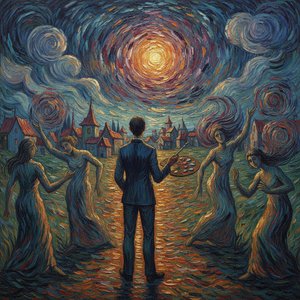
Beyond the Light: Capturing Emotion Through the Expressive Soul of Post-Impressionism
Explore the profound emotional depth of Post-Impressionism. Discover how masters like Van Gogh and Cézanne moved beyond light to capture raw feeling through color and texture. A journey into art history for the true connoisseur.
Odkryj dzieła sztuki uporządkowane według tematów, stylów i cech charakterystycznych.


