

Przedstawiony: · Wraz z ramą:
 Podgląd w skali 1:1
 Wyślij jako kartkę
 Udostępnij
 Szczegóły dzieła
 Przewodnik

 Pobierz obraz
 Podobne obiekty
 RTG
RTG Pokaz slajdów
 Pytania i odpowiedzi
 Statystyki


zł 1052
Ręcznie malowana reprodukcja olejowa
Ręcznie malowany obraz olejny na płótnie, wykonany na zamówienie przez naszych artystów w wybranym przez Ciebie wymiarze i oprawie. ( Przełącz na wydania drukowane Przejdź do wersji cyfrowej)
Wymiar
·Standardowy format
personalizowane
CM
INCH
Wybierz spośród naszych standardowych rozmiarów, które zachowują oryginalne proporcje dzieła sztuki.
Ładowanie rozmiarów...

szerokość
wysokość
Wpisz wymaganą szerokość i wysokość, aby obraz pasował do Twojej ramy lub ściany. Ponieważ jest to dzieło malowane ręcznie, w przypadku rozmiaru o innych proporcjach artysta może domalować nieco więcej wokół obrazu lub przyciąć jego fragmenty — wybór należy do Ciebie. Przed rozpoczęciem pracy prześlemy Ci cyfrową wizualizację do zatwierdzenia. Obraz widoczny na tej stronie nie przedstawia rzeczywistego efektu — jedynie wizualizacja oddaje realny rezultat.
 Dowiedz się więcej
Wykończenie
·
Białe krawędzie zł1

rozmyte krawędzie zł1

Przedłużony zł1

P118B zł10

P118H zł10

P118W zł10

P438Z zł10

P508JH zł12

P508YH zł12

P805H zł10

P805Z zł10

P919BZ zł10

P919G zł10

P919XJ zł10

P959ZH zł10

P968JZ zł12

W106C zł8

W218G zł10

W218JH zł8

W218Y zł10

W307PJ zł10

W316G zł10

W316PJ zł8

W316Y zł10

W398PJ zł8

W4111J zł10

W500HY zł15

W500JH zł15

W692G zł12

W849H zł8

W940BG zł15

W953PJ zł8

H24-GOLD zł30

H24-SILVER zł30

H36-GOLD zł45

H36-SILVER zł45
Dostarczane w ochronnej tubie, gotowe do oprawienia przez Twojego ramiarza.
Dodatki
opcjonalneCo obejmują dodatki?
Przykłady możliwych zmian: Zastąpienie twarzy zdjęciem klienta; Dodanie zwierzęcia (np. zamiana kota na psa); Ukrycie wiadomości w tle; Zmiana krajobrazu lub elementów tła.
Po złożeniu zamówienia zespół TopImpressionists.com skontaktuje się z klientem drogą mailową w celu uzyskania instrukcji i prześle podgląd projektu
Po złożeniu zamówienia zespół TopImpressionists.com skontaktuje się z klientem drogą mailową w celu uzyskania instrukcji i prześle podgląd projektu
Dostawa na całym świecie () w ciągu 3–4 tygodni zamiast standardowych 5 tygodni. (3 Listopad). Bez kompromisów w kwestii jakości.
Lakier ochronny
Etykieta obiektu
Szczegóły grawerowanej brązowej tabliczki
This elegant plaque features the artist's name and the title of the artwork, finely engraved for a timeless presentation.
It is made from bronze with a refined, elegant finish. The text is precisely laser-engraved for a sharp and permanent result. Measuring 9x2 cm, the plaque is compact yet easy to read. It's built to be durable and scratch-resistant, offering a professional, museum-quality look. Mounting is simple thanks to the included adhesive backing.
Szczegóły przezroczystej tabliczki akrylowej
The plaque includes essential engraved details such as the artist's name, the title of the artwork, the date it was created, the type of media used-like oil on canvas or watercolor-a brief description of the piece, and a QR code that links to the complete artwork information.
It is crafted from clear acrylic, offering a sleek, modern appearance. The text is UV-engraved in black to ensure strong visual contrast. With a size of 10x15 cm, it ensures optimal readability. It comes equipped with two metal hooks for secure wall mounting. The plaque is designed to be weather-resistant, making it suitable for various environments, and it includes interactive features that work seamlessly with smartphone scanning.
Szczegóły czarnej tabliczki akrylowej
This elegant plaque includes engraved information such as the artist's name, the title of the artwork, the date it was created, the type of media used (like oil on canvas or watercolor), a short description of the artwork, and a QR code for quick access to more information.
The plaque itself is made from refined black acrylic with a premium finish. The text is laser-engraved in white for high contrast and readability. Its size is 10x15 cm, designed to be easy to read. It comes with two metal hooks for professional mounting. The design is sleek and fits any interior style. It is also weather-resistant and durable, with built-in digital integration for mobile compatibility.
Opcja ze szkłem jest dostępna wyłącznie w rozmiarach poniżej 110 cm
 Opcja ze szkłem jest dostępna wyłącznie w rozmiarach poniżej 110 cm
- Bezpłatna ekspresowa wysyłka na cały świat
- Wysokiej jakości płótno lniane
- Pełne ubezpieczenie przesyłki
- Gwarancja zwrotu należności celnych i podatków importowych
- Gwarancja wiernego odwzorowania kolorów
- 100-dniowa polityka zwrotów (tylko w przypadku wad)
- Gwarancja 100% zwrotu pieniędzy
- Zniżka przy zakupie wielu sztuk


Opis obiektu
Discover 'Interieur de Foret (Compiegne)' by Paul Huet – a captivating Romantic landscape painting. Explore its atmospheric brushstrokes, forest scene & human element. #art #landscapepainting #frenchart
Biografia artysty
Paul Huet (1803-1869) był francuskim malarzem pejzażowym znanym ze stylu romantycznego i wpływu na artystów z kręgu Barbizon oraz impresjonistów. Odkryj jego nastrojowe akwarele i obrazy olejne.
O obrazie
The Enveloping Mystery of the Woodland
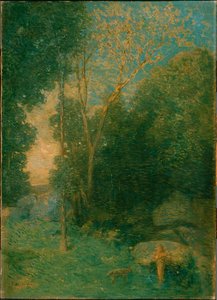
To stand before Paul Huet’s depiction of an interior forest—Intérieur de Forêt (Compiègne)—is not merely to observe a landscape; it is to step through a veil into a moment suspended between light and shadow. The painting immerses the viewer in the profound, almost palpable atmosphere of a dense woodland. Huet masterfully captures the overwhelming presence of nature, where the vertical thrust of countless tree trunks creates an architectural rhythm, guiding the eye deep into the cool embrace of the woods. This is a scene steeped in the Romantic sensibility, suggesting that the forest itself is a character, whispering secrets only to those who listen closely.
A Study in Light and Atmosphere
Technically, Huet’s handling of oil paint is breathtakingly evocative. One can almost feel the texture beneath the surface; the visible brushstrokes speak to an artist deeply engaged with his medium, prioritizing feeling over flawless polish. The light here is not direct but diffused—a celestial curtain filtering through a thick canopy overhead. This dappled illumination creates pockets of ethereal brightness on the forest floor and catches the edges of foliage, giving the scene a luminous quality despite its deep shadows. The palette relies heavily on earthy greens and rich browns, punctuated by those brilliant, almost accidental touches of yellow and white that suggest hope or revelation within the gloom.
Romantic Echoes and Human Presence
Historically, this work situates itself perfectly within the currents of 19th-century Romanticism. Huet, a pioneer whose vision bridged the gap between academic training and the burgeoning spirit of Impressionism, understood that nature was a mirror for the human soul. The inclusion of a small figure, subtly placed near the lower right corner, is crucial. This solitary presence acts as an anchor, providing scale and narrative focus against the immensity of the woods. It suggests contemplation—a moment where humanity pauses before the sublime power of the natural world, finding both solitude and companionship within its embrace.
Symbolism for the Modern Sanctuary
For the contemporary collector or designer, this piece transcends mere decoration; it functions as an emotional conduit. The forest setting symbolizes retreat, introspection, and the enduring connection to something wild and untamed. It speaks to a modern yearning for sanctuary—a place away from the clamor of urban life. Reproducing Intérieur de Forêt allows one to bring that sense of hushed tranquility into a formal interior space, transforming a room into a contemplative haven. The artwork doesn't shout its beauty; it whispers it, inviting quiet reflection upon its textured, deeply atmospheric surface.
Pytania i odpowiedzi
Z jakiej techniki wykorzystano "INTERIEUR DE FORET (COMPIEGNE)"?
„INTERIEUR DE FORET (COMPIEGNE)” wykonano w technice Oil On Canvas.
Gdzie można zobaczyć oryginał „INTERIEUR DE FORET (COMPIEGNE)” – Paul Huet?
„INTERIEUR DE FORET (COMPIEGNE)” – Paul Huet znajduje się w zbiorach Luwr, Paris, France. Informacja o muzeum dotyczy oryginału, a nie reprodukcji.
Czy "INTERIEUR DE FORET (COMPIEGNE)" wpisuje się w typową tematykę twórczości Paul Huet?
„INTERIEUR DE FORET (COMPIEGNE)” przedstawia forest landscape, romantic art, natural scene, atmospheric view, tree silhouettes, human figure, tranquil nature, dark woods, podczas gdy powracające motywy u Paul Huet to key work in huet's career, demonstrates romantic vision, influential on impressionists, romantic landscape tradition, french barbizon school style, emphasis on atmospheric mood, connection to nature's power, solitude and reflection. Porównanie tych dwóch elementów ukazuje, jak dzieło nawiązuje do typowej dla tego artysty tematyki.
Najważniejsze informacje i quiz o sztuce
O Paul Huet

Paul Huet
1803 - 1869, Francja
Biografia artysty
Paul Huet: Pionier romantycznego pejzażu
Paul Huet (1803-1869) jawi się jako postać kluczowa, choć często niedoceniana, w historii dziewiętnastowiecznej sztuki francuskiej – malarz pejzażowy, który wywarł głęboki wpływ zarówno na szkołę z Barbizon, jak i na rodzący się impresjonizm. Urodzony w Paryżu w czasach rozkwitu artystycznego życia, Huet podążył ścieżką nieustannego uważnego patrzenia, głębokiej więzi z naturą oraz świadomego odrzucenia dominujących wówczas trendów neoklasycznych. Jego twórczość nie była jedynie prostym przedstawianiem scen rodzajowych; stanowiła próbę uchwycenia samej esencji światła, atmosfery i ulotnego piękna świata przyrody – dążenie, które ugruntowało jego miejsce jako głównego innowatora w malarstwie francuskim.Wczesne inspiracje i artystyczne wykształcenie
Artystyczny rozwój Hueta rozpoczął się od solidnych fundamentów tradycyjnych technik. Pierwsze nauki pobierał u Jeana-Juliena Deltila, byłego ucznia Jacquesa-Louisa Davida, a następnie studiował w École des Beaux-Arts pod okiem Pierre Guérina i Antoine’a-Jeana Grosa. Kluczowym momentem było spotkanie z Richardem Parkes Boningtonem, kolegą ze studia Grosa. To spotkanie okazało się przełomowe. Podejście Boningtona do malarstwa plenerowego – pracy bezpośrednio w naturze – oczarowało Hueta, skłaniając go do porzucenia sztywnej formalności neoklasycyzmu na rzecz stylu bardziej spontanicznego i obserwacyjnego. Brytyjskie pejzaże zaprezentowane na Salonie w 1824 roku stały się dla niego objawieniem; zdolność Johna Constabla do oddania świeżości i bujnej zieleni, bez uciekania się do mrocznych cieni czy sztuczności, głęboko rezonowała z duszą Hueta, kształtując jego własną filozofię artystyczną. Słynnie opisał on dzieła Constabla jako „być może pierwszy raz, kiedy poczuło się świeżość, kiedy ujrzało bujną, zieloną naturę, bez czerni, surowości czy manieryzmu”.Styl z Barbizon i mistrzowie niderlandzcy
Styl Hueta ewoluował poprzez fascynującą syntezę wpływów. Początkowo naśladował technikę akwarelową Boningtona, jednak jego wrażliwość artystyczna wykraczała daleko poza zwykłe imitacje. Czerpał inspirację z nastrojowych pejzaży mistrzów niderlandzkich, takich jak Jacob van Ruysdael czy Meindert Hobbema, szczególnie podziwiając ich mistrzowskie wykorzystanie światła i koloru do oddania nastroju oraz aury miejsca. Ta estyma wobec dawnych mistrzów przeniknęła do jego własnego warsztatu, owocując obrazami posiadającymi cichą godność i niezwykłe poczucie realizmu – nie fotograficznego, lecz głęboko odczuwanego. Jego twórczość w tym okresie charakteryzowałała się świadystym odrzuceniem akademickich konwencji na rzecz swobodnych pociągnięć pędzla, żywych barw i nacisku na uchwycenie natychmiastowego wrażenia płynącego z kontaktu z naturą.Uznanie w Salonach i zaangażowanie polityczne
Kariera artystyczna Hueta nabrała tempa wraz z debiutem na Salonie w 1827 roku, gdzie jeden z ośmiu jego obrazów został przyjęty do wystawy. Regularnie prezentował swoje prace na Salonach przez całe lata 30. i 40. XIX wieku, systematycznie budując reputację wśród krytyków i kolekcjonerów. Eugène Delacroix, bliski przyjaciel i współczesny mu artysta, wspierał twórczość Hueta, dostrzegając jej unikalne walory. Z drugiej strony, Étienne-Jean Delécluze prezentował bardziej krytyczne spojrzenie, widząc w Huetcie artystę zbyt oddanego metodom Constabla i Turnera, co niekiedy miało odbywać się kosztem fundamentalnych zasad kompozycji. Poza sferą sztuki, Huet był aktywnym uczestnikiem rewolucji lipcowej w 1830 roku i angażował się w politykę republikańską, co odzwierciedlało burzliwy klimat społeczno-polityczny ówczesnej Francji. Jego oddanie tym ideałom przyniosło mu uznanie króla Ludwika Filipa, który w 1844 roku podarował mu parę wazonów z porcelany Sèvres, a także złoty medal na Salonie w 1848 roku.Dziedzictwo i znaczenie artystyczne
Wpływ Paula Hueta na francuskie malarstwo pejzażowe jest nie do przecenienia. Jego nowatorskie podejście do akwareli – traktowanej nie tylko jako narzędzie do szkicowania, ale jako główny środek wyrazu w gotowych dziełach – udowodniło jej potencjał do osiągnięcia niezwykłej głębi i bogactwa, często przypominającego malarstwo olejne. Był jednym z pionierów malarstwa plenerowego, stawiając bezpośrednią obserwację natury ponad pracę w zaciszu pracowni. Co ważniejsze, nacisk Hueta na chwytanie ulotnych efektów światła i atmosfery wywarł ogromny wpływ na szkołę z Barbizon, a później na impresjonistów. Artyści tacy jak Théodore Rousseau czy Jean-François Millet, dążący do malowania prosto z natury, skupieni na życiu wiejskim i krajobrazie, zawdzięczają wiele jego pionierskiemu podejściu. Jego twórczość pozostaje świadectwem potęgi uważnego spojrzenia, piękna prostoty oraz nieprzemijającej potrzeby chwytania samej istoty świata naturalnego. Zmarł w Paryżu w 1869 roku, pozostawiając po sobie bogaty dorobek, który do dziś zachwyca widzów swoją ewokatywną atmosferą i głęboką więzią z naturą.Krótkie informacje o Paul Huet
- Artistic Movement Or Style: Pejzaż romantyczny
- Artists Or Movements Influenced By This Artist:
- Szkoła Barbizon
- Impresjoniści
- Artists Who Influenced This Artist:
- Rembrandt
- John Constable
- Eugène Delacroix
- Date Of Birth: 1803-10-03
- Date Of Death: 1869-01-08
- Full Name: Paul Huet
- Nationality: Francuz
- Notable Artworks:
- Willa pod Rzymem
- Efekt wieczoru
- Pod lasem z stawem
- Place Of Birth: Paryż, Francja
Podobne dzieła




Paul Huet
INTERIEUR DE FORET (COMPIEGNE)
() ·
Wraz z ramą: · Ręcznie malowane farbami olejnymi na płótnie lnianym
Suma