

 Zobacz w skali 1:1
 Wyślij
 Udostępnij
 Szczegóły
 Przewodnik

 Pobierz plik obrazu
 Podobne obiekty
 RTG
RTG Pokaz slajdów
 Statystyki
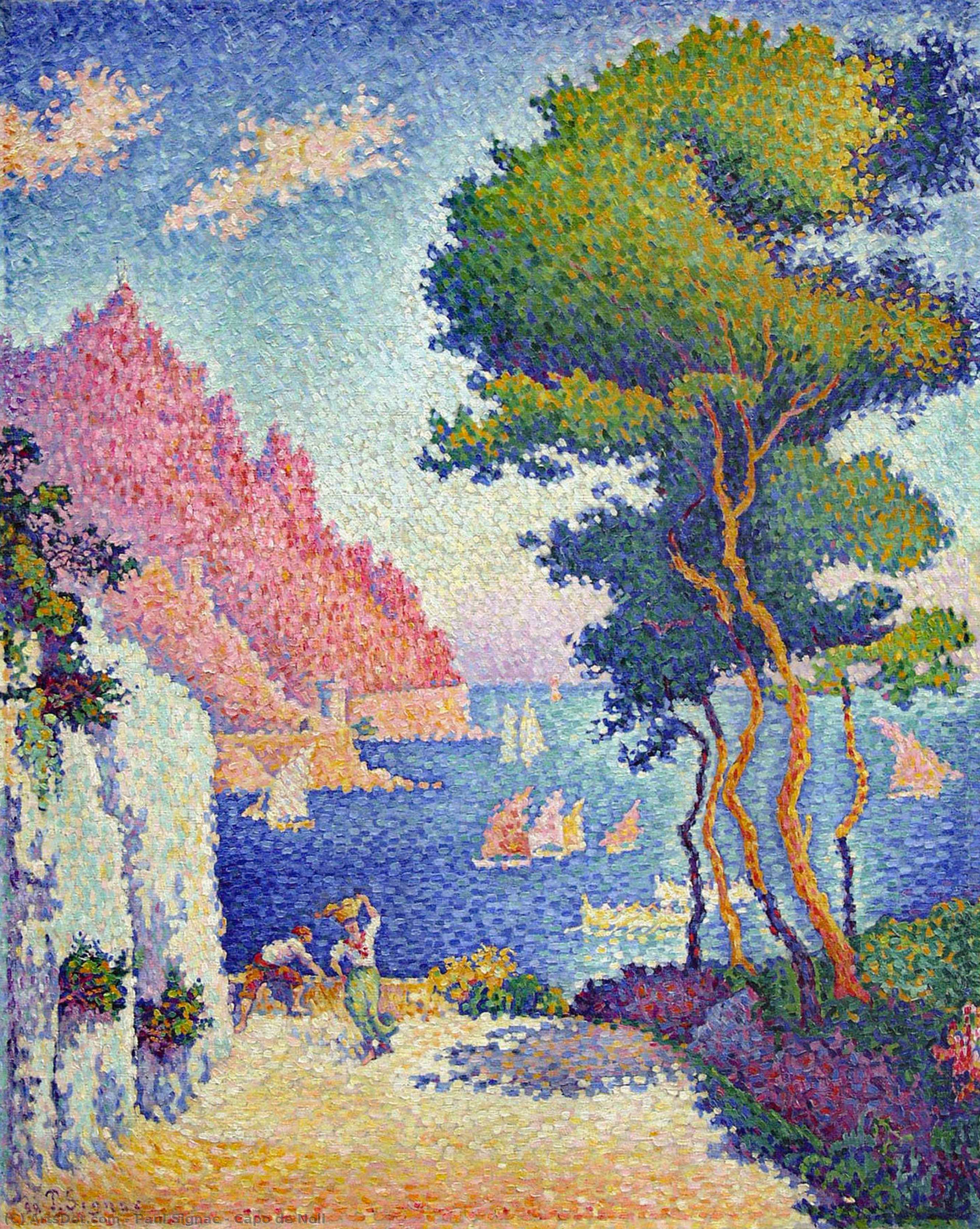
Capo de Noli


Paul Signac’s ‘Capo di Noli,’ a stunning Neo-Impressionist masterpiece from 1898, captures coastal serenity through its revolutionary Pointillism technique. Explore the luminous beauty of this iconic artwork and bring it into your collection.
 Czytaj więcej
Paul Signac (1863-1935) – francuski malarz Neoimpresjonistyczny, znany z Pointylizmu i fascynujących obrazów portowych oraz wybrzeży. Jego twórczość inspirowała wielu artystów!
Ręcznie malowana reprodukcja olejowa
Ręcznie malowany obraz olejny na płótnie, wykonany na zamówienie przez naszych artystów w wybranym przez Ciebie wymiarze i oprawie. ( Przełącz na wersję drukowaną Przełącz na wersję cyfrową)




P118B zł10

P118H zł10

P118W zł10

P438Z zł10

P508JH zł12

P508YH zł12

P805H zł10

P805Z zł10

P919BZ zł10

P919G zł10

P919XJ zł10

P959ZH zł10

P968JZ zł12

W106C zł8

W218G zł10

W218JH zł8

W218Y zł10

W307PJ zł10

W316G zł10

W316PJ zł8

W316Y zł10

W398PJ zł8

W4111J zł10

W500HY zł15

W500JH zł15

W692G zł12

W849H zł8

W940BG zł15

W953PJ zł8




Standardowy
na zamówienie
CM
INCH
Wybierz spośród naszych standardowych rozmiarów, które zachowują oryginalne proporcje dzieła sztuki.
Loading sizes...

szerokość
wysokość
Wpisz wymaganą szerokość i wysokość, aby obraz pasował do Twojej ramy lub ściany. Ponieważ jest to dzieło malowane ręcznie, w przypadku rozmiaru o innym proporcji artysta może domalować nieco więcej wokół obrazu lub przyciąć fragmenty — wybór należy do Ciebie. Przed rozpoczęciem pracy prześlemy Ci cyfrową wizualizację do zatwierdzenia. Obraz widoczny na tej stronie nie przedstawia rzeczywistego efektu — jedynie wizualizacja oddaje realny rezultat.
Przykłady możliwych zmian: Zamień twarz na zdjęcie klienta; Dodaj zwierzę domowe (np. zamień kota na psa); Ukryj wiadomość w tle; Zmień krajobraz lub elementy tła.
Po złożeniu zamówienia zespół TopImpressionists.com skontaktuje się z klientem drogą mailową w celu uzyskania instrukcji i prześle wizualizację projektu
Po złożeniu zamówienia zespół TopImpressionists.com skontaktuje się z klientem drogą mailową w celu uzyskania instrukcji i prześle wizualizację projektu
Dostawa na całym świecie () w ciągu 3–4 tygodni zamiast standardowych 5 tygodni. (24 Październik). Bez kompromisów w kwestii jakości.

Bezpłatna ekspresowa wysyłka na cały świat

Wysokiej jakości płótno lniane

Pełne ubezpieczenie transportowe

Gwarancja zwrotu należności celnych i podatków importowych

Gwarancja idealnego odwzorowania barw

100-dniowy okres na zwrot dzieła w przypadku wykrycia wad produkcyjnych

Gwarancja 100% zwrotu pieniędzy

Oferta przy zakupie wielu sztuk
 Opcja ze szkłem jest dostępna wyłącznie w rozmiarach poniżej 110 cm

Capo de Noli
Technika wykonania
Rozmiar reprodukcji
-


Suma do zapłaty
zł 1032
A Symphony of Light and Color: The Luminous Vision of Capo di Noli
In the pantheon of Neo-Impressionist masterpieces, few works capture the ethereal dance between science and soul quite like Paul Signac’s 1898 triumph, Capo di Noli. This breathtaking canvas is far more than a mere coastal landscape; it is a profound meditation on the Mediterranean spirit, rendered through a lens of meticulous optical precision. As the viewer’s gaze meets the sun-drenched shores of the Italian Riviera, they are immediately transported to a tranquil vista overlooking Genoa. The scene unfolds with a rhythmic grace, where a solitary woman wanders along a path lined with lush, vibrant vegetation, her silhouette poised against the expansive, shimmering blue of the sea. Small boats dot the water like scattered jewels, while the subtle presence of another figure and a resting dog adds a layer of pastoral intimacy, grounding the vastness of the horizon in a moment of quiet, everyday serenity.
To behold Capo di Noli is to witness the revolutionary power of Pointillism. Moving beyond the spontaneous, fleeting brushstrokes of his Impressionist predecessors, Signac embraced a more systematic and scientific approach to color. He utilized tiny, distinct dots of pure, unblended pigment—often employing complementary hues—that do not merge on the physical canvas but rather interact within the viewer's own eye. This technique, known as Divisionism, creates an unparalleled sense of luminosity; the light does not simply sit upon the surface of the painting but seems to radiate from within it. For the discerning collector or interior designer, this creates a dynamic visual experience where the artwork breathes with a life of its own, constantly shifting in intensity as one moves through the room.
Historical Resonance and Aesthetic Elegance
The historical significance of this work lies in Signac’s role as a pioneer who bridged the gap between the sensory freedom of Monet and the structured modernism of the twentieth century. Painted during a period of intense fascination with optical physics, Capo di Noli embodies the artist's desire to push the boundaries of color to their absolute extreme. Every dot of paint was a deliberate choice, a calculated step toward capturing the true essence of light as it strikes the Mediterranean coast. This dedication to accuracy and atmosphere makes the piece a cornerstone of art history, representing a moment when the artist became an explorer of both nature and the mechanics of human perception.
For those seeking to infuse a space with sophistication and calm, this painting offers an unparalleled emotional impact. Its palette—a harmonious blend of azure, emerald, and sun-kissed earth tones—evokes a sense of timelessness and peace. Whether placed in a grand gallery setting or as a focal point in a contemporary living space, a high-quality reproduction of Capo di Noli serves as a window to another world. It invites contemplation, offering a sanctuary of color and light that can transform the atmosphere of any interior, turning a room into a curated experience of beauty and historical depth.
Pytania i odpowiedzi
Ile lat miał Paul Signac, gdy powstało dzieło „Capo de Noli”?
Paul Signac miał 35 lat, tworząc „Capo de Noli” w 1898. Wiek ten został obliczony na podstawie roku urodzenia artysty, 1863.
Co przedstawia „Capo de Noli” autorstwa Paul Signac i w jakim nastroju?
„Capo de Noli” autorstwa Paul Signac łączy w sobie italian riviera, coastal landscape, mediterranean sea, color texture, pointillism technique, impressionistic influence, seaside scene z Serene atmosferą.
Czy prawa autorskie do „Capo de Noli” autorstwa Paul Signac pozwalają na tworzenie reprodukcji?
Status praw autorskich do dzieła „Capo de Noli” autorstwa Paul Signac jest jasny: utwór znajduje się w stanowi domenę publiczną – autorskie prawa majątkowe wygasły. Jego obecność w Wallraf-Richartz-Museum nie zmienia tego stanu rzeczy.
Podobne dzieła




Biografia artysty
The Harmonious Vision of Paul Signac
Paul Victor Jules Signac, urodzony w Paryżu w 1863 roku, stał się kluczową postacią w ewolucji sztuki nowoczesnej, nieodłącznie związany z narodzeniem i rozwojem Neo-Impressionizmu. Początkowo przyciągnięty architekturą, spotkanie z wystawą Claude’a Moneta zapłonęło w nim trwającą pasję do malarstwa, prowadząc go na ścieżkę, która miała zrewolucjonizować teorię koloru i ekspresję artystyczną. Signac nie był tylko malarzem; był oddanym badaczem światła, koloru i samej nauki leżącej u podstaw percepcji wzrokowej. Jego wczesne prace, choć prezentujące cechy impresjonizmu, szybko ewoluowały pod wpływem Georges’a Seurata, tworząc partnerstwo, które wydało na świat Pointylizm – technikę charakteryzującą się precyzyjnym nakładaniem drobnych, odrębnych kropelek koloru, mających łączyć się optycznie w oku widza. Nie chodziło tu jedynie o estetykę; była to próba systematyzacji malarstwa, zakorzenienia go w zasadach naukowych i kwestionowania konwencjonalnych norm artystycznych.A Dialogue with Seurat and the Birth of Neo-Impressionism
Spotkanie Signaca z Seuratem w 1884 roku okazało się transformujące dla obu artystów. Dzielili oni fascynację pismami Eugena Delacroix na temat teorii koloru, szczególnie jego eksploracją kontrastów komplementarnych i wpływu barwy na emocje. Razem podjęli się rygorystycznej analizy tych zasad, tłumacząc je na rewolucyjną technikę malarską. Signac z entuzjazmem przyjął wizję Seurata, porzucając ulotne pociągnięcia pędzlem impresjonizmu na rzecz precyzyjnego, obliczonego nakładania kropelek koloru. *Boulevard de Clichy* (1886) stanowi wczesny dowód tej nowej metody, prezentujący dbałość Signaca o styl i zaangażowanie w uchwycenie żywotności życia miejskiego przez pryzmat naukowego. Jednak ich współpraca nie ograniczała się jedynie do aspektów technicznych; była również intelektualna, napędzana wspólnym pragnieniem podniesienia malarstwa do poziomu rygorystycznej nauki. Signac stał się gorliwym obrońcą idei Seurata, konsekwentnie promując Neo-Impressionizm i broniąc jego zasad przed krytyką. Tragiczne wczesne śmierć Seurata w 1891 roku pozostawiła Signaca jako jedyną przewodniczącą siłę tego wspólnego wizjonerstwa artystycznego, rolę którą przyjął z niezachwianym poświęceniem.Coastal Reveries and Artistic Independence
Po śmierci Seurata jego podróż artystyczna nabrała nowego wymiaru, głęboko inspirowana jego głęboką miłością do żeglarstwa i urokami wybrzeża Śródziemnego. Odkrył Saint-Tropez w 1892 roku, ustanawiając tam dom, który stał się azylem dla artystów i źródłem niekończącej się inspiracji. Błyszczące wody, słoneczne nabrzeżna i malownicze krajobrazy nadmorskie stanowiły idealne tło do eksploracji interakcji światła i koloru. *The Red Buoy, Saint-Tropez* (1895) doskonale oddaje ten okres, prezentując jego biegłość w Pointylizmie w uchwyceniu żywych barw i dynamicznej energii morza. Jego technika ewoluowała, stając się bardziej płynna i ekspresyjna, zachowując jednocześnie swoje naukowe fundamenty. Zaczął eksperymentować z szerszymi pociągnięciami pędzla i bogatszą paletą kolorów, wychodząc poza ścisłe przestrzeganie precyzyjnej metody nakładania kropelek Seurata. Podróże Signaca wykraczały poza Francję, obejmując Włochy, Holandię i nawet Konstantynopol, każde z nich wzbogacając jego słownictwo artystyczne i poszerzając perspektywę.A Patron of the Avant-Garde and Lasting Legacy
Poza własnymi dążeniami artystycznymi, Signac odegrał kluczową rolę w kształtowaniu sztuki nowoczesnej poprzez swoje przywództwo w Société des Artistes Indépendants. Jako prezydent od 1908 roku do swojej śmierci w 1935 roku, wspierał wolność artystyczną i zapewniał platformę dla młodych talentów, w tym Henriego Matisse’a, André’a Deraina i innych pionierów Fauwizmu i Kubizmu. Był jednym z pierwszych, którzy dostrzegli i poparli ich przełomowe dzieła. Jego teoretyczne pisma, zwłaszcza *From Eugène Delacroix to Neo-Impressionism* (1899), dodatkowo ugruntowały jego pozycję jako wiodącej postaci intelektualnej na scenie artystycznej. Paul Signac pozostawił za sobą bogatą dziedzictwo artystyczne; był wizjonerskim malarzem, oddanym teoretykiem i hojnym patronem, który głęboko wpłynął na bieg sztuki XX wieku, pozostawiając niezatarte ślady w twórczości kolejnych pokoleń artystów.Key Dates & Achievements
- 1863: Urodzony w Paryżu, Francja.
- 1884: Wspólnie z Georges’em Seurat założył Société des Artistes Indépendants.
- 1886: Namalował *Boulevard de Clichy*, kluczowy przykład wczesnego Pointylizmu.
- 1895: Stworzył *The Red Buoy, Saint-Tropez*, prezentujący jego biegłość w malowaniu krajobrazów nadmorskich.
- 1899: Opublikował *From Eugène Delacroix to Neo-Impressionism*, fundamentalną pracę na temat teorii koloru.
- 1908 – 1935: Obsługiwał jako prezydenta Société des Artistes Indépendants, promując artystów awangardowych.
- 1935: Zmarł w Paryżu w wieku 72 lat, pozostawiając bogate dziedzictwo artystyczne.

Paul Signac
1863 - 1935 , Francja
Najważniejsze informacje
- Artistic Movement Or Style: Neo-Impressionizm, Pointylizm
- Artists Or Movements Influenced By This Artist:
- Henri Matisse
- Fauwizm
- Artists Who Influenced This Artist:
- Claude Monet
- Georges Seurat
- Date Of Birth: 11 listopada 1863
- Date Of Death: 15 sierpnia 1935
- Full Name: Paul Victor Jules Signac
- Nationality: Francuz
- Notable Artworks:
- Boulevard de Clichy
- Sosna
- La Valleuse
- Place Of Birth: Paryż, Francja
Zobacz także powiązane artykuły

Capturing the Drama: How Impressionist Light and Shadow Transform Your Living Space
Discover how the luminous light and dramatic shadows of Impressionist masterpieces can transform your home. Explore expert insights on using Renoir, Monet, and Cézanne to create a serene, culturally rich sanctuary through museum-quality, hand-painted oil reproductions.

Capturing the Light of Amsterdam: A Journey Through Impressionist Masterpieces of the Dutch Canals
Embark on a visual journey through the luminous Amsterdam canals. Discover how Impressionist masters captured the fleeting light of the Dutch landscape through evocative brushwork and color. Explore the timeless beauty of these masterpieces for your private art collection.

Capturing the Soul: The Ethereal Magic and Timeless Technique of Impressionist Portraiture
Discover the ethereal beauty of Impressionist portraiture. Explore how masters like Monet and Renoir captured light and soul through brushwork, and learn how to bring this timeless magic into your home with exquisite, hand-painted oil reproductions from TopImpressionists.com.

Dining Room Elegance: Transforming Your Space with Impressionist Masterpieces
Elevate your dining room with the luminous beauty of Impressionist masterpieces. Discover how hand-painted Claude Monet and Renoir reproductions can transform your space into a sanctuary of light, color, and timeless elegance for your home.
Odkryj dzieła sztuki uporządkowane według tematów, stylów i cech charakterystycznych.


