


 Zobacz w skali 1:1
 Wyślij
 Udostępnij
 Szczegóły
 Przewodnik

 Pobierz plik obrazu
 Podobne obiekty
 RTG
RTG Pokaz slajdów
 Statystyki
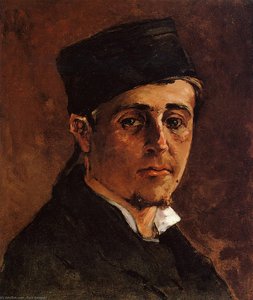
Self Portrait
 Acrylic On Canvas
- WallArt
- British Impressionism
 1920
1920 74.0 x 59.0 cm
 Fitzwilliam College
Philip Wilson Steer's "The President Woodrow Wilson House" captures a contemplative man in a suit, showcasing his signature Impressionistic style and masterful use of light & shadow. Explore this evocative portrait.
 Czytaj więcej
Philip Wilson Steer (1860-1942) – wybitny brytyjski impresjonista znany z malowniczych krajobrazów i portretów. Jego prace, inspirowane Manetem i Turnerem, znajdują się w Tate i Uffizi. Odkryj jego unikalną stylizację!
Ręcznie malowana reprodukcja olejowa
Ręcznie malowany obraz olejny na płótnie, wykonany na zamówienie przez naszych artystów w wybranym przez Ciebie wymiarze i oprawie. ( Przełącz na wersję drukowaną Przełącz na wersję cyfrową)




P118B zł10

P118H zł10

P118W zł10

P438Z zł10

P508JH zł12

P508YH zł12

P805H zł10

P805Z zł10

P919BZ zł10

P919G zł10

P919XJ zł10

P959ZH zł10

P968JZ zł12

W106C zł8

W218G zł10

W218JH zł8

W218Y zł10

W307PJ zł10

W316G zł10

W316PJ zł8

W316Y zł10

W398PJ zł8

W4111J zł10

W500HY zł15

W500JH zł15

W692G zł12

W849H zł8

W940BG zł15

W953PJ zł8




Standardowy
na zamówienie
CM
INCH
Wybierz spośród naszych standardowych rozmiarów, które zachowują oryginalne proporcje dzieła sztuki.
Loading sizes...

szerokość
wysokość
Wpisz wymaganą szerokość i wysokość, aby obraz pasował do Twojej ramy lub ściany. Ponieważ jest to dzieło malowane ręcznie, w przypadku rozmiaru o innym proporcji artysta może domalować nieco więcej wokół obrazu lub przyciąć fragmenty — wybór należy do Ciebie. Przed rozpoczęciem pracy prześlemy Ci cyfrową wizualizację do zatwierdzenia. Obraz widoczny na tej stronie nie przedstawia rzeczywistego efektu — jedynie wizualizacja oddaje realny rezultat.
Przykłady możliwych zmian: Zamień twarz na zdjęcie klienta; Dodaj zwierzę domowe (np. zamień kota na psa); Ukryj wiadomość w tle; Zmień krajobraz lub elementy tła.
Po złożeniu zamówienia zespół TopImpressionists.com skontaktuje się z klientem drogą mailową w celu uzyskania instrukcji i prześle wizualizację projektu
Po złożeniu zamówienia zespół TopImpressionists.com skontaktuje się z klientem drogą mailową w celu uzyskania instrukcji i prześle wizualizację projektu
Dostawa na całym świecie () w ciągu 3–4 tygodni zamiast standardowych 5 tygodni. (20 Październik). Bez kompromisów w kwestii jakości.

Bezpłatna ekspresowa wysyłka na cały świat

Wysokiej jakości płótno lniane

Pełne ubezpieczenie transportowe

Gwarancja zwrotu należności celnych i podatków importowych

Gwarancja idealnego odwzorowania barw

100-dniowy okres na zwrot dzieła w przypadku wykrycia wad produkcyjnych

Gwarancja 100% zwrotu pieniędzy

Oferta przy zakupie wielu sztuk
 Opcja ze szkłem jest dostępna wyłącznie w rozmiarach poniżej 110 cm

Self Portrait
Technika wykonania
Rozmiar reprodukcji
-


Suma do zapłaty
zł 1020
A Portrait of Quiet Intensity: Philip Wilson Steer’s “The President Woodrow Wilson House”
Philip Wilson Steer's "The President Woodrow Wilson House," painted in 1920, isn’t merely a depiction of a building; it’s a carefully constructed tableau brimming with subtle symbolism and imbued with the melancholic beauty characteristic of the artist. This oil-on-canvas work, measuring 74 x 59 cm, transports us to a moment suspended between formality and introspection – a visual poem reflecting on leadership, memory, and the quiet dignity of American history. Steer, a pivotal figure in British Impressionism, masterfully employs a muted palette dominated by greys, blues, and browns, creating an atmosphere of subdued light and contemplative stillness. The composition itself is deliberately restrained, focusing intently on the imposing façade of the Wilson House in Washington D.C., rendered with a remarkable sensitivity to texture and light.
The Impressionist’s Lens: Technique and Style
Steer's approach aligns closely with the tenets of Impressionism, yet he transcends simple replication. He doesn’t strive for photographic accuracy but rather captures an *impression* – a fleeting moment imbued with feeling. Notice how he utilizes broken brushstrokes to suggest the play of light on the stone walls and the subtle shifts in shadow. The artist's layering technique is particularly evident in the rendering of the building’s surface, where individual strokes coalesce to create a sense of depth and volume. Steer was deeply influenced by John Constable and J.M.W. Turner, artists known for their atmospheric landscapes and masterful use of light and color. This influence is palpable in Steer's ability to evoke a specific mood through his manipulation of tone and texture – a feeling of quiet contemplation and perhaps even a touch of wistful nostalgia.
Symbolism Within the Frame: Leadership and Reflection
The choice of subject matter—the Wilson House—is rich in symbolic potential. Woodrow Wilson, the 28th President of the United States, was a complex figure – lauded for his leadership during World War I but also criticized for his handling of racial issues at home. Steer’s painting doesn't offer a straightforward portrait of Wilson himself, instead focusing on the building that housed him and, by extension, representing the weight of responsibility and the enduring legacy of power. The muted colors and the solitary nature of the scene suggest a reflection on leadership itself – its burdens, its triumphs, and its inevitable passage of time. The composition’s stillness invites viewers to contemplate the unseen narratives contained within those walls.
A Legacy of Light: Steer's Influence and Artistic Context
Philip Wilson Steer was a significant figure in British art, bridging the gap between Impressionism and a more traditional English style. His work gained recognition during his time as a painting tutor at the Slade School of Fine Art, where he profoundly influenced generations of young artists. His exploration of coastal scenes, particularly those along the Suffolk coast, cemented his reputation for capturing the ethereal beauty of the British landscape. “The President Woodrow Wilson House” stands as a testament to Steer’s ability to imbue seemingly simple subjects with profound emotional resonance. It's a poignant reminder that even in grand architectural settings, moments of quiet contemplation and subtle symbolism can hold immense artistic value. Reproductions of this piece offer a captivating glimpse into the artist’s world and invite viewers to engage with the complexities of American history through the lens of Impressionist artistry.
Pytania i odpowiedzi
Czy dostępna jest prezentacja multimedialna dla „Self Portrait” autorstwa Filip Wilson Steer?
Dostępna jest prezentacja zdjęć: strona Pokaz slajdów dzieła „Self Portrait” autorstwa Filip Wilson Steer.
Czy „Self Portrait” autorstwa Filip Wilson Steer to jasne czy ciemne dzieło?
Ogólnie rzecz biorąc, "Self Portrait" charakteryzuje się poziomem deep_shadow. Postrzegana jasność opisuje, jak jasne lub ciemne wydaje się dzieło.
Jak intensywne są kolory w „Self Portrait” autorstwa Filip Wilson Steer?
„Self Portrait” autorstwa Filip Wilson Steer charakteryzuje się Monochromatic intensywnością kolorów.
Podobne dzieła


Biografia artysty
Początki i Formowanie się Artysty
Philip Wilson Steer, urodzony w Birkenhead w 1860 roku, wyrastał w rodzinie głęboko zakorzenionej w świecie sztuki – jego ojciec był zarówno portrecistą, jak i oddanym nauczycielem malarstwa. To wczesne otoczenie okazało się niezwykle kształtujące, rozwijając wrażliwość, która miała zdefiniować jego życiową ścieżkę. Przeprowadzka do Whitchurch koło Monmouth, gdy miał zaledwie trzy lata, wzbudziła w nim więź z brytyjską wsią, która rezonowała przez całą jego twórczość. Formalną edukację rozpoczął w Hereford Cathedral School, zdobywając solidne podstawy przed pełnym poświęceniem się artystycznym ambicjom. Steer kontynuował naukę w Gloucester School of Art i South Kensington Drawing Schools, ale to pobyt w Paryżu w latach 1880-1884 okazał się prawdziwie przełomowy. Studiując w Académie Julian, a później pod kierunkiem Alexandre Cabanela w École des Beaux Arts, zetknął się ze światem pełnym nowych idei i podejść do malarstwa.Wpływy Impresjonizmu i Kształtowanie Się Indywidualnego Stylu
Paryż stał się tyglem dla rozwoju artystycznego Steera. Był głęboko poruszony dziełami Édouarda Maneta i Jamesa McNeilla Whistlera, przyswajając ich innowacyjne techniki w uchwyceniu światła, koloru i atmosfery. To doświadczenie rozpaliło w nim pasję do impresjonizmu, jednak nigdy go nie naśladował ślepo. Steer zręcznie łączył te francuskie wpływy ze swoimi wrodzonymi angielskimi wrażliwościami, tworząc styl wyjątkowy i rozpoznawalny. Jego obrazy charakteryzują się niezwykłą umiejętnością uchwycenia ulotnych momentów – gry światła na wodzie, efemerycznego charakteru powietrza morskiego. Posługiwał się luźnymi pociągnięciami pędzla i żywymi kolorami nie tylko po to, by przedstawić sceny, ale także by wywołać emocje i stworzyć wciągające poczucie bezpośredniości. Powtarzającymi się motywami w jego twórczości są sceny plażowe i morskie krajobrazy, często skąpane w srebrzystym, prześwitującym świetle, demonstrując mistrzostwo w oddawaniu świeżości i blasku tych środowisk. Wczesne prace, takie jak The Music Room, ukazują jego rozwijający się talent w zakresie kompozycji i światła, podczas gdy obrazy takie jak Girls Running: Walberswick Pier emanują energią i żywiołowością nadmorskiego miasteczka Suffolk.Rola w Brytyjskiej Sztuce Nowoczesnej i Inspiracje z Étaples
Steer nie ograniczał się jedynie do malowania; aktywnie kształtował krajobraz artystyczny Wielkiej Brytanii. Odegrał kluczową rolę w założeniu New English Art Club, organizacji dedykowanej promowaniu nowoczesnej ekspresji artystycznej – odważny krok w czasach, gdy tradycyjny gust nadal dominował. Poprzez tę platformę i regularne wystawy w Royal Academy, w tym udział w przełomowej London Impressionist Exhibition w 1889 roku, pomógł wprowadzić nowe idee i podważyć konwencjonalne normy. Czas spędzony w kolonii artystycznej Étaples w 1887 roku jeszcze bardziej udoskonalił jego wizję artystyczną. Ta tętniąca życiem społeczność artystów stworzyła stymulujące środowisko do eksperymentowania i współpracy, umacniając jego zdolność do uchwycenia światła i atmosfery z coraz większą subtelnością i umiejętnością. Steer czerpał inspirację od różnorodnych mistrzów – Johna Constablea, J.M.W. Turnera, a nawet François Bouchera – ale zawsze filtrował te wpływy przez własną unikalną perspektywę.Dziedzictwo i Znaczenie Historyczne
Philip Wilson Steer niestrudzenie malował aż do problemów zdrowotnych, które zmusiły go do zaprzestania w 1940 roku, zmarł dwa lata później w wieku 81 lat. Jego wkład był powszechnie uznawany za jego życia, czego kulminacją było nadanie mu Orderu Zasługi. Dziś jego dzieła znajdują się w prestiżowych kolekcjach na całym świecie, w tym w Tate Gallery, a nawet we Galleria degli Uffizi – świadectwo jego międzynarodowego uznania. Poza samymi obrazami Steera, jego dziedzictwo rozciąga się poprzez długoletnią pracę jako nauczyciel malarstwa w Slade School of Art. Przez wiele lat wywarł głęboki wpływ na pokolenia młodych artystów, przekazując im nie tylko umiejętności techniczne, ale także głębokie uznanie dla obserwacji i uczciwości artystycznej. Jego wkład w rozwój i akceptację impresjonizmu w Wielkiej Brytanii jest niezaprzeczalny, umacniając jego pozycję jako wybitną postać w brytyjskiej historii sztuki – malarza, który z powodzeniem połączył tradycję z nowoczesnością, pozostawiając trwały ślad na krajobrazie brytyjskiej sztuki. Znane dzieła takie jak Convalescent, o bogatej fakturze i sugestywnym spojrzeniu, oraz The Teme at Ludlow, podkreślające spokojne piękno i mistrzowskie pociągnięcia pędzla, nadal zachwycają widzów dziś, demonstrując ponadczasową jakość jego wizji artystycznej.
Filip Wilson Steer
1860 - 1942 , Wielka Brytania
Najważniejsze informacje
- Artyści Wpływający:
- Manet
- Whistler
- Constable
- Data Urodzenia: 28 grudnia 1860
- Data Śmierci: 18 marca 1942
- Miejsce Urodzenia: Birkenhead, Wielka Brytania
- Narodowość: Brytyjska
- Pełne Imię I Nazwisko: Philip Wilson Steer
- Styl Artystyczny: Impresjonizm
- Wpływ Na Artystów: ['Brytyjski Impresjonizm']
- Znane Dzieła:
- The Music Room
- Girls Running
Zobacz także powiązane artykuły

Beyond the Light: Discovering the Soul and Emotional Depth of Post-Impressionism
Embark on a cultural journey through Post-Impressionism. Discover the profound emotional depth of masters like Van Gogh and Cézanne, exploring how they moved beyond light to capture the very soul of human experience through vibrant color and symbolic form.

Capturing the Light: A Journey Through the Ethereal Magic of Impressionism and Post-Impressionism
Embark on a cultural journey through the luminous world of Impressionism. Discover the profound beauty of Monet, Van Gogh, and Cézanne through expert art history insights and explore how to bring these timeless masterpieces into your home with museum-quality hand-painted reproductions.
Odkryj dzieła sztuki uporządkowane według tematów, stylów i cech charakterystycznych.
