


 Zobacz w skali 1:1
 Wyślij
 Udostępnij
 Szczegóły
 Przewodnik

 Pobierz plik obrazu
 Podobne obiekty
 RTG
RTG Pokaz slajdów
 Statystyki
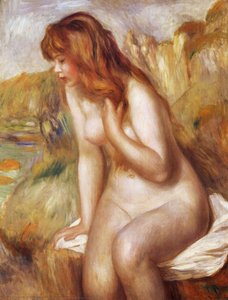
Leaving the Bath


Experience the serene tranquility of Pierre-Auguste Renoir's Impressionist masterpiece Leaving the Bath, a beautiful 1890 depiction of grace and light that invites you to bring timeless elegance into your own collection.
 Czytaj więcej
Key Works and Themes</h2>
<p>Renoir's oeuvre is a celebration of life’s simple pleasures – intimate gatherings
Giclée / Wydruk artystyczny
Wydruki giclée lub płótna o jakości muzealnej, szybka realizacja i szeroki wybór opcji wykończenia. ( Kup ręcznie malowany obraz Przełącz na wersję cyfrową)




P118B zł10

P118H zł10

P118W zł10

P438Z zł10

P508JH zł12

P508YH zł12

P805H zł10

P805Z zł10

P919BZ zł10

P919G zł10

P919XJ zł10

P959ZH zł10

P968JZ zł12

W106C zł8

W218G zł10

W218JH zł8

W218Y zł10

W307PJ zł10

W316G zł10

W316PJ zł8

W316Y zł10

W398PJ zł8

W4111J zł10

W500HY zł15

W500JH zł15

W692G zł12

W849H zł8

W940BG zł15

W953PJ zł8




Standardowy
na zamówienie
CM
INCH
Wybierz spośród naszych standardowych rozmiarów, które zachowują oryginalne proporcje dzieła sztuki.
Loading sizes...

szerokość
wysokość
Wpisz wymaganą szerokość i wysokość, aby dopasować grafikę do ramy lub ściany. Wydruk można jedynie przyciąć, nigdy nie powiększając go poza oryginalny obraz, dlatego format o innym proporcji spowoduje utratę części kompozycji. Przed rozpoczęciem druku prześlemy Ci cyfrowy podgląd do zatwierdzenia. Obraz wyświetlany na tej stronie nie pokazuje rzeczywistego przycięcia — jedynie podgląd oddaje ten efekt.
Dostawa na cały świat () w ciągu 2 tygodni zamiast standardowych 4/5 tygodni. (23 Październik)

Bezpłatna ekspresowa wysyłka na cały świat

Wysokiej jakości płótno lniane

Pełne ubezpieczenie transportowe

Gwarancja zwrotu należności celnych i podatków importowych

Gwarancja idealnego odwzorowania barw

100-dniowy okres na zwrot dzieła w przypadku wykrycia wad produkcyjnych

Gwarancja 100% zwrotu pieniędzy

Oferta przy zakupie wielu sztuk
 Opcja ze szkłem jest dostępna wyłącznie w rozmiarach poniżej 110 cm

Leaving the Bath
Giclée / Wydruk artystyczny
Rozmiar reprodukcji
-


Suma do zapłaty
zł 265
A Serene Encounter with Impressionism
In the soft, dappled light of 1890, Pierre-Auguste Renoir captured a moment that transcends time in his masterpiece, Leaving the Bath. This exquisite work serves as a window into the idyllic Parisian summers, inviting the viewer to step away from the chaos of modern life and into a realm of profound tranquility. The painting centers on a solitary female figure, seated with a grace that feels both intimate and monumental. Draped in a delicate sheet, her posture suggests a quiet moment of reflection following a refreshing dip in the water. Renoir does not merely depict a person; he captures an atmosphere of leisure and peace, where the gentle presence of a potted plant and a subtle floral vase enhance the organic beauty of the scene. The background, a shimmering expanse of water—perhaps a tranquil lake or a slow-moving river—acts as a mirror to the soul, grounding the composition in a sense of eternal stillness.
To gaze upon this work is to experience the very essence of the Impressionist movement. Renoir, a master of light, eschews the rigid, clinical lines of academic tradition in favor of loose, broken brushstrokes that dance across the canvas. This technique allows color to vibrate and light to flicker, mimicking the way the human eye perceives a fleeting moment before it vanishes. There is no heavy-handedness here; instead, there is a luminous quality where thin layers of paint allow the underlying tones to breathe, imbuing the subject's skin with an unparalleled, pearlescent glow. For the collector or interior designer, this technique offers a sensory richness that breathes life into any space, providing a focal point that feels dynamic and alive rather than static.
Historical Resonance and Emotional Depth
The historical significance of Leaving the Bath lies in its quiet rebellion against the formal constraints of the 19th-century Salon. During an era when art was often judged by its adherence to strict realism and historical grandeur, Renoir and his contemporaries sought to redefine beauty through subjective experience and emotional truth. This painting embodies that shift, prioritizing the sensation of warmth, the softness of fabric, and the rhythmic movement of nature over meticulous anatomical precision. It is a celebration of the ephemeral—the way sunlight hits a ripple in the water or the way a shadow falls across a draped limb.
Beyond its technical brilliance, the painting carries a deep emotional resonance that makes it an enduring choice for high-quality reproductions. It evokes feelings of nostalgia, comfort, and a gentle sort of melancholy that is deeply restorative. For those looking to curate an environment of sophistication and calm, this piece offers more than mere decoration; it provides an emotional anchor. Whether placed in a sunlit morning room or a quiet study, the painting’s harmonious palette and soothing subject matter serve as a constant reminder of the beauty found in life's simplest, most quiet intervals.
Pytania i odpowiedzi
Jak mogę odkryć dzieła zbliżone do „Leaving the Bath” autorstwa Pierre-Auguste Renoir?
Dzieła podobne do „Leaving the Bath” znajdują się na stronie Podobne dzieła danego dzieła.
Z której epoki pochodzi "Leaving the Bath"?
Okres historyczny dzieła „Leaving the Bath” autorstwa Pierre-Auguste Renoir to 19th Century. Ta klasyfikacja pozwala umiejscowić pracę w historii sztuki.
Jakie miejsce w historii sztuki zajmuje „Leaving the Bath” autorstwa Pierre-Auguste Renoir?
Pod względem historycznym „Leaving the Bath” to dzieło z nurtu Impressionism, powstałe w szerszej epoce 19th Century.
Podobne dzieła




Biografia artysty
Początki i Formowanie się Wizji Artystycznej
Pierre-Auguste Renoir, urodzony w 1841 roku w Limoges we Francji, był postacią niezwykłą – od skromnych początków jako malarz porcelany do uznania go za jednego z czołowych mistrzów impresjonizmu. Jego życie to opowieść o niezachwianym oddaniu sztuce i głębokiej wrażliwości na piękno otaczającego świata. Wczesne lata Renoir’a naznaczone były przeprowadzką do Paryża wraz z rodziną, w poszukiwaniu lepszych możliwości ekonomicznych. To właśnie tętniące życiem miasto stało się źródłem inspiracji dla jego późniejszych dzieł. Początkowo uczył się malować na porcelanie – konieczność wynikająca z trudnej sytuacji finansowej rodziny – jednak młody Renoir znajdował ukojenie w częstych wizytach w Luwrze, gdzie studiował arcydzieła dawnych mistrzów, chłonąc ich techniki i rozwijając swój własny gust. Te pierwsze doświadczenia rozpaliły w nim pasję, która wykraczała poza rzemiosło; była to misja uchwycenia ulotnej piękności światła i życia na płótnie. Później zapisał się do pracowni Charles’a Gleyre’a, gdzie nawiązał przyjaźnie z innymi aspirującymi artystami – Claude’em Monetem, Alfredem Sisleyem i Frédéric Bazillem – co okazało się kluczowym momentem w kształtowaniu impresjonizmu.Od Realizmu do Promiennych Wrażeń
Rozwój artystyczny Renoir’a był fascynującą ewolucją, pod wpływem różnorodnych inspiracji. Początkowo skłaniał się ku realizmowi Gustave’a Courbeta i Édouarda Maneta, ceniąc ich za szczerość i bezpośredniość w przedstawianiu współczesnego życia. Jednak to barwne palety i zmysłowe formy Petera Paula Rubensa i Jeana-Antoine’a Watteau naprawdę go urzekły, wpajając mu głębokie poczucie piękna i skłonność do portretowania scen radości i beztroski. Te wczesne wpływy połączyły się, gdy Renoir zaczął kształtować swój własny unikalny styl, charakteryzujący się żywymi kolorami, rozbitymi pociągnięciami pędzla i koncentracją na uchwyceniu ulotnych efektów światła. Jego udział w pierwszej wystawie impresjonistycznej w 1874 roku był przełomowym momentem, choć początkowo spotkał się z krytyką ze strony tradycyjnych kręgów artystycznych. Ten śmiały krok oznaczał odrzucenie akademickich konwencji i przyjęcie nowej wizji artystycznej – takiej, która starała się uchwycić nie tylko to, co widzi oko, ale także to, jak *czuje* się doświadczenie danej chwili. Obrazy takie jak Bal w Moulin de la Galette (1876) są tego doskonałym przykładem, zanurzając widzów w tętniącej atmosferze paryskiego nocnego życia z jego rozproszonym światłem słonecznym i radosnymi postaciami.Uchwycenie Ulotnych Momentów Życia: Kluczowe Dzieła i Motywy
Twórczość Renoir’a to celebracja prostych przyjemności życia – intymnych spotkań, skąpanych w słońcu krajobrazów i promiennej urody ludzkiego ciała. Luncheon of the Boating Party (1880-81) jest być może jednym z jego najbardziej ikonicznych dzieł, przedstawiającym wesołą grupę cieszącą się leniwym popołudniem na Sekwanie. Obraz to mistrzowski przykład uchwycenia światła i ruchu, z postaciami skąpanymi w ciepłym słońcu i odbiciami mieniącymi się w wodzie. After the Bath (1885-87) prezentuje wybitny kunszt Renoir’a w portretowaniu kobiecego aktu, podkreślając delikatny odcień skóry i pełne gracji pozy. Jego obrazy nie są jedynie reprezentacjami rzeczywistości; są nasycone ciepłem, intymnością i radością, które głęboko rezonują z odbiorcami. Nie interesowały go wielkie narracje historyczne ani dramatyczne alegorie; zamiast tego skupiał się na uchwyceniu piękna inherentnego w codziennym życiu, podnosząc zwykłe chwile do rangi dzieł sztuki. Dance at Bougival, kolejne znane dzieło, demonstruje jego zdolność do uchwycenia ulotnych wrażeń i efektów atmosferycznych, tworząc poczucie ruchu i spontaniczności.Przesunięcie w Kierunku Formy i Struktury: Późniejsze Lata i Dziedzictwo
W latach 90. XIX wieku styl Renoir’a przeszedł znaczącą transformację. Choć nigdy całkowicie nie porzucił impresjonistycznych korzeni, zaczął skłaniać się ku bardziej rzeźbiarskiemu i klasycznemu podejściu, pod wpływem podróży do Włoch i ponownego zainteresowania formą i strukturą. Ta zmiana była częściowo spowodowana ograniczeniami fizycznymi – artretyzm stopniowo ograniczał jego mobilność, zmuszając go do dostosowania techniki. Pomimo tych wyzwań Renoir kontynuował malowanie z niezachwianym oddaniem, tworząc dzieła charakteryzujące się pełniejszymi postaciami i cieplejszą paletą barw. Jego późniejsze obrazy często odzwierciedlają bardziej kontemplacyjny nastrój, zachowując jednak ten sam podstawowy element celebracji piękna, który definiował jego wcześniejsze prace. Poza osiągnięciami artystycznymi, dziedzictwo Renoir’a rozciąga się na jego rodzinę; jego syn, Jean Renoir, został znanym filmowcem, przekazując twórczy duch przez pokolenia. Pierre-Auguste Renoir zmarł w 1919 roku, pozostawiając po sobie trwałe dzieło, które nadal inspiruje i zachwyca odbiorców na całym świecie. Pozostaje jedną z najbardziej ukochanych postaci w historii sztuki, cenioną za zdolność do uchwycenia radości życia i piękna ludzkiego doświadczenia z niezrównaną wrażliwością i gracją.Trwały Wpływ
- Wpływ Renoir’a na kolejne pokolenia artystów jest niepodważalny. Jego nacisk na światło, kolor i uchwycenie ulotnych momentów utorował drogę wielu nowoczesnym ruchom artystycznym.
- Jego celebracja piękna i zmysłowości nadal rezonuje z odbiorcami dzisiaj, czyniąc jego twórczość powszechnie lubianą.
- Odegrał kluczową rolę w ustanowieniu impresjonizmu jako głównej siły w historii sztuki, kwestionując tradycyjne konwencje i otwierając nowe możliwości ekspresji artystycznej.
- Trwała popularność jego obrazów – odtwarzanych na niezliczonych plakatach, kalendarzach i innych produktach – świadczy o ponadczasowej jakości jego twórczości.

Pierre-Auguste Renoir
1841 - 1919 , Francja
Najważniejsze informacje
- Artyści, Którzy Wpłynęli Na Niego:
- Rubens
- Watteau
- Courbet
- Manet
- Data Urodzenia: 25 lutego 1841
- Data Śmierci: 3 grudnia 1919
- Miejsce Urodzenia: Limoges, Francja
- Narodowość: Francuz
- Pełne Imię I Nazwisko: Pierre-Auguste Renoir
- Ruch Artystyczny: Impresjonizm
- Ruchy/Artyści Zainspirowani Nim: ['Impresjonizm']
- Znane Dzieła:
- Bal w Moulin de la Galette
- Luncheon of the Boating Party
Zobacz także powiązane artykuły

Dining Room Elegance: Transforming Your Space with Impressionist Masterpieces
Elevate your dining room with the luminous beauty of Impressionist masterpieces. Discover how hand-painted Claude Monet and Renoir reproductions can transform your space into a sanctuary of light, color, and timeless elegance for your home.

The Magic of Lithography: Capturing Light and Texture in Every Impressionist Print
Discover the enchanting world of lithography through an Impressionist lens. Explore how this timeless technique captures the luminous light and delicate textures of masters like Monet and Renoir, offering a profound way to bring art history into your home with elegance and soul.

Soft Light & Velvet Touch: The Ethereal Magic of Pastel Artistry in Impressionist Masterpieces
Discover the ethereal beauty of pastel art through an Impressionist lens. Explore how masters like Monet and Renoir captured light and velvet textures, and learn to curate a collection of luminous, museum-quality masterpieces for your home.
The Soft Magic of Chalk: Capturing Light, Texture, and the Ethereal Soul of Impressionist Masterpieces
Discover the ethereal beauty of pastel and chalk art. Explore how Impressionist masters like Van Gogh and Degas captured light and texture to create timeless, soulful masterpieces for the discerning collector.
Odkryj dzieła sztuki uporządkowane według tematów, stylów i cech charakterystycznych.


