

Shown: · With its frame:
 Podgląd w skali 1:1
 Wyślij jako kartkę
 Udostępnij
 Szczegóły dzieła
 Przewodnik

 Pobierz obraz
 Podobne obiekty
 RTG
RTG Pokaz slajdów
 Q&A
Q&A Statystyki
- 55.0 x 35.0 cm


zł 1046
Ręcznie malowana reprodukcja olejowa
Ręcznie malowany obraz olejny na płótnie, wykonany na zamówienie przez naszych artystów w wybranym przez Ciebie wymiarze i oprawie. ( Przełącz na wydania drukowane Przejdź do wersji cyfrowej)
Size
·Standardowy format
personalizowane
CM
INCH
Wybierz spośród naszych standardowych rozmiarów, które zachowują oryginalne proporcje dzieła sztuki.
Loading sizes...

szerokość
wysokość
Wpisz wymaganą szerokość i wysokość, aby obraz pasował do Twojej ramy lub ściany. Ponieważ jest to dzieło malowane ręcznie, w przypadku rozmiaru o innych proporcjach artysta może domalować nieco więcej wokół obrazu lub przyciąć jego fragmenty — wybór należy do Ciebie. Przed rozpoczęciem pracy prześlemy Ci cyfrową wizualizację do zatwierdzenia. Obraz widoczny na tej stronie nie przedstawia rzeczywistego efektu — jedynie wizualizacja oddaje realny rezultat.
 Dowiedz się więcej
Finish
·
White zł1

Blurside zł1

Extended zł1

P118B zł10

P118H zł10

P118W zł10

P438Z zł10

P508JH zł12

P508YH zł12

P805H zł10

P805Z zł10

P919BZ zł10

P919G zł10

P919XJ zł10

P959ZH zł10

P968JZ zł12

W106C zł8

W218G zł10

W218JH zł8

W218Y zł10

W307PJ zł10

W316G zł10

W316PJ zł8

W316Y zł10

W398PJ zł8

W4111J zł10

W500HY zł15

W500JH zł15

W692G zł12

W849H zł8

W940BG zł15

W953PJ zł8

H24-GOLD zł30

H24-SILVER zł30

H36-GOLD zł45

H36-SILVER zł45
Shipped in a protective tube, ready for your own framer.
Above 105 cm the frame is shipped as a kit for a professional framer — read the details.
Extras
optionalWhat do the extras include?
Examples of what can be changed: Replace face with customer photo; Add pet (e.g., replace cat with dog); Include hidden message in background; Change background landscape or elements.
After order, TopImpressionists.com team will email client for instructions and provide a mockup preview
After order, TopImpressionists.com team will email client for instructions and provide a mockup preview
Dostawa na całym świecie () w ciągu 3–4 tygodni zamiast standardowych 5 tygodni. (31 Październik). Bez kompromisów w kwestii jakości.
Lakier ochronny
Etykieta obiektu
Szczegóły grawerowanej brązowej tabliczki
This elegant plaque features the artist's name and the title of the artwork, finely engraved for a timeless presentation.
It is made from bronze with a refined, elegant finish. The text is precisely laser-engraved for a sharp and permanent result. Measuring 9x2 cm, the plaque is compact yet easy to read. It's built to be durable and scratch-resistant, offering a professional, museum-quality look. Mounting is simple thanks to the included adhesive backing.
Szczegóły przezroczystej tabliczki akrylowej
The plaque includes essential engraved details such as the artist's name, the title of the artwork, the date it was created, the type of media used-like oil on canvas or watercolor-a brief description of the piece, and a QR code that links to the complete artwork information.
It is crafted from clear acrylic, offering a sleek, modern appearance. The text is UV-engraved in black to ensure strong visual contrast. With a size of 10x15 cm, it ensures optimal readability. It comes equipped with two metal hooks for secure wall mounting. The plaque is designed to be weather-resistant, making it suitable for various environments, and it includes interactive features that work seamlessly with smartphone scanning.
Szczegóły czarnej tabliczki akrylowej
This elegant plaque includes engraved information such as the artist's name, the title of the artwork, the date it was created, the type of media used (like oil on canvas or watercolor), a short description of the artwork, and a QR code for quick access to more information.
The plaque itself is made from refined black acrylic with a premium finish. The text is laser-engraved in white for high contrast and readability. Its size is 10x15 cm, designed to be easy to read. It comes with two metal hooks for professional mounting. The design is sleek and fits any interior style. It is also weather-resistant and durable, with built-in digital integration for mobile compatibility.
Opcja ze szkłem jest dostępna wyłącznie w rozmiarach poniżej 110 cm
 Opcja ze szkłem jest dostępna wyłącznie w rozmiarach poniżej 110 cm
- Bezpłatna ekspresowa wysyłka na cały świat
- Wysokiej jakości płótno lniane
- Pełne ubezpieczenie przesyłki
- Gwarancja zwrotu należności celnych i podatków importowych
- Gwarancja wiernego odwzorowania kolorów
- 100-dniowa polityka zwrotów (tylko w przypadku wad)
- Gwarancja 100% zwrotu pieniędzy
- Zniżka przy zakupie wielu sztuk


Opis obiektu
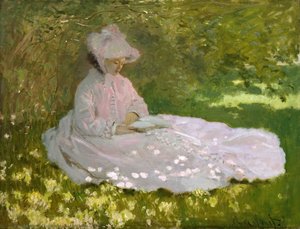
Ramon Casas’s ‘White Lady,’ a captivating portrait from 1891, showcases the artist's Modernist style with a serene woman in a pink and white dress. Discover this beautiful Spanish painting and bring its elegance into your home.
Biografia artysty
Ramon Casas i Carbó (1866-1932) – kataloński malarz Modernizmu. Słynny z portretów, scen rodzajowych i dynamicznych obrazów życia w Barcelonie. Połączenie realizmu i impresjonizmu. Ważna postać hiszpańskiej sztuki.
About the painting
Ramon Casas i Carbó’s ‘White Lady’: A Portrait of Catalan Modernisme
Ramon Casas i Carbó's “White Lady,” painted in 1891, is more than just a portrait; it’s a delicately rendered window into the heart of Catalan Modernisme. This intimate scene captures a woman seated on a bench, an embodiment of quiet contemplation and understated elegance – a hallmark of Casas’s artistic vision. The painting immediately draws the eye to the subject's serene expression and the soft palette dominated by whites, pinks, and subtle greens, colors that evoke both fragility and resilience, reflecting the spirit of the era.
- Subject & Composition: The central figure, a woman in a flowing white dress with a blush-toned skirt, occupies the foreground with a sense of quiet dignity. Her hands folded demurely in her lap contribute to an atmosphere of stillness and introspection. The inclusion of a nearby chair subtly suggests a moment of respite, inviting the viewer into her private world.
- Technique & Style: Casas masterfully employs Impressionistic techniques, evident in his loose brushstrokes and emphasis on capturing fleeting moments of light and shadow. This approach is particularly noticeable in the rendering of the fabrics – the delicate folds of the dress and the subtle textures of the green plants – adding a remarkable level of realism to the scene.
A Window into Barcelona’s Modernista World
Painted during a pivotal moment in Catalan art history, “White Lady” reflects the burgeoning Modernisme movement that was transforming Barcelona. This period witnessed a rejection of traditional academic styles and an embrace of new influences – notably Impressionism and Japonisme – alongside a fervent desire to express Catalan identity through artistic expression. Casas, as a key figure within this movement, skillfully blended these diverse elements, creating a style uniquely his own.
- Historical Context: 1891 Barcelona was undergoing rapid industrialization and urbanization, yet simultaneously, there was a strong cultural revival focused on Catalan heritage. Casas’s work often depicted scenes of daily life in the city, capturing both its dynamism and its underlying traditions.
- The Artist's Influence: Casas’s connections within the artistic circles of Barcelona – including his friendships with figures like Santiago Rusiñol – further cemented his position as a leading voice of Modernisme.
Symbolism & Emotional Resonance
While seemingly simple in its composition, “White Lady” is rich in symbolic potential. The color white itself often represents purity and innocence, while the woman’s posture suggests vulnerability and contemplation. The green plants introduce a natural element, symbolizing life, growth, and perhaps even hope. The overall effect is one of quiet beauty and emotional depth – inviting viewers to ponder themes of solitude, reflection, and the transient nature of existence.
- Color Palette: The restrained color palette contributes significantly to the painting’s mood, creating a sense of calm and serenity.
- Light & Shadow: Casas's skillful use of light and shadow adds depth and dimension to the portrait, enhancing its realism and emotional impact.
A Timeless Masterpiece – A Perfect Reproduction
This hand-painted reproduction captures every nuance of Casas’s original masterpiece, offering a stunning addition to any art collection or interior space. The meticulous attention to detail, combined with the artist's signature Impressionistic style, ensures that this artwork will continue to captivate and inspire for generations to come. Whether you are an admirer of Modernisme, a collector seeking exceptional pieces, or an interior designer looking to create a sophisticated atmosphere, “White Lady” is a truly timeless investment.
Pytania i odpowiedzi
Czy istnieją dzieła podobne do „White Lady”?
Dzieła podobne do „White Lady” można znaleźć na stronie Podobne dzieła danego dzieła.
Na którym etapie kariery Ramón Casas znajduje się dzieło „White Lady”, biorąc pod uwagę jego datę powstania?
"White Lady", powstałe w 1891, należy do Modernisme Period w twórczości Ramón Casas.
Co przedstawia "White Lady" i jaką ma atmosferę?
"White Lady" przedstawia portrait woman, catalan scene, white dress, bench seating, pink skirt, green plants, ramon casas, a jego nastrojowy charakter można określić jako Ethereal.
Quick facts and art quiz
About Ramón Casas

Ramón Casas
1866 - 1932, Hiszpania
Biografia artysty
Początki i Formacja Artystyczna Ramona Casasa i Carbó
Ramon Casas i Carbó (4 stycznia 1866 – 5 lutego 1932) był wybitnym hiszpańskim malarzem i dekoratorem, kluczową postacią ruchu Modernisme. Urodzony w Barcelonie, zasłynął portretami, scenami rodzajowymi oraz obrazami życia katalońskiego, łącząc elementy realizmu z impresjonizmem w unikalny styl. Casas pochodził z bogatej rodziny – jego ojciec zgromadził znaczny majątek na Kubie, a matka wywodziła się ze szlacheckiego rodu Katalonii. Już w wieku 11 lat (w 1877 roku) porzucił formalną edukację, aby studiować sztukę pod kierunkiem Joana Vicensa, rozpoczynając tym samym swoją oddaną drogę artystyczną. Jego pierwsze prace koncentrowały się na portretach i karykaturach przedstawicieli katalońskiej, hiszpańskiej i francuskiej elity. Obraz Autoportret jako tancerz flamenco (1883) zwrócił uwagę krytyków i zaprosił go do Société d'Artistes Français, otwierając mu drzwi do paryskiego świata sztuki.
Rozwój Stylu i Kluczowe Motywy Twórczości
Styl Casasa kształtowany był przez wpływy impresjonizmu – widoczne w jego operowaniu światłem i kolorem – oraz realizmu, który przejawiał się w przedstawianiu codziennego życia i portretach. Artysta silnie identyfikował się z Katalonią, co znalazło odzwierciedlenie w jego twórczości. Często ukazywał sceny z życia regionu, festiwale i portrety ważnych postaci katalońskiego społeczeństwa. W 1889 roku Casas podjął ważną współpracę z Santiago Rusiñolem, wspólnie podróżując po Katalonii i dokumentując swoje obserwacje w szkicach i obrazach. Ta współpraca pogłębiła jego zrozumienie katalońskiej tożsamości i życia wiejskiego. Członkostwo w Société d'Artistes Français umożliwiło mu wystawianie swoich prac na salonie bez konieczności przechodzenia przez proces selekcji, co zwiększyło jego widoczność i uznanie w paryskim środowisku artystycznym.
Główne Osiągnięcia i Znaczące Dzieła
Casas był ceniony za swoje wnikliwe i ekspresyjne portrety, które oddawały nie tylko fizyczne podobieństwo, ale także charakter i osobowość modeli. Przykładem jest Portret pana Domíngueza (1899), który prezentuje jego umiejętności rysunkowe ołówkiem. Jego sceny rodzajowe oferowały żywe spojrzenie na życie katalońskie, ukazując obrazy z walk korridy (Corrida de Toros), kawiarni i spotkań towarzyskich. Autoportret jako tancerz flamenco (1883) był wczesnym dziełem, które ugruntowało jego unikalny styl i pokazało zdolność do połączenia portretu z teatralną ekspresją. Casas tworzył również portrety znanych postaci, takich jak kompozytor Isaac Albéniz, poeta Jaume Massó i pisarz Albert Bernís, co umocniło jego pozycję jako poszukiwanego portrecisty.
Spuścizna i Znaczenie Historyczne
Ramon Casas i Carbó pozostawił trwały ślad w katalońskiej sztuce i ruchu Modernisme. Jego twórczość jest ceniona za żywe przedstawienie życia katalońskiego, wnikliwe portrety oraz umiejętne połączenie realizmu z impresjonizmem. Dziś jego obrazy znajdują się w prestiżowych muzeach, takich jak Muzeum Cau Ferrat (Sitges) i Museu d'Art Contemporani de Barcelona, zapewniając, że jego dziedzictwo artystyczne będzie inspirować kolejne pokolenia odbiorców.
Quick facts about Ramón Casas
- Artyści, Którzy Wpłynęli Na Niego:
- Impresjonizm
- Realizm
- Data Urodzenia: 4 stycznia 1866
- Data Śmierci: 5 lutego 1932
- Miejsce Urodzenia: Barcelona, Hiszpania
- Narodowość: Hiszpańska
- Pełne Imię I Nazwisko: Ramon Casas i Carbó
- Styl Artystyczny: Modernizm kataloński
- Znane Dzieła:
- Autoportret jako tancerz flamenco
- Corrida de Toros
- Wnętrze Moulin de la Galette
Podobne dzieła




Odkryj dzieła sztuki uporządkowane według tematów, stylów i cech charakterystycznych.



Ramón Casas
White Lady
() ·
With its frame: · Hand-painted in oil on linen
Total