


 Podgląd w skali 1:1
 Wyślij jako kartkę
 Udostępnij
 Szczegóły dzieła
 Przewodnik

 Pobierz obraz
 Podobne obiekty
 RTG
RTG Pokaz slajdów
 Statystyki
Telephone Booths


Explore Richard Estes’ ‘Telephone Booths,’ a stunning photorealistic oil painting capturing urban life in 1967. Admire the detailed reflections & nostalgic charm of this iconic work.
 Rozwiń treść
Discover Richard Estes' photorealistic paintings, capturing the essence of urban life with stunning detail and reflective surfaces. A founder of Super-Realism.
Dzieło sztuki prezentowane na tej stronie podlega ochronie prawem autorskim, co oznacza, że nie mamy prawa do tworzenia ani sprzedaży jego identycznej reprodukcji. Ochrona ta jest egzekwowana na mocy umów międzynarodowych, takich jak Konwencja berneńska oraz przez przepisy prawa krajowego, w tym te określone w Prawo autorskie USA – Tytuł 17.
Metoda ta jest w pełni zgodna z przepisami prawa autorskiego, ponieważ nie polega na kopiowaniu ani powielaniu chronionego dzieła. Stanowi ona kreatywną reinterpretację – nowy obraz, który czerpie inspirację z oryginału, ale nie jest z nim tożsamy.
Giclée / Wydruk artystyczny
Wydruki giclée lub płótna o jakości muzealnej, szybka realizacja i szeroki wybór opcji wykończenia. ( Zamów ręcznie malowaną reprodukcję Przejdź do wersji cyfrowej)




P118B zł10

P118H zł10

P118W zł10

P438Z zł10

P508JH zł12

P508YH zł12

P805H zł10

P805Z zł10

P919BZ zł10

P919G zł10

P919XJ zł10

P959ZH zł10

P968JZ zł12

W106C zł8

W218G zł10

W218JH zł8

W218Y zł10

W307PJ zł10

W316G zł10

W316PJ zł8

W316Y zł10

W398PJ zł8

W4111J zł10

W500HY zł15

W500JH zł15

W692G zł12

W849H zł8

W940BG zł15

W953PJ zł8




Standardowy format
personalizowane
CM
INCH
Wybierz spośród naszych standardowych rozmiarów, które zachowują oryginalne proporcje dzieła sztuki.
Loading sizes...

szerokość
wysokość
Wpisz wymaganą szerokość i wysokość, aby dopasować grafikę do ramy lub ściany. Wydruk można jedynie przyciąć, nigdy nie powiększając go poza oryginalny obraz, dlatego format o innych proporcjach spowoduje utratę części kompozycji. Przed rozpoczęciem druku prześlemy Ci cyfrowy podgląd do zatwierdzenia. Obraz wyświetlany na tej stronie nie pokazuje rzeczywistego przycięcia — jedynie podgląd oddaje ten efekt.
Dostawa na cały świat () w ciągu 2 tygodni zamiast standardowych 4/5 tygodni. (28 Październik)

Bezpłatna ekspresowa wysyłka na cały świat

Wysokiej jakości płótno lniane

Pełne ubezpieczenie przesyłki

Gwarancja zwrotu należności celnych i podatków importowych

Gwarancja wiernego odwzorowania kolorów

100-dniowa polityka zwrotów (tylko w przypadku wad)

Gwarancja 100% zwrotu pieniędzy

Zniżka przy zakupie wielu sztuk
 Opcja ze szkłem jest dostępna wyłącznie w rozmiarach poniżej 110 cm

Telephone Booths
Giclée / Wydruk artystyczny
Wymiary reprodukcji
-


Cena całkowita
zł 266
A Symphony of Glass and Light
In the heart of the urban sprawl, where the frantic energy of the city often dissolves into a blur of motion, Richard Estes captures a moment of profound stillness. His 1967 masterpiece, Telephone Booths, serves as much more than a mere depiction of mid-century street furniture; it is an invitation to peer through the veil of reality. At first glance, the viewer is met with a meticulously structured row of vintage booths, their metallic frames and glass panes acting as a complex stage for the play of light and shadow. Estes, a pioneer of the Photorealist movement, does not simply paint what he sees; he orchestrates an optical experience that challenges our very perception of depth and surface.
The composition is a masterclass in geometric precision. The rhythmic repetition of rectangular forms creates a structural backbone that anchors the viewer within the bustling intersection of Broadway and Sixth Avenue. Yet, this rigid geometry is softened by the ethereal quality of reflections. Through his unparalleled ability to render the transparency and reflectivity of glass, Estes allows us to witness two worlds simultaneously: the tangible presence of the booths in the foreground and the ghostly, shimmering echoes of the city's architecture mirrored upon their surfaces. It is a visual dance where the distinction between what is solid and what is reflected becomes beautifully blurred.
The Art of the Optical Illusion
To encounter Telephone Booths is to engage in a sophisticated game of trompe l’oeil. The technique employed by Estes is nothing short of breathtaking, involving a meticulous layering of oil paints that builds a rich, tactile texture. He captures the subtle sheen of polished metal and the crisp, sharp edges of street signs with such accuracy that the canvas seems to vibrate with life. This level of detail serves a deeper purpose than mere virtuosity; it creates a sense of hyper-reality that forces the eye to slow down, searching for clarity amidst the beautiful jumble of reflections.
The color palette is intentionally sophisticated, dominated by a cool spectrum of silvers, greys, and muted blues. These tones evoke the crisp atmosphere of a daylight city scene, yet they are punctuated by warmer, subtle hues found in the clothing of the figures nestled within the booths. This careful balance of temperature prevents the scene from feeling cold or detached, instead imbuing it with a sense of lived-in warmth and nostalgia. The artist’s background as a graphic designer is evident here, as every line and shape is placed with an intentionality that guides the viewer's gaze through the receding perspective of the urban landscape.
A Nostalgic Window into Urban Soul
Beyond its technical brilliance, Telephone Booths resonates with a deep emotional nostalgia. For the modern collector or interior designer, this piece offers a window into a vanished era of American life—a time when communication was anchored to physical spaces and the city offered quiet corners for private moments amidst the public roar. There is a certain dignity in the way Estes portrays these ordinary architectural elements, elevating the mundane to the level of high art.
For those seeking to bring a sense of intellectual depth and sophisticated calm to a contemporary space, this reproduction offers an unparalleled opportunity. It functions as a focal point that commands attention through its complexity while maintaining a serene, contemplative atmosphere. Whether placed in a minimalist gallery setting or a richly textured study, the painting acts as a transformative element, inviting anyone who lingers before it to rediscover the hidden beauty and intricate layers of the world around them.
Pytania i odpowiedzi
Do którego okresu twórczości Richard Estes należy dzieło "Telephone Booths"?
„Telephone Booths” pochodzi z okresu Mature Period w twórczości Richard Estes. Klasyfikacja ta wiąże dzieło z rozwojem artysty.
Kto jest autorem dzieła "Telephone Booths"?
Autorstwo dzieła "Telephone Booths" przypisuje się Richard Estes.
Jaki układ ma „Telephone Booths” – Richard Estes?
Dzieło „Telephone Booths” – Richard Estes ma format Landscape. Format ten określa proporcje kompozycji.
Powiązane artykuły
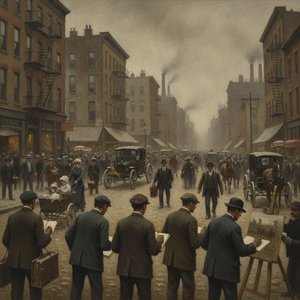
The Ashcan School: Capturing the Raw, Unfiltered Soul of Urban Life through American Realism
Discover the raw beauty of the Ashcan School. Explore how masters like Bellows and Henri captured the gritty, vibrant soul of early 20th-century New York through profound American Realism and evocative urban landscapes.