


 Podgląd w skali 1:1
 Wyślij jako kartkę
 Udostępnij
 Szczegóły dzieła
 Przewodnik

 Pobierz obraz
 Podobne obiekty
 RTG
RTG Pokaz slajdów
 Statystyki
Grass and Insects


Experience Shin Saimdang's 'Grass and Insects,' a stunning 16th-century Korean painting of nature’s beauty. Admire the intricate details & vibrant colors in this masterpiece from the National Museum of Korea.
 Rozwiń treść
Odkryj Shin Saimdang (1504-1551), pionierkę koreańskiej sztuki dynastii Joseon. Poznaj jej wyborne obrazy natury, kaligrafię i poezję – dziedzictwo piękna i mądrości.
Ręcznie malowana reprodukcja olejowa
Ręcznie malowany obraz olejny na płótnie, wykonany na zamówienie przez naszych artystów w wybranym przez Ciebie wymiarze i oprawie. ( Przełącz na wydania drukowane Przejdź do wersji cyfrowej)




P118B zł10

P118H zł10

P118W zł10

P438Z zł10

P508JH zł12

P508YH zł12

P805H zł10

P805Z zł10

P919BZ zł10

P919G zł10

P919XJ zł10

P959ZH zł10

P968JZ zł12

W106C zł8

W218G zł10

W218JH zł8

W218Y zł10

W307PJ zł10

W316G zł10

W316PJ zł8

W316Y zł10

W398PJ zł8

W4111J zł10

W500HY zł15

W500JH zł15

W692G zł12

W849H zł8

W940BG zł15

W953PJ zł8




Standardowy format
personalizowane
CM
INCH
Wybierz spośród naszych standardowych rozmiarów, które zachowują oryginalne proporcje dzieła sztuki.
Loading sizes...

szerokość
wysokość
Wpisz wymaganą szerokość i wysokość, aby obraz pasował do Twojej ramy lub ściany. Ponieważ jest to dzieło malowane ręcznie, w przypadku rozmiaru o innych proporcjach artysta może domalować nieco więcej wokół obrazu lub przyciąć jego fragmenty — wybór należy do Ciebie. Przed rozpoczęciem pracy prześlemy Ci cyfrową wizualizację do zatwierdzenia. Obraz widoczny na tej stronie nie przedstawia rzeczywistego efektu — jedynie wizualizacja oddaje realny rezultat.
Przykłady możliwych zmian: Zamień twarz na zdjęcie klienta; Dodaj zwierzę domowe (np. zamień kota na psa); Ukryj wiadomość w tle; Zmień krajobraz lub elementy tła.
Po złożeniu zamówienia zespół TopImpressionists.com skontaktuje się z klientem drogą mailową w celu uzyskania instrukcji i prześle wizualizację projektu
Po złożeniu zamówienia zespół TopImpressionists.com skontaktuje się z klientem drogą mailową w celu uzyskania instrukcji i prześle wizualizację projektu
Dostawa na całym świecie () w ciągu 3–4 tygodni zamiast standardowych 5 tygodni. (28 Październik). Bez kompromisów w kwestii jakości.

Bezpłatna ekspresowa wysyłka na cały świat

Wysokiej jakości płótno lniane

Pełne ubezpieczenie przesyłki

Gwarancja zwrotu należności celnych i podatków importowych

Gwarancja wiernego odwzorowania kolorów

100-dniowa polityka zwrotów (tylko w przypadku wad)

Gwarancja 100% zwrotu pieniędzy

Zniżka przy zakupie wielu sztuk
 Opcja ze szkłem jest dostępna wyłącznie w rozmiarach poniżej 110 cm

Grass and Insects
Technika reprodukcji
Wymiary reprodukcji
-


Cena całkowita
zł 1036
A Symphony of Nature: Unveiling Shin Saimdang's "Grass and Insects"
Within the hallowed halls of the National Museum of Korea resides a treasure that transcends mere artistry – Shin Saimdang’s “Grass and Insects,” a captivating folding screen painting from 1504. More than just a depiction of flora and fauna, this work offers a poignant glimpse into the life, intellect, and artistic sensibilities of one of Korea's most remarkable women: Shin Saimdang, a pioneering figure who defied societal constraints to become a celebrated poet, calligrapher, painter, and mother.
The painting itself is a testament to Saimdang’s meticulous observation and refined technique. Executed in vibrant colors on paper, it embodies the essence of the mid-Joseon period. Delicate brushstrokes dance across the surface, capturing the subtle nuances of light and shadow, creating an illusion of depth and movement within the seemingly simple composition. The arrangement is carefully considered; a profusion of natural elements – watermelons plump with ripeness, vibrant poppies bursting with color, delicate hibiscus blossoms, and a myriad of insects – are interwoven amongst lush grasses, forming a miniature world teeming with life. Notice particularly the meticulous detail in rendering each individual leaf, petal, and insect wing, showcasing Saimdang’s mastery of her craft.
A Legacy Forged in Ink and Paper
Shin Saimdang's story is inextricably linked to her family history and the tumultuous political landscape of the Joseon Dynasty. Born into a noble lineage – her father, Shin Myeong-hwa, was a Confucian scholar who served under King Jungjong – she received an unusually comprehensive education for a woman of her time. Her upbringing fostered not only artistic talent but also a deep understanding of philosophy, literature, and history. This intellectual foundation profoundly shaped her work, imbuing it with layers of meaning and symbolism.
The painting’s creation coincided with a period of significant social change and political intrigue within the Joseon court. Saimdang's husband, Lee Won-su, was a man of modest means, leading to considerable hardship for their family. This backdrop of personal struggle likely informed her artistic choices – the abundance of natural imagery could be interpreted as a celebration of resilience and beauty amidst adversity, mirroring the enduring spirit of nature itself.
Symbolism Woven into the Landscape
Beyond its aesthetic appeal, “Grass and Insects” is rich in symbolic meaning. The inclusion of various insects – from delicate butterflies to industrious dung beetles – speaks to the interconnectedness of life and the cyclical rhythms of nature. The presence of watermelons and eggplants, staples of Korean cuisine, suggests a connection to daily life and the comforts of home. Even the meticulous rendering of individual leaves and grasses can be seen as an allegory for the complexities of human relationships and the passage of time.
Furthermore, the painting’s placement within a folding screen – a traditional format used for displaying important works – elevates its significance. The eight-panel design allowed for a panoramic view of the scene, inviting contemplation and offering multiple perspectives on the depicted world. The tenth panel, featuring a critique by O Sechang, a renowned calligrapher and art critic, underscores the importance of artistic judgment and the ongoing dialogue surrounding Saimdang’s work.
A Timeless Masterpiece: Capturing the Essence of Joseon
“Grass and Insects” is more than just a beautiful painting; it's a window into the soul of a remarkable woman and a vibrant era. It embodies the artistic spirit, intellectual curiosity, and profound empathy that defined Shin Saimdang’s life. Today, this exquisite work continues to captivate viewers with its delicate beauty, intricate detail, and enduring symbolism – a testament to the legacy of one of Korea's most celebrated artists.
Pytania i odpowiedzi
Do jakiego nurtu artystycznego należy „Grass and Insects” – Shin Saimdang?
„Grass and Insects” – Shin Saimdang należy do nurtu Joseon Dynasty Art. Nurt ten stanowi stylistyczny kontekst dzieła.
Co to za dzieło: "Grass and Insects"?
"Grass and Insects" to WallArt.
Do jakiego nurtu i epoki zalicza się „Grass and Insects” – Shin Saimdang?
„Grass and Insects” – Shin Saimdang reprezentuje nurt Joseon Dynasty Art, powstały w epoce Renesans swojego twórcy.
Biografia artysty
Pionierka koreańskiej sztuki w epoce dynastii Joseon
Shin Saimdang, niezwykle wszechstronna artystka z Korei Południowej, żyła w czasach dynastii Joseon, pozostawiając niezatarty ślad w historii sztuki koreańskiej. Urodzona 29 października 1504 roku w Gangneung, w prowincji Gangwon, nie była jedynie malarką, lecz także utalentowaną pisarką, kaligrafką i poetką.Wczesne lata i artystyczne początki
Talenty artystyczne Shin Saimdang objawiły się już w bardzo młodym wieku. Mając zaledwie siedem lat, potrafiła naśladować styl malarski An Gyeona, innego wybitnego koreańskiego artysty. Jej rodzinny dom, Ojukheon, będący jednocześnie siedzibą jej rodziny maternalnej, do dziś zachowany jest w doskonałym stanie, stanowiąc żywe świadectwo jej korzeni.Wkład artystyczny i styl
Malarstwo Shin Saimdang, charakteryzujące się precyzyjnymi pociągnięciami pędzla oraz żywymi kolorami, stanowi część dziesięciopanelowego parawanu. Jej dzieła, takie jak Trawa i owady, przedstawiają bogactwo tematów, w tym arbuzy, bakłażany, maki, hibiskusy oraz różnorodne owady. Te niezwykłe płótna można podziwiać w Narodowym Muzeum Korei (Seul, Korea Południowa), gdzie nieustannie inspirują miłośników sztuki.- Zobacz dzieła Shin Saimdang w TopImpressionists: https://TopImpressionists.com/@/shin-saimdang
- Zbadaj kolekcję Narodowego Muzeum Korei: /en/art/show/national-museum-of-korea-seoul/
- Dowiedz się więcej o nurcie sztuki dynastii Joseon: ruch artystyczny dynastii Joseon
Dziedzictwo i wpływ
Dziedzictwo Shin Saimdang wykracza daleko poza jej twórczość malarską, gdyż jest ona również znana jako matka Yi I, słynnego uczonego i polityka z okresu dynastii Joseon. Jej życie i praca stanowią źródło inspiracji dla wielu, ucieleśniając samą esencję sztuki koreańskiej tamtej epoki. Kluczowe dzieła Shin Saimdang:- Trawa i owady (Narodowe Muzeum Korei, Seul, Korea Południowa)
- Inne znaczące prace charakteryzujące się subtelną kreską i czystymi, żywymi barwami, stanowiące część dziesięciopanelowego parawanu.
- An Gyeon, kolejny wybitny koreański malarz wczesnego okresu dynastii Joseon.

Shin Saimdang
1504 - 1551 , Korea Południowa
Krótka nota
- Artistic Movement Or Style: Sztuka dynastii Joseon
- Artists Or Movements Influenced By This Artist: Sztuka dynastii Joseon
- Artists Who Influenced This Artist: An Gyeon
- Date Of Birth: 29 października 1504
- Date Of Death: 1551
- Full Name: Shin Saimdang
- Nationality: Koreańska
- Notable Artworks: ['Trawa i owady']
- Place Of Birth: Gangneung, Korea Południowa
Powiązane artykuły
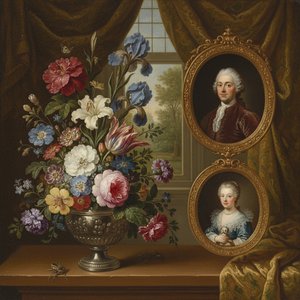
Jan van Kessel the Elder: A Baroque Master of Floral Still Life & Miniature Portraiture
Discover the exquisite detail of Jan van Kessel the Elder's Baroque floral still lifes & captivating miniatures. Explore his artistic legacy, scientific precision, and lasting influence on 17th-century Flemish painting.

Yi Eungro: Bridging East & West in the Landscape of Korean Modernism
Explore the captivating world of Yi Eungro (Lee Ungno), a pivotal figure in Korean modernism. Discover his unique fusion of Eastern and Western artistic traditions, abstract masterpieces, and lasting legacy. A must-read for discerning art collectors.