


 Podgląd w skali 1:1
 Wyślij jako kartkę
 Udostępnij
 Szczegóły dzieła
 Przewodnik

 Pobierz obraz
 Podobne obiekty
 RTG
RTG Pokaz slajdów
 Q&A
Q&A Statystyki
Krajobraz i postaci
 Olej na płótnie
- Sztuka ścienna
- Romantic Landscape
 1829
1829 47.0 x 38.0 cm
 Alfred East Art Gallery
Krajobraz i postaci autorstwa Augusta Wall Callotta z roku 1829 przedstawiają spokojną scenę wiejską nad rzeką, inspirowaną romantyzmem. Eleganckie miękkie pędzle i stonowana kolorystyka tworzą atmosferę ciszy i refleksji.
 Rozwiń treść
Sir Augustus Wall Callcott (1779-1844) był wybitnym angielskim malarzem krajobrazowym znanym z eleganckich kompozycji i uroczego tonu. Jego dzieła skupiają się na spokojnych pejzażach brytyjskich rzek i wybrzeży oraz wyjątkowymi obrazami figurowymi, które wpisały się w historię romantyzmu.
Giclée / Wydruk artystyczny
Wydruki giclée lub płótna o jakości muzealnej, szybka realizacja i szeroki wybór opcji wykończenia. ( Zamów ręcznie malowaną reprodukcję Przejdź do wersji cyfrowej)




P118B zł10

P118H zł10

P118W zł10

P438Z zł10

P508JH zł12

P508YH zł12

P805H zł10

P805Z zł10

P919BZ zł10

P919G zł10

P919XJ zł10

P959ZH zł10

P968JZ zł12

W106C zł8

W218G zł10

W218JH zł8

W218Y zł10

W307PJ zł10

W316G zł10

W316PJ zł8

W316Y zł10

W398PJ zł8

W4111J zł10

W500HY zł15

W500JH zł15

W692G zł12

W849H zł8

W940BG zł15

W953PJ zł8




Standardowy format
personalizowane
CM
INCH
Wybierz spośród naszych standardowych rozmiarów, które zachowują oryginalne proporcje dzieła sztuki.
Loading sizes...

szerokość
wysokość
Wpisz wymaganą szerokość i wysokość, aby dopasować grafikę do ramy lub ściany. Wydruk można jedynie przyciąć, nigdy nie powiększając go poza oryginalny obraz, dlatego format o innych proporcjach spowoduje utratę części kompozycji. Przed rozpoczęciem druku prześlemy Ci cyfrowy podgląd do zatwierdzenia. Obraz wyświetlany na tej stronie nie pokazuje rzeczywistego przycięcia — jedynie podgląd oddaje ten efekt.
Dostawa na cały świat () w ciągu 2 tygodni zamiast standardowych 4/5 tygodni. (30 Październik)

Bezpłatna ekspresowa wysyłka na cały świat

Wysokiej jakości płótno lniane

Pełne ubezpieczenie przesyłki

Gwarancja zwrotu należności celnych i podatków importowych

Gwarancja wiernego odwzorowania kolorów

100-dniowa polityka zwrotów (tylko w przypadku wad)

Gwarancja 100% zwrotu pieniędzy

Zniżka przy zakupie wielu sztuk
 Opcja ze szkłem jest dostępna wyłącznie w rozmiarach poniżej 110 cm

Krajobraz i postaci
Giclée / Wydruk artystyczny
Wymiary reprodukcji
-


Cena całkowita
zł 266
Sir Augustus Wall Callcott’s Tranquil Vision of English Landscape
The artwork presented here – “Landscape and Figures” by Sir Augustus Wall Callcott – embodies the spirit of Romantic landscape painting, transporting viewers back to 1829 England. More than just a depiction of scenery, it's an immersive experience crafted with meticulous detail and infused with subtle emotional resonance. The piece immediately captivates with its muted palette dominated by earthy greens, blues, and browns—a deliberate choice reflecting the prevailing atmospheric conditions of the time and contributing to the painting’s contemplative mood.Compositional Harmony: A Pyramidical Embrace
Callcott skillfully employs a pyramidal compositional structure, drawing the eye upwards from the foreground figures towards the imposing castle perched atop a distant hill. This technique wasn't merely aesthetically pleasing; it was considered crucial for conveying grandeur and establishing visual hierarchy within the landscape. The horizontal grounding element provided by the river and its bridge anchors the scene, creating balance and stability amidst the undulating hills. Careful observation reveals the deliberate placement of livestock – cows resting peacefully near the water’s edge – adding to the sense of rural tranquility.Technique and Texture: Mastering Oil Paint
Executed in oil paint on canvas, “Landscape and Figures” showcases Callcott's mastery of tonal gradation and blending techniques. Layers upon layers of pigment create a hazy effect that captures the diffused light characteristic of misty mornings—a hallmark of Romantic art. The artist’s brushstrokes are remarkably subtle, conveying texture without resorting to heavy impasto. This delicate approach allows for nuanced rendering of foliage, water reflections, and the rough surface of the land, enhancing the painting's realism while maintaining an ethereal quality.Symbolism Within Beauty: Reflections of Romantic Ideals
Beyond its visual splendor, “Landscape and Figures” resonates with symbolic significance rooted in Romantic thought. The river symbolizes life’s flow and journey, mirroring the aspirations of the era—a quest for sublime beauty and spiritual contemplation. The castle represents power and authority but also stands as a distant reminder of human ambition against the immensity of nature. Finally, the figures themselves embody human activity within this idyllic setting, reminding us of our connection to the natural world.A Legacy of Romantic Impressionism
Inspired by artists like Edward Whitaker Gray, Callcott’s work aligns with the broader movement towards Romantic Impressionism—a reaction against Neoclassical formalism and a fervent embrace of subjective experience. As evidenced by the detailed research linked above, “Landscape and Figures” continues to inspire admiration for its artistic merit and evokes feelings of peace and nostalgia. A reproduction offers an exceptional opportunity to bring this timeless masterpiece into your home or workspace.Pytania i odpowiedzi
Jaki jest format i wymiary dzieła "Krajobraz i postaci"?
Format dzieła "Krajobraz i postaci" to Portret, a wymiary oryginału wynoszą 47 x 38 cm. Obie te informacje są przydatne przy planowaniu reprodukcji.
Kto jest autorem dzieła "Krajobraz i postaci" i do jakiego nurtu ono należy?
Sir Augustus Wall Callcott stworzył "Krajobraz i postaci", reprezentujące nurt Romantic Landscape.
Jaki kolor najbardziej dominuje w "Krajobraz i postaci"?
Dominującym kolorem dzieła „Krajobraz i postaci” – Sir Augustus Wall Callcott jest Jasny brąz różowy (#b5a995).
Biografia artysty
Early Life and Training
Augustus Wall Callcott (1779 – 1844) was a celebrated English landscape painter who achieved renown for his elegant compositions imbued with a captivating tonal quality. Born in Kensington Gravel Pits, London—a location reflecting the burgeoning industrial landscape of Victorian England—Callcott’s formative years were shaped by an innate musical inclination, fostering a lifelong appreciation for harmony and visual rhythm. He diligently pursued vocal training at Westminster Abbey, honing his artistic sensibilities alongside scholarly pursuits. Recognizing his talent for drawing and painting, he enrolled in the Royal Academy in 1804, where he received invaluable instruction from John Hoppner, establishing a foundational connection with the burgeoning Romantic movement.Rise to Prominence
Callcott swiftly distinguished himself within the Academy’s ranks as an artist dedicated exclusively to landscape painting—a deliberate choice that cemented his reputation and propelled him toward artistic recognition. His meticulous attention to detail combined with masterful use of light and color—characteristics emblematic of Turner's influence—created scenes of British rivers, coasts, and serene countryside that resonated deeply with the sensibilities of his time. The acclaim garnered for works like “The Entrance to the Pool of London” (1816) and “The Mouth of the Tyne” (1818) solidified his position as a leading voice in English Romanticism.Notable Works and Exhibitions
Callcott’s artistic output spanned several decades, producing iconic landscapes that continue to captivate audiences today. Among his most enduring achievements were "A Dead Calm on the Medway" (1820), capturing the tranquil beauty of the Thames estuary; “Rochester” (1824), depicting the picturesque environs surrounding Wordsworth’s home; and “Raffaelle and the Fornarina” (1837)—a rare foray into figurative painting housed in the South Kensington Museum's Sheepshanks Collection. These paintings exemplify Callcott’s ability to convey emotion through subtle tonal variations and masterful brushwork—techniques honed during his formative years under Hoppner’s guidance.Legacy and Later Life
Callcott received a knighthood from Queen Victoria in 1837, acknowledging his contribution to British art and culture. He served as Surveyor of the Queen's Pictures from 1843 until his untimely death in November 1844, overseeing the curation of royal artworks and upholding artistic standards during a period of significant cultural transformation. Callcott’s final resting place is Kensal Green Cemetery—a testament to his enduring legacy as one of England’s foremost landscape painters and a pivotal figure in shaping the Romantic aesthetic. His work continues to inspire admiration for its serene beauty and profound understanding of the natural world.
Sir Augustus Wall Callcott
1779 - 1844 , Wielka Brytania
Krótka nota
- Artistic Movement Or Style: Romanticizm pejzażowy
- Artists Or Movements Influenced By This Artist: ['Turner']
- Artists Who Influenced This Artist: ['John Hoppner']
- Date Of Birth: 20 lutego 1779
- Date Of Death: 25 listopada 1844
- Full Name: Augustus Wall Callcott
- Nationality: Brytyjczyk
- Notable Artworks:
- Entrata do Zatoki Tamy
- Usta Tamy
- Spokojna Zatoką Medway
- Rochester
- Raffaello i Fornarina
- Place Of Birth: Londyn, Wielka Brytania
Powiązane artykuły
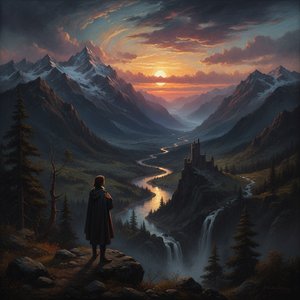
Capturing the Soul: The Emotional Majesty and Sublime Power of Romantic Landscape Painting
Explore the profound emotional depth of Romantic landscape painting. Discover how masters like Turner and Friedrich captured the sublime power of nature through intuition and imagination in this expert art history retrospective.
Odkryj dzieła sztuki uporządkowane według tematów, stylów i cech charakterystycznych.
