


 Zobacz w skali 1:1
 Wyślij
 Udostępnij
 Szczegóły
 Przewodnik

 Pobierz plik obrazu
 Podobne obiekty
 RTG
RTG Pokaz slajdów
 Statystyki
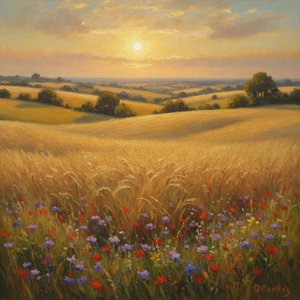
Meadow Sweets


Admire 'Meadow Sweets' (1893) by Sir David Scott Murray – a stunning Victorian landscape painting of rural Scotland. Explore this beautiful artwork online.
Discover Sir David Scott Murray’s stunning landscapes & portraits! Explore his evocative paintings of Scotland & beyond – a master of light, color, & Victorian realism.
 Czytaj więcej
Ręcznie malowana reprodukcja olejowa
Ręcznie malowany obraz olejny na płótnie, wykonany na zamówienie przez naszych artystów w wybranym przez Ciebie wymiarze i oprawie. ( Przełącz na wersję drukowaną Przełącz na wersję cyfrową)




P118B zł10

P118H zł10

P118W zł10

P438Z zł10

P508JH zł12

P508YH zł12

P805H zł10

P805Z zł10

P919BZ zł10

P919G zł10

P919XJ zł10

P959ZH zł10

P968JZ zł12

W106C zł8

W218G zł10

W218JH zł8

W218Y zł10

W307PJ zł10

W316G zł10

W316PJ zł8

W316Y zł10

W398PJ zł8

W4111J zł10

W500HY zł15

W500JH zł15

W692G zł12

W849H zł8

W940BG zł15

W953PJ zł8




Standardowy
na zamówienie
CM
INCH
Wybierz spośród naszych standardowych rozmiarów, które zachowują oryginalne proporcje dzieła sztuki.
Loading sizes...

szerokość
wysokość
Wpisz wymaganą szerokość i wysokość, aby obraz pasował do Twojej ramy lub ściany. Ponieważ jest to dzieło malowane ręcznie, w przypadku rozmiaru o innym proporcji artysta może domalować nieco więcej wokół obrazu lub przyciąć fragmenty — wybór należy do Ciebie. Przed rozpoczęciem pracy prześlemy Ci cyfrową wizualizację do zatwierdzenia. Obraz widoczny na tej stronie nie przedstawia rzeczywistego efektu — jedynie wizualizacja oddaje realny rezultat.
Przykłady możliwych zmian: Zamień twarz na zdjęcie klienta; Dodaj zwierzę domowe (np. zamień kota na psa); Ukryj wiadomość w tle; Zmień krajobraz lub elementy tła.
Po złożeniu zamówienia zespół TopImpressionists.com skontaktuje się z klientem drogą mailową w celu uzyskania instrukcji i prześle wizualizację projektu
Po złożeniu zamówienia zespół TopImpressionists.com skontaktuje się z klientem drogą mailową w celu uzyskania instrukcji i prześle wizualizację projektu
Dostawa na całym świecie () w ciągu 3–4 tygodni zamiast standardowych 5 tygodni. (24 Październik). Bez kompromisów w kwestii jakości.

Bezpłatna ekspresowa wysyłka na cały świat

Wysokiej jakości płótno lniane

Pełne ubezpieczenie transportowe

Gwarancja zwrotu należności celnych i podatków importowych

Gwarancja idealnego odwzorowania barw

100-dniowy okres na zwrot dzieła w przypadku wykrycia wad produkcyjnych

Gwarancja 100% zwrotu pieniędzy

Oferta przy zakupie wielu sztuk
 Opcja ze szkłem jest dostępna wyłącznie w rozmiarach poniżej 110 cm

Meadow Sweets
Technika wykonania
Rozmiar reprodukcji
-


Suma do zapłaty
zł 1032
Biografia artysty
Sir David Scott Murray: A Master of Highland Light
The canvases that bear the signature of Sir David Scott Murray – landscapes steeped in the misty grandeur of Scotland’s Highlands and Islands, portraits imbued with a quiet dignity – represent more than just skillful observation. They are windows into a particular way of seeing, a deeply felt connection to the land and its people, shaped by a life spent immersed in the rugged beauty of his native country. Born in Edinburgh in 1866, Murray’s artistic journey was one of gradual refinement, informed by both formal training and an intimate understanding gleaned from years of solitary exploration and painstaking study.
Murray's early life instilled a profound appreciation for the natural world. His childhood, spent largely at his family’s farm in Sandyknowe, near Kelso, fostered a close relationship with the landscape – its shifting mists, dramatic peaks, and the ever-changing light that sculpted its contours. This formative experience would become the bedrock of his artistic vision. He received his initial education at the Royal High School in Edinburgh, followed by studies at the University of Edinburgh, where he immersed himself in classical literature and history. However, it was a brief apprenticeship with the printer James Ballantyne that proved pivotal, exposing him to the world of art reproduction and sparking an interest in capturing the nuances of light and color.
Formal training came through studies at the Royal Scottish Academy in Edinburgh, where he honed his technical skills under the tutelage of established artists. Yet, Murray’s artistic voice remained distinctly his own – a blend of meticulous observation, atmospheric depth, and a subtle, almost melancholic beauty. He was particularly drawn to the dramatic lighting effects characteristic of Highland weather, often depicting scenes shrouded in mist or bathed in the golden light of sunset.
The Palette of the Highlands
Murray’s artistic style is immediately recognizable for its atmospheric quality and masterful use of color. He eschewed bright, vibrant hues in favor of a muted palette dominated by shades of gray, blue, green, and brown – colors that perfectly mirrored the somber beauty of the Scottish landscape. His technique involved layering thin washes of paint to create a sense of depth and luminosity, capturing the subtle shifts in light and shadow with remarkable precision. He was particularly adept at depicting the effects of mist and fog, which he often rendered as swirling masses of gray and white that enveloped his subjects, lending them an air of mystery and timelessness.
His most celebrated works include depictions of Loch Coruisk on the Isle of Skye, a scene that perfectly encapsulates his artistic sensibilities – a vast expanse of water framed by towering cliffs shrouded in mist. Similarly, his paintings of the Scottish coastline, such as those depicting the dramatic cliffs and rugged beaches of Sutherland, reveal a deep understanding of the region’s geology and topography. Beyond landscapes, Murray also produced a significant body of portraiture, capturing the dignity and character of Highland clansmen and local residents with quiet empathy.
Influences and Legacy
Murray's artistic development was undoubtedly influenced by the Pre-Raphaelites, particularly their interest in depicting nature with meticulous detail and emotional intensity. However, he forged his own distinct style, rooted in his deep connection to the Scottish landscape. The works of J.M.W. Turner, with his atmospheric landscapes and masterful use of light, also served as a significant inspiration. Furthermore, Murray’s work reflects the broader cultural context of late 19th-century Scotland – a period marked by both industrialization and a growing awareness of national identity.
Despite not achieving widespread fame during his lifetime, Sir David Scott Murray is now recognized as one of the most important Scottish landscape painters of the late Victorian era. His paintings are prized for their atmospheric beauty, technical skill, and profound sense of place. His legacy endures through the numerous museums that house his works – including the National Galleries of Scotland and the Walker Art Gallery in Liverpool – and continues to inspire artists seeking to capture the spirit of the Scottish Highlands.
Notable Works
- Loch Coruisk, Skye (1906): Arguably his most iconic work, showcasing the dramatic interplay of light and mist over the loch.
- Spectacle (detail) (1897): A study in atmospheric perspective, capturing the ethereal quality of Highland weather.
- London Bridge from Bankside, London (1898): Demonstrates his versatility, depicting a familiar urban scene with a subtle Scottish sensibility.
Sir David Scott Murray: A Biographical Sketch
Born in Edinburgh on January 29, 1866, Sir David Scott Murray was the son of Walter Scott and Anne Rutherford. He spent his childhood at Sandyknowe Farm near Kelso, a formative experience that instilled within him a lifelong love for the Scottish landscape. He received his early education at the Royal High School in Edinburgh and later studied at the Royal Scottish Academy. Murray’s artistic career spanned several decades, during which he produced a significant body of work characterized by its atmospheric quality and masterful use of color. He was elected to the Royal Academy in 1906. Sir David Scott Murray died on November 14, 1935, leaving behind a legacy as one of Scotland’s most celebrated landscape painters.

Sir David Scott Murray
1866 - 1935
Najważniejsze informacje
- Full Name: Sir David Scott Murray
- Nationality: British, Scottish
- Date Of Birth: 1866
- Date Of Death: 1935
- Place Of Birth: Glasgow, Scotland
- Notable Artworks:
- Loch Coruisk, Skye
- Spectacle (detail)
- London Bridge from Bankside, London
- Artistic Movement Or Style: Scottish landscape art
- Artists Who Influenced This Artist: ['Walter Scott']
- Artists Or Movements Influenced By This Artist: ['David Murray (painter)']
Zobacz także powiązane artykuły
Golden Fields & Sun-Drenched Meadows: Capturing the Soul of Impressionist Landscapes
Immerse yourself in the luminous world of Impressionist landscapes. Discover how masters like Monet and Gauguin captured ephemeral light through plein air painting, and learn to bring the soul of sun-drenched meadows into your home with exquisite, hand-painted oil reproductions.