


 Podgląd w skali 1:1
 Wyślij jako kartkę
 Udostępnij
 Szczegóły dzieła
 Przewodnik

 Pobierz obraz
 Podobne obiekty
 RTG
RTG Pokaz slajdów
 Statystyki
Flaming June
 Oil On Canvas
- WallArt
- Academic Classicism
 1895
1895- 19th Century
 121.0 x 121.0 cm
Sir Frederic Leighton’s "Flaming June," an opulent Academic masterpiece from 1895, captures the ethereal beauty of slumber amidst a Mediterranean vista—a timeless exploration of classical ideals and sensual grace. Explore exquisite reproductions at TopImpressionists.com.
 Rozwiń treść
"meta_description": "Sir Frederic Leighton (1830-1896) – wybitny malarz epoki wiktoriańskiej, znany z monumentalnych obrazów historycznych i mitologicznych, oraz wpływowego projektu domu Leighton House, symbolu estetyki i bogactwa artystycznego."
Giclée / Wydruk artystyczny
Wydruki giclée lub płótna o jakości muzealnej, szybka realizacja i szeroki wybór opcji wykończenia. ( Zamów ręcznie malowaną reprodukcję Przejdź do wersji cyfrowej)




P118B zł10

P118H zł10

P118W zł10

P438Z zł10

P508JH zł12

P508YH zł12

P805H zł10

P805Z zł10

P919BZ zł10

P919G zł10

P919XJ zł10

P959ZH zł10

P968JZ zł12

W106C zł8

W218G zł10

W218JH zł8

W218Y zł10

W307PJ zł10

W316G zł10

W316PJ zł8

W316Y zł10

W398PJ zł8

W4111J zł10

W500HY zł15

W500JH zł15

W692G zł12

W849H zł8

W940BG zł15

W953PJ zł8




Standardowy format
personalizowane
CM
INCH
Wybierz spośród naszych standardowych rozmiarów, które zachowują oryginalne proporcje dzieła sztuki.
Loading sizes...

szerokość
wysokość
Wpisz wymaganą szerokość i wysokość, aby dopasować grafikę do ramy lub ściany. Wydruk można jedynie przyciąć, nigdy nie powiększając go poza oryginalny obraz, dlatego format o innych proporcjach spowoduje utratę części kompozycji. Przed rozpoczęciem druku prześlemy Ci cyfrowy podgląd do zatwierdzenia. Obraz wyświetlany na tej stronie nie pokazuje rzeczywistego przycięcia — jedynie podgląd oddaje ten efekt.
Dostawa na cały świat () w ciągu 2 tygodni zamiast standardowych 4/5 tygodni. (25 Październik)

Bezpłatna ekspresowa wysyłka na cały świat

Wysokiej jakości płótno lniane

Pełne ubezpieczenie przesyłki

Gwarancja zwrotu należności celnych i podatków importowych

Gwarancja wiernego odwzorowania kolorów

100-dniowa polityka zwrotów (tylko w przypadku wad)

Gwarancja 100% zwrotu pieniędzy

Zniżka przy zakupie wielu sztuk
 Opcja ze szkłem jest dostępna wyłącznie w rozmiarach poniżej 110 cm

Flaming June
Giclée / Wydruk artystyczny
Wymiary reprodukcji
-


Cena całkowita
zł 265
A Vision of Eternal Summer: The Radiance of Flaming June
In the pantheon of Victorian masterpieces, few images possess the hypnotic pull of Sir Frederic Lord Leighton’s Flaming June. Painted in 1895, this monumental canvas is far more than a mere depiction of a sleeping woman; it is an immersive sensory experience that captures the very essence of warmth, languor, and the fleeting beauty of a Mediterranean afternoon. As one gazes upon the vibrant, sun-drenched orange drapery that cascades around the central figure, there is an immediate sense of being transported to a world where time has slowed to a rhythmic, peaceful crawl. The painting serves as a cornerstone of the Academic style, where every fold of fabric and every soft shadow is rendered with a precision that borders on the miraculous, inviting the viewer into a dreamscape of pure, unadultered tranquility.
The technical brilliance of Leighton lies in his ability to marry controlled realism with an almost ethereal luminosity. Eschewing the rapid, spontaneous brushstrokes of the Impressionists, Leighton embraced the rigorous traditions of the masters, utilizing chiaroscuro to sculpt the sleeping form through a delicate interplay of light and deep shadow. The way the sunlight seems to soak into the heavy, silken textures of the orange gown creates an illusion of palpable weight and warmth. This meticulous attention to detail—from the soft waves of the woman's hair to the subtle musculature of her relaxed limbs—ensures that the painting possesses a lifelike presence, making it a breathtaking focal point for any sophisticated interior space.
Classical Echoes and Symbolic Depth
Beyond its surface beauty, Flaming June is steeped in the classical and mythological resonances that defined Leighton’s illustrious career. The composition is far from accidental; the reclining pose of the figure draws a profound line back to the Renaissance, specifically referencing Michelangelo’s exploration of human vulnerability and spiritual repose. This connection to antiquity lends the work a timeless quality, elevating it from a seasonal portrait to a universal symbol of peace and introspection. The choice of a Mediterranean backdrop—visible through an intricate window frame—further reinforces this connection to a classical past, suggesting a world of ancient grandeur and enduring grace.
For the discerning collector or interior designer, the emotional impact of this piece lies in its ability to evoke a sense of "aestheticism"—a movement that prioritized beauty for beauty's sake. The painting does not demand attention through shock or narrative complexity; instead, it seduces through color harmony and atmospheric depth. The contrast between the fiery, warm tones of the central figure and the cooler, distant blues of the sea and mountains creates a balanced tension that is both stimulating and soothing. To possess a high-quality reproduction of this work is to bring a piece of history into the home—a window into an era of unparalleled elegance and a permanent invitation to contemplate the sublime.
Pytania i odpowiedzi
Kto jest autorem i z jakiego roku pochodzi "Flaming June"?
"Flaming June" – autorstwa Frederik Leighton, rok powstania: 1895.
W jakiej technice wykonano „Flaming June” – Frederik Leighton?
Frederik Leighton wykorzystał/a technikę Oil On Canvas w pracy „Flaming June”. Technika ta definiuje materię oryginalnego dzieła.
Czy w „Flaming June” – Frederik Leighton zastosowano silne kontrasty czy raczej łagodne harmonie?
Kompozycja kolorystyczna „Flaming June” – Frederik Leighton łączy w sobie Statement kontrast z Strong Color Unity harmonią.
Biografia artysty
A Life Bathed in Light: The World of Sir Frederic Leighton
Sir Frederic Lord Leighton, a name synonymous with Victorian elegance and classical grandeur, was born in Scarborough, England, in 1830. His life unfolded within the privileged embrace of his family’s legacy—his grandfather, a physician to the Russian Tsars, had amassed considerable wealth, providing young Frederic with an unparalleled opportunity to pursue his artistic ambitions without the constraints often faced by artists of the era. This early advantage fueled a relentless curiosity for the classical world, leading him on extensive travels throughout Europe – Italy, Germany, and France – where he immersed himself in the artistic currents of each nation. These formative years were marked by study under masters like Eduard von Steinle and Giovanni Costa, shaping his distinctive style: a harmonious blend of academic precision, Pre-Raphaelite sensuality, and an unwavering reverence for antiquity. A particularly memorable event during his youth occurred at seventeen when he encountered the philosopher Arthur Schopenhauer in Frankfurt, resulting in the only known full-length portrait of the famously reclusive thinker – a testament to Leighton’s intellectual depth and fascination with the complexities of human existence.The Painterly Embrace of Myth and History
Leighton's artistic career flourished during an era deeply captivated by historical narratives, biblical tales, and classical mythology. He didn’t merely illustrate these subjects; he *inhabited* them, meticulously researching costumes, settings, and the subtle nuances of ancient life to create works that felt both authentic and dramatically compelling. His paintings weren't simple depictions—they were immersive experiences, transporting viewers to worlds populated by gods, heroes, and forgotten empires. Clytie, perhaps his most celebrated work, exemplifies this approach. The painting portrays the nymph Clytie, transformed into a sunflower, eternally yearning for Apollo’s attention. It’s not just a beautiful image; it's an exploration of unrequited love, longing, and the transformative power of nature—rendered with breathtaking detail and a luminous quality that seems to emanate from within. Similarly, The Daphnephoria, depicting a procession honoring Apollo, showcases Leighton’s mastery of composition, color, and his ability to capture movement and energy on canvas. He deliberately embraced opulent textures, rich fabrics, and dramatic lighting – elements that contributed significantly to the sheer visual splendor of his work. His meticulous attention to detail extended beyond mere representation; he sought to evoke a sense of atmosphere and emotion, drawing viewers into the heart of the narrative.Beyond the Canvas: Sculpture and Architectural Vision
While primarily recognized as a painter, Leighton’s artistic ambitions transcended the two-dimensional realm. He was a gifted sculptor, and his Athlete Wrestling with a Python, created between 1888 and 1891, marked a pivotal moment in British sculpture—often credited with initiating a renaissance in contemporary sculptural practice known as the “New Sculpture.” This work, carved from pristine white marble, embodies both physical power and dramatic tension. The sculpture’s dynamic pose and expressive musculature were revolutionary for its time, moving away from the rigid formality of earlier works. But Leighton's creative vision didn’t stop there. He was also an avid collector of art and artifacts, particularly those from the Near East. These treasures weren’t merely displayed; they were integrated into the very fabric of his home, Leighton House in Holland Park, London. Designed by George Aitchison, Leighton House is a masterpiece in its own right—a stunning example of Aestheticism that served as both a residence and a studio. The iconic Arab Hall, with its intricate tilework and soaring arches, stands as a lasting testament to Leighton’s eclectic tastes and his desire to create a total work of art – an environment designed to inspire and nurture his creativity.A Royal Patron and the Shaping of Artistic Taste
Leighton's success wasn't merely due to his artistic talent; he possessed a remarkable ability to navigate the social circles of Victorian England, cultivating relationships with royalty, prominent politicians, and fellow artists. His charm, handsome appearance, cosmopolitan background, and generous nature allowed him to move effortlessly through high society, solidifying his position as one of the era’s most admired figures. He served as President of the Royal Academy from 1878 until his death in 1896, a role he held with distinction, championing artistic excellence and fostering a vibrant creative community. His influence extended beyond the confines of the Academy; he was a respected advisor to Queen Victoria on matters of art and culture, shaping public taste and promoting British art both domestically and internationally. He received numerous honors throughout his career – knighted in 1878, made a baronet in 1886, and remarkably, granted a peerage just one day before his passing—a testament to the immense respect he commanded within the art world and beyond.Legacy and the Echoes of an Era
Leighton's influence on British art is undeniable. His works continue to inspire artists and captivate audiences around the globe. Leighton House Museum stands as a lasting tribute to his artistic vision and remains a vital cultural landmark, offering visitors a glimpse into the world of this extraordinary artist. He represents a fascinating intersection of Victorian ideals, classical influences, and Pre-Raphaelite sensibilities—a unique voice in the history of British art. His legacy is not merely one of aesthetic achievement but also of a life dedicated to the pursuit of beauty, knowledge, and artistic innovation.
Frederik Leighton
1830 - 1896 , Wielka Brytania
Krótka nota
- Artistic Movement Or Style: Akademicki, Preremplikowy
- Artists Or Movements Influenced By This Artist: ['Nowa rzeźba']
- Artists Who Influenced This Artist:
- Eduard von Steinle
- Giovanni Costa
- Date Of Birth: 3 grudnia 1830
- Date Of Death: 25 stycznia 1896
- Full Name: Sir Frederic Lord Leighton
- Nationality: Brytyjski
- Notable Artworks:
- Clytie
- Flaming June
- Sportowiec walczący z wężem
- Place Of Birth: Scarborough, Anglia
Powiązane artykuły
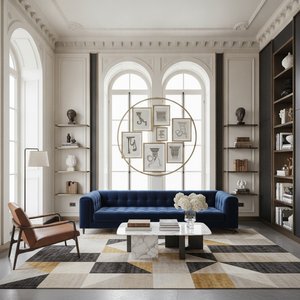
Beyond the Basics: The Power of Academic Classicism Reimagined for Modern Interiors
Discover the enduring power of Academic Classicism reimagined. Explore how technical mastery, light, and form from historical masterpieces can elevate modern interiors through premium, hand-painted oil reproductions and expert art consultation.

Edmund Blair Leighton: Victorian Romance & Narrative Painting's Golden Age
Explore the captivating world of Edmund Blair Leighton, Victorian master of romantic narrative painting. Discover his iconic works & Pre-Raphaelite influences at TopImpressionists.

Trwała Spuścizna Malarstwa Olejnego: Technika, Historia i Estetyczny Wpływ
Poznaj historię i technikę malarstwa olejnego! Eksperckie artykuły o konserwacji, renowacji oraz współczesnych zastosowaniach. Dowiedz się więcej o mistrzach i trwałości obrazów olejnych.

Mastering Perfection: A Definitive Guide to the Elegance and Precision of Academic Classicism
Discover the profound beauty of Academic Classicism. Explore the principles of order, anatomical precision, and the enduring legacy of Neoclassical masters through this expert guide to timeless elegance and technical perfection in fine art.

Sir Frederic Leighton: Aestheticism, Academic Mastery & Victorian Masculinity
Explore the life & art of Sir Frederic Leighton, a master of Victorian Aestheticism. Discover his academic training, sculptural innovations, and captivating depictions of beauty. Expert insights for collectors.