


 Podgląd w skali 1:1
 Wyślij jako kartkę
 Udostępnij
 Szczegóły dzieła
 Przewodnik

 Pobierz obraz
 Podobne obiekty
 RTG
RTG Pokaz slajdów
 Statystyki
Ramsay MacDonald


Influenced by Whistler, Lavery captured the essence of Edwardian society and wartime scenes.
 Rozwiń treść
Sir John Lavery (1856-1941): Irlandzki malarz portretowy, znany z obrazów Edwardowskiej arystokracji i scen wojennych. Pod wpływem Whistlera, kluczowa postać brytyjskiej sztuki.
Ręcznie malowana reprodukcja olejowa
Ręcznie malowany obraz olejny na płótnie, wykonany na zamówienie przez naszych artystów w wybranym przez Ciebie wymiarze i oprawie. ( Przełącz na wydania drukowane Przejdź do wersji cyfrowej)




P118B zł10

P118H zł10

P118W zł10

P438Z zł10

P508JH zł12

P508YH zł12

P805H zł10

P805Z zł10

P919BZ zł10

P919G zł10

P919XJ zł10

P959ZH zł10

P968JZ zł12

W106C zł8

W218G zł10

W218JH zł8

W218Y zł10

W307PJ zł10

W316G zł10

W316PJ zł8

W316Y zł10

W398PJ zł8

W4111J zł10

W500HY zł15

W500JH zł15

W692G zł12

W849H zł8

W940BG zł15

W953PJ zł8




Standardowy format
personalizowane
CM
INCH
Wybierz spośród naszych standardowych rozmiarów, które zachowują oryginalne proporcje dzieła sztuki.
Loading sizes...

szerokość
wysokość
Wpisz wymaganą szerokość i wysokość, aby obraz pasował do Twojej ramy lub ściany. Ponieważ jest to dzieło malowane ręcznie, w przypadku rozmiaru o innych proporcjach artysta może domalować nieco więcej wokół obrazu lub przyciąć jego fragmenty — wybór należy do Ciebie. Przed rozpoczęciem pracy prześlemy Ci cyfrową wizualizację do zatwierdzenia. Obraz widoczny na tej stronie nie przedstawia rzeczywistego efektu — jedynie wizualizacja oddaje realny rezultat.
Przykłady możliwych zmian: Zamień twarz na zdjęcie klienta; Dodaj zwierzę domowe (np. zamień kota na psa); Ukryj wiadomość w tle; Zmień krajobraz lub elementy tła.
Po złożeniu zamówienia zespół TopImpressionists.com skontaktuje się z klientem drogą mailową w celu uzyskania instrukcji i prześle wizualizację projektu
Po złożeniu zamówienia zespół TopImpressionists.com skontaktuje się z klientem drogą mailową w celu uzyskania instrukcji i prześle wizualizację projektu
Dostawa na całym świecie () w ciągu 3–4 tygodni zamiast standardowych 5 tygodni. (26 Październik). Bez kompromisów w kwestii jakości.

Bezpłatna ekspresowa wysyłka na cały świat

Wysokiej jakości płótno lniane

Pełne ubezpieczenie przesyłki

Gwarancja zwrotu należności celnych i podatków importowych

Gwarancja wiernego odwzorowania kolorów

100-dniowa polityka zwrotów (tylko w przypadku wad)

Gwarancja 100% zwrotu pieniędzy

Zniżka przy zakupie wielu sztuk
 Opcja ze szkłem jest dostępna wyłącznie w rozmiarach poniżej 110 cm

Ramsay MacDonald
Technika reprodukcji
Wymiary reprodukcji
-


Cena całkowita
zł 1033
A Portrait of Dignity Amidst Uncertainty
In the quiet, commanding presence of Sir John Lavery’s 1931 portrait of Ramsay MacDonald, one finds more than just a likeness of a statesman; one encounters a profound emblem of Britain's turbulent interwar years. As the shadows of the Great Depression began to lengthen across Europe, Lavery captured MacDonald not merely as a political figure, but as a man navigating an era defined by economic anxiety and simmering social tensions. The painting serves as a poignant window into a period where the stability of the old world was fracturing, offering a gaze that is simultaneously weary and resolute. For the discerning collector or lover of historical portraiture, this work offers a rare opportunity to possess a piece that embodies the very essence of leadership under pressure.
Lavery’s technical mastery is on full display through his adherence to a neo-classical elegance, a style reminiscent of the tonal sophistication championed by Whistler and the influential Glasgow School. The artist employs meticulous brushwork, utilizing smooth gradations of tone to create an illusionistic depth that pulls the viewer into MacDonald's immediate orbit. Through the skillful application of chiaroscuro, Lavery manipulates light and shadow to sculpt the sitter's features, lending a sculptural weight to his face and torso. The palette is intentionally restrained, dominated by somber browns, creamy highlights, and subtle greens, which reinforces a sense of solemnity and aristocratic restraint. This muted color scheme does not merely decorate the canvas; it mirrors the dignified composure required of a man standing at the helm of a nation in flux.
Symbolism and the Weight of History
Beyond the surface level of the sitter's features, Lavery weaves subtle layers of symbolism into the composition that speak to MacDonald’s complex political legacy. The inclusion of two chairs in the background is far from incidental; they serve as quiet metaphors for his role as a mediator and arbitrator during one of the most fractured periods in British parliamentary history. As MacDonald navigated the transition from the Labour Party to the formation of the National Government, these elements suggest the heavy burden of balance and the precariousness of political alliances. The stern expression, framed by the classic details of his attire and spectacles, conveys an air of quiet contemplation, inviting the viewer to reflect on the inner fortitude necessary to maintain stability amidst external chaos.
For those looking to integrate such a masterpiece into a curated interior, this portrait offers an unparalleled sense of gravitas. Whether placed in a formal study, a library, or a sophisticated gallery space, the painting acts as a focal point of intellectual and historical depth. A high-quality reproduction of this work allows the timeless beauty of Lavery’s technique—the interplay of light on fabric and the soulful depth of the subject's gaze—to breathe life into a room, providing an atmosphere of cultured reflection and enduring strength.
Pytania i odpowiedzi
Czy można pobrać obraz "Ramsay MacDonald"?
Obraz „Ramsay MacDonald” – John Lavery można pobrać na stronie Pobierz plik cyfrowy dzieła: wysokiej rozdzielczości cyfrowe zdjęcie do pobrania.
W którym roku powstało dzieło „Ramsay MacDonald” – John Lavery?
"Ramsay MacDonald" powstało w 1931 roku. Data ta pozwala umiejscowić dzieło w kontekście twórczości John Lavery oraz epoki, w której powstało.
Czy dzieło „Ramsay MacDonald” – John Lavery jest jasne czy ciemne?
Pod względem postrzeganej jasności, „Ramsay MacDonald” – John Lavery jest balanced.
Biografia artysty
A Life Immersed in Portraiture and Society
Sir John Lavery, urodzony w Belfaście w 1856 roku, był malarzem, który z niezwykłą wrażliwością uchwycił ducha swojej epoki – ery zarówno luksusowej angielskiej arystokracji, jak i ponurych realiów wojny. Jego podróż od skromnych początków do bycia jednym z najbardziej poszukiwanych portrecistów w Wielkiej Brytanii jest świadectwem jego talentu, ambicji i umiejętności nawigowania po złożonych prądach społecznych tamtych czasów. Poświecony na początku życia sierotem, Lavery znalazł się w Szkocji, gdzie otrzymał podstawowe wykształcenie w Haldane Academy w Glasgow w latach 70. XIX wieku. To pierwsze zetknięcie z sztuką zapaliło w nim pasję, która doprowadziła go do dalszych studiów w Académie Julian w Paryżu na początku XX wieku, zanurzając go w sercu europeńskiej innowacji artystycznej. Po powrocie do Glasgow Lavery szybko związał się z wpływowym ruchem szkockiej szkoły, absorbując jego estetyczne zasady i nawiązując kontakty, które ukształtowały jego wczesny rozwój. Kluczowym momentem okazało się 1888 rok, kiedy to otrzymał prestiżowe zlecenie: namalowanie wizyty Królowej Wiktorii w Glasgow International Exhibition. To wydarzenie nie tylko przyniosło mu zawodowy sukces, ale także sygnalizowało jego wejście do kręgu wyższych sfer i spowodowało przeniesienie do Londynu krótko po tym. Zlecenie to nie było jedynie triumfem zawodowym; oznaczało również, że Lavery stał się malarzem zdolnym nie tylko do odwzorowywania wyglądu, ale także do oddawania majestatu i autorytetu swoich podmiotów.Wpływy i Rozwój Artystyczny
Sensybilność artystyczna Lavery została głęboko ukształtowana przez kilka kluczowych wpływów, przede wszystkim Jamesa McNeilla Whistlera. Podziwiał nacisk Whistlera na harmonię tonalną, efekty atmosferyczne i wyrafinowaną wrażliwość estetyczną – cechy, które stały się znakiem rozpoznawczym jego własnego stylu. Wpływ ten jest widoczny w delikatnej fakturze pędzla i subtelnych paletach kolorów obecnych we wszystkich jego dziełach. Poza Whistlerem Lavery uczył się od impresjonizmu francuskiego, wprowadzając elementy jego przerwanych kolorów i nacisku na uchwycenie ulotnych chwil światła. Jednak nigdy nie przyjął w pełni radykalnego oddalenia od tradycyjnej formy charakterystycznego dla impresjonistów; zamiast tego zsyntetyzował te wpływy w unikalny styl, który łączył elegancję z nowoczesnością. Jego wczesne prace często przedstawiały sceny z życia codziennego i krajobrazy, ale jego biegłość w portrecie zapewniła mu prawdziwą renomę. Lavery posiadał niezwykłą zdolność do uchwycenia esencji swoich podmiotów – ich osobowości, statusu społecznego i wewnętrznych przeżyć – na płótnie. Umiejętnie łączył techniki impresjonistyczne z czujnym okiem na szczegóły, tworząc portrety, które były zarówno estetycznie przyjemne, jak i psychologicznie wnikliwe. Nie ograniczał się do odwzorowywania wyglądu; interpretował charakter.Wojenne Depcje i Rozpoznanie Narodowe
Wybuch I wojny światowej dodał nowym wymiarom praktyki artystycznej Lavery. Podobnie jak William Orpen, został mianowany oficjalnym malarzem wojennym, powierzono mu zadanie dokumentowania konfliktu. Jednak przewlekła choroba i przerażający wypadek samochodowy – konsekwencja nalotu niemieckich samolotów – uniemożliwiły mu służbę na Froncie Zachodnim. Nie zrażony Lavery skupił swoje uwagi na scenach w Wielkiej Brytanii, przedstawiając atmosferę życia w czasie wojny poprzez obrazy łodzi, samolotów i samolotów rozpoznawczych. Te prace oferują unikalną perspektywę na wysiłek wojenne, koncentrując się nie na koszmarach oblężonych fortyfikacji, ale na technicznych postępach i wyzwaniach logistycznych, które definiowały konflikt na terenie kraju. Po zakończeniu wojny jego wkład został formalnie uznany za tytuł szlachecki oraz przyjęcie do Royal Academy of Arts. Jego życie stało się coraz bardziej splątane z życiem elit społecznych, szczególnie rodziny Asquithów. Spędzał sporo czasu w ich rezydencji nad Tamizą, tworząc portrety i idylliczne sceny, które oferowały spojrzenie na ich przywilegiowy świat. Lavery również zaangażował się w burzliwe wydarzenia związane z niezależnością Irlandii, zapewniając swój dom londyński jako neutralne miejsce do prowadzenia kluczowych negocjacji traktatu.Dziedzictwo i Trwały Wpływ
Dziedzictwo Sir Johna Lavery wykracza poza jego imponujący dorobek artystyczny. Był postacią charakteryzującą się niezwykłą charyzmą, która z łatwością przemieszczała się między kręgiami artystycznymi a elitami społecznymi, stając się symbolem dynamiki kulturowej tamtej epoki. Jego portrety są nadal cenione za elegancję, umiejętność techniczną i wnikliwe charakterystyki. Zauważalnie jego alegoryczna postać Irlandii pojawiła się na banknotach irlandzkich od 1928 roku do 1975 roku – świadectwo trwałego znaczenia narodowego. Lavery’s artistic style, characterized by its blend of Impressionistic techniques and meticulous detail, continues to inspire artists today. His ability to capture the essence of his subjects, combined with his mastery of light and color, ensures that his work will continue to captivate audiences for generations to come. He was a painter who not only documented his time but also helped define it, leaving an indelible mark on British art history.Kluczowe Cechy Jego Sztuki
- Techniki impresjonistyczne: Wprowadził elementy impresjonizmu do swojej twórczości, szczególnie w zakresie użycia światła i koloru.
- Ekspert w portrecie: Był znany z uchwycenia zarówno podobieństwa fizycznego, jak i głębi psychologicznej w swoich portretach.
- Główne tematy: Portrety, sceny społeczne, depcje wojenne, krajobrazy.
- Elegancki styl: Jego obrazy często charakteryzują się elegancją, żywotnością i wyrafinowaną wrażliwością estetyczną.

John Lavery
1856 - 1941 , Irlandia
Krótka nota
- Artistic Movement Or Style: Impressionizm, Portret
- Artists Or Movements Influenced By This Artist: ['Whistler']
- Artists Who Influenced This Artist: ['James McNeill Whistler']
- Date Of Birth: 1856
- Date Of Death: 1941
- Full Name: Sir John Lavery
- Nationality: Irlandczykowanie
- Notable Artworks:
- Mrs Lavery
- Michael Collins
- Summer on the River
- Place Of Birth: Belfast, Irlandia
Powiązane artykuły

John Constable: 25 Najlepszych Obrazów Mistrza Angielskiego Krajobrazu | TopImpressionists
Odkryj 25 arcydzieł Johna Constable'a – mistrza angielskiego krajobrazu! Poznaj romantyczne pejzaże, technikę malarską i inspiracje z Dedham Vale. Reprodukcje obrazów najwyższej jakości na TopImpressionists.com. Eksploruj pełną kolekcję online!

Sir Joshua Reynolds: 25 Arcydzieł Pełnych Elegancji i Historii | TopImpressionists.com
Odkryj 25 arcydzieł Sir Joshua Reynoldsa – mistrza angielskiego rokoko i neoklasycyzmu. Poznaj historie portretów, techniki malarskie i inspiracje wnętrzarskie. Reprodukcje najwyższej jakości na TopImpressionists.com! Eksploruj pełną kolekcję online.
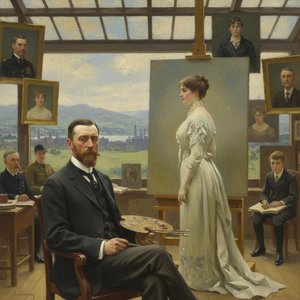
Sir John Lavery: A Study in Scottish Impressionism & the Portraiture of a Generation
Explore the life & art of Sir John Lavery, a master of Scottish Impressionism and renowned portraitist. Discover his captivating works, Irish heritage, and lasting legacy with TopImpressionists.

Sir Alfred James Munnings: 25 Arcydzieł Malarstwa Koni i Angielskiej Wsi | TopImpressionists.com
Odkryj 25 arcydzieł Sir Alfreda Jamesa Munningsa – mistrza malarstwa koni i angielskiego krajobrazu. Poznaj historię, technikę i piękno jego obrazów. Reprodukcje najwyższej jakości na TopImpressionists.com! Eksploruj pełną kolekcję online.

John Singer Sargent: 25 Arcydzieł Pełnych Elegancji i Światła | TopImpressionists.com
Odkryj 25 arcydzieł Johna Singera Sargenta – mistrza portretu i impresjonizmu. Poznaj historie, techniki i inspiracje za jego najsłynniejszymi obrazami. Reprodukcje najwyższej jakości na TopImpressionists.com. Eksploruj pełną kolekcję online!
Odkryj dzieła sztuki uporządkowane według tematów, stylów i cech charakterystycznych.


