

 Zobacz w skali 1:1
 Wyślij
 Udostępnij
 Szczegóły
 Przewodnik

 Pobierz plik obrazu
 Podobne obiekty
 RTG
RTG Pokaz slajdów
 Statystyki
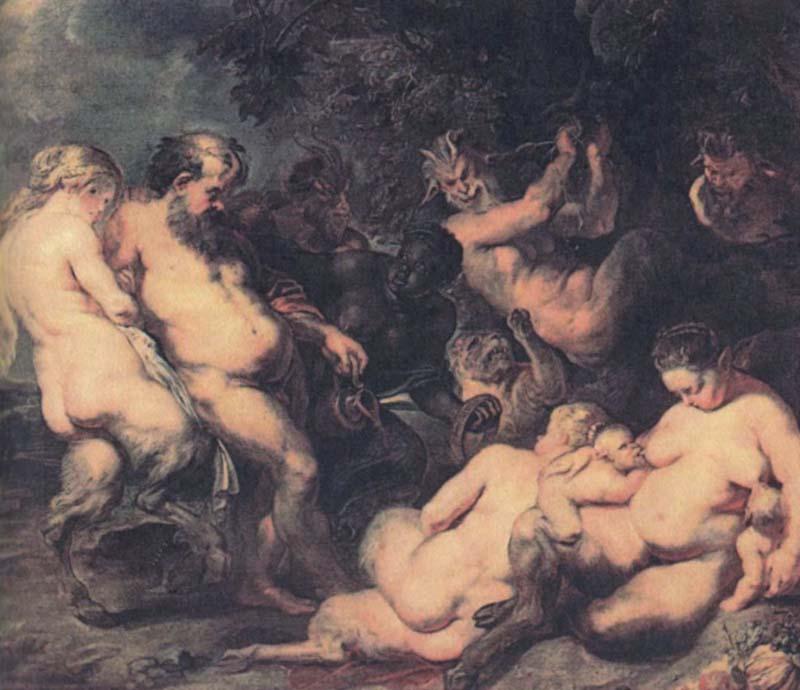
Bacchanale


Experience the raw energy of Rubens' "Bacchanale"! This Baroque masterpiece captures a wild celebration with nude figures, vibrant colors, and dynamic movement – a captivating glimpse into 17th-century ecstasy.
 Czytaj więcej
Petr Paweł Rubins (Rubens): Arcydzieło baroku! Dynamiczne kompozycje, żywe kolory i ikoniczne dzieła takie jak "Upadku z Krzyża". Odkryj jego życie i twórczość.
Ręcznie malowana reprodukcja olejowa
Ręcznie malowany obraz olejny na płótnie, wykonany na zamówienie przez naszych artystów w wybranym przez Ciebie wymiarze i oprawie. ( Przełącz na wersję drukowaną Przełącz na wersję cyfrową)




P118B zł10

P118H zł10

P118W zł10

P438Z zł10

P508JH zł12

P508YH zł12

P805H zł10

P805Z zł10

P919BZ zł10

P919G zł10

P919XJ zł10

P959ZH zł10

P968JZ zł12

W106C zł8

W218G zł10

W218JH zł8

W218Y zł10

W307PJ zł10

W316G zł10

W316PJ zł8

W316Y zł10

W398PJ zł8

W4111J zł10

W500HY zł15

W500JH zł15

W692G zł12

W849H zł8

W940BG zł15

W953PJ zł8




Standardowy
na zamówienie
CM
INCH
Wybierz spośród naszych standardowych rozmiarów, które zachowują oryginalne proporcje dzieła sztuki.
Loading sizes...

szerokość
wysokość
Wpisz wymaganą szerokość i wysokość, aby obraz pasował do Twojej ramy lub ściany. Ponieważ jest to dzieło malowane ręcznie, w przypadku rozmiaru o innym proporcji artysta może domalować nieco więcej wokół obrazu lub przyciąć fragmenty — wybór należy do Ciebie. Przed rozpoczęciem pracy prześlemy Ci cyfrową wizualizację do zatwierdzenia. Obraz widoczny na tej stronie nie przedstawia rzeczywistego efektu — jedynie wizualizacja oddaje realny rezultat.
Przykłady możliwych zmian: Zamień twarz na zdjęcie klienta; Dodaj zwierzę domowe (np. zamień kota na psa); Ukryj wiadomość w tle; Zmień krajobraz lub elementy tła.
Po złożeniu zamówienia zespół TopImpressionists.com skontaktuje się z klientem drogą mailową w celu uzyskania instrukcji i prześle wizualizację projektu
Po złożeniu zamówienia zespół TopImpressionists.com skontaktuje się z klientem drogą mailową w celu uzyskania instrukcji i prześle wizualizację projektu
Dostawa na całym świecie () w ciągu 3–4 tygodni zamiast standardowych 5 tygodni. (22 Październik). Bez kompromisów w kwestii jakości.

Bezpłatna ekspresowa wysyłka na cały świat

Wysokiej jakości płótno lniane

Pełne ubezpieczenie transportowe

Gwarancja zwrotu należności celnych i podatków importowych

Gwarancja idealnego odwzorowania barw

100-dniowy okres na zwrot dzieła w przypadku wykrycia wad produkcyjnych

Gwarancja 100% zwrotu pieniędzy

Oferta przy zakupie wielu sztuk
 Opcja ze szkłem jest dostępna wyłącznie w rozmiarach poniżej 110 cm

Bacchanale
Technika wykonania
Rozmiar reprodukcji
-


Suma do zapłaty
zł 1033
The Frenzied Dance of Divinity: Peter Paul Rubens’s “Bacchanale”
Peter Paul Rubens' "Bacchanale," painted around 1615, isn’t merely a depiction of revelry; it’s a visceral embodiment of the Baroque spirit—a tempestuous collision of classical mythology, raw emotion, and dynamic movement. This monumental oil on canvas transports us to a moonlit forest, teeming with figures caught in an ecstatic dance before Bacchus, the god of wine and fertility. The painting pulsates with life, demanding our attention and inviting us into its chaotic, intoxicating world. It’s a work that speaks not just to the eye but directly to the senses, capturing the very essence of unbridled joy and primal instinct.
Rubens, a master of color and composition, was deeply influenced by the Counter-Reformation's need for dramatic religious imagery. Yet, he skillfully blended this influence with his own exuberant style, creating works that were both profoundly spiritual and intensely sensual. “Bacchanale” exemplifies this duality perfectly. The figures, rendered in Rubens’ signature glowing palette of reds, golds, and deep blues, are not idealized heroes but deeply human—prone to lust, intoxication, and a complete abandonment of restraint. This departure from the more restrained styles of earlier periods was revolutionary, reflecting a shift towards embracing earthly pleasures within a framework of religious devotion.
A Symphony of Form and Color
Technically, “Bacchanale” is a tour de force. Rubens’s brushwork is loose and energetic, creating an immediate sense of movement and dynamism. Notice how he uses rapid, short strokes to depict the swirling fabrics and the frenzied gestures of the dancers. The figures are not meticulously rendered with anatomical precision; instead, they are captured in moments of intense emotion, their forms simplified and exaggerated to heighten the drama. The use of *chiaroscuro* – the dramatic contrast between light and dark – further emphasizes this sense of movement and adds a layer of theatricality to the scene. The lighting seems to emanate from within the figures themselves, bathing them in an otherworldly glow.
Rubens’s mastery of color is equally remarkable. He employs a vibrant, almost overwhelming palette, using rich reds and golds to represent the intoxicating effects of wine and revelry. These warm tones are juxtaposed with cooler blues and greens, creating a dynamic visual tension that mirrors the emotional turmoil of the scene. The sheer intensity of the colors contributes significantly to the painting’s overall impact, drawing the viewer into its chaotic embrace.
Mythological Roots and Symbolic Layers
The subject matter itself—the bacchanal—is steeped in classical mythology. The Bacchanalia were wild festivals held in honor of Dionysus (Bacchus), where participants indulged in wine, music, dance, and ecstatic rituals. These celebrations represented a temporary escape from the constraints of civilized society, a return to primal instincts and a celebration of life’s fleeting pleasures. In “Bacchanale,” Rubens transforms this ancient myth into a powerful allegory for human nature—a reminder of our capacity for both joy and excess.
Beyond the mythological narrative, the painting is rich in symbolic detail. The abundance of food and drink symbolizes fertility and prosperity, while the nudity of the figures represents freedom from shame and social constraints. Even the forest setting itself can be interpreted symbolically—representing a wild, untamed space where human desires are unleashed without restraint. The inclusion of satyrs and nymphs further reinforces the painting’s connection to pagan traditions, adding another layer of complexity to its meaning.
A Legacy of Baroque Grandeur
“Bacchanale” stands as one of Rubens' most celebrated works, a testament to his artistic genius and his ability to capture the spirit of the Baroque era. Its dramatic composition, vibrant colors, and powerful emotional impact continue to resonate with viewers today. Reproductions of this masterpiece offer a remarkable opportunity to experience the intensity and dynamism of Rubens’s vision—a chance to step into a world of ecstatic revelry and witness the raw beauty of human passion. It's a painting that invites contemplation, sparking questions about our own relationship to pleasure, excess, and the enduring power of myth.
Pytania i odpowiedzi
Jaka jest data powstania dzieła „Bacchanale” autorstwa Rubens?
Powstanie „Bacchanale” autorstwa Rubens datuje się na 1615.
W którym roku i w ramach jakiego nurtu powstało dzieło "Bacchanale"?
Dzieło "Bacchanale" powstało w 1615 roku, w ramach nurtu Baroque dynamism.
Czy dzieło "Bacchanale" posiada podgląd w rozszerzonej rzeczywistości?
Dzieło „Bacchanale” autorstwa Rubens można przymierzyć na własnej ścianie dzięki stronie Podgląd AR, wykorzystując rozszerzoną rzeczywistość na kompatybilnym urządzeniu.
Biografia artysty
A Life Forged in Baroque Splendor
Sir Peter Paul Rubens, a name synonymous with the very essence of Baroque dynamism, was far more than simply a painter; he was a diplomat, a scholar, and a cultural architect who fundamentally reshaped the artistic landscape of 17th-century Europe. Born in Siegen, Germany, in 1577, his early life was marked by displacement—a formative experience that subtly permeated his later work with an undercurrent of drama and emotional depth. His father, Jan Rubens, a lawyer fleeing religious persecution for his Calvinist beliefs, uprooted the family from their native Antwerp, then under Spanish rule. This initial exile instilled in young Peter Paul a sense of resilience and adaptability, qualities that would serve him well throughout his multifaceted career. Following his father’s death in 1587, the family returned to Antwerp, where he received a humanist education before embarking on his artistic training around 1590, apprenticing under Tobias Verhaecht and Adam van Noort, honing foundational skills in drawing and painting techniques. However, it was his time with Otto van Veen that proved pivotal, exposing him to the rich legacy of Italian Renaissance art—a world he would soon embrace wholeheartedly.The Italian Awakening and Artistic Synthesis
In 1600, Rubens embarked on a transformative journey to Italy, a pilgrimage that irrevocably shaped his artistic vision. For eight years, he immersed himself in the masterpieces of Michelangelo, Raphael, and Titian, absorbing their mastery of form, color, and composition. The influence of these Renaissance giants is readily apparent in his early Italian works, characterized by classical themes and idealized figures. Yet, Rubens didn’t merely imitate; he synthesized these influences with his own innate talent, developing a distinctive style marked by vibrant hues, dynamic compositions, and a sensuous depiction of the human form. He studied anatomy meticulously, resulting in figures that possessed both physical realism and emotional power—robust bodies imbued with life and movement. This period wasn’t solely about artistic development; it was a profound intellectual awakening, fostering a deep appreciation for classical mythology and literature which would become recurring motifs throughout his oeuvre. Upon returning to Antwerp in 1608, Rubens swiftly established himself as the leading artist of his time, receiving a flood of commissions that testified to his burgeoning reputation and solidifying his position at the forefront of Flemish art.A Master of Many Forms: Painting Beyond Boundaries
Rubens’s artistic output was astonishingly diverse and prolific. He didn't confine himself to a single genre; instead, he excelled in history paintings, mythological scenes, portraits, landscapes, and religious works—a testament to his versatility and boundless creativity. His large-scale canvases, often intended for churches, palaces, and public spaces, were breathtaking displays of technical virtuosity and dramatic storytelling. The Descent from the Cross (c. 1616-1617) exemplifies his masterful use of light and shadow to create a scene of profound emotional intensity, drawing viewers into the heart of the narrative. The figures are not merely depicted; they *feel* the weight of grief and the drama of the moment. The Raising of the Cross (1610-1611), with its swirling figures and dynamic composition, showcases his ability to convey movement and energy—a hallmark of his Baroque style. Even in seemingly static subjects like The Judgement of Paris (c. 1636), Rubens infused a sense of life and vitality through his vibrant color palette and sensual depiction of the human form. His technique was equally remarkable – a masterful command of oil painting, employing impasto to create texture and depth, alongside delicate glazing techniques to achieve luminous effects. He frequently employed allegorical figures and symbolic imagery, layering narratives with complex meanings that invited contemplation and interpretation.The Influence of Rubens: A Legacy of Dynamism
Rubens’s impact on the art world was immediate and profound. His style quickly became a dominant force in Flemish painting, influencing generations of artists who sought to emulate his dynamism, color, and sensuality. Artists like Anthony van Dyck, known for his elegant portraits and masterful compositions, were directly inspired by Rubens's work. Jacob Jordaens, another prominent Antwerp painter, adopted many of Rubens’s techniques and compositional strategies. Even centuries later, the influence of Rubens can be seen in the works of Eugène Delacroix, the Romantic French painter who admired Rubens’s dramatic flair and expressive use of color. Beyond his direct followers, Rubens's work served as a model for artists across Europe, shaping the course of Baroque art and contributing to the development of new artistic styles. His emphasis on movement, emotion, and sensual beauty resonated with audiences throughout the 17th and 18th centuries, cementing his place as one of the most important figures in Western art history.Diplomacy, Legacy, and Enduring Influence
Rubens’s influence extended far beyond the realm of art. His diplomatic skills were highly sought after by the Southern Netherlands (modern-day Belgium), and he undertook numerous missions to England, France, and Spain, negotiating treaties and fostering political alliances—a unique dual role that afforded him a nuanced perspective on European affairs and further enhanced his reputation as a man of intellect and influence. In 1630, he married Hélène Fourment, who became both his muse and frequent subject in his paintings – her youthful beauty gracing many of his later works, embodying the sensuality and vitality that characterized his style. He continued to paint prolifically until his death in Antwerp in 1640, leaving behind a vast legacy that continues to inspire awe and admiration. His impact on subsequent generations of artists is immeasurable; painters like Anthony van Dyck, Jacob Jordaens, and Eugène Delacroix all drew inspiration from his dynamic compositions, vibrant colors, and sensuous figures. Rubens didn’t just define the Baroque style—he elevated painting to a new level of prestige and influence, solidifying Antwerp as a major center of artistic production during the 17th century. He remains, centuries later, a towering figure in the history of art, a testament to the power of human creativity and the enduring allure of Baroque splendor.Key Characteristics of Rubens’s Style
- Dynamic Composition: Rubens' paintings are known for their energetic and dramatic arrangements of figures.
- Vibrant Color Palette: He employed a rich, warm color scheme that brought his canvases to life.
- Sensuous Figures: His depictions of the human form were characterized by fullness, vitality, and often, overt sensuality.
- Masterful Use of Light and Shadow: Rubens skillfully manipulated light and shadow to create depth, drama, and emotional impact.
- Allegorical Symbolism: His works frequently incorporated allegorical figures and symbolic imagery, adding layers of meaning and complexity.

Rubens
1577 - 1640 , Niemcy
Najważniejsze informacje
- Artistic Movement Or Style: Barokowy
- Artists Or Movements Influenced By This Artist:
- Anthony van Dyck
- Jacob Jordaens
- Artists Who Influenced This Artist:
- Tycjan
- Rafael
- Michelangelo
- Date Of Birth: 1577
- Date Of Death: 1640
- Full Name: Sir Peter Paul Rubens
- Nationality: Flamandzki
- Notable Artworks:
- Deszcz z krzyżem
- Wniebowzięcie Najświętszej Maryi Panny
- Portret Isabelle Brant
- Place Of Birth: Siegen, Niemcy
Zobacz także powiązane artykuły

Drama in Nature: The Captivating Grandeur of Baroque Landscapes and the Art of Emotional Spectacle
Explore the breathtaking drama of Baroque landscapes. From Rubens's grand vistas to the mastery of chiaroscuro, discover how 17th-century artists transformed nature into a theatrical stage of emotion and light. A deep dive for true art enthusiasts.

Drama and Light: Discover the Captivating Grandeur of Baroque Art
Immerse yourself in the dramatic splendor of Baroque art. Explore the profound impact of light, shadow, and the Counter-Reformation through an expert historical lens, celebrating the masters who defined an era of unparalleled grandeur and emotional intensity.
Odkryj dzieła sztuki uporządkowane według tematów, stylów i cech charakterystycznych.


