


 Zobacz w skali 1:1
 Wyślij
 Udostępnij
 Szczegóły
 Przewodnik

 Pobierz plik obrazu
 Podobne obiekty
 RTG
RTG Pokaz slajdów
 Statystyki
Burbage, Derbyshire (recto)
 Post-Impressionism
 70.0 x 90.0 cm
Oil painting of Burbage, Derbyshire by Stanley Royle. Captures serene landscape & Impressionistic style w/ loose brushwork. Explore nature's beauty in this textured 19th-century artwork.
Discover Stanley Royle’s evocative landscape paintings of England & Canada! Explore his post-impressionist style & iconic works like ‘Spring Morning.’
 Czytaj więcej
Dzieło sztuki prezentowane na tej stronie podlega ochronie prawem autorskim, co oznacza, że nie mamy prawa do tworzenia ani sprzedaży jego identycznej reprodukcji. Ochrona ta jest egzekwowana na mocy umów międzynarodowych, takich jak Konwencja berneńska oraz przez przepisy prawa krajowego, w tym te określone w Prawo autorskie USA – Tytuł 17.
Jako pełną szacunku i legalną alternatywę oferujemy personalizowane, malowane ręcznie dzieła sztuki inspirowane oryginałem. Nasi wykwalifikowani i profesjonalni artyści starannie analizują styl, nastrój oraz artystyczną esencję pierwowzoru, aby stworzyć nowe, unikalne dzieło, które przywołuje te same emocje – pozostając jednocześnie w pełni oryginalną kreacją.
Metoda ta jest w pełni zgodna z przepisami prawa autorskiego, ponieważ nie polega na kopiowaniu ani powielaniu chronionego dzieła. Stanowi ona kreatywną reinterpretację – nowy obraz, który czerpie inspirację z oryginału, ale nie jest z nim tożsamy.
Ręcznie malowana reprodukcja olejowa
Ręcznie malowany obraz olejny na płótnie, wykonany na zamówienie przez naszych artystów w wybranym przez Ciebie wymiarze i oprawie. ( Przełącz na wersję drukowaną Przełącz na wersję cyfrową)




































Standardowy
na zamówienie
CM
INCH
Wybierz spośród naszych standardowych rozmiarów, które zachowują oryginalne proporcje dzieła sztuki.
Loading sizes...

szerokość
wysokość
Wpisz wymaganą szerokość i wysokość, aby obraz pasował do Twojej ramy lub ściany. Ponieważ jest to dzieło malowane ręcznie, w przypadku rozmiaru o innym proporcji artysta może domalować nieco więcej wokół obrazu lub przyciąć fragmenty — wybór należy do Ciebie. Przed rozpoczęciem pracy prześlemy Ci cyfrową wizualizację do zatwierdzenia. Obraz widoczny na tej stronie nie przedstawia rzeczywistego efektu — jedynie wizualizacja oddaje realny rezultat.
Przykłady możliwych zmian: Zamień twarz na zdjęcie klienta; Dodaj zwierzę domowe (np. zamień kota na psa); Ukryj wiadomość w tle; Zmień krajobraz lub elementy tła.
Po złożeniu zamówienia zespół TopImpressionists.com skontaktuje się z klientem drogą mailową w celu uzyskania instrukcji i prześle wizualizację projektu
Po złożeniu zamówienia zespół TopImpressionists.com skontaktuje się z klientem drogą mailową w celu uzyskania instrukcji i prześle wizualizację projektu
Dostawa na całym świecie () w ciągu 3–4 tygodni zamiast standardowych 5 tygodni. (22 Październik). Bez kompromisów w kwestii jakości.

Bezpłatna ekspresowa wysyłka na cały świat

Wysokiej jakości płótno lniane

Pełne ubezpieczenie transportowe

Gwarancja zwrotu należności celnych i podatków importowych

Gwarancja idealnego odwzorowania barw

100-dniowy okres na zwrot dzieła w przypadku wykrycia wad produkcyjnych

Gwarancja 100% zwrotu pieniędzy

Oferta przy zakupie wielu sztuk
 Opcja ze szkłem jest dostępna wyłącznie w rozmiarach poniżej 110 cm

Burbage, Derbyshire (recto)
Technika wykonania
Rozmiar reprodukcji
-


Suma do zapłaty
zł 1033
Podobne dzieła


Biografia artysty
The Impressionistic Vision of Stanley Royle
Stanley Royle (1888–1961) remains a luminous figure in the annals of English landscape painting, an artist whose brush captured the fleeting, atmospheric magic of the natural world. Born in Stalybridge, Cheshire, Royle was part of a lineage deeply connected to the arts, with his cousin Herbert Royle already established as a respected landscape painter. This early immersion in creativity set the stage for a career defined by a profound sensitivity to light and texture. His formative years in Ecclesfield, Sheffield, provided him with a rich tapestry of rural rhythms and verdant vistas that would serve as the primary inspiration for much of his life's work. Through his eyes, the rolling hills of Yorkshire and the quiet corners of Derbyshire were transformed into emotive, impressionistic dreamscapes.
His formal artistic journey began in 1904 at the Sheffield Technical School of Art, where he studied under the guidance of Oliver Senior. This mentorship was pivotal; Senior’s influence helped shape Royle’s burgeoning aesthetic, encouraging a style that balanced structural integrity with a loose, expressive touch. As his talent matured, Royle’s work began to garner significant recognition within the prestigious circles of the British art establishment. A defining moment occurred in 1913 when three of his paintings were accepted into the Royal Academy Summer Exhibition, a feat that signaled his arrival as a major voice in contemporary landscape painting. This period of success was accompanied by his election as an associate member of the Royal Society of British Artists (RSBA) in 1918, eventually achieving full membership by 1920.
Technique and the Poetry of Light
The brilliance of Royle’s technique lies in his ability to marry Post-Impressionist sensibilities with a uniquely British pastoral charm. His method often employed broad sweeps of color combined with an almost pointillist effect, creating surfaces that seem to vibrate with light. This approach allowed him to capture the heavy, damp atmosphere of a Yorkshire morning or the crystalline stillness of a winter snowfall with remarkable fidelity. Whether depicting the rugged terrain of Burbage, Derbyshire or the tranquil, snow-dusted lanes of a village street, Royle utilized textured brushstrokes to evoke the tactile reality of the landscape.
His work often explored themes of seasonal transition and the quiet intimacy of nature. One of his most cherished subjects involved the interplay of light through woodland canopies, exemplified by the poignant Spring Morning Amongst the Bluebells. In this piece, which famously featured his wife, Lily Goulding, Royle demonstrated an unparalleled ability to infuse a landscape with personal emotion, turning a simple woodland scene into a timeless moment of idyllic beauty. His versatility was further evidenced by his ability to shift from the lush, green vitality of spring to the stark, monochromatic serenity of winter scenes, often finding profound beauty in the skeletal forms of trees against a pale, wintry sky.
A Legacy of Landscape and Light
Beyond the borders of England, Royle’s artistic horizons expanded through his experiences in Canada, where he continued to find inspiration in vast, sweeping vistas. This international perspective enriched his repertoire, allowing him to apply his impressionistic lens to new environments, yet his heart remained deeply rooted in the landscapes of his youth. As a teacher at the Sheffield School of Art, he also passed his passion onto a new generation, including notable artists like Kenneth Steel, ensuring that his influence would ripple through the decades.
Today, the significance of Stanley Royle’s oeuvre lies in its enduring ability to evoke nostalgia and wonder. His paintings are more than mere depictions of geography; they are emotional records of a specific time and place, captured with a reverence for the ephemeral. Through his mastery of atmospheric perspective and color, Royle created a body of work that continues to resonate with anyone moved by the quiet majesty of the natural world. His legacy is found in every textured stroke of paint that invites the viewer to step into a serene, sun-drenched meadow or a frost-bitten moor, experiencing the world exactly as he did: with profound, unceasing wonder.

Stanley Royle
1888 - 1961
Najważniejsze informacje
- Artistic Movement Or Style: Post-Impressionism
- Artists Or Movements Influenced By This Artist: ['Royal Academy']
- Artists Who Influenced This Artist: ['Oliver Senior']
- Date Of Birth: 1888
- Date Of Death: 1961
- Full Name: Stanley Royle
- Nationality: English
- Notable Artworks:
- Spring Morning
- Calver Bridge
- Place Of Birth: Stalybridge, Cheshire
Zobacz także powiązane artykuły

Beyond the Light: Capturing Raw Emotion and Subjective Vision in Post-Impressionist Landscapes
Explore the profound emotional depth of Post-Impressionist landscapes. Discover how masters like Van Gogh moved beyond light to capture raw human feeling through vibrant color and expressive texture in this expert art history retrospective.
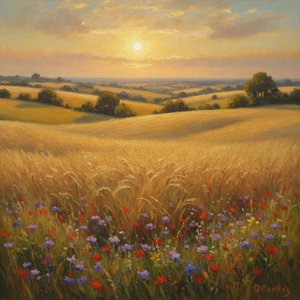
Golden Fields & Sun-Drenched Meadows: Capturing the Soul of Impressionist Landscapes
Immerse yourself in the luminous world of Impressionist landscapes. Discover how masters like Monet and Gauguin captured ephemeral light through plein air painting, and learn to bring the soul of sun-drenched meadows into your home with exquisite, hand-painted oil reproductions.

The Beauty of Impermanence: Capturing Decay through Impressionist Eyes
Explore the profound beauty of impermanence through Impressionist and Post-Impressionist eyes. Discover how masters like Monet and Van Gogh captured fleeting light and the poetic essence of nature's transitions in our deep dive into art history and emotional landscapes.

The Timeless Charm of Oil on Board: Reimagining Texture and Light through the Impressionist Lens
Discover the profound intimacy of oil on panel. Explore how Impressionist masters used rigid supports to capture light, texture, and impasto depth through exquisite, handmade oil reproductions for discerning collectors.

Capturing the Soul: The Most Emotionally Moving Impressionist and Post-Impressionist Masterpieces
Discover the profound emotional depth of Impressionist and Post-Impressionist masterpieces. Explore how legends like Monet, Van Gogh, and Gauguin captured light and soul through evocative landscapes and vibrant brushwork for a timeless connection to art history.