


 Zobacz w skali 1:1
 Wyślij
 Udostępnij
 Szczegóły
 Przewodnik

 Pobierz plik obrazu
 Podobne obiekty
 RTG
RTG Pokaz slajdów
 Statystyki
Gustave Klimt


A striking collage of urban decay meets the golden elegance of Gustav Klimt as Syrian artist Tammam Azzam blends classical beauty with modern reality, inviting you to explore this powerful contemporary masterpiece.
 Czytaj więcej
Tammam Azzam: Syrian artist blending classical masterpieces with destroyed cityscapes. Explore his poignant mixed media & collage works addressing loss, resilience & rebuilding after conflict. Discover his impactful art now!
Dzieło sztuki prezentowane na tej stronie podlega ochronie prawem autorskim, co oznacza, że nie mamy prawa do tworzenia ani sprzedaży jego identycznej reprodukcji. Ochrona ta jest egzekwowana na mocy umów międzynarodowych, takich jak Konwencja berneńska oraz przez przepisy prawa krajowego, w tym te określone w Prawo autorskie USA – Tytuł 17.
Jako pełną szacunku i legalną alternatywę oferujemy personalizowane, malowane ręcznie dzieła sztuki inspirowane oryginałem. Nasi wykwalifikowani i profesjonalni artyści starannie analizują styl, nastrój oraz artystyczną esencję pierwowzoru, aby stworzyć nowe, unikalne dzieło, które przywołuje te same emocje – pozostając jednocześnie w pełni oryginalną kreacją.
Metoda ta jest w pełni zgodna z przepisami prawa autorskiego, ponieważ nie polega na kopiowaniu ani powielaniu chronionego dzieła. Stanowi ona kreatywną reinterpretację – nowy obraz, który czerpie inspirację z oryginału, ale nie jest z nim tożsamy.
Ręcznie malowana reprodukcja olejowa
Ręcznie malowany obraz olejny na płótnie, wykonany na zamówienie przez naszych artystów w wybranym przez Ciebie wymiarze i oprawie. ( Przełącz na wersję drukowaną Przełącz na wersję cyfrową)




P118B zł10

P118H zł10

P118W zł10

P438Z zł10

P508JH zł12

P508YH zł12

P805H zł10

P805Z zł10

P919BZ zł10

P919G zł10

P919XJ zł10

P959ZH zł10

P968JZ zł12

W106C zł8

W218G zł10

W218JH zł8

W218Y zł10

W307PJ zł10

W316G zł10

W316PJ zł8

W316Y zł10

W398PJ zł8

W4111J zł10

W500HY zł15

W500JH zł15

W692G zł12

W849H zł8

W940BG zł15

W953PJ zł8




Standardowy
na zamówienie
CM
INCH
Wybierz spośród naszych standardowych rozmiarów, które zachowują oryginalne proporcje dzieła sztuki.
Loading sizes...

szerokość
wysokość
Wpisz wymaganą szerokość i wysokość, aby obraz pasował do Twojej ramy lub ściany. Ponieważ jest to dzieło malowane ręcznie, w przypadku rozmiaru o innym proporcji artysta może domalować nieco więcej wokół obrazu lub przyciąć fragmenty — wybór należy do Ciebie. Przed rozpoczęciem pracy prześlemy Ci cyfrową wizualizację do zatwierdzenia. Obraz widoczny na tej stronie nie przedstawia rzeczywistego efektu — jedynie wizualizacja oddaje realny rezultat.
Przykłady możliwych zmian: Zamień twarz na zdjęcie klienta; Dodaj zwierzę domowe (np. zamień kota na psa); Ukryj wiadomość w tle; Zmień krajobraz lub elementy tła.
Po złożeniu zamówienia zespół TopImpressionists.com skontaktuje się z klientem drogą mailową w celu uzyskania instrukcji i prześle wizualizację projektu
Po złożeniu zamówienia zespół TopImpressionists.com skontaktuje się z klientem drogą mailową w celu uzyskania instrukcji i prześle wizualizację projektu
Dostawa na całym świecie () w ciągu 3–4 tygodni zamiast standardowych 5 tygodni. (22 Październik). Bez kompromisów w kwestii jakości.

Bezpłatna ekspresowa wysyłka na cały świat

Wysokiej jakości płótno lniane

Pełne ubezpieczenie transportowe

Gwarancja zwrotu należności celnych i podatków importowych

Gwarancja idealnego odwzorowania barw

100-dniowy okres na zwrot dzieła w przypadku wykrycia wad produkcyjnych

Gwarancja 100% zwrotu pieniędzy

Oferta przy zakupie wielu sztuk
 Opcja ze szkłem jest dostępna wyłącznie w rozmiarach poniżej 110 cm

Gustave Klimt
Technika wykonania
Rozmiar reprodukcji
-


Suma do zapłaty
zł 1033
A Collision of Eras: The Poignant Vision of Tammam Azzam
In the evocative piece titled Gustave Klimt, contemporary Syrian artist Tammam Azzam orchestrates a breathtaking dialogue between the gilded splendor of the past and the fractured reality of the present. At first glance, the viewer is drawn into a familiar embrace, recognizing the unmistakable essence of Klimt’s iconic romanticism. However, as the eye wanders across the canvas, the illusion of a seamless masterpiece begins to splinter. Azzam utilizes a sophisticated collage technique that overlays the lush, golden warmth of Art Nouveau with the stark, gritty textures of urban decay. This juxtaposition creates a profound tension, where the timeless beauty of a lover's embrace meets the literal and metaphorical cracks of a world in transition.
The subject matter serves as a hauntingly beautiful meditation on resilience. By integrating elements of modern street art and architectural fragmentation, Azzam transforms a classic symbol of intimacy into a commentary on survival. The presence of contemporary detritus—the subtle inclusion of modern objects like cell phones amidst the painted scenery—acts as a temporal bridge, pulling the viewer out of the historical dreamscape and into our immediate, hyper-connected reality. This technique forces an emotional confrontation: we are asked to witness how much of our classical heritage remains intact when faced with the relentless pressures of modern conflict and urban transformation.
Technique and Visual Narrative
The visual impact of this work lies in its masterful use of contrast. The vibrant yellow palette provides an energetic focal point for any sophisticated space, yet beneath this brightness lies a deep, intellectual gravity. Azzam’s method is not merely a reproduction of a style, but a reimagining of history itself. Through the careful layering of textures, he creates a sense of depth that invites the eye to linger on both the smooth, painted surfaces and the jagged, broken edges of the composition. The image presents a close-up view where a man's face is rendered in stark black against a luminous background, creating a silhouette that feels both intimate and ghostly.
For the discerning collector or interior designer, this artwork offers a unique opportunity to introduce a conversation piece that transcends mere decoration. It functions as an anchor for a room, providing a sense of movement and narrative depth. The way the light seems to emanate from the golden tones, only to be interrupted by the shadows of urban fragmentation, makes it a dynamic element in any curated environment. Whether placed in a minimalist modern gallery or a richly textured classical study, the piece commands attention through its ability to bridge the gap between the museum and the street.
Symbolism and Emotional Resonance
Beyond its aesthetic brilliance, Gustave Klimt carries a heavy emotional weight. It is a work that speaks to the human condition—the struggle to maintain beauty and connection in the face of destruction. The fragmentation of the image serves as a metaphor for the fractured lives of those living through conflict, yet the persistence of the central figures suggests an unbreakable bond of humanity. This duality makes the piece incredibly powerful; it is simultaneously a lament for what has been lost and a celebration of what remains.
Owning a high-quality reproduction of this work allows one to curate an environment filled with meaning. It is more than just art; it is a window into a complex historical and contemporary dialogue. The piece invites viewers to reflect on the fragility of civilization and the enduring power of art to reconstruct our sense of self. For those seeking inspiration, Azzam’s vision provides a profound reminder that even amidst the cracks of a broken world, beauty continues to find a way to emerge.
Pytania i odpowiedzi
Kiedy powstało i w jakim stylu utrzymane jest dzieło „Gustave Klimt” autorstwa Tammam Azzam?
„Gustave Klimt” autorstwa Tammam Azzam pochodzi z 2013 roku i należy do nurtu Contemporary Art.
Kto jest autorem dzieła "Gustave Klimt" i do jakiego nurtu ono należy?
"Gustave Klimt" powstało autorstwa Tammam Azzam w stylu Contemporary Art. Artysta oraz nurt definiują tradycję tego dzieła.
Czy dzieło "Gustave Klimt" znajduje się w kraju swojego twórcy?
Nie – dzieło znajduje się za granicą. Dzieło "Gustave Klimt" znajduje się w United Arab Emirates, podczas gdy Tammam Azzam urodził(a) się w Syrian Arab Republic.
Biografia artysty
Tammam Azzam: Bridging Destruction and Beauty Through Collage
Tammam Azzam (born Damascus, Syrian Arab Republic in 1980) is a Syrian artist whose distinctive approach to visual storytelling combines the grandeur of European masters with the stark realities of urban decay. His work powerfully confronts themes of loss, resilience, and the imperative to rebuild after conflict—a reflection of his own experiences navigating the turbulent landscape of Syria’s recent history. Graduating from Damascus Faculty of Fine Arts in 2001, Azzam honed his skills through intensive workshops led by Marwan, a celebrated Syrian artist who profoundly shaped his artistic vision. Initially experimenting with mixed media, he swiftly recognized the potential of collage as a medium to articulate complex emotions and narratives.- Early Influences: Marwan’s mentorship instilled in Azzam a dedication to confronting difficult subjects with sensitivity and artistry.
- The Klimt Overlay Technique: Azzam gained international acclaim in 2013 when he pioneered the innovative method of layering photographs of bombed buildings onto reproductions of iconic artworks like Gustav Klimt's *The Kiss*. This technique serves as a poignant juxtaposition—a visual dialogue between devastation and enduring beauty.
- Material Exploration: Azzam’s artistic practice utilizes acrylic paint alongside collage materials, including paper fragments and architectural elements. He meticulously constructs his compositions to emphasize the physical remnants of conflict while simultaneously conveying an optimistic message about rebuilding and reimagining spaces.
A Collage Narrative – Fragments of Memory
His signature style—characterized by fragmented images and textured surfaces—captures the essence of urban landscapes scarred by war. Azzam’s works depict skeletal buildings, symbolizing not merely physical destruction but also the erasure of history and identity. The deliberate use of collage underscores this concept, mirroring the process of reconstructing a shattered world from salvaged pieces. Azzam's artistic exploration extends beyond Syria; he has resided in Germany since 2016, fostering collaborations with fellow artists at institutes like the Institute of Advanced Studies in Delmenhorst.Exhibitions and Recognition
Azzam’s compelling artwork has garnered recognition across continents. He showcased his talent at Ayyam Gallery in Dubai, Art Dubai, Untitled Miami, and Haines Gallery San Francisco, notably achieving success at the Armory Show in New York in 2018. These exhibitions have cemented Azzam's position as a significant voice within contemporary art discourse—a testament to his ability to transform personal experience into universally resonant artistic statements.Contemporary Significance
Tammam Azzam’s work transcends mere aesthetic appeal; it embodies a powerful commentary on the human condition amidst adversity. By repurposing classical imagery alongside photographic documentation of destruction, he compels viewers to contemplate the enduring power of art as a tool for remembrance and transformation. His artistic legacy continues to inspire dialogue about confronting trauma and envisioning futures rooted in compassion and creativity.
Tammam Azzam
1980 - , Syrian Arab Republic
Najważniejsze informacje
- Artistic Movement Or Style: Mixed media & Collage
- Artists Or Movements Influenced By This Artist: Classical Masters
- Artists Who Influenced This Artist: Marwan
- Date Of Birth: 1980
- Full Name: Tammam Azzam
- Nationality: Syrian
- Notable Artworks:
- Gustave Klimt's The Kiss
- Untitled
- Place Of Birth: Damascus, Syrian Arab Republic
Zobacz także powiązane artykuły

The Unvarnished Truth: A Cultural Journey Through the Soul of American Realism
Explore the profound beauty of American Realism. From the Ashcan School's urban grit to intimate portraits, discover how artists captured the authentic soul of a nation through unvarnished truth and masterful observation.
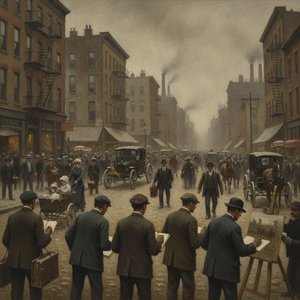
The Ashcan School: Capturing the Raw, Unfiltered Soul of Urban Life through American Realism
Discover the raw beauty of the Ashcan School. Explore how masters like Bellows and Henri captured the gritty, vibrant soul of early 20th-century New York through profound American Realism and evocative urban landscapes.