


 Podgląd w skali 1:1
 Wyślij jako kartkę
 Udostępnij
 Szczegóły dzieła
 Przewodnik

 Pobierz obraz
 Podobne obiekty
 RTG
RTG Pokaz slajdów
 Statystyki
Intimacy
 Conté Crayon
- Post-Impressionist Movement
 1890
1890 43.0 x 50.0 cm
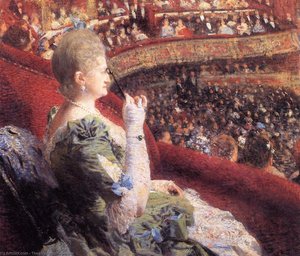
Theo Van Rysselberghe’s ‘Intimacy,’ a captivating 1890 crayon painting, showcases two women in quiet companionship within a Post-Impressionist scene. Explore this serene moment of connection and add a touch of timeless beauty to your collection.
 Rozwiń treść
Théo van Rysselberghe – pionier Neo-Impressionizmu, znany z żywych obrazów i portretów. Jego twórczość łączyła światło, kolor i symbolizm, wprowadzając innowacje w Belgii.
Kup wysokiej rozdzielczości, ulepszony obraz cyfrowy o jakości znacznie przewyższającej podgląd online.
Każdy plik jest starannie przygotowywany przez naszych specjalistów przy użyciu zaawansowanych narzędzi oraz profesjonalnej, ręcznej retuszy. Dbamy o to, aby każdy obraz cechował się wyjątkową ostrością, precyzyjnym odwzorowaniem kolorów i subtelnymi detalami.
Ostateczny plik dostarczany jest drogą mailową w ciągu 72 godzin, zoptymalizowany do natychmiastowego wykorzystania w profesjonalnych zastosowaniach redakcyjnych i poligraficznych. To ta sama jakość, której ufają czołowe studia projektowe, wydawnictwa oraz galerie sztuki.
Obraz cyfrowy
Pobierz plik o wysokiej rozdzielczości do osobistego użytku, druku oraz projektów kreatywnych. ( Przełącz na wydania drukowane Zamów ręcznie malowaną reprodukcję)
W każdym zamówieniu na obraz cyfrowy znajduje się
Profesjonalna dostawa cyfrowa z gwarancją
Wybierając TopImpressionists.com, nie otrzymujesz jedynie obrazu – otrzymujesz profesjonalnie udoskonalone cyfrowe dzieło sztuki, stworzone z najwyższą precyzją i objęte gwarancją satysfakcji. Oto wszystko, co automatycznie dołączane jest do Twojego zamówienia:

Błyskawiczna wysyłka e-mailowa
Plik z obrazem cyfrowym w wysokiej rozdzielczości zostanie przesłany na Twój adres e-mail w ciągu 72 godzin od złożenia zamówienia – gotowy do natychmiastowego użycia.

Plik cyfrowy wzbogacony przez AI
Twoja grafika została profesjonalnie zoptymalizowana przy użyciu zaawansowanych narzędzi AI oraz ręcznej edycji, co zapewnia maksymalną szczegółowość, klarowność i wierność kolorów.

Darmowe ponowne przesyłki dożywotnio
Przypadkowo usunąłeś lub zgubiłeś swój plik? Bez obaw – prześlemy go Tobie ponownie w dowolnym momencie, bez żadnych opłat.

Bez opłat importowych – zawsze
Ciesz się swoją sztuką natychmiast, bez żadnych opłat celnych, należności ani kosztów dostawy – pliki cyfrowe są zawsze wolne od podatku.

Gwarancja wierności kolorów
Dzięki zastosowaniu profesjonalnych narzędzi i procesów zarządzania barwą zapewniamy, że Twoje cyfrowe zdjęcie odzwierciedla oryginalne kolory tak wiernie, jak to tylko możliwe.

Gwarancja satysfakcji przez 100 dni
Jeśli nie będziesz zadowolony ze swojego cyfrowego obrazu, dokonamy jego poprawki lub zwrócimy 100% kosztów w ciągu 100 dni – bez zbędnych pytań.

100% Gwarancja zwrotu pieniędzy
Nie jesteś zadowolony? Otrzymaj pełny zwrot kosztów w ciągu 100 dni od otrzymania pliku cyfrowego – bez zbędnych pytań.

Rabaty przy zamówieniach hurtowych
Kup 3 obrazy, oszczędź 10% - Kup 5, oszczędź 15% - Kup 10+, oszczędź 20%. Idealne do projektów kreatywnych, galerii i agencji.
Theo Van Rysselberghe's Intimacy, created in 1890, is a captivating piece that embodies the essence of Post-Impressionism. This crayon painting measures 43 x 50 cm and presents a serene scene of two women engaged in quiet activities within a cozy room.
For those who appreciate the beauty of handmade oil painting reproductions, TopImpressionists offers a range of high-quality pieces that capture the essence of original works like Intimacy.
The Composition
The composition of Intimacy is characterized by its simplicity and elegance. Two chairs are placed on either side of the room, with one woman seated on the left, engrossed in reading a book. Her hand is positioned near her face, suggesting deep concentration or contemplation. The other woman, situated on the right, appears to be observing something else, possibly engaging in conversation or taking in the surroundings. A book lies nearby the woman on the left, reinforcing the idea that she is immersed in reading. The overall atmosphere of the painting exudes a sense of closeness and quiet companionship between the two women as they spend time together in this peaceful setting.Artistic Style
Theo Van Rysselberghe's use of crayon as the medium for Intimacy adds a unique texture and depth to the painting. The Post-Impressionist style is evident in the bold lines, vibrant colors, and the emphasis on capturing the emotional essence of the scene rather than strict realism.Context and Significance
Intimacy reflects the artist's ability to capture moments of everyday life with a sense of intimacy and warmth. This painting is part of a broader movement in art history that sought to break away from traditional techniques and explore new ways of expressing emotions and experiences.Relevance Today
Today, Intimacy can be found at the Musee d'Art Moderne et d'Art Contemporain de Liege (France), a haven for art lovers. This museum is renowned for its collection of modern and contemporary art, providing a rich context in which to appreciate Van Rysselberghe's work. For those interested in exploring more Post-Impressionist works, Vincent Van Gogh's Snow-Covered Cottages and Pine Trees in Front of the Wall of the Asylum are notable examples. These paintings, like Intimacy, capture the essence of everyday life with a unique blend of color and emotion. In conclusion, Intimacy by Theo Van Rysselberghe is a poignant representation of Post-Impressionist art, offering a glimpse into the quiet moments of human connection. Its presence in the Musee d'Art Moderne et d'Art Contemporain de Liege (France) underscores its significance in the broader context of modern and contemporary art.For those who appreciate the beauty of handmade oil painting reproductions, TopImpressionists offers a range of high-quality pieces that capture the essence of original works like Intimacy.
Pytania i odpowiedzi
Czy „Intimacy” – Teofil van Rysselberghe to obraz, rysunek czy grafika?
„Intimacy” – Teofil van Rysselberghe jest klasyfikowane jako wall art. Kategoria ta określa rodzaj dzieła, jakim jest oryginał.
Czy „Intimacy” – Teofil van Rysselberghe to dzieło o jasnej czy ciemnej kolorystyce?
Jasność dzieła „Intimacy” – Teofil van Rysselberghe wynosi brilliant, przy luminancji na poziomie Gentle Luminance.
Jakie są wymiary oryginalnego dzieła „Intimacy” – Teofil van Rysselberghe?
Oryginalny utwór „Intimacy” – Teofil van Rysselberghe ma wymiary 43 x 50 cm.
Podobne dzieła




Biografia artysty
A Pioneer of Light: The Life and Art of Théo van Rysselberghe
Théophile “Théo” van Rysselberghe, born in Ghent, Belgium, in 1862, emerged as a pivotal figure bridging the gap between Impressionism and Neo-Impressionism. His journey wasn’t one of immediate stylistic conviction but rather an evolving exploration sparked by travel, intellectual exchange, and a relentless pursuit of capturing light's essence. Coming from a comfortably bourgeois French-speaking family, van Rysselberghe received his initial artistic training at the Academy of Ghent under Theo Canneel, followed by studies at the prestigious Académie Royale des Beaux-Arts in Brussels. These formative years instilled in him a foundation rooted in traditional realism, evident in early works like *Self-Portrait with Pipe* (1880), characterized by somber tones and meticulous detail—a reflection of the prevailing Belgian artistic climate. However, even within these early pieces, hints of a burgeoning sensitivity to light and color began to surface, foreshadowing his future trajectory.Moroccan Impressions and the Birth of Les XX
A transformative chapter unfolded with van Rysselberghe’s voyages to Morocco between 1882 and 1888. These extended sojourns immersed him in a world of vibrant colors, intense sunlight, and exotic landscapes—a stark contrast to the subdued tones of his earlier work. Paintings like *Arabian Street Cobbler* (1882), *Arabian Boy* (1882), and *Resting Guard* (1883) demonstrate a growing fascination with capturing the effects of light on form, moving away from strict realism towards a more impressionistic sensibility. The Moroccan experience wasn’t merely about visual observation; it was an immersion into a different culture that broadened his artistic horizons and instilled a lifelong love for travel. He documented these experiences in numerous paintings, seeking to capture not just the appearance but also the atmosphere of the North African world. Upon returning to Brussels, van Rysselberghe became a driving force in the Belgian art scene, co-founding the influential group *Les XX* (The Twenty) in 1883 alongside Octave Maus and Émile Verhaeren. This collective served as a platform for showcasing avant-garde art, introducing new movements like Impressionism and Symbolism to a Belgian audience largely unfamiliar with such innovations. *Arabian Phantasia* (1884), a large-scale exotic painting depicting a Moroccan scene, became his most celebrated work from this period, demonstrating his mastery of light and composition. The group’s aim was to foster artistic experimentation and challenge established norms within the Belgian art world.Embracing Neo-Impressionism: A Scientific Approach to Color
The true turning point in van Rysselberghe’s artistic development arrived with his encounter with Georges Seurat's *A Sunday on La Grande Jatte* at the eighth Impressionist exhibition in Paris in 1886. Initially skeptical of Seurat’s meticulous “pointillist” technique—the systematic application of tiny dots of pure color—van Rysselberghe gradually came to appreciate its scientific basis and potential for achieving luminous effects. He began experimenting with divisionism, the Neo-Impressionist method of separating colors into their constituent parts and allowing the viewer’s eye to blend them optically. This wasn't simply a technical shift; it represented a fundamental change in his approach to painting—a move towards a more analytical and objective representation of light and color. He forged close friendships with other Neo-Impressionist painters like Paul Signac, traveling with him along the French Riviera and exchanging ideas about technique and theory. Van Rysselberghe distinguished himself within the movement by applying pointillism not only to landscapes but also to portraiture, creating strikingly vibrant and psychologically insightful likenesses of his family and friends—works such as *Madame Charles Maus* (1890) are prime examples. The meticulous layering of tiny dots created a shimmering effect, capturing the nuances of light and atmosphere with remarkable precision.A Lasting Legacy: Beyond Pointillism
While deeply committed to Neo-Impressionism for a significant period, van Rysselberghe eventually moved beyond its strict tenets in the late 1890s. He sought greater freedom in his brushwork and compositions, exploring new ways to express emotion and atmosphere. He continued to be a prolific artist, working in various media including furniture design, book illustration, and decorative arts. His influence extended far beyond Belgium, impacting artists like Piet Mondrian and Jan Toorop who were inspired by his innovative use of color and light. He also experimented with Symbolist themes, incorporating elements of mysticism and dream imagery into his work. His dedication to exploring the interplay of light, color, and form cemented his place as a true pioneer of modern painting. Van Rysselberghe’s works are now held in prominent museum collections worldwide, including the Musée du Luxembourg in Paris and the Museum voor Schone Kunsten in Ghent, ensuring that his contribution to the history of art continues to be celebrated and appreciated by generations to come. His legacy lies not only in his beautiful paintings but also in his role as a catalyst for artistic change—a champion of modernism who helped introduce new ideas and techniques to the Belgian art world.Key Works
* *Self-Portrait with Pipe* (1880) * *Child in an Open Spot of the Forest* (1880) * *Arabian Street Cobbler* (1882) * *Arabian Boy* (1882) * *Resting Guard* (1883) * *La Pointe Perkiridec Near Roscoff in Brittany* (1889) * *Madame Charles Maus* (1890) * *Family in the Orchard* (1890)
Teofil van Rysselberghe
1862 - 1926 , Belgia
Krótka nota
- Artistic Movement Or Style: Neo-Impressionizm
- Artists Or Movements Influenced By This Artist:
- Piet Mondrian
- Jan Toorop
- Artists Who Influenced This Artist:
- Jean-François Portaels
- Georges Seurat
- Paul Signac
- Date Of Birth: 23 listopada 1862
- Date Of Death: 13 grudnia 1926
- Full Name: Théo van Rysselberghe
- Nationality: Belgijski
- Notable Artworks:
- Arabian Phantasia
- Sevillan Woman
- Place Of Birth: Ghent, Belgia