

Shown: · With its frame:
 Podgląd w skali 1:1
 Wyślij jako kartkę
 Udostępnij
 Szczegóły dzieła
 Przewodnik

 Pobierz obraz
 Podobne obiekty
 RTG
RTG Pokaz slajdów
 Q&A
Q&A Statystyki
- 280.0 x 21.0 cm


zł 1145
Ręcznie malowana reprodukcja olejowa
Ręcznie malowany obraz olejny na płótnie, wykonany na zamówienie przez naszych artystów w wybranym przez Ciebie wymiarze i oprawie. ( Przełącz na wydania drukowane Przejdź do wersji cyfrowej)
Size
·Standardowy format
personalizowane
CM
INCH
Wybierz spośród naszych standardowych rozmiarów, które zachowują oryginalne proporcje dzieła sztuki.
Loading sizes...

szerokość
wysokość
Wpisz wymaganą szerokość i wysokość, aby obraz pasował do Twojej ramy lub ściany. Ponieważ jest to dzieło malowane ręcznie, w przypadku rozmiaru o innych proporcjach artysta może domalować nieco więcej wokół obrazu lub przyciąć jego fragmenty — wybór należy do Ciebie. Przed rozpoczęciem pracy prześlemy Ci cyfrową wizualizację do zatwierdzenia. Obraz widoczny na tej stronie nie przedstawia rzeczywistego efektu — jedynie wizualizacja oddaje realny rezultat.
 Dowiedz się więcej
Finish
·
White zł1

Blurside zł1

Extended zł1

P118B zł10

P118H zł10

P118W zł10

P438Z zł10

P508JH zł12

P508YH zł12

P805H zł10

P805Z zł10

P919BZ zł10

P919G zł10

P919XJ zł10

P959ZH zł10

P968JZ zł12

W106C zł8

W218G zł10

W218JH zł8

W218Y zł10

W307PJ zł10

W316G zł10

W316PJ zł8

W316Y zł10

W398PJ zł8

W4111J zł10

W500HY zł15

W500JH zł15

W692G zł12

W849H zł8

W940BG zł15

W953PJ zł8

H24-GOLD zł30

H24-SILVER zł30

H36-GOLD zł45

H36-SILVER zł45
Shipped in a protective tube, ready for your own framer.
Above 105 cm the frame is shipped as a kit for a professional framer — read the details.
Extras
optionalWhat do the extras include?
Examples of what can be changed: Replace face with customer photo; Add pet (e.g., replace cat with dog); Include hidden message in background; Change background landscape or elements.
After order, TopImpressionists.com team will email client for instructions and provide a mockup preview
After order, TopImpressionists.com team will email client for instructions and provide a mockup preview
Dostawa na całym świecie () w ciągu 3–4 tygodni zamiast standardowych 5 tygodni. (3 Listopad). Bez kompromisów w kwestii jakości.
Lakier ochronny
Etykieta obiektu
Szczegóły grawerowanej brązowej tabliczki
This elegant plaque features the artist's name and the title of the artwork, finely engraved for a timeless presentation.
It is made from bronze with a refined, elegant finish. The text is precisely laser-engraved for a sharp and permanent result. Measuring 9x2 cm, the plaque is compact yet easy to read. It's built to be durable and scratch-resistant, offering a professional, museum-quality look. Mounting is simple thanks to the included adhesive backing.
Szczegóły przezroczystej tabliczki akrylowej
The plaque includes essential engraved details such as the artist's name, the title of the artwork, the date it was created, the type of media used-like oil on canvas or watercolor-a brief description of the piece, and a QR code that links to the complete artwork information.
It is crafted from clear acrylic, offering a sleek, modern appearance. The text is UV-engraved in black to ensure strong visual contrast. With a size of 10x15 cm, it ensures optimal readability. It comes equipped with two metal hooks for secure wall mounting. The plaque is designed to be weather-resistant, making it suitable for various environments, and it includes interactive features that work seamlessly with smartphone scanning.
Szczegóły czarnej tabliczki akrylowej
This elegant plaque includes engraved information such as the artist's name, the title of the artwork, the date it was created, the type of media used (like oil on canvas or watercolor), a short description of the artwork, and a QR code for quick access to more information.
The plaque itself is made from refined black acrylic with a premium finish. The text is laser-engraved in white for high contrast and readability. Its size is 10x15 cm, designed to be easy to read. It comes with two metal hooks for professional mounting. The design is sleek and fits any interior style. It is also weather-resistant and durable, with built-in digital integration for mobile compatibility.
Opcja ze szkłem jest dostępna wyłącznie w rozmiarach poniżej 110 cm
 Opcja ze szkłem jest dostępna wyłącznie w rozmiarach poniżej 110 cm
- Bezpłatna ekspresowa wysyłka na cały świat
- Wysokiej jakości płótno lniane
- Pełne ubezpieczenie przesyłki
- Gwarancja zwrotu należności celnych i podatków importowych
- Gwarancja wiernego odwzorowania kolorów
- 100-dniowa polityka zwrotów (tylko w przypadku wad)
- Gwarancja 100% zwrotu pieniędzy
- Zniżka przy zakupie wielu sztuk


Opis obiektu
Discover Titian’s "The Annunciation" (1557), a Baroque masterpiece! Explore its dramatic lighting, dynamic composition & rich colors of this Venetian painting.
Biografia artysty
Tytjan Ramsay Peale II (1799-1885): Amerykański artysta łączący renesansową sztukę z obserwacją przyrody. Odkryj jego piękne obrazy i dziedzictwo!
About the painting
The Annunciation: A Baroque Dialogue of Grace and Revelation
Titian Ramsay Peale II’s “The Annunciation,” painted in 1557, is more than just a depiction of a pivotal biblical moment; it's a carefully constructed tableau brimming with the emotional intensity and dramatic lighting characteristic of late Renaissance – specifically, Baroque – art. This masterful work transports us to a space both sacred and subtly unsettling, inviting contemplation on themes of divine grace, human humility, and the profound mystery at the heart of faith. Peale’s interpretation diverges from purely literal representation, opting instead for a heightened emotionalism that resonates powerfully with viewers centuries later.
The scene unfolds within an undefined, almost dreamlike space – a dark void punctuated by subtle architectural elements suggesting a modest dwelling. The focus immediately draws the eye to the kneeling woman, Mary, rendered in exquisite detail. Her posture conveys both vulnerability and profound absorption; her hands clasped together, her gaze fixed upward with an expression of awe and gentle surprise. This isn’t merely a passive recipient of divine news but a figure actively engaged in a momentous encounter. The artist skillfully uses light to sculpt her form, highlighting the delicate contours of her face and emphasizing the weight of this revelation.
A Symphony of Color and Movement
Peale's palette is dominated by rich browns, deep golds, and muted reds – colors that evoke a sense of solemnity and reverence. These warm tones are juxtaposed with cooler blues and purples in the swirling clouds above, creating a dynamic interplay between earthly humility and celestial splendor. The drapery, particularly the voluminous robes of the angel, is rendered with meticulous attention to detail, utilizing layered impasto – thick applications of paint that create a tactile, almost sculptural effect. This technique not only adds depth and texture but also contributes to the overall sense of drama and movement within the composition.
The use of curved lines—particularly in the flowing drapery and the wings of the angel—is paramount to the painting’s dynamic feel. These lines guide the viewer's eye through the scene, creating a sense of continuous motion and upward aspiration. The positioning of the ascending cherubs further reinforces this feeling of ascension, symbolizing the divine presence reaching down to earth. The pyramidal composition, anchored by Mary’s kneeling form and culminating in the angel and celestial elements, provides stability while simultaneously directing the eye upwards towards the heavens.
Symbolism and Artistic Echoes
“The Annunciation” is rich in symbolic meaning. The angel, rendered with powerful wings and a commanding presence, represents divine grace and the messenger of God’s will. Mary's posture embodies humility and receptivity – she is not demanding answers but humbly accepting the extraordinary news. The architectural details, though subtly suggested, hint at the familiar setting of Nazareth, grounding the miraculous event in a tangible reality. The painting draws heavily on the artistic traditions of the High Renaissance, particularly the works of Raphael and Leonardo da Vinci, yet Peale imbues it with a distinctly Baroque sensibility – a heightened emotionalism, dramatic lighting, and an emphasis on movement and dynamism.
Furthermore, it’s important to consider Peale's lineage. As the son of Charles Willson Peale, a pivotal figure in early American art and founder of the first museum, Titian Ramsay Peale II inherited a legacy of scientific observation and artistic exploration. This influence is evident in his meticulous detail and his commitment to capturing both the beauty and the complexity of the natural world – as seen in his extensive wildlife paintings. “The Annunciation” thus represents a fascinating synthesis of High Renaissance ideals with New World sensibilities, creating an artwork that is both timelessly beautiful and deeply rooted in its historical context. It’s a powerful testament to the enduring appeal of religious iconography and the artist's ability to translate profound spiritual themes into visually arresting form.
Pytania i odpowiedzi
W jaki sposób nurt i epoka przenikają się w „The Annunciation” – Tytjan Ramsay Peale II?
„The Annunciation” – Tytjan Ramsay Peale II reprezentuje nurt Baroque, powstały w epoce – Wiek XIX swojego twórcy.
Jakie umiejscowienie najlepiej pasuje do formatu dzieła „The Annunciation” – Tytjan Ramsay Peale II?
Format (Portrait) oraz rekomendowana przestrzeń (Living Room) to dwa parametry dotyczące rozmieszczenia dzieła „The Annunciation” – Tytjan Ramsay Peale II.
Czy mogę zobaczyć „The Annunciation” – Tytjan Ramsay Peale II na własnej ścianie przed zakupem?
„The Annunciation” posiada podgląd w rozszerzonej rzeczywistości: strona Podgląd w AR pozwala zobaczyć dzieło w Twojej własnej przestrzeni na kompatybilnym urządzeniu.
Quick facts and art quiz
About Tytjan Ramsay Peale II

Tytjan Ramsay Peale II
1799 - 1885, Stany Zjednoczone
Biografia artysty
Echo Renesansu w Nowym Świecie
Titian Ramsay Peale II zajmuje fascynującą, często pomijaną pozycję w krajobrazie amerykańskiej sztuki XIX wieku. Urodzony w Filadelfii w 1799 roku, dorastał w artystycznej rodzinie jako najmłodszy syn Charlesa Willsona Peale’a – kluczowej postaci wczesnego portretu amerykańskiego i założyciela pierwszego muzeum w kraju. Choć dziedzictwo ojca było ogromne, Titian wytyczył własną ścieżkę, głęboko zakorzenioną w estetycznych ideałach Wysokiego Renesansu, a zwłaszcza tych płynących z Wenecji. Nie ograniczał się do naśladowania stylów; kanalizował głębokie wrażliwości artystyczne, wpajając swoim płótnom precyzyjne detale i żywą paletę barw, które odróżniały go od wielu współczesnych malarzy. Jego życie rozwijało się w tle rodzącej się tożsamości amerykańskiej, a jego serce artystyczne pozostawało związane z mistrzami klasycznymi, tworząc przekonujące napięcie między szacunkiem dla Starego Świata a ekspresją Nowego.Od Szkicownika Przyrodnika do Płótna Malarza
Wczesne lata Peale’a charakteryzowały się podwójną fascynacją sztuką i historią naturalną – połączeniem pielęgnowanym przez wieloaspektowe zainteresowania jego ojca. Towarzyszył ekspedycjom, w szczególności podróży Stephena Harrimana Longa do Gór Skalistych w latach 1819-20, dokumentując florę i faunę z rosnącą precyzją artystyczną. Ten okres nie dotyczył jedynie rejestrowania obserwacji; chodziło o *rozumienie* formy, światła i tekstury – umiejętności, które okazały się bezcenne, gdy w pełni poświęcił się malarstwu. Jego praca jako przyrodnika wpłynęła na jego sztukę, dodając naukową precyzję do przedstawień świata natury, ale także nasycając je emocjonalnym rezonansem wykraczającym poza zwykłą dokumentację. Nie pokazywał nam tylko tego, jak rzeczy wyglądają; ujawniał ich wewnętrzne piękno i duchowe znaczenie. To oddanie obu dyscyplin widać w takich dziełach jak „Trybut,” dramatyczny obraz ukazujący mistrzowskie światło i cień przypominające Rubensa, oraz "Nimfa i Pasterz", łączące naturę, mitologię i zmysłową urodę.Weneckie Inspiracje i Wizje Sakralne
Wpływ weneckiego koloryzmu – nacisku na bogate, świetliste barwy i efekty atmosferyczne promowane przez artystów takich jak Tycjan (od którego Titian zaczerpnął swoje imię) – jest niezaprzeczalny w twórczości Peale’a. Nie kopiował po prostu tych mistrzów; internalizował ich zasady i dostosowywał je do własnej wizji artystycznej. Jest to szczególnie widoczne w jego pracach religijnych, takich jak „Ołtarz ze Świętymi” i "Adoracja Pasterzy". Te obrazy nie są jedynie przedstawieniami scen biblijnych; to immersyjne doświadczenia, które wprowadzają widza w świat kontemplacji duchowej poprzez starannie skomponowane kompozycje i mistrzowskie użycie koloru wywołujące emocje. Skrupulatna dbałość o szczegóły w tych pracach świadczy nie tylko o jego umiejętnościach technicznych, ale także o głębokim szacunku dla tematu. „Piękność”, uderzający portret, dodatkowo demonstruje jego zdolność do uchwycenia ludzkiej formy i charakteru z elegancją i wyrafinowaniem.Odkrycie na Nowo i Trwałe Znaczenie
Przez większą część XX wieku Titian Ramsay Peale II pozostawał w dużej mierze pomijany przez narracje historyczne sztuki. Jego praca nie pasowała idealnie do dominujących trendów, a jego oddanie klasycznemu stylowi wydawało się anachroniczne w szybko zmieniającym się krajobrazie artystycznym. Jednak w ostatnich latach obserwuje się rosnącą ponowną ocenę jego dorobku. Naukowcy i kolekcjonerzy dostrzegają unikalne połączenie amerykańskiej wrażliwości i europejskich tradycji, które charakteryzują jego obrazy. Odkrycie na nowo jego twórczości nie dotyczy jedynie wypełniania luk w historii sztuki; chodzi o pogłębienie zrozumienia złożonych sił kulturowych, które ukształtowały XIX-wieczną Amerykę. Peale reprezentuje pomost między światami, świadectwo trwałej mocy klasycznych ideałów i przypomnienie, że artystyczna innowacja często wynika z nieoczekiwanych połączeń wpływów. Jego obrazy, znajdujące się obecnie w kolekcjach takich jak TopImpressionists, Galeria Uffizi i Palazzo Pitti, oferują fascynujący wgląd w zapomniany zakątek amerykańskiej historii sztuki – zakątek oświetlony promienistym blaskiem Renesansu.- Ruch artystyczny lub styl: Wysoki Renesans
- Artyści, którzy wpłynęli na tego artystę: Tycjan, mistrzowie weneccy
- Data urodzenia: 1799
- Data śmierci: 1885
- Pełne imię: Titian Ramsay Peale II
- Narodowość: Amerykańska
- Znane dzieła: „Ołtarz ze Świętymi”, "Adoracja Pasterzy", „Piękność”, „Trybut”, „Święta Rodzina z Pasterzem”, „Nimfa i Pasterz”
Quick facts about Tytjan Ramsay Peale II
- Artyści Lub Ruchy, Na Które Artysta Wpłynął: Nieznane
- Artyści, Którzy Wpłynęli Na Artystę:
- Tycjan
- Rubens
- Data Urodzenia: 1799
- Data Śmierci: 1885
- Miejsce Urodzenia: Filadelfia, USA
- Narodowość: Amerykańska
- Pełne Imię I Nazwisko: Titian Ramsay Peale II
- Ruch Artystyczny: Wysoki renesans
- Znane Dzieła:
- Ołtarz ze Świętymi
- Adoracja Pasterzy
- Piękna
- Trybut
- Nimfa i pasterz
Odkryj dzieła sztuki uporządkowane według tematów, stylów i cech charakterystycznych.




Tytjan Ramsay Peale II
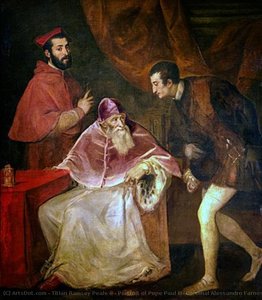
The Annunciation
() ·
With its frame: · Hand-painted in oil on linen
Total