

 Podgląd w skali 1:1
 Wyślij jako kartkę
 Udostępnij
 Szczegóły dzieła
 Przewodnik

 Pobierz obraz
 Podobne obiekty
 RTG
RTG Pokaz slajdów
 Statystyki
Emperor Jimmu

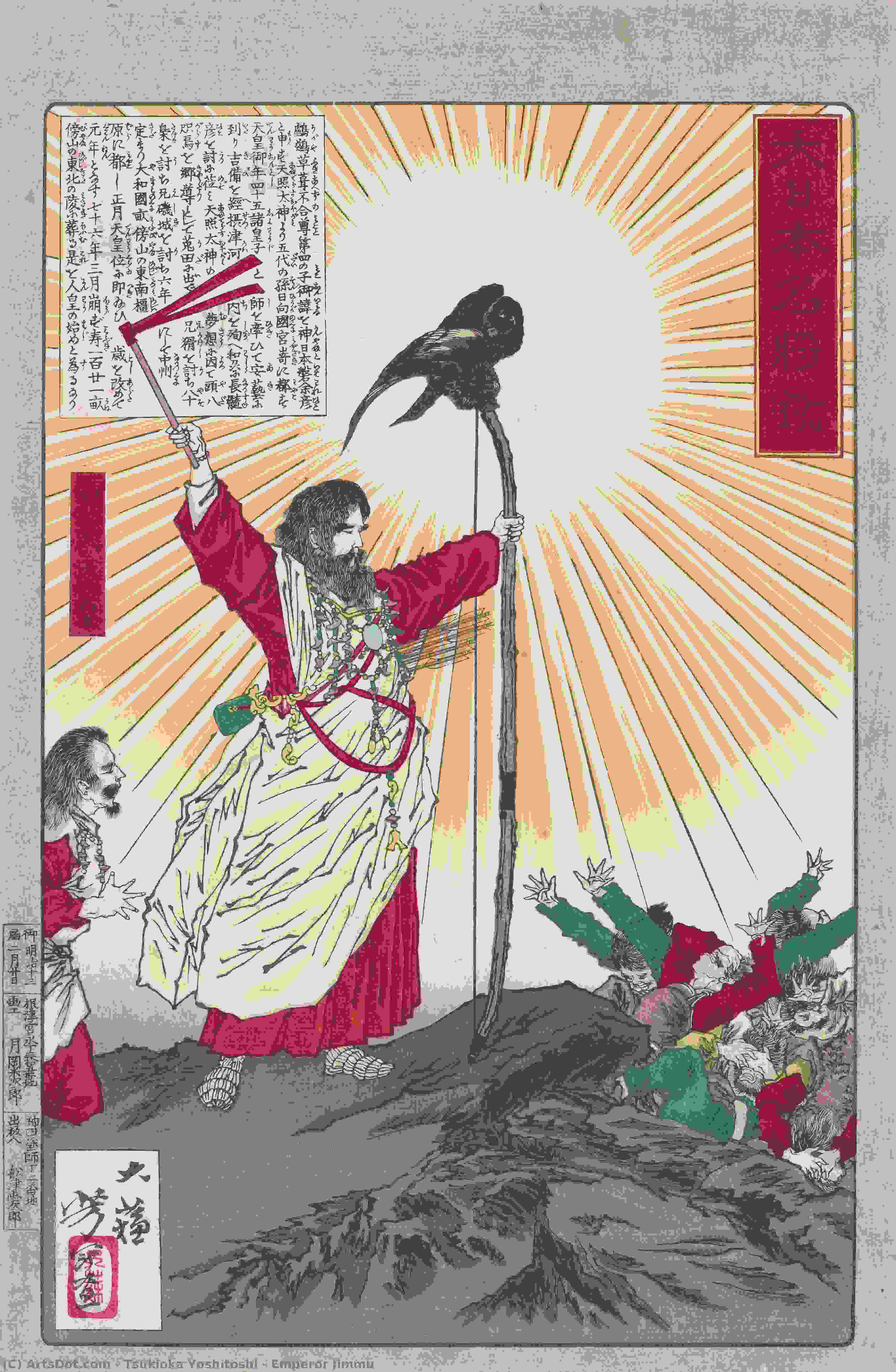
Tsukioka Yoshitoshi - „Emperor Jimmu” – ikona Japonii! Dramatyczna reprodukcja drewnianej grafiki z serii „Mirror of Famous Generals”, ukazująca legendarną pierwszą osobę rządzącą Japonią. Klasyka ukiyo-e.
 Rozwiń treść
Tsukioka Yoshitoshi (1839-1892): Ostatni mistrz ukiyo-e, znany z dramatycznych scen i innowacyjnego talentu, oddającego ducha burzliwej Japonii. Zobacz jego serię wojennych wydruków!
Ręcznie malowana reprodukcja olejowa
Ręcznie malowany obraz olejny na płótnie, wykonany na zamówienie przez naszych artystów w wybranym przez Ciebie wymiarze i oprawie. ( Przełącz na wydania drukowane Przejdź do wersji cyfrowej)




P118B zł10

P118H zł10

P118W zł10

P438Z zł10

P508JH zł12

P508YH zł12

P805H zł10

P805Z zł10

P919BZ zł10

P919G zł10

P919XJ zł10

P959ZH zł10

P968JZ zł12

W106C zł8

W218G zł10

W218JH zł8

W218Y zł10

W307PJ zł10

W316G zł10

W316PJ zł8

W316Y zł10

W398PJ zł8

W4111J zł10

W500HY zł15

W500JH zł15

W692G zł12

W849H zł8

W940BG zł15

W953PJ zł8




Standardowy format
personalizowane
CM
INCH
Wybierz spośród naszych standardowych rozmiarów, które zachowują oryginalne proporcje dzieła sztuki.
Loading sizes...

szerokość
wysokość
Wpisz wymaganą szerokość i wysokość, aby obraz pasował do Twojej ramy lub ściany. Ponieważ jest to dzieło malowane ręcznie, w przypadku rozmiaru o innych proporcjach artysta może domalować nieco więcej wokół obrazu lub przyciąć jego fragmenty — wybór należy do Ciebie. Przed rozpoczęciem pracy prześlemy Ci cyfrową wizualizację do zatwierdzenia. Obraz widoczny na tej stronie nie przedstawia rzeczywistego efektu — jedynie wizualizacja oddaje realny rezultat.
Przykłady możliwych zmian: Zamień twarz na zdjęcie klienta; Dodaj zwierzę domowe (np. zamień kota na psa); Ukryj wiadomość w tle; Zmień krajobraz lub elementy tła.
Po złożeniu zamówienia zespół TopImpressionists.com skontaktuje się z klientem drogą mailową w celu uzyskania instrukcji i prześle wizualizację projektu
Po złożeniu zamówienia zespół TopImpressionists.com skontaktuje się z klientem drogą mailową w celu uzyskania instrukcji i prześle wizualizację projektu
Dostawa na całym świecie () w ciągu 3–4 tygodni zamiast standardowych 5 tygodni. (27 Październik). Bez kompromisów w kwestii jakości.

Bezpłatna ekspresowa wysyłka na cały świat

Wysokiej jakości płótno lniane

Pełne ubezpieczenie przesyłki

Gwarancja zwrotu należności celnych i podatków importowych

Gwarancja wiernego odwzorowania kolorów

100-dniowa polityka zwrotów (tylko w przypadku wad)

Gwarancja 100% zwrotu pieniędzy

Zniżka przy zakupie wielu sztuk
 Opcja ze szkłem jest dostępna wyłącznie w rozmiarach poniżej 110 cm

Emperor Jimmu
Technika reprodukcji
Wymiary reprodukcji
-


Cena całkowita
zł 1034
A Vision of Japan's Founding Myth
Tsukioka Yoshitoshi, a luminary of Japan’s Edo period (1603-1868), transcends mere artistic representation; he crafts narratives that breathe life into history. “Emperor Jimmu,” showcased as a meticulously crafted oil reproduction on TopImpressionists.com, isn’t simply a depiction of legend—it's an embodiment of Japan’s enduring spirit and Yoshitoshi’s unparalleled artistic vision.
The Ukiyo-e Legacy: Innovation Within Tradition
Yoshitoshi stands as the final bastion of *ukiyo-e*, a movement that revolutionized Japanese art between the 17th and 19th centuries. Unlike its predecessors, which often adhered to strict conventions, *ukiyo-e* embraced dynamism and experimentation—traits vividly captured in prints like “One Hundred Aspects of the Moon” and “The Great Wave Off Kanagawa.” Yoshitoshi’s approach mirrored this ethos; he skillfully blended traditional woodblock printing techniques with groundbreaking stylistic elements, resulting in images that pulsed with energy and emotion.
A Portrait of Mythic Leadership
"Emperor Jimmu" portrays the revered first emperor of Japan—a figure steeped in folklore and considered to be divine. Yoshitoshi’s masterful composition depicts Jimmu standing atop a hill, accompanied by a bird symbolizing wisdom and guidance. The scene is rich with symbolism: Jimmu's posture exudes authority, mirroring the regal bearing of Buddhist saints; his hand firmly grasps a bow adorned with a golden crow—a creature revered for its association with imperial power and divine protection.
Technique and Artistic Influence
Yoshitoshi’s artistic prowess shone through in his meticulous attention to detail. He employed vibrant colors, achieved through layering pigments onto woodblocks, creating textures that convey depth and realism. Furthermore, he skillfully manipulated perspective—a technique rarely explored in earlier *ukiyo-e*—to heighten the dramatic impact of the scene. This innovative approach profoundly influenced subsequent artists, establishing Yoshitoshi as a pivotal figure in Japanese art history.
Beyond Reproduction: Capturing Essence
While this oil reproduction offers a tangible connection to Yoshitoshi’s masterpiece, it's crucial to recognize that true appreciation lies in understanding the artwork’s underlying narrative and emotional resonance. “Emperor Jimmu” transcends mere visual beauty; it encapsulates Japan’s foundational myth—a tale of courage, divine intervention, and the establishment of a glorious kingdom. Like Yoshitoshi’s other celebrated works – including "First Law Enforcer Torii Sun" – this painting invites contemplation on themes of leadership, spirituality, and the enduring power of storytelling.
Pytania i odpowiedzi
Gdzie można kupić ręcznie malowane reprodukcje dzieła „Emperor Jimmu” – Tsukioka Yoshitoshi?
Ręcznie malowane reprodukcje dzieła „Emperor Jimmu” – Tsukioka Yoshitoshi można nabyć na stronie niniejsza strona: ręcznie malowana reprodukcja olejowa na płótnie lnianym, zamawiając je bezpośrednio w zakładce Ręcznie malowana reprodukcja.
Gdzie mogę kupić wydruk „Emperor Jimmu” – Tsukioka Yoshitoshi?
„Emperor Jimmu” jest dostępny jako szlachetna odbitka na płótnie bawełnianym lub archiwalnym papierze o strukturze płótna. Zamówienia można składać na stronie Wydruk artystyczny premium, wybierając dowolny rozmiar.
Jaka technika i styl charakteryzują „Emperor Jimmu” – Tsukioka Yoshitoshi?
„Emperor Jimmu” – Tsukioka Yoshitoshi łączy technikę Akryl na płótnie z nurtem Ukiyo-e Art Movement. Technika i styl określają sposób wykonania oraz estetykę dzieła.
Biografia artysty
A Life Etched in Ink and Wood: The World of Tsukioka Yoshitoshi
Tsukioka Yoshitoshi, urodzony Owari Yonejiro w 1839 roku w tętniących życiem ulicach Edo (dzisiejszego Tokio), stanowi monumentalną postać w historii japońskiego sztuki. Szeroko uważa się go za ostatniego wielkiego mistrza *ukiyo-e*, „obrazów pływających świata”, choć ograniczenie jego dziedziny jedynie do tego tytułu jest niewystarczające. Yoshitoshi nie był tylko strażnikiem tradycji; był innowatorem, wizjonerskim opowiadaczem historii, który odważnie uchwycił burzliwy ducha Japonii przechodzącej głęboką transformację. Jego życie rozwinęło się na tle społecznych wstrząsów – ostatnich lat Tokugawa, Restauracji Meiji i gwałtownego napływu idei zachodnich, które wszystkie głęboko wpływały na jego artystyczną wizję. Od skromnych początków syna kupca, podniesionego do rangi samuraja, droga Yoshitoshi doprowadziła go do uczniostwa u Utagawy Kuniyoshi, mistrza, którego wpływ był niezatarci. Ta formatywna epoka nie tylko nadała mu umiejętności techniczne, ale także głębokie zrozumienie narracji i dynamicznego kompozycji.Od Uczenia się do Niezależności Artystycznej
Wczesne lata Yoshitoshi były naznaczone rygorami szkolenia *ukiyo-e* pod okiem Kuniyoshi. Absorbował techniki swojego mistrza, doskonaląc rysunek i ucząc się przekształcać historie w przekonujące wizualnie formy. Jednak Yoshitoshi szybko zaczął kształtować własną ścieżkę. Początkowo pracując zgodnie z ugruntowanymi konwencjami, wkrótce wykazał się gotowością do łamania granic, szczególnie w przedstawieniach przemocy i śmierci. Nie były to przypadkowe okazywanie brutalności, ale raczej odzwierciedlenia niepokojów epoki i osobistych tragedii – śmierć zarówno ojca, jak i Kuniyoshi głęboko wpłynęła na jego artystyczną drogę. Lata między 1860 a 1865 przyniosły Yoshitoshi uznanie za to, co stało się znane jako jego „obrazy krwawych”, seria charakteryzująca się graficznym obrazem i dramatyczną intensywnością. Seria takie jak *Eimei nijûhasshûku* (Wielu Czternastu Znanych Zabójstw z Wierszem) szokowała i fascynowała publiczność, przedstawiając sceny brutalnych zabójstw w oszałamiającej szczegółowości. Ta gotowość do konfrontacji mrocznych tematów odróżniała go od wielu jego czasowników. Eksperymentował z różnymi seriami i motywami, w tym popularną *Tsūzoku saiyūki* (“Nowa Podróż na Zachód”) i *Wakan hyaku monogatari* (“Sto Opowieści o Chinach i Japonii”), demonstrując wszechstronność, która dodatkowo umocniła jego reputację.Innowacja w Zmieniającym Się Świecie
Geniusz Yoshitoshi nie polegał jedynie na tematyce, ale także na technice artystycznej. Mistrzowsko łączył tradycyjne japońskie estetyki z wpływami zachodnimi, czerpiąc elementy perspektywy i kompozycji z importowanych obrazów i rysunków. Ta fuzja stworzyła unikalny język wizualny, który był jednocześnie wyraźnie japoński i oszałamiająco nowoczesny. Wraz z przyjęciem przez Japonia modernizacji nowe technologie, takie jak fotografia i litografia, zagrażały samej istnieniu *ukiyo-e*. Yoshitoshi dostrzegł ten wyzwanie i odpowiedział na niego podnosząc swoje rzemiosło do bezprecedensowego poziomu artystycznego. Eksperymentował z paletami kolorów, doskonalił techniki rytograficzne i łamał granice narracji w medium drzeworytarskim. Seria *Musha Burui* (Obrazy Wojowników) jest tego przykładem – każdy obraz to dynamiczna eksplozja akcji i emocji, prezentująca jego umiejętności w przedstawianiu bohaterskich postaci i dramatycznych bitew. Rozumiał, że aby przetrwać, *ukiyo-e* musiało ewoluować, a on poświęcił się zapewnieniu, że jego duch będzie trwał dla kolejnych pokoleń.Historia i Trwały Wpływ
Pomimo ogromnych wyzwań – trudności finansowych, osobistych rozterek i upadku tradycyjnych form artystycznych – Yoshitoshi pozostał wierny swojej misji. Pracował nieustannie do śmierci w 1892 roku, pozostawiając po sobie ogromne portfolio, które nadal wzbudza podziw i zachwyt. Chociaż jego bezpośredni wpływ na kolejne pokolenia japońskich artystów jest dyskutowany, nie ma wątpliwości co do jego historycznego znaczenia. Yoshitoshi stanowi ostatniego wielkiego mistrza *ukiyo-e*, kluczową postać, która zachowała i podniosła formę sztuki w okresie głębokich zmian. Jego odwagę, wizję i niezachwianą determinację zapewniły, że duch „pływającego świata” będzie trwał dla przyszłych pokoleń. Dziś jego obrazy są celebrowane w muzeach i kolekcjach na całym świecie, świadectwa jego trwałego dziedzictwa artystycznego.Ostatnia Dodana Szczegółość: Trwałe Dziedzictwo Yoshitoshi
- Zachowanie Tradycji: W szybko modernizującym się Japonii Yoshitoshi bronił tradycyjnych technik rytograficznych.
- Innowacja Artystyczna: Łączył japońskie estetyki z wpływami zachodnimi, tworząc unikalny i dynamiczny styl.
- Narracyjna Moc: Jego obrazy są znane ze swojej przekonującej narracji i dramatycznej intensywności.
- Dokumentacja Historyczna: Obrazy Yoshitoshi dostarczają cennych informacji na temat krajobrazu społecznego, politycznego i kulturowego Japonii w XIX wieku.
- Jego trwałe dziedzictwo jest świadczone o ciągłym podziwie dla jego sztuki ze strony kolekcjonerów i entuzjastów sztuki na całym świecie.

Tsukioka Yoshitoshi
1839 - 1892 , Japonia
Krótka nota
- Artistic Movement Or Style: *Ukiyo-e*
- Artists Or Movements Influenced By This Artist: ['Przyszli japońscy artyści']
- Artists Who Influenced This Artist: ['Kuniyoshi']
- Date Of Birth: 30 kwietnia 1839
- Date Of Death: 9 czerwca 1892
- Full Name: Tsukioka Yoshitoshi
- Nationality: Japoński
- Notable Artworks:
- Tokugawa Iemitsu
- Musha-e Series
- Sukune - Yoshitoshi
- Place Of Birth: Tokio, Japonia
Powiązane artykuły

Floating Worlds: The Timeless Elegance and Cultural Magic of Ukiyo-e Art
Embark on a cultural journey through the enchanting world of Ukiyo-e. Discover the history, masters like Hokusai, and the vibrant Edo period aesthetics that continue to inspire art lovers worldwide with their timeless beauty and intricate woodblock craftsmanship.
Odkryj dzieła sztuki uporządkowane według tematów, stylów i cech charakterystycznych.


