Zobacz w skali 1:1
 Wyślij
 Udostępnij
 Szczegóły
 Przewodnik

 Pobierz plik obrazu
 Podobne obiekty
 RTG
RTG Pokaz slajdów
 Statystyki
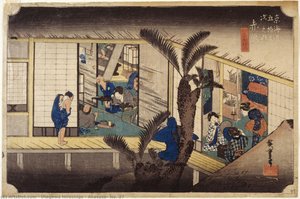
Papuga i winogrona


Urokliwy drzeworyt Hiroshige przedstawiający papugę na łodydze winorośli – klasyka japońskiej sztuki dekoracyjnej z okresu Edo. Odkryj piękno i atmosferę tego obrazka!
 Czytaj więcej
Utagawa Hiroshige – japoński malarz ukiyo-e, znany z poetyckich krajobrazów i serii "Pięćdziesiąt trzy stacje na gościńcu Tōkaidō". Jego prace inspirowały Van Gogha i inne europejskie ruchy artystyczne, uchwycując piękno i ulotność Japonii.
Giclée / Wydruk artystyczny
Wydruki giclée lub płótna o jakości muzealnej, szybka realizacja i szeroki wybór opcji wykończenia. ( Kup ręcznie malowany obraz Przełącz na wersję cyfrową)




P118B zł10

P118H zł10

P118W zł10

P438Z zł10

P508JH zł12

P508YH zł12

P805H zł10

P805Z zł10

P919BZ zł10

P919G zł10

P919XJ zł10

P959ZH zł10

P968JZ zł12

W106C zł8

W218G zł10

W218JH zł8

W218Y zł10

W307PJ zł10

W316G zł10

W316PJ zł8

W316Y zł10

W398PJ zł8

W4111J zł10

W500HY zł15

W500JH zł15

W692G zł12

W849H zł8

W940BG zł15

W953PJ zł8




Standardowy
na zamówienie
CM
INCH
Wybierz spośród naszych standardowych rozmiarów, które zachowują oryginalne proporcje dzieła sztuki.
Loading sizes...

szerokość
wysokość
Wpisz wymaganą szerokość i wysokość, aby dopasować grafikę do ramy lub ściany. Wydruk można jedynie przyciąć, nigdy nie powiększając go poza oryginalny obraz, dlatego format o innym proporcji spowoduje utratę części kompozycji. Przed rozpoczęciem druku prześlemy Ci cyfrowy podgląd do zatwierdzenia. Obraz wyświetlany na tej stronie nie pokazuje rzeczywistego przycięcia — jedynie podgląd oddaje ten efekt.
Dostawa na cały świat () w ciągu 2 tygodni zamiast standardowych 4/5 tygodni. (22 Październik)

Bezpłatna ekspresowa wysyłka na cały świat

Wysokiej jakości płótno lniane

Pełne ubezpieczenie transportowe

Gwarancja zwrotu należności celnych i podatków importowych

Gwarancja idealnego odwzorowania barw

100-dniowy okres na zwrot dzieła w przypadku wykrycia wad produkcyjnych

Gwarancja 100% zwrotu pieniędzy

Oferta przy zakupie wielu sztuk
 Opcja ze szkłem jest dostępna wyłącznie w rozmiarach poniżej 110 cm

Papuga i winogrona
Giclée / Wydruk artystyczny
Rozmiar reprodukcji
-


Suma do zapłaty
zł 265
Utagawa Hiroshige: A Poetic Vision of Edo Japan
The woodblock print “Parrot and Grape Vines” by Utagawa Hiroshige is more than just a depiction of a tranquil garden scene; it’s a masterful distillation of the artistic spirit that defined Edo Japan—a period characterized by refined aesthetics, meticulous observation of nature, and an enduring fascination with capturing fleeting moments. Created circa 1832-34 during Hiroshige's prolific output as part of his celebrated Tokaido Series, this artwork exemplifies the artist’s signature approach to landscape painting: prioritizing atmosphere and emotion over precise topographical accuracy.- Subject Matter & Composition: At first glance, the print presents a serene tableau featuring a vibrant parrot perched atop a branch laden with plump grape vines. Scattered amongst the foliage are several additional birds—a subtle detail that underscores Hiroshige’s keen awareness of avian behavior and its role in conveying seasonal rhythms. Two figures appear in the background, adding a human element to the natural panorama – one positioned near the upper left corner and another closer to the lower right, subtly grounding the scene within the broader context of Edo society.
- Style & Technique: Hiroshige’s technique—known as *bokubutsu-ga* or “multi-block print”—is a testament to Japanese craftsmanship. Skilled artisans painstakingly carve woodblocks according to precise designs, applying ink in multiple layers to achieve astonishing tonal gradations and textural nuances. The resulting image possesses an ethereal quality, capturing the diffused light of dusk and conveying a palpable sense of stillness.
Historical Context: Edo Period Landscape Painting
Hiroshige’s work emerged during a pivotal moment in Japanese history—the Tokugawa shogunate’s reign (1689-1867). This era fostered an environment of artistic patronage and encouraged experimentation with new visual conventions. Unlike European landscape painters who sought to represent the grandeur of mountainous vistas, Hiroshige focused on capturing the subtle beauty of ordinary gardens and rural landscapes—a deliberate choice that reflected a broader cultural preoccupation with contemplation and harmony. The Tokaido Series specifically aimed to commemorate the pilgrimage route between Edo (Tokyo) and Kyoto – a journey undertaken by samurai and merchants alike – transforming it into an artistic canvas for conveying the spirit of the season.Symbolism & Emotional Impact
Beyond its visual splendor, “Parrot and Grape Vines” resonates with deeper symbolic meanings. The parrot itself is often associated with longevity and prosperity—a motif frequently employed in Japanese art to express wishes for good fortune. Similarly, grape vines symbolize fertility and abundance – mirroring the aspirations of Edo-era Japan as it navigated a complex period of economic growth and social transformation. Hiroshige’s masterful use of color and light contributes significantly to the artwork's emotional impact, evoking feelings of tranquility, nostalgia, and appreciation for the ephemeral beauty of nature. It invites viewers to pause and contemplate the passage of time—a timeless theme that continues to captivate audiences today.Legacy & Influence
Utagawa Hiroshige’s influence extends far beyond Japan's borders. His innovative approach to landscape painting captivated Impressionist artists like Claude Monet and Vincent van Gogh, who adopted his techniques of tonal gradation and atmospheric perspective—a pivotal moment in the history of Western art. “Parrot and Grape Vines,” therefore, stands as a symbol not only of Edo Japan’s artistic heritage but also of its enduring legacy as an inspiration for generations of artists seeking to capture the essence of beauty and emotion.Pytania i odpowiedzi
Jaki kolor dominuje w kompozycji „Papuga i winogrona” autorstwa Utagawa Hiroshige?
Kolorem, który najbardziej wyróżnia się w "Papuga i winogrona", jest Beż szary (#eadabd). Dominujący kolor jest pomocny przy dopasowywaniu dzieła sztuki do wnętrza.
Czy dostępna jest prezentacja multimedialna dla „Papuga i winogrona” autorstwa Utagawa Hiroshige?
Dzieło „Papuga i winogrona” autorstwa Utagawa Hiroshige można obejrzeć w formie pokazu slajdów na stronie Pokaz slajdów danego dzieła.
Jakie miejsce zajmuje „Papuga i winogrona” wśród powracających motywów w twórczości Utagawa Hiroshige?
„Papuga i winogrona” przedstawia japanese art, woodblock print, landscape view, birds scene, floral motif, edo period, hiroshige style, botanical illustration, podczas gdy utrwalone motywy Utagawa Hiroshige to romantic landscape tradition, symbolic edo aesthetics, nature’s tranquility reflection, hiroshige’s signature style, japanese artistic legacy. Porównanie tych dwóch elementów ukazuje, jak dzieło odnosi się do typowej dla tego artysty tematyki.
Biografia artysty
A Poetic Vision of Edo Japan: The Life and Art of Utagawa Hiroshige
Utagawa Hiroshige, born Andō Tokutarō in 1797 in the bustling city of Edo (modern Tokyo), stands as a pivotal figure in the world of *ukiyo-e*, or “pictures of the floating world.” Though deeply rooted in the traditions of Japanese woodblock printing, Hiroshige transcended mere replication, imbuing his landscapes with a poetic sensibility that resonated profoundly both within Japan and, later, across the Western art world. His life unfolded during a period of relative peace and prosperity under the Tokugawa shogunate, yet also one marked by increasing social change and eventual westernization – forces that would ultimately contribute to the decline of *ukiyo-e* even as they amplified Hiroshige’s enduring legacy. Initially destined for a more conventional path within a samurai family—his father served as a fire warden—Hiroshige's artistic inclinations led him to apprenticeship under Utagawa Toyohiro, a master of the Utagawa school. This proved a crucial turning point, steering him away from the popular depictions of courtesans and actors favored by many *ukiyo-e* artists toward a focus on landscape, a genre he would ultimately redefine.From Genre Scenes to Evocative Landscapes
Hiroshige’s early work adhered to the conventions of his school, featuring portraits and scenes from daily life. These initial pieces demonstrated technical proficiency but lacked the distinctive vision that would later characterize his most celebrated works. However, it was his embrace of landscape that truly distinguished him. Influenced by earlier masters like Hokusai—whose *Thirty-six Views of Mount Fuji* had already captivated audiences—Hiroshige developed a unique style characterized by atmospheric perspective, subtle color palettes, and a profound sensitivity to the changing seasons. He didn’t merely depict places; he evoked their mood, capturing the essence of a particular moment in time. The series *The Fifty-three Stations of the Tōkaidō* (1833–1834), perhaps his most celebrated achievement, exemplifies this approach. This monumental work documented the journey along the Tōkaidō road, the main route connecting Edo to Kyoto, not as a straightforward travelogue but as a series of evocative vignettes—a sudden rain shower at Shono, a distant view of Mount Fuji from Kanaya, the bustling activity at Odawara. Each print is imbued with a sense of transience and quiet beauty, inviting viewers to experience the journey alongside the travelers. He masterfully employed *bokashi*, a technique involving multiple impressions to create subtle gradations of color, adding depth and atmosphere to his compositions. The careful layering of colors, achieved through painstaking printing processes, created an illusion of movement and light—a hallmark of Hiroshige’s distinctive style.A Master of Atmosphere and Technique
Hiroshige's technical skill was as remarkable as his artistic vision. He wasn't simply interested in accurate representation; he sought to capture the *feeling* of a place. His use of color, though often restrained compared to some of his contemporaries, was crucial in achieving this effect. He frequently employed multiple blocks for a single color, allowing him to create nuanced shades and atmospheric effects that were incredibly difficult to replicate. The delicate washes of blue in his depictions of rain or mist, the warm hues of autumn foliage—these weren’t accidental; they were carefully considered elements designed to evoke specific emotions and sensations. Beyond *bokashi*, Hiroshige was adept at utilizing blank space – *ma* – a concept central to Japanese aesthetics, allowing areas of the print to “breathe” and enhancing the overall sense of tranquility. His series *One Hundred Famous Views of Edo* (1856–1858) further showcased his mastery, offering intimate glimpses into the life and landscapes of his beloved city. These prints weren’t simply topographical representations; they were carefully constructed narratives, capturing the energy and rhythm of urban life—the flow of people along the streets, the smoke rising from tea houses, the reflections in canals.The Enduring Legacy: Japonisme and Beyond
Though the *ukiyo-e* tradition began to wane after Hiroshige’s death in 1858—a decline accelerated by the Meiji Restoration and the subsequent influx of Western culture—his influence on the art world proved remarkably enduring. In the late 19th century, Japanese prints flooded Europe, sparking a phenomenon known as *Japonisme*. Artists like Édouard Manet, Claude Monet, and Edgar Degas were captivated by the bold compositions, flattened perspectives, and unconventional color schemes of *ukiyo-e*, incorporating these elements into their own work. Vincent van Gogh was particularly enthralled with Hiroshige’s prints, creating copies of several, including “Flowering Plum Tree after Hiroshige,” demonstrating his deep admiration for the Japanese master's use of color and composition. Hiroshige’s influence extended beyond painting; it can be seen in architecture, design, and even literature. Today, Utagawa Hiroshige is remembered not only as a brilliant artist but also as a cultural ambassador who helped bridge the gap between East and West, leaving an indelible mark on the history of art. His serene landscapes continue to inspire awe and contemplation, reminding us of the beauty and transience of the natural world.Notable Works
- The Fifty-three Stations of the Tōkaidō: Hiroshige’s most famous series, depicting the journey along the main road between Edo and Kyoto.
- One Hundred Famous Views of Edo: A captivating portrayal of life and landscapes in his beloved city.
- Influence on Vincent van Gogh's Japonaiserie Series: Including “Flowering Plum Tree after Hiroshige,” demonstrating Van Gogh’s deep admiration for the Japanese master.

Utagawa Hiroshige
1797 - 1858 , Japonia
Najważniejsze informacje
- Artistic Movement Or Style: *Ukiyo-e*
- Artists Or Movements Influenced By This Artist:
- Manet
- Monet
- Van Gogh
- Artists Who Influenced This Artist: ['Hokusai']
- Date Of Birth: 1797
- Date Of Death: 1858
- Full Name: Utagawa Hiroshige
- Nationality: Japoński
- Notable Artworks:
- 53 Stacje Tōkaidō
- 100 Znanych Widoków Edo
- Place Of Birth: Tokio, Japonia
Zobacz także powiązane artykuły

The Soul of the Carved Line: Discovering the Timeless Magic of Japanese Woodblock Prints
Embark on a cultural journey through the delicate beauty of Japanese woodblock prints. Explore the mastery of Ukiyo-e, from Hokusai's dramatic lines to Obata's serene designs, and discover the enduring soul of this timeless art form for the discerning collector.
Odkryj dzieła sztuki uporządkowane według tematów, stylów i cech charakterystycznych.